US stablecoins dominate 99% of the global market. China is charging forward with the e-CNY. Meanwhile, Europe, armed with MiCA and its first BaFin-regulated euro stablecoin EURAU, wants to close the gap. But can it move fast enough?
In a conversation with BeInCrypto, Gracy Chen, the CEO of Bitget, gives her take on Europe’s strengths, regulatory challenges, and the big question: Can the EU really keep up in the digital finance game?
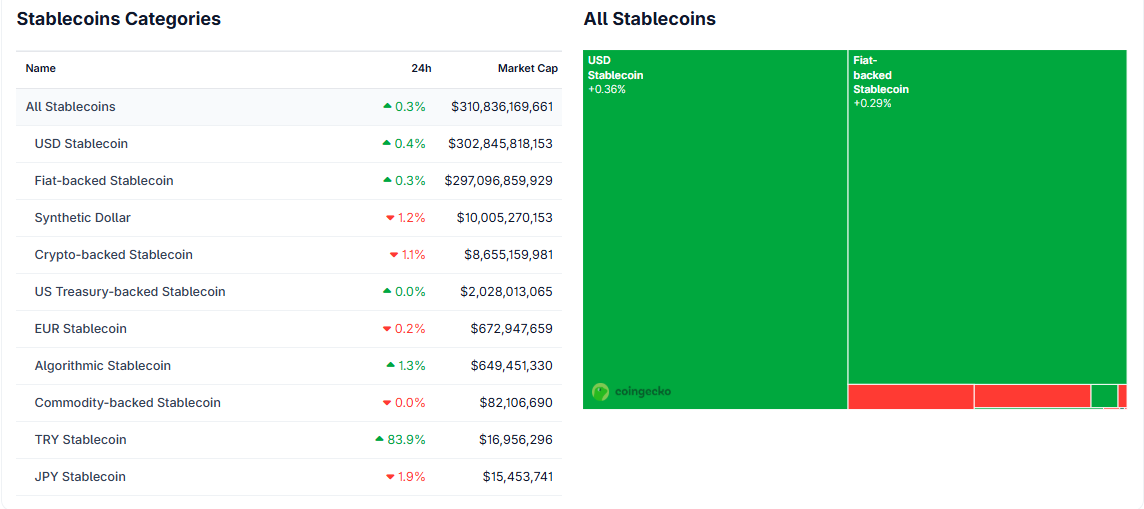
Europe vs. US: The Great Battle of Stablecoin Titans
BeInCrypto: How would you say Europe is positioned against the US and Asia?
Gracy Chen: Well, Europe has MiCA – a regulatory framework that promises to unite, but also brings a heavy burden. Issuers are required to hold full reserves, significant capital, and, naturally, an EMI license. It’s great for user protection, but let’s be honest, it also creates hurdles that slow everything down.
Now, the US takes a different route. The GENIUS Act, designed to be more lenient, has let private issuers like Circle and Tether thrive, even getting USDC and USDT into the Visa and Mastercard networks. Innovation-first, bureaucracy-second – that’s their motto!
Meanwhile, Asia’s main focus is on CBDCs, so stablecoins aren’t quite the star of the show over there. Interesting, right?
Is MiCA Enough to Drive Innovation?
BeInCrypto: Do you think MiCA fosters innovation, or is Europe just a bit too… stiff?
Chen: MiCA’s a solid base, but Europe needs to tweak a few things: faster approval for CASPs and issuers, stronger support for multi-bank reserve models like EURAU, and a harmonized approach across the EU. Without that, Europe could end up with regulatory fragmentation and a snail’s pace of adoption.
EURAU and European Sovereignty
BeInCrypto: What does EURAU’s launch mean for Europe?
Chen: EURAU is a game changer. Germany’s first BaFin-regulated euro-backed crypto asset, it’s an alternative to USD stablecoins and a step towards European monetary independence. Clear regulations are the key here – that’s what will spark institutional interest and make cross-border payments a reality.
What Europe Must Do to Stay Competitive
BeInCrypto: So, what’s the next big thing for the EU?
Chen: Europe needs to stop just talking about policy clarity and get down to operational readiness. We need to fast-track MiCA-compliant euro stablecoins that integrate with SEPA Instant or TIPS for fast, low-cost transactions. We also need EU-wide passporting, level-2 standards, and clear guidelines for yield-bearing products, like tokenized T-bills – something that could give Europe a competitive edge over the US.
And infrastructure? Europe needs solid fiat ramps, better merchant acceptance programs, interoperability across systems, and a common regulatory playbook. A dedicated stablecoin sandbox and developer toolkits wouldn’t hurt either!
Building Trust: Compliance and Technology
BeInCrypto: What builds trust in European stablecoins?
Chen: Transparency, baby! Audited reserves, MiCA’s quarterly reports, and solid AML/KYC integration all help build confidence. Let’s not forget secure, audited smart contracts. These are the ingredients for a stable, trustworthy ecosystem – without them, Europe’s dream could collapse, like TerraUSD.
Will Europe Become a Leading Stablecoin Player?
BeInCrypto: Is it possible for Europe to overtake the US in the next 3-5 years?
Chen: Europe has the potential to be a strong contender, but let’s not kid ourselves – it’s unlikely to overtake the US, which already dominates with its private-sector powerhouses. Europe’s best shot is to leverage its regulatory clarity, but it has to pick up the pace on innovation if it wants to see real adoption.
Regulation Gives Europe a Head Start – Innovation Will Decide the Rest
Europe has a unified regulatory framework that most regions can only dream of. But here’s the catch: Rules alone won’t close a 99% market gap. Gracy Chen reminds us that Europe needs more than just good regulations – it needs speed, infrastructure, and incentives to close the gap with the US. The clock is ticking, and Europe’s defining test is just around the corner. Will it be enough?
Read More
- FRONT MISSION 3: Remake coming to PS5, Xbox Series, PS4, Xbox One, and PC on January 30, 2026
- Best Controller Settings for ARC Raiders
- Mark Zuckerberg & Wife Priscilla Chan Make Surprise Debut at Met Gala
- The Boys Season 5 Officially Ends An Era For Jensen Ackles’ Soldier Boy
- Meet the cast of Good Omens season 3: All the actors and characters
- 7 Great Marvel Villains Who Are Currently Dead
- Welcome to Demon School! Iruma-kun season 4 release schedule: When are new episodes on Crunchyroll?
- Nippon Sangoku Is The Best New Post-Apocalyptic Anime of Spring 2026
- XRP AUD PREDICTION. XRP cryptocurrency
- Gold Rate Forecast
2025-12-02 16:40