
Valve, the company behind Steam, seems to be working on a new project to bring Android games to PCs. Called ‘Lepton,’ this software would allow PC gamers to play mobile games. While Valve hasn’t officially confirmed the name, a Steam page shows a logo, and data suggests Lepton is built using technology similar to Waydroid, an existing Android emulator.
Waydroid lets you run Android apps on Linux, similar to how Windows Subsystem for Linux (WSL) lets you run Linux programs on Windows. The team behind the Steam Deck likely used their experience with SteamOS and Proton – a tool that translates Windows game code to run on Linux – when developing Waydroid, so it fits with their previous work.
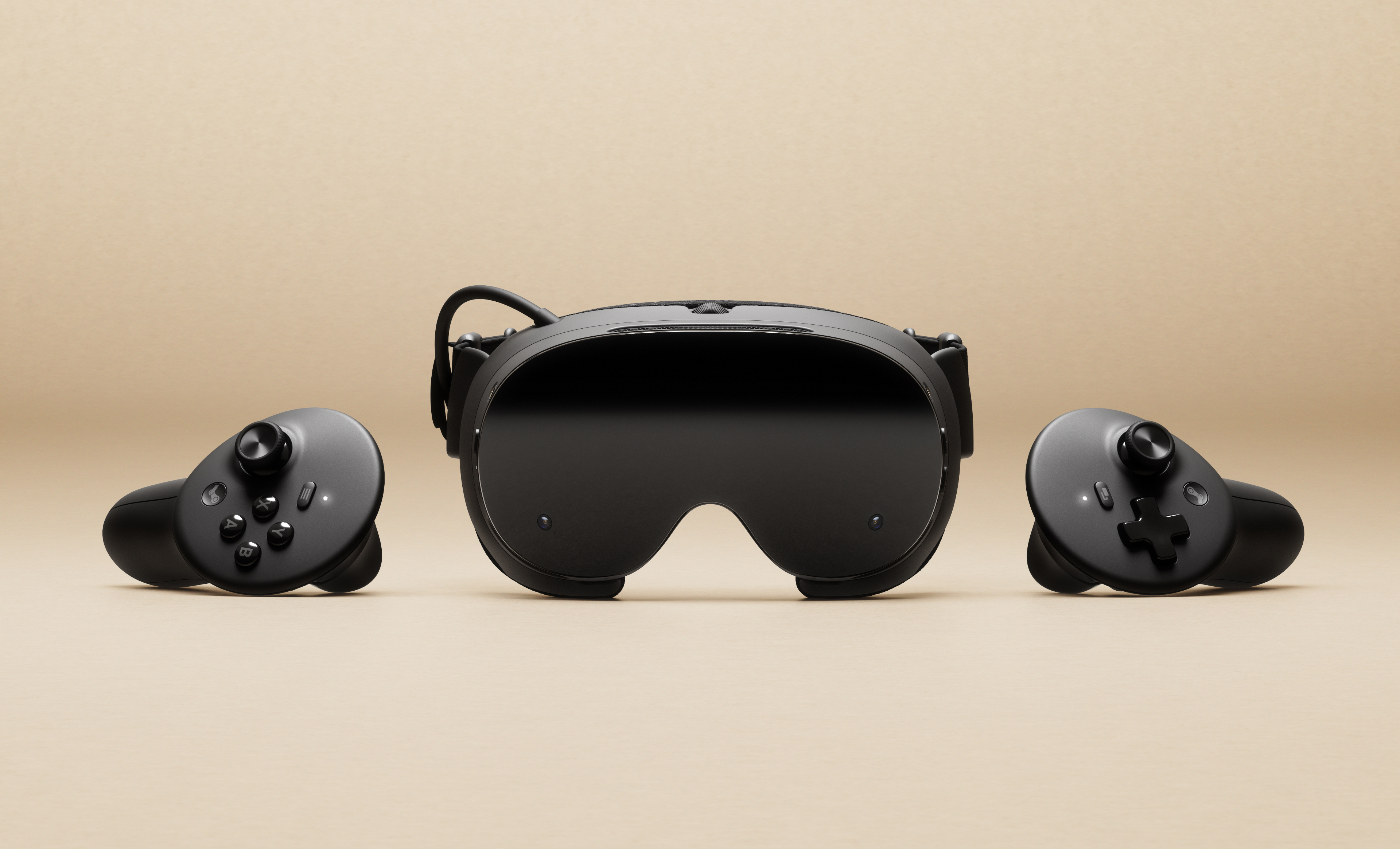
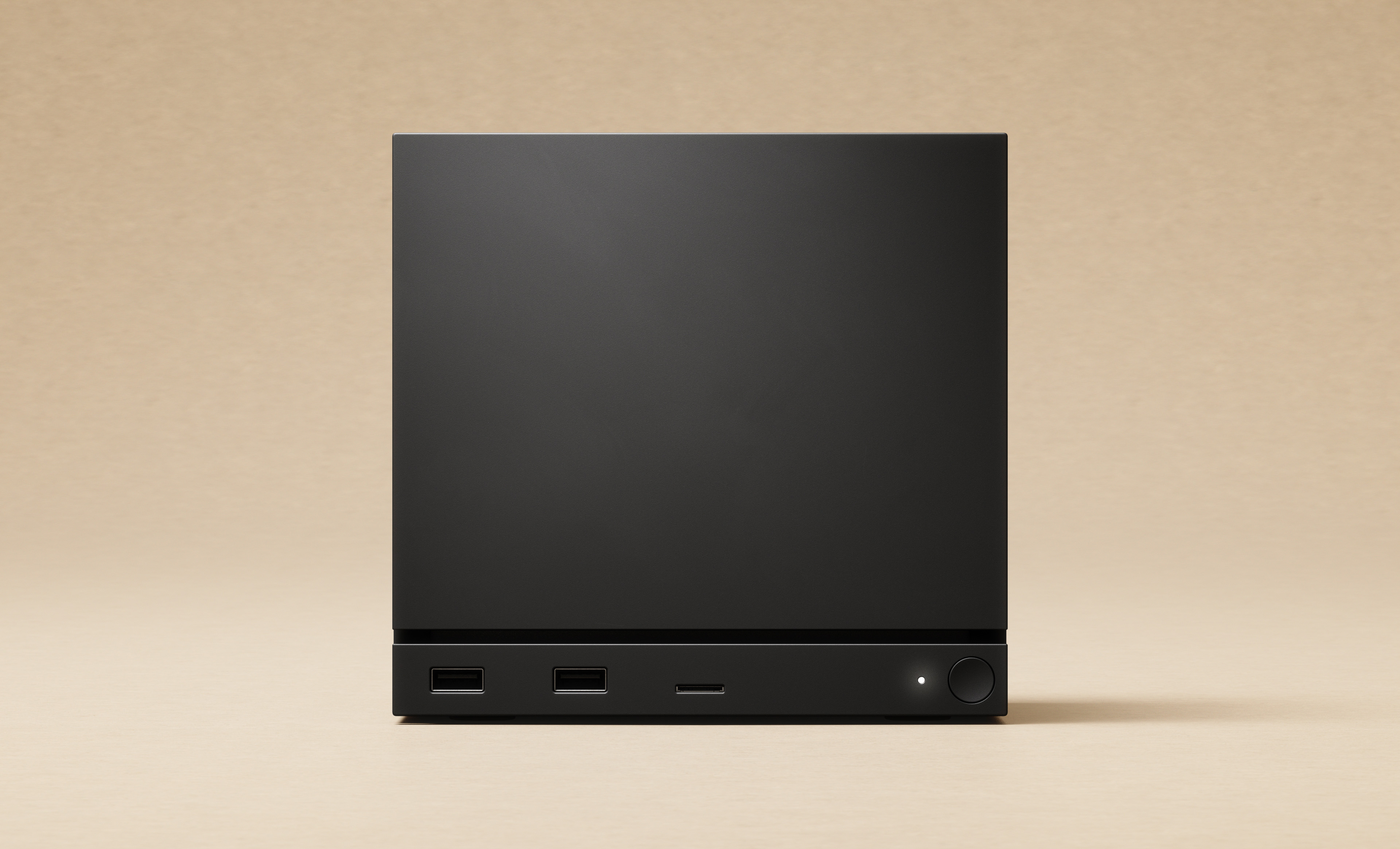
We’ve known for a while that the new Steam VR headset will use a processor made by Qualcomm. This news isn’t surprising. Lepton will likely let users run Android apps within virtual reality when the headset – formerly known as ‘Deckard’ – is released. It’s also easy to envision a future where Android games can be played on the upcoming Steam Machine PC.
Recently, Valve updated its Steamworks SDK to include references to ‘androidarm64’ and ‘linuxarm64’. This, combined with suggestions from Brad Lynch on X, strongly indicates that Walkabout Minigolf will be the first Android game available on Steam via VR. The ‘linuxarm64’ reference relates to the processor in Valve’s headset. However, this raises the question of whether these updates will benefit gamers who don’t use virtual reality.
Currently, there’s very little evidence that high-quality Android games will be released for desktop PCs or SteamOS handhelds. While the Waydroid system provides a basic framework for making this possible on standard operating systems, there also needs to be enough player interest to make it worthwhile.
It’s hard to think of a truly massive, popular game on Android, right? That lack of a clear hit is likely a big reason why Valve is hesitant to invest in making games for the platform.
Currently, this feels like something best suited for virtual reality, as touchscreen games naturally fit that environment better than they do with standard controllers. However, many mobile games *do* support traditional controllers and attachable gamepads. Considering Valve’s success in improving Windows game performance on Linux, it’s hard to say what the future holds.
Read More
- The Super Mario Galaxy Movie: 50 Easter Eggs, References & Major Cameos Explained
- 10 Best Free Games on Steam in 2026, Ranked
- All 13 Smash Bros. Characters in the Super Mario Galaxy Movie
- Dune 3 Gets the Huge Update Fans Have Been Waiting For
- Control Resonant’s Hiss and Mold Are “Way More Complex” Than Before (and More Aggressive)
- Welcome to Demon School! Iruma-kun season 4 release schedule: When are new episodes on Crunchyroll?
- Highly Anticipated Strategy RPG Finally Sets Release Date (And It’s Soon)
- TV legend Carol Kirkwood reveals the reasons why she decided to retire after 28 years with BBC
- Sydney Sweeney’s The Housemaid 2 Sets Streaming Release Date
- Why is Tech Jacket gender-swapped in Invincible season 4 and who voices her?
2025-12-02 19:09