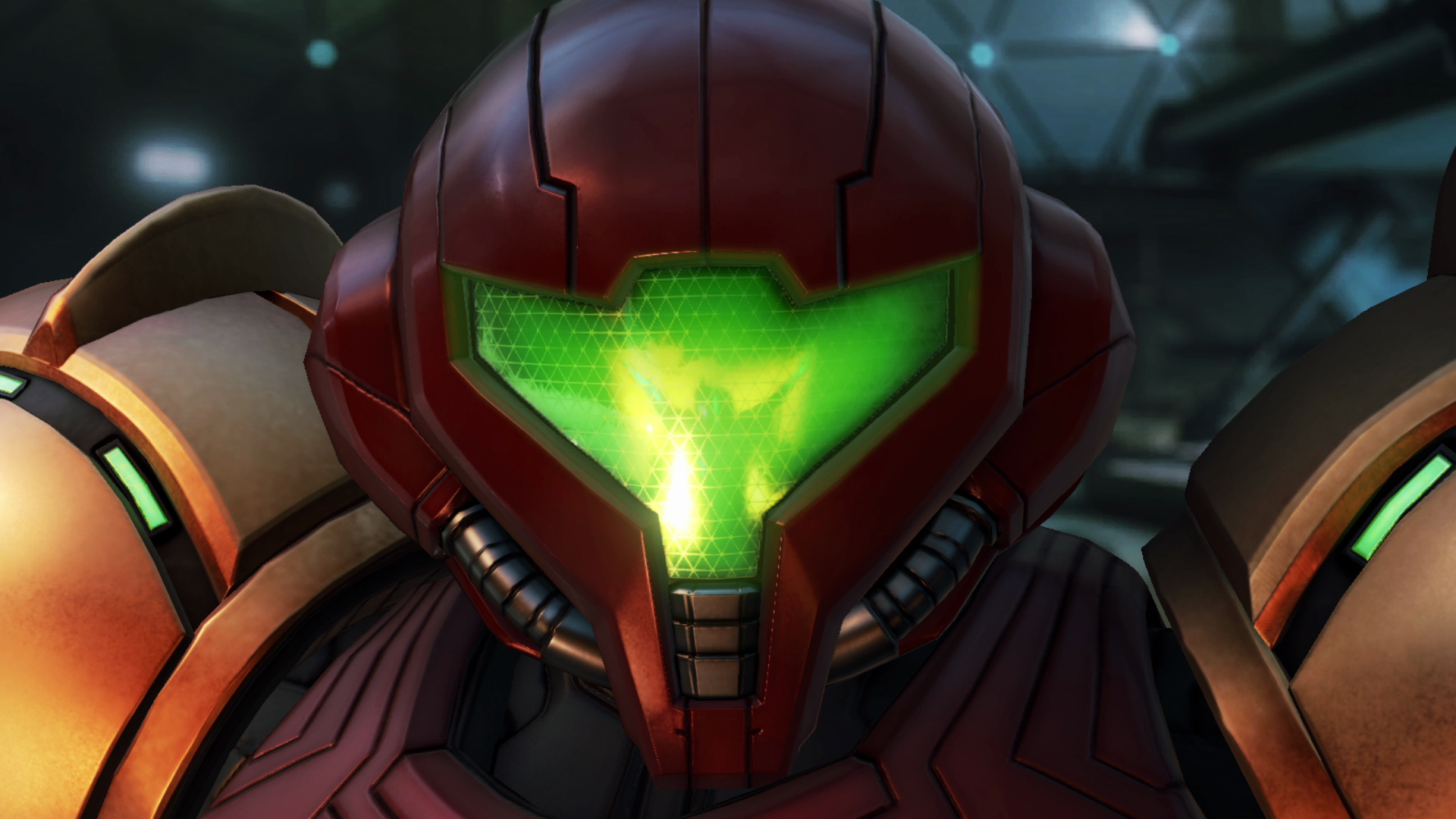
After many years, Metroid Prime 4: Beyond isn’t just a continuation of the story – it represents a new direction for the series compared to Metroid Prime 3: Corruption. The game significantly updates the original formula in areas like how the game is structured, how quickly it moves, and how combat, exploration, and finding secrets all work. We’ll highlight 15 key improvements that Samus’ new adventure makes over her last.
Return to Isolation Over Scale
Metroid Prime 3: Corruption placed Samus in a large-scale galactic war, complete with soldiers, team-based missions, and constant communication. However, Metroid Prime 4: Beyond takes a different approach, focusing on Samus exploring alone and figuring things out on a dangerous planet with little to no help. This isn’t just a change in the game’s feel; it fundamentally alters how the game moves forward – Samus is now more vulnerable than ever.
Hypermode Replaced by New Combat Identity
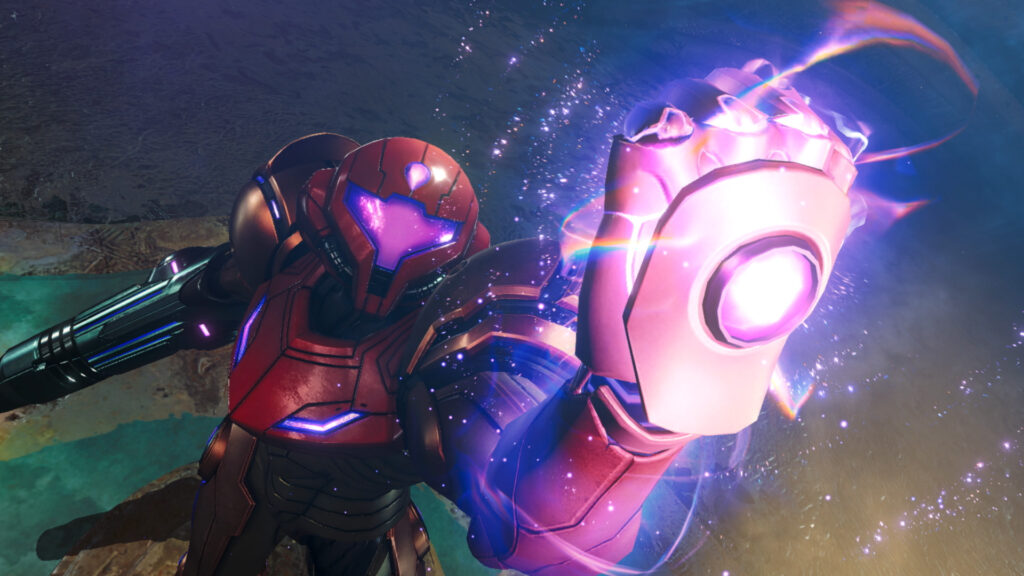
In Metroid Prime 3, the powerful Hypermode was central to combat, letting Samus unleash devastating attacks as a corruption meter filled. Metroid Prime 4: Beyond takes a different approach, ditching this system and giving Samus psychic and telekinetic powers instead. This change emphasizes skillful movement, interacting with the environment, and quick thinking, rather than managing a limited resource. It’s a simpler, potentially more balanced system that fits with how many modern action games are designed. Instead of powering up through self-destruction, you’ll become proficient with a brand new set of abilities.
New Psychic-Driven Puzzle Design
As a huge Metroid fan, I’m really excited about how Samus’s powers are evolving in Metroid Prime 4. It’s not just about shooting anymore! The new psychic abilities, especially the telekinesis, seem like they’re going to change how we solve puzzles. I’m picturing lifting objects with my mind, redirecting beams of energy, and manipulating light to power up old machines – it’s going to be so cool to interact with the environment in a whole new way. It feels like a big step up from Metroid Prime 3, where puzzles mostly involved scanning and using tools like the grapple beam. That was fun back then, but this feels much more immersive and modern – like we’re actually using Samus’s mind to solve things.
Risk Versus Reward Mechanics
Currently, it looks like the psychic abilities in Beyond won’t drain Samus’s health during combat or while moving around. The game appears to focus on letting players creatively use Samus’s weapons and skills, giving them more control without worrying about constantly needing to survive. Unlike Corruption, where using Hypermode came with the risk of death, Beyond doesn’t seem to have that same risk-reward system. This could make Beyond feel less challenging than previous games.
No Permanent Corruption and the Absence of Self-Destruct
In Metroid Prime 3: Corruption, using Hypermode too much could lead to a dangerous state called Corrupt Hypermode, instantly ending the game if you didn’t react quickly. This created a thrilling risk-reward system. Metroid Prime 4, so far, doesn’t have anything like that. Its new abilities aren’t tied to any penalties, so they feel like helpful tools instead of dangerous risks. You can use them as much as you want without worrying about a sudden game over, which makes you feel powerful instead of stressed.
Vehicle Traversal
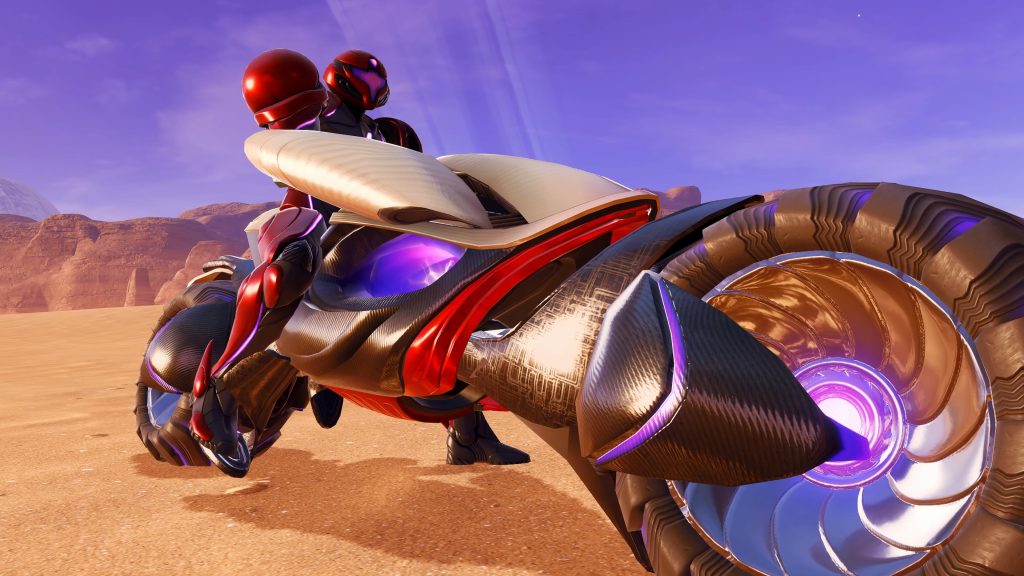
In Metroid Prime 4, Samus gains access to the Vi-O-La, a fast bike that lets her quickly travel across the large desert areas of the planet Viewros and connect its different environments. You can summon the bike almost anywhere you have space to speed up, which changes how you’ll approach moving around and using momentum. This is a big change from Metroid Prime 3, which focused on exploring on foot and using elevators and doors to connect areas. While Prime 3 emphasized careful, room-by-room exploration, Prime 4’s rideable vehicle adds a new sense of speed and freedom.
Cross-Generational Performance and Controls
The new game, Beyond, is available on both Nintendo Switch and the more powerful Switch 2. The Switch 2’s enhanced hardware allows for smooth gameplay at 120 frames per second, perfectly complementing the faster, more fluid movement. In contrast, the previous game, Corruption, was only released on the Nintendo Wii, which limited its performance and relied on motion controls. Beyond is designed to take advantage of modern hardware and adjust to different systems, while this is reportedly causing difficulties in bringing a remastered version of Corruption to current consoles.
Joy-Con Mouse Mode Versus Pointer Aim
In Beyond on the Switch 2, you can use a single Joy-Con as a precise mouse-like pointer for aiming and navigating menus. While Corruption used the Wii’s motion-sensing technology for aiming, Beyond’s system on the Switch 2 is more accurate. This shows an improvement in how games control movement, offering a more practical and easy-to-use experience while still relying on physical input.
Control Fluidity and Movement Speed
As a huge Metroid fan, I’m really excited about how Samus moves in Beyond! She feels so much more nimble and responsive than in Corruption. Everything just flows together – turning, switching weapons, and especially using her psychic abilities to navigate vertically. When I go back to Corruption now, it honestly feels a little clunky and slow. The way you control Samus and activate things like Hypermode or the Grapple Beam just doesn’t have the same instant feel that Beyond nails – it’s a really noticeable difference!
Companion Dynamics
In Beyond, you’ll find lost Galactic Federation soldiers on the planet Viewros. Saving them isn’t just helpful – it unlocks faster travel routes, improves your abilities, and provides support in battles. Corruption, on the other hand, starts with Samus working with a team, but you quickly spend most of the game exploring alone and completing missions. Unlike Corruption, rescuing troopers in Beyond directly affects the story’s progress, rather than simply existing within a larger world.
Narrative Tone and Character Interaction
Metroid Prime: Corruption told its story through lengthy mission briefings, lots of dialogue, and fully voiced cutscenes, presenting Samus as part of a large military operation. Metroid Prime 4: Beyond, however, seems to focus on a more realistic feel, using brief conversations with rescued soldiers and details found in the game world to build its narrative. The gameplay is slower and more focused on exploration and observation – it still emphasizes Samus’s isolation, but at a pace that feels more manageable.
Mission Structure and Progression
Prime 3 focuses on straightforward missions with clear goals and assignments across different planets. The game provides a lot of guidance as you move through each area with a specific list of tasks. In contrast, Beyond offers a more open, yet still directed, experience. Progress in Beyond depends heavily on exploring, investigating, and finding new things, along with completing objectives. You’ll often need to return to previous locations and improve your abilities and equipment to expand your reach and influence.
Graphical Fidelity and Visual Effects
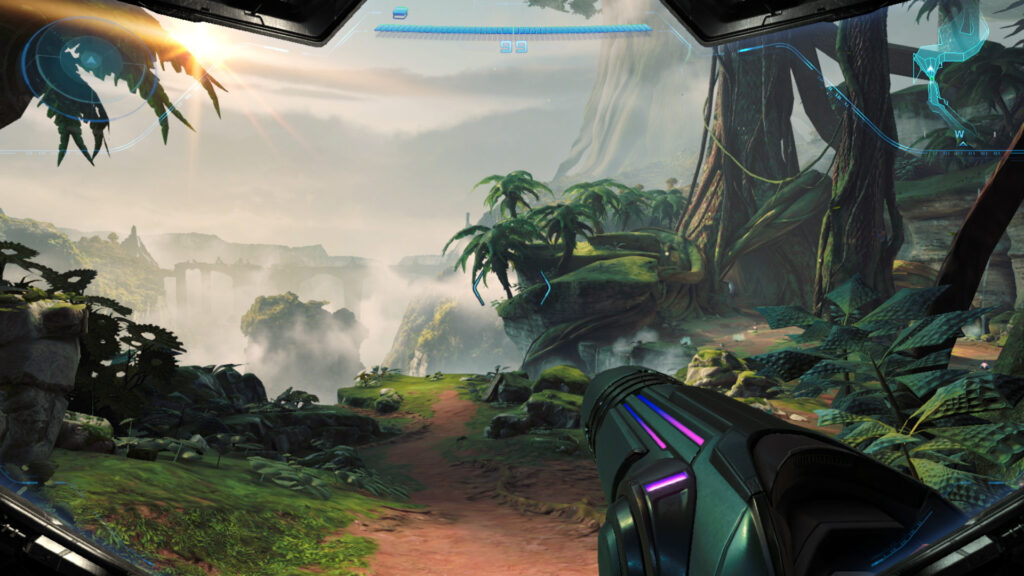
Metroid Prime 4: Beyond takes full advantage of current gaming technology, offering significantly improved graphics, detailed environments, and realistic effects like lighting and particles. Even on the Switch, the game looks polished, but it really shines on the Switch 2 with even better visuals and performance. In contrast, Metroid Prime 3, originally released on the Wii, feels dated with lower resolution graphics, simpler textures, and less advanced lighting. The visual difference between the two games is striking, suggesting that Prime 4 is designed to showcase the capabilities of the new Switch 2. This wasn’t the focus when Prime 3 was created.
Scanning and Visor Integration
I really like how Beyond uses the scanning ability. It’s not just there like in Corruption; it feels much more connected to how you play, especially with the new psychic powers and how you can change the environment. In Corruption, you had to pause and pick different scan modes from a menu, which was fine, but Beyond’s visor is simpler and just works. Both games have good scanning, but Beyond focuses it, making it really useful for specific things. It’s just a more streamlined experience, honestly.
Ship Command Mechanic Removed
In Metroid Prime 3: Corruption, players could remotely control Samus’s gunship to unlock new areas, quickly travel around, and navigate environments. However, the upcoming game, Beyond, seems to use the gunship primarily as a story element. Instead of focusing on flying between planets, Beyond emphasizes exploring each unique environment on foot. Currently, there are no announced features that would allow players to directly control the gunship, meaning exploration will be focused on the world itself.
Read More
- GBP CNY PREDICTION
- Elon Musk’s Mom Maye Musk Shares Her Parenting Philosophy
- Elon Musk’s Ex Ashley St. Clair Reveals When Romance Became “Weird”
- 10 Best Free Games on Steam in 2026, Ranked
- Mark Zuckerberg & Wife Priscilla Chan Make Surprise Debut at Met Gala
- Forza Horizon 6 Car List So Far: Confirmed Highlights, Cover Cars, DLC, and Rewards
- 10 Greatest Manga Endings of All Time
- Hollow Knight: Silksong Guide – All 30 Lost Flea Locations
- 38 Years Later, Murder, She Wrote’s Most Overlooked Episode Still Pulls Off TV’s Greatest Crossover
- 20 K-Dramas That Nailed the Perfect Ending
2025-12-02 20:43