Premiering in 1997, Buffy the Vampire Slayer arrived just as television was moving away from self-contained episodes. Though it began as a seemingly simple teen show, it quickly became incredibly popular and is still considered one of the best shows from television’s most celebrated era. Combining supernatural action with the challenges of growing up, Joss Whedon’s well-developed characters and witty writing made Buffy, starring Sarah Michelle Gellar, a standout series on The WB and beyond.
Fans who watched regularly loved the show’s clever stories, which balanced thoughtful themes with a great sense of humor. Beneath the supernatural adventures, it offered a mature look at growing up. Over its seven seasons and beyond, the show has had a huge impact on television. It uniquely connected the traditional sitcom format with the more complex, high-quality dramas that became popular in recent years, making ‘Buffy’ a truly important show of the 1990s.
5) Genre Experimentation
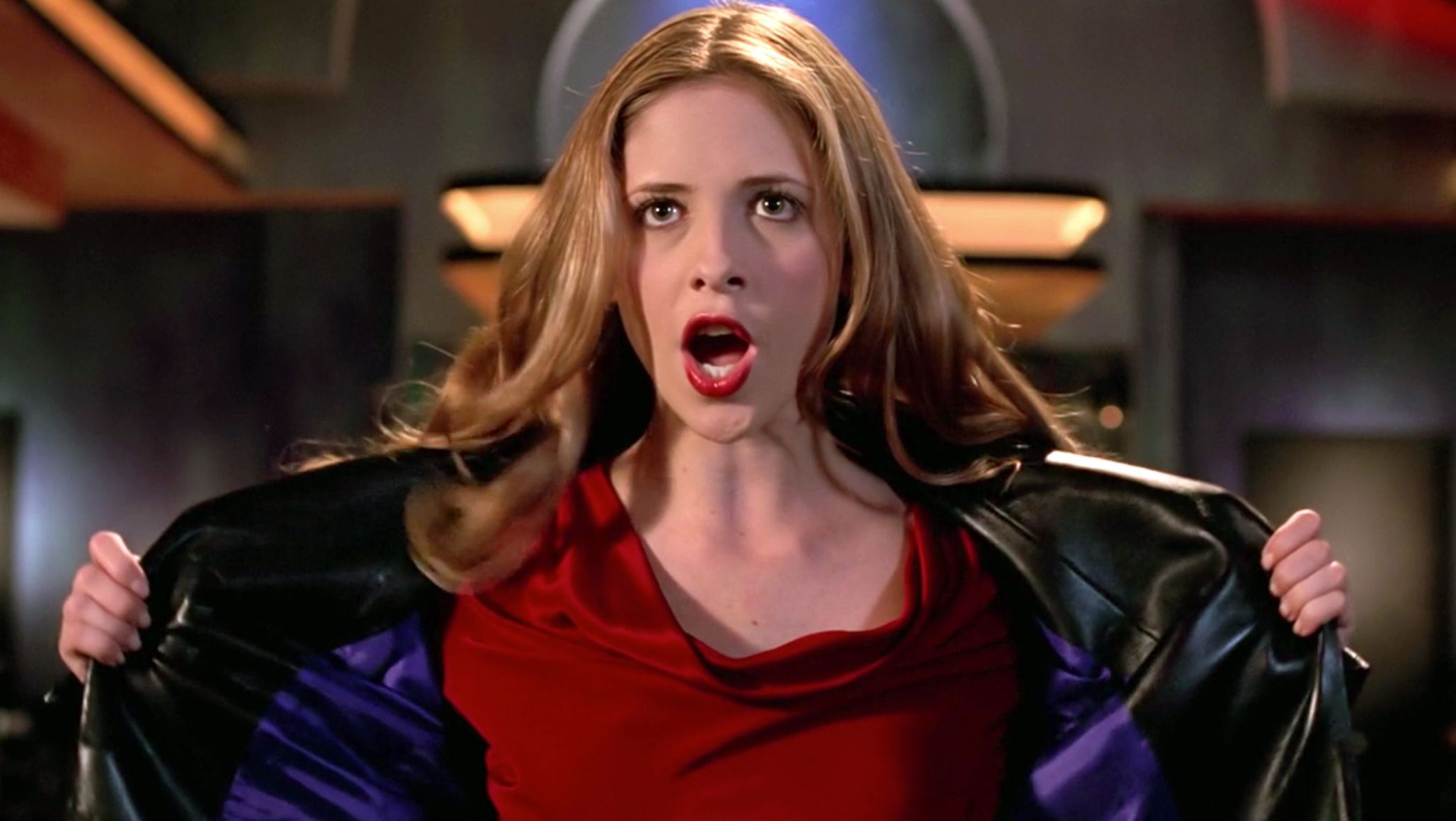
Buffy the Vampire Slayer was known for trying out different types of stories. While it always had elements of supernatural action, fantasy, teen drama, and comedy, some episodes really pushed boundaries. For example, ‘Hush’ was almost entirely silent, and ‘Once More, With Feeling’ was a complete musical. These episodes became fan favorites. The show could seamlessly move from funny scenes – like Willow’s clumsy early magic – to intense and dark moments, such as Angel’s struggles or the terrifying Gentlemen.
Buffy played a key role in bringing vampires and supernatural stories back into the mainstream, paving the way for shows like Twilight and appearing around the same time as the first Harry Potter book. Though horror and fantasy already had dedicated fans, Buffy uniquely brought the genre to television and sparked a lasting interest in fantasy fiction among young adults.
4) Coming-of-Age Metaphor

Buffy cleverly used supernatural themes to represent the challenges of growing up. While it seems common now, this approach was innovative when the show first aired. Everyday high school experiences were portrayed through fantastical elements like demons and curses, making the stories feel both imaginative and relatable. Episodes such as “The Pack,” “Invisible Girl,” and “Nightmares” skillfully blended character development with horror, creating a unique connection with viewers.
Joss Whedon really made this style popular with his early work, and now it’s common in many young adult fantasy TV shows. Shows like Smallville, Veronica Mars, and Supernatural all followed a similar pattern: each week’s monster-of-the-week plot often mirrored the personal challenges the characters were facing. Beyond this, Whedon’s clever and funny way of writing dialogue has been widely imitated and referenced ever since.
3) Queer Representation
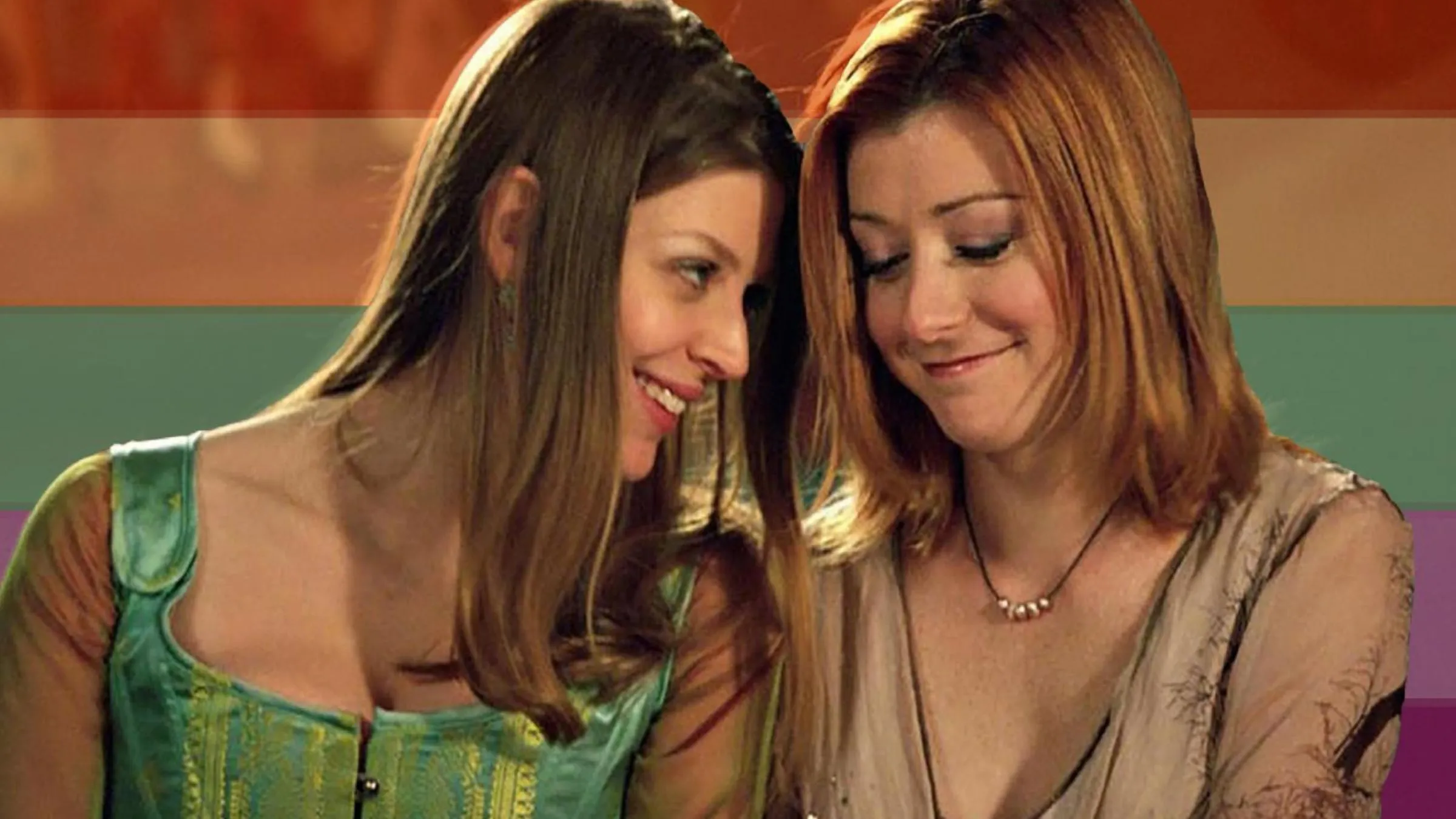
Willow and Tara’s relationship on the show was groundbreaking for its time, offering one of the first realistic and sustained depictions of a lesbian couple on a major U.S. television network. What made it special was that their love story felt authentic and wasn’t based on clichés or harmful tropes. Their connection developed naturally over several seasons, and both characters continued to grow as individuals, separate from their romance. Importantly, the show treated them like any other couple, which was a rarity on television back then.
Before Buffy, if you saw queer characters on TV, they were usually just there – their sexuality was the main thing about them, and they didn’t get much of a story beyond that. But Willow and Tara? They were different. They weren’t just side characters; they had a real, developed relationship on a hugely popular show that everyone was watching, from teens to adults. I really think their story paved the way for how other shows started to handle queer representation. Now, looking back, some of the choices made in their storyline are definitely debated by fans, and it might not hold up perfectly to today’s expectations, but the fact that they were such fully-realized characters felt like a huge leap forward at the time.
2) Iconic Female Lead

Buffy Summers broke the mold of the typical ‘damsel in distress’ by being a young woman who was exceptionally skilled and powerful. She was a well-rounded character, combining fighting ability and supernatural powers with emotional intelligence, humor, and strong leadership. Importantly, the show didn’t portray her strength as something that diminished her femininity – she was both strong and feminine. Buffy’s strengths and weaknesses weren’t fixed; the series showed how they developed as she grew up through high school, college, and into adulthood. The show also featured other complex and compelling female characters like Faith, Anya, Kendra, and Cordelia, enriching the show’s portrayal of women.
As a huge movie and TV fan, one of the things I really loved about the show was how it gave its female characters real power and let them drive the story. It wasn’t afraid to tackle tough subjects – things like sexuality, dealing with trauma and grief, and the way power works – which was pretty groundbreaking for network television at the time. Characters like Anya even brought up positive views on sex, which was amazing! All these complex, fully-realized women really changed things up, and Buffy herself paved the way for so many strong female leads we’ve seen since, in shows like Alias, Dark Angel, Orphan Black, and Jessica Jones.
1) The Season-Long Story

I’ve always loved how Buffy the Vampire Slayer really changed television. Shows like Twin Peaks, Deep Space Nine, and Babylon 5 had played with ongoing stories before, but Buffy was the first big show everyone watched that built each season around one major villain – what fans now call the ‘Big Bad.’ What was so clever was that each season felt complete, with a clear start, middle, and end, and each individual episode still told its own story. It was perfect for how TV was structured then, but more importantly, it got a huge audience hooked on following characters and storylines over a whole season – something that’s super common now!
Buffy the Vampire Slayer bridged the gap between 90s sitcoms and the complex, high-quality TV dramas of the 2000s. Its storytelling style – where characters came and went, but past events always mattered and had lasting consequences – heavily influenced shows like Lost, Battlestar Galactica, and Prison Break. These shows, in turn, paved the way for streaming hits like Game of Thrones. While not the first to use this format, Buffy was the first major show to consistently employ it, making it a crucial series that moved television from self-contained episodes to ongoing, season-long storylines, and truly rewarding dedicated viewers with long-term payoffs.
What do you think? Leave a comment below and join the conversation now in the ComicBook Forum!
https://comicbook.com/tv-shows/list/4-great-buffy-characters-introduced-after-season-1/embed/#
Read More
- Adam Levine Looks So Different After Shaving His Beard Off
- After AI Controversy, Major Crunchyroll Anime Unveils Exciting Update
- Trails in the Sky 2nd Chapter launches September 17
- Gold Rate Forecast
- Dialoop coming to Switch on June 17
- Japan’s No. 1 Spring 2026 Anime Is the True Successor to an All-Time Great
- Xbox Game Pass Users “Blown Away” by New Exclusive Game
- EA Game Free With PlayStation Plus For Only 72 Hours
- From season 4 release schedule: When is episode 2 out on MGM+?
- Phasmophobia limited-time event ‘Phasmophobia by Alan Wake’ announced
2025-12-04 17:11