
The Dragon Ball series has inspired many video games, particularly fighting games, which makes sense considering the anime’s focus on diverse fighting styles, spectacular moves, and unique characters. The games became even more thrilling when they transitioned to 3D, letting players truly experience flight and more dynamic movement.
A fun feature in more recent games is the addition of ‘what if?’ storylines, letting players see how events could have unfolded if key battles had different outcomes. This idea actually started over twenty years ago with a Dragon Ball Z game that offered three alternate endings. One ending, in particular, really stood out, showcasing a lesser-known character’s bravery and the surprisingly humorous possibilities of these alternate realities.
Dragon Ball Z: Budokai Introduced DBZ’s Version Of What If…?
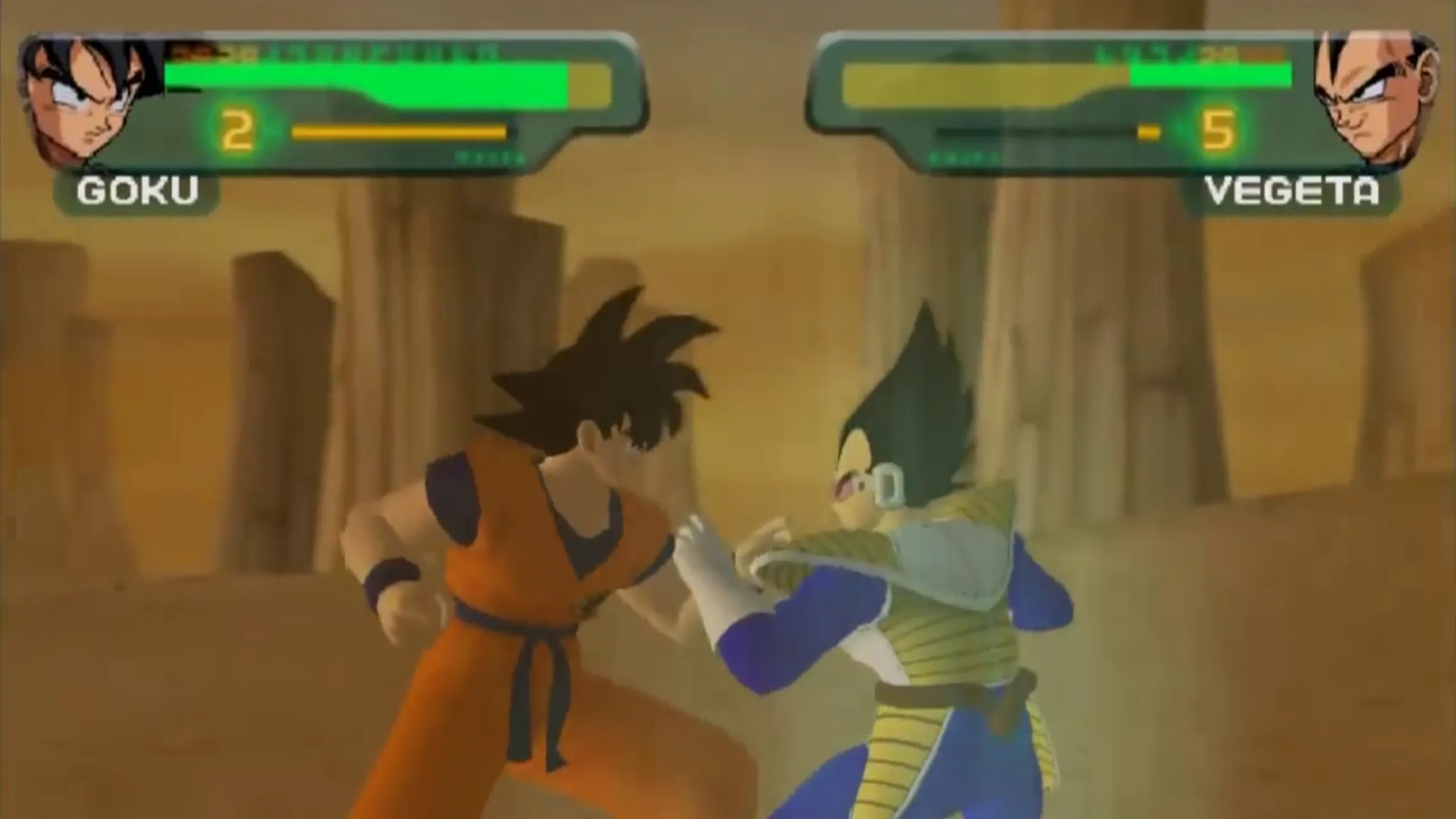
Originally launched in North America on December 4, 2002, Dragon Ball Z: Budokai kicked off the Budokai series and was the first Dragon Ball game for home consoles in five years. It arrived as the series was becoming increasingly popular in Western countries, offering players 23 characters from the Saiyan, Frieza, and Cell storylines. While critics had mixed reactions—praising its faithfulness to the show but finding the controls challenging—the game was a hit with fans, selling over 2.6 million copies globally.
This game established many features that would become standard in later Dragon Ball fighting games, building upon the foundations of the Budokai series and introducing new ideas. A key element seen in more recent titles like the Xenoverse games is the inclusion of “What If?” scenarios from Dragon Ball. Finishing the game’s three Story Mode campaigns unlocked an extra chapter where players could experience the story from the villain’s perspective, creating alternative outcomes. The “Vegeta: Saiyan Prince” and “Rampaging Frieza” chapters were relatively simple, letting players defeat the heroes as those villains and envision a darker timeline. However, the Cell bonus chapter remains one of the most unusual additions to the entire Dragon Ball series.
How Cell Fused With Krillin

The fan fiction “A Cold-Blooded Assassin” changes the story during the Cell Saga. When Cell tries to absorb Android 18, Krillin intervenes and is absorbed instead. This dramatically alters Cell, shrinking him to Krillin’s size, turning him orange like Krillin’s uniform, and giving him Krillin’s signature six dots on his head. Most importantly, this severely weakens Cell, leaving him vulnerable to a fight with Yamcha and Tien.
In the “Cellin” scenario, players battle a strange opponent resembling a mix of Cell Jr. and Krillin, but with Cell’s personality. If they win, they’re unexpectedly attacked by Tien, who finishes Cellin off with his Tri-Beam attack. It’s then revealed that everything was a dream experienced by Perfect Cell, making it a unique and comedic ending compared to the other “What If?” scenarios in the game.
Why Cellin Still Lingers In My Head Decades Later

Krillin is easily one of my favorite anime characters, and definitely my favorite fighter in the Dragon Ball series. I’ve always been drawn to underdog characters, and Krillin stands out because he’s a skilled and clever fighter who doesn’t rely on brute strength like most of the others. Even since the original Dragon Ball, he’s been less powerful than the main heroes, but he consistently contributes to the story with his intelligence, bravery, and honest observations.
Krillin isn’t as powerful as characters like Goku or Vegeta, who can destroy planets. His story in Dragon Ball Super focused on him dealing with past trauma and proving he deserved to be among Earth’s strongest fighters. The heart of his story involves a truly heroic act – a sacrifice he tried to make, but didn’t quite succeed in. It’s fascinating to think, especially as a Krillin fan, how different things could have been if he had succeeded in that moment and potentially changed the entire course of the story.
If Tien defeated Cell while he was fused with Krillin, the story would have changed dramatically. Gohan wouldn’t have reached Super Saiyan 2, hindering his growth, and Goku would have survived, continuing his training. Because of these changes, when the Buu Saga arrived (which isn’t included in Dragon Ball Z: Budokai), the heroes would have been much less ready for the challenges ahead. The ‘Cellin’ story is a great example of how well the ‘What If?’ idea works in the Dragon Ball universe, and later games like Dragon Ball Xenoverse expanded on this concept. It’s also a surprisingly direct and memorable ending for such a famous villain.
Read More
- The Super Mario Galaxy Movie: 50 Easter Eggs, References & Major Cameos Explained
- 10 Best Free Games on Steam in 2026, Ranked
- Sydney Sweeney’s The Housemaid 2 Sets Streaming Release Date
- Why is Tech Jacket gender-swapped in Invincible season 4 and who voices her?
- Welcome to Demon School! Iruma-kun season 4 release schedule: When are new episodes on Crunchyroll?
- All 13 Smash Bros. Characters in the Super Mario Galaxy Movie
- The Punisher: One Last Kill Trailer Review: MCU Special Could Be a Game Changer
- Dune 3 Gets the Huge Update Fans Have Been Waiting For
- Highly Anticipated Strategy RPG Finally Sets Release Date (And It’s Soon)
- Forza Horizon 6 ‘Prologue’ gameplay
2025-12-04 17:47