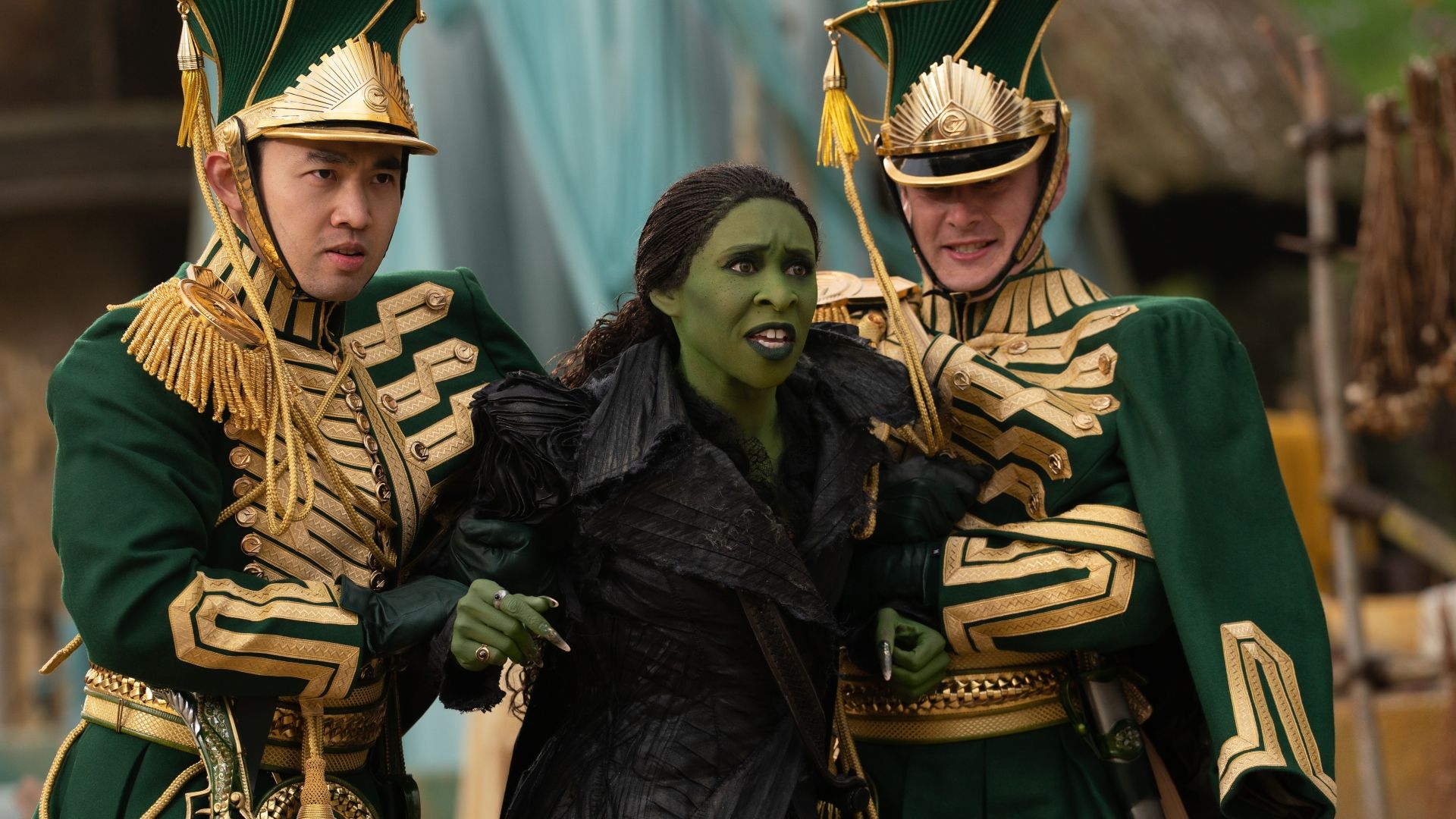
The hugely successful 2024 film Wicked takes place in Oz before the events of The Wonderful Wizard of Oz. Praised for its stunning visuals, incredible singing, and engaging story, it quickly became a box office hit. This November, Wicked: For Good arrived in theaters and broke records, earning a higher opening weekend than the first film. Together, these movies adapt the beloved Wicked musical, which is inspired by Gregory Maguire’s novel, Wicked: The Life and Times of the Wicked Witch of the West.
Together, the two films are almost twice as long as the original stage musical. The filmmakers used the power of cinema to show places, events, and details that wouldn’t have been possible on stage, resulting in many scenes unique to the movies. However, some memorable moments from the musical didn’t make it into the films.
8
Elphaba Is Already Enrolled at Shiz University When She Arrives
Universal Pictures
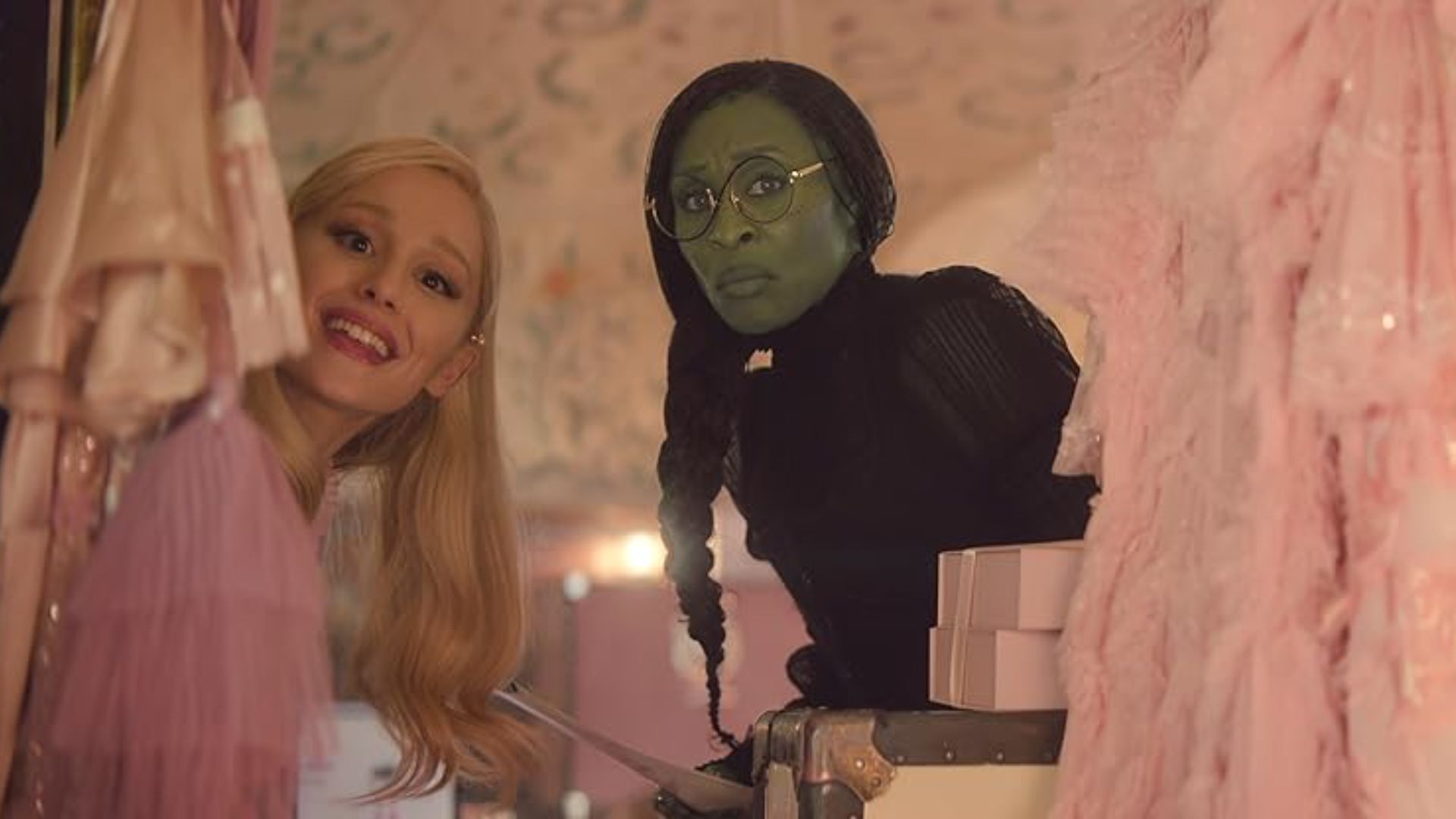
Shiz University is the main college in the Land of Oz and plays a significant role in both the stage musical and the film versions of the story. However, the musical and the movie differ in how Elphaba first arrives at Shiz. In the musical, she’s already a registered student and arrives with her sister, ready to begin her studies. In the movie, she initially just accompanies her sister, Nessa, but unexpectedly impresses Madame Morrible, who then persuades her to become a student.
7
Pfannee Is Female
Universal Pictures
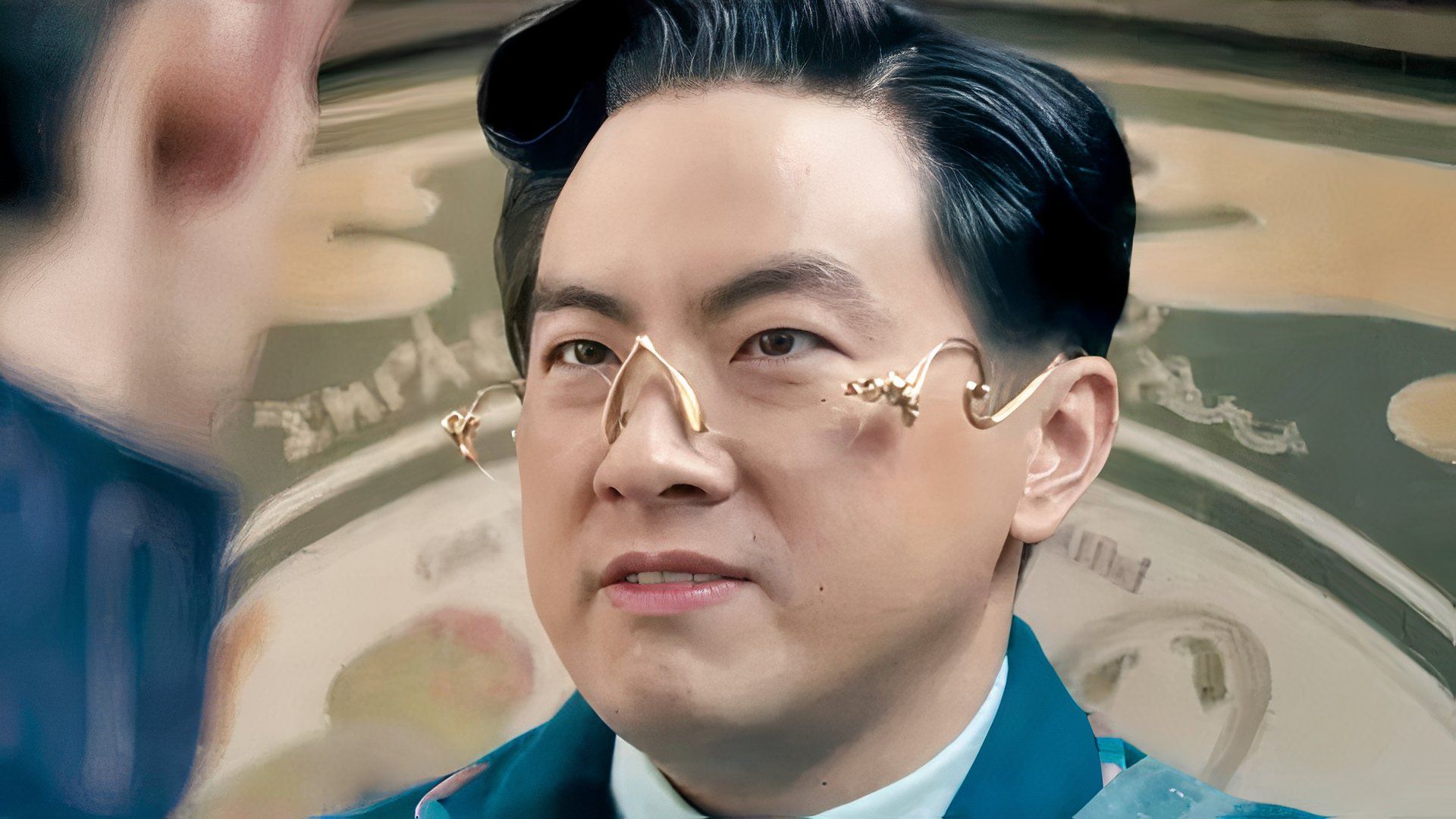
Pfannee is a rich resident of Munchkinland and a friend of Glinda’s, originally part of her group at Shiz and staying close to her throughout their time together. While Pfannee is female in the books and musical, the movie adaptation reimagines the character as male, played by Bowen Yang. Yang reportedly improvised a lot of his lines, which unexpectedly led to Pfannee having a bigger part in the film. Initially presented as shallow and somewhat of a bully to Elphaba, Pfannee provides comic relief and is a character many viewers enjoy disliking.
6
Elphaba Creates a Different Distraction To Save the Lion Cub
Universal Pictures
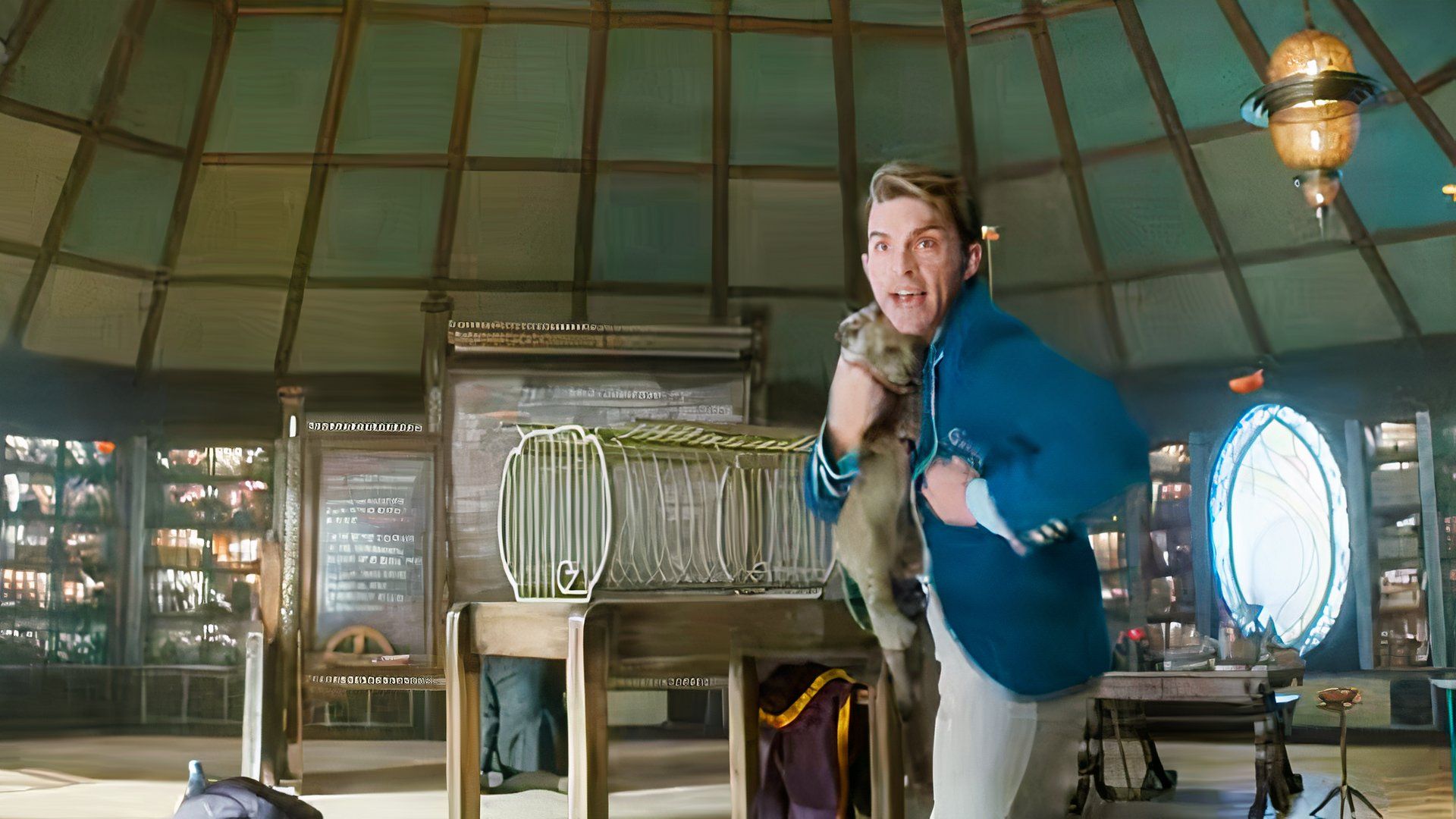
A key moment occurs when Elphaba and Fiyero release a frightened lion cub during a lesson with Dr. Nikidik. The cub was being used to demonstrate how animals should be controlled and silenced, which deeply upsets Elphaba. She impulsively uses her developing magical powers to free the lion, though her magic doesn’t work quite as she expects.
The original stage production of the story featured a powerful and chaotic display of magic, fueled by Elphaba’s anger. Books and students were thrown around, and everything shook violently when her magical cage broke open. However, the movie adaptation felt this was too much. They worried it would make Elphaba seem frightening and unsympathetic. Instead of a destructive outburst, the movie showed Elphaba creating magical poppy flowers – a nod to the sleep-inducing poppies in the classic Wizard of Oz – which gently put the class to sleep. This allowed her and Fiyero to free the caged animal.
5
Madame Morrible’s Verse in “Thank Goodness”
Universal Pictures
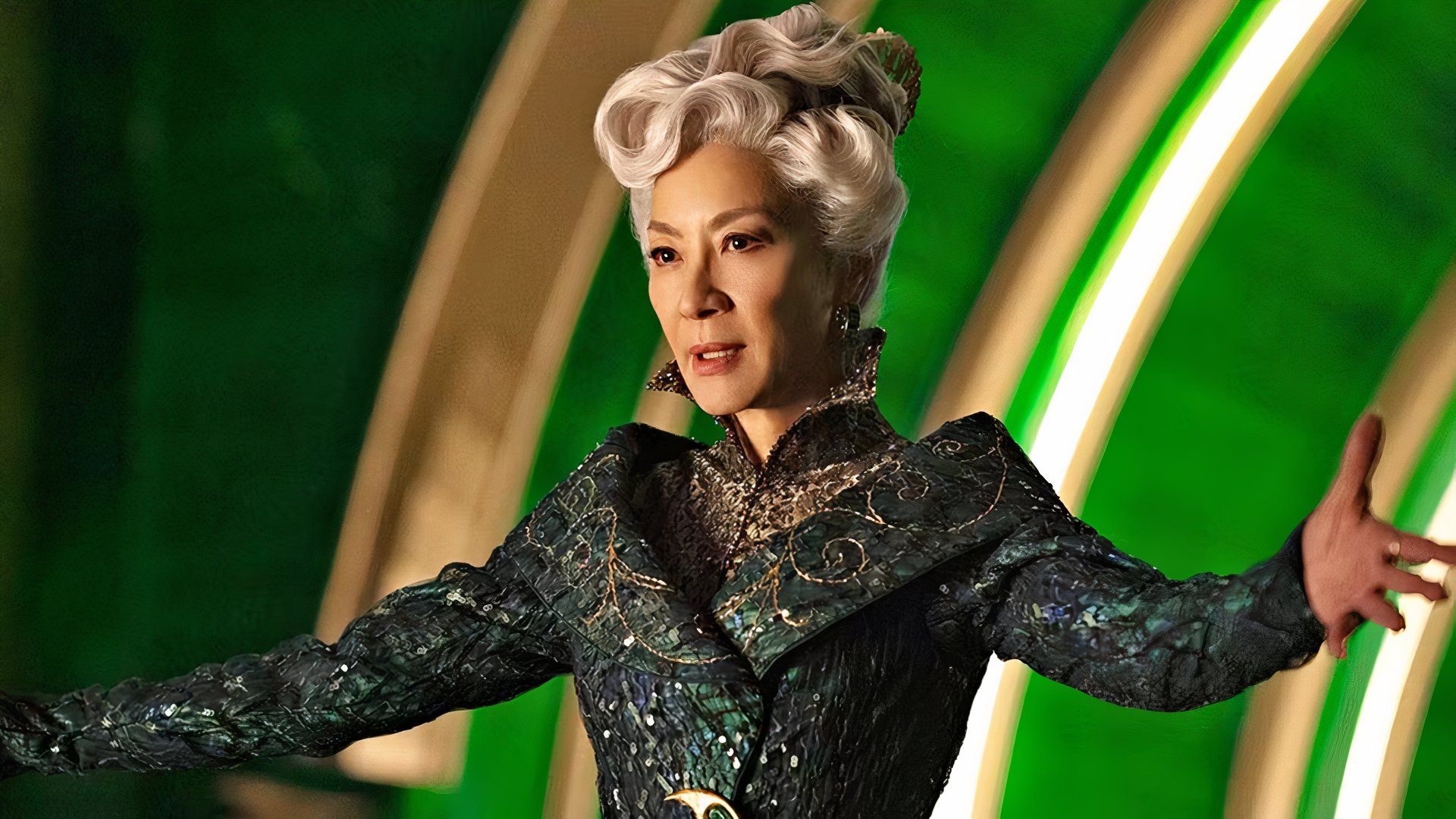
Movies have more freedom to show things that plays usually have to tell through dialogue. For example, the song “Thank Goodness” in the film version is actually broken into two parts – “Every Day More Wicked” and “Thank Goodness / I Couldn’t Be Happier.” The filmmakers use quick cuts, memories, and references to earlier songs to help the audience understand what’s happening.
A verse sung by the character Morrible, which portrayed Elphaba as a spiteful and hidden “wicked witch,” was cut from the song “Thank Goodness.” Although many believe this change happened because Michelle Yeoh felt unsure about singing, it also helps the movie flow better and avoids having the story depend too much on a deliberately misleading account of how Glinda gained power. This shift in focus moves the story away from the government’s attempts to demonize Elphaba and instead centers on Glinda’s personal feelings and development.
4
Elphaba Also Screams Fiyero’s Name at the Beginning of “No Good Deed”
Universal Pictures
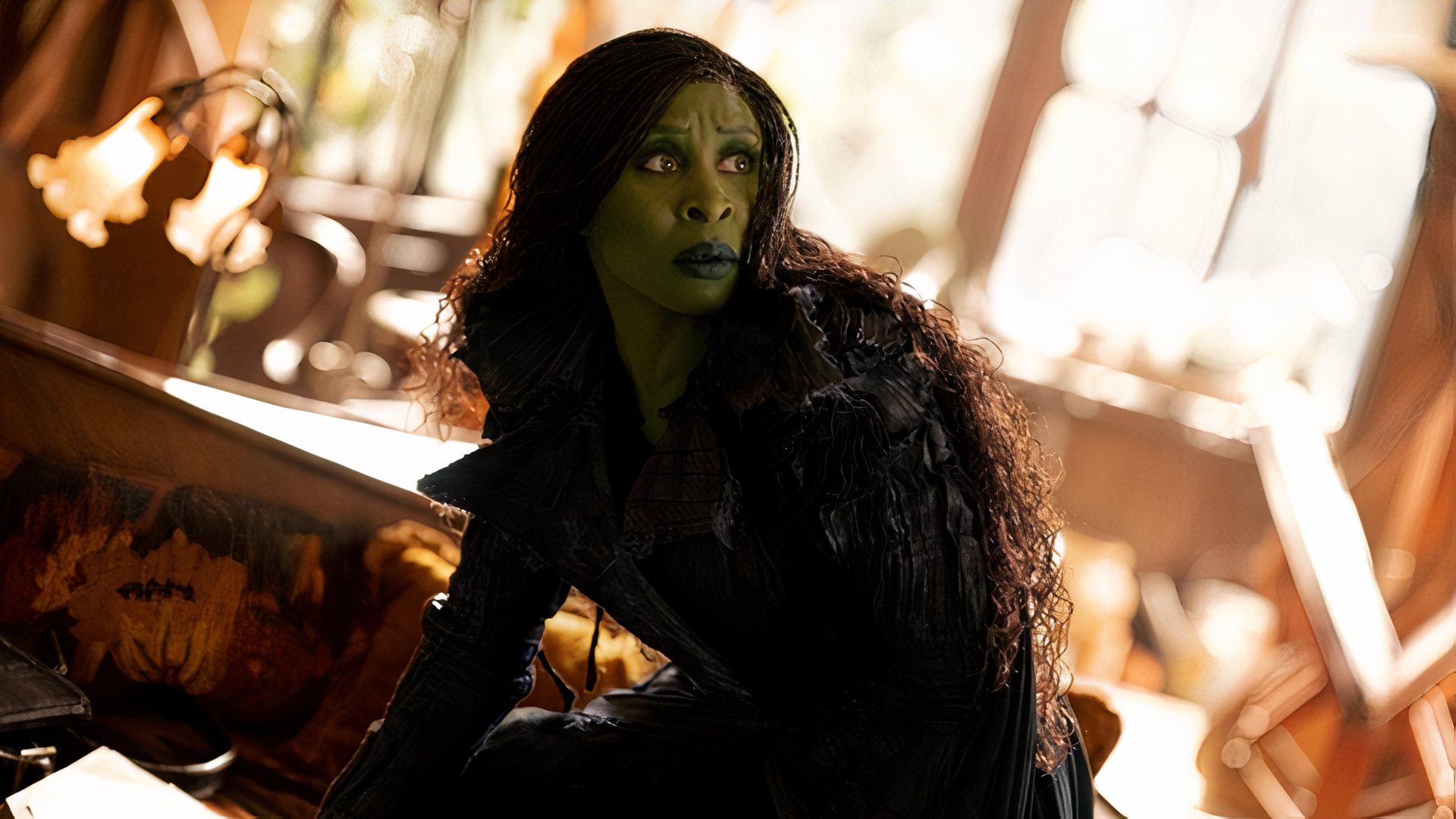
A particularly powerful moment in the musical happens at the start of the song “No Good Deed.” Elphaba cries out Fiyero’s name, and Glinda immediately joins her in a desperate yell. This creates a jarring musical effect that emphasizes their heartbreak as Fiyero is taken prisoner by the Wizard’s guards.
Although a few dedicated fans were disappointed by this change, it probably happened to match some small story differences in the film. At this moment, Elphaba wasn’t shown on screen; she was busy attempting a risky and difficult spell to rescue Fiyero from the guards. Because of this, she doesn’t react as visibly as Glinda, who cries out his name immediately after seeing him captured, right before the scene shifts to Elphaba’s song.
3
Nessarose’s Walking Arc
Universal Pictures
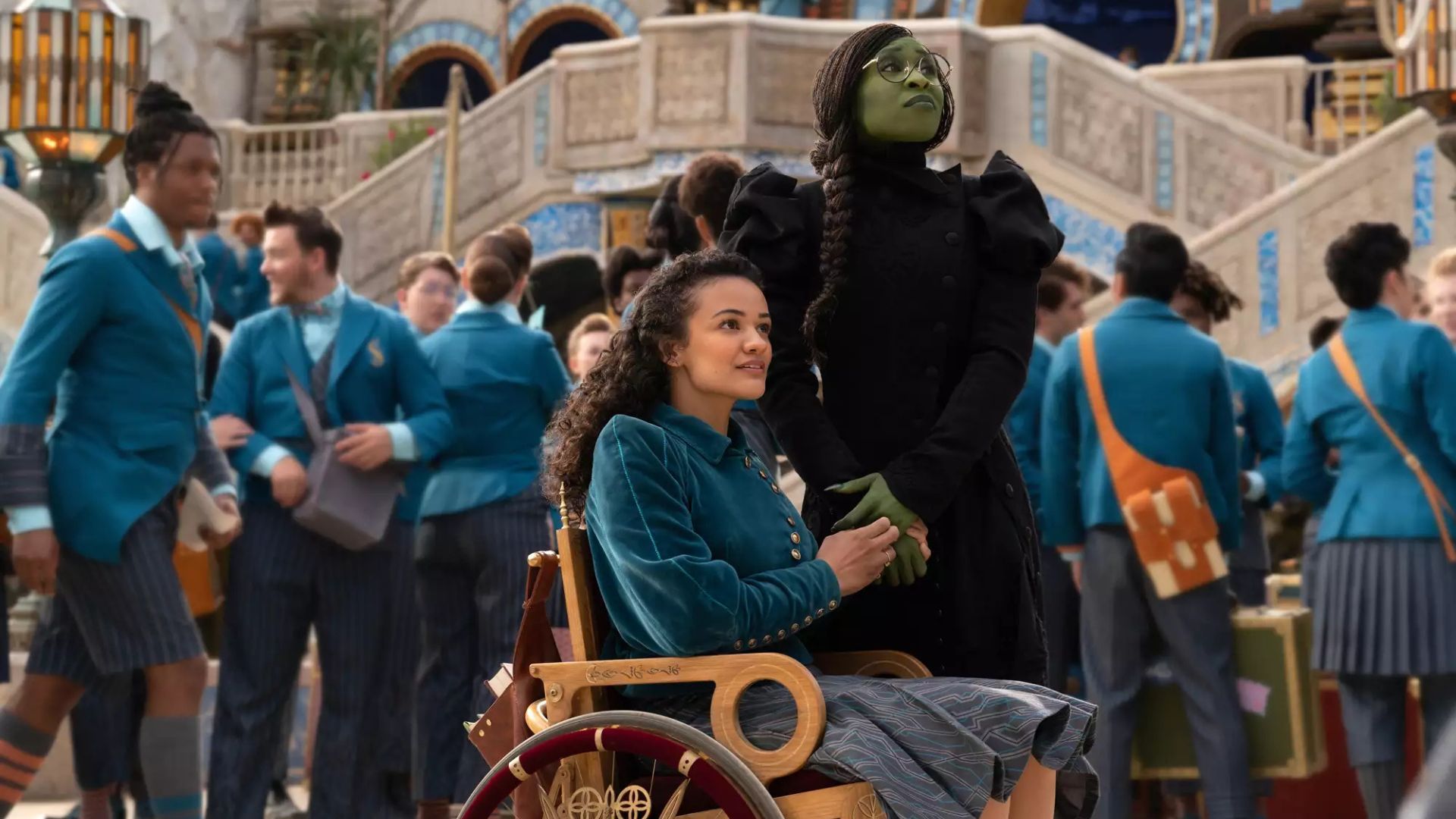
One of the most noticeable changes in this production is the removal of Nessarose, or Nessa, Thropp’s storyline about learning to walk. In the original musical, Nessa is a bright and beautiful young woman with a physical disability who dreams of being able to walk. Her sister, Elphaba, eventually makes this dream come true by magically enchanting a pair of jeweled shoes.
Marissa Bode, who uses a wheelchair due to a car accident at age 11 that caused paralysis, plays Nessa in the film. Her performance in Wicked was a breakout role, earning her recognition for her powerful singing and engaging personality. However, the filmmakers made a conscious decision to move away from focusing on Nessa’s wish to walk, believing that storyline felt insensitive and old-fashioned.
After listening to people with disabilities, the creators realized simply giving a character the ability to walk wouldn’t truly address their deeper needs. They decided Nessa’s main goal should be finding love, which was fueled by her feelings for Boq. Elphaba understood that the most powerful feeling was similar to the freedom of ‘defying gravity,’ and so she gave Nessa the power to fly.
2
Madame Morrible Is the One Who States That Elphaba Is a “Child of Both Worlds”
Universal Pictures
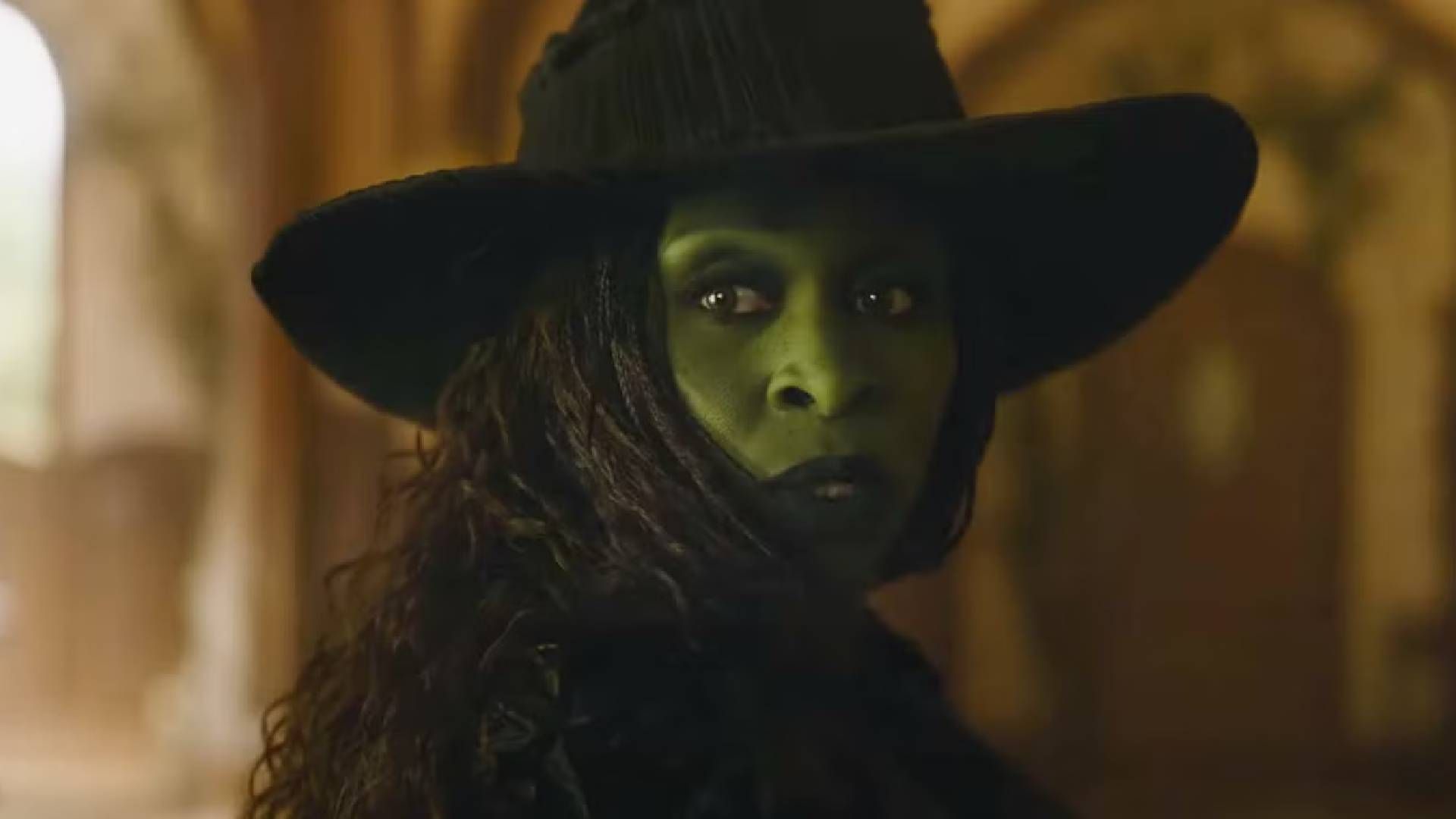
Elphaba is called a “child of both worlds” because her mother is from Oz and her father is the Wizard from our world. In the musical, Madame Morrible figures this out and uses the phrase to explain Elphaba’s powerful magic. The movie makes a slight change: Glinda is the one who reveals this to the Wizard, explaining he is Elphaba’s father. This small difference adds emotional depth to Glinda’s story, making the revelation a significant moment for her character.
1
A Few Overtly Political Jokes
Universal Pictures
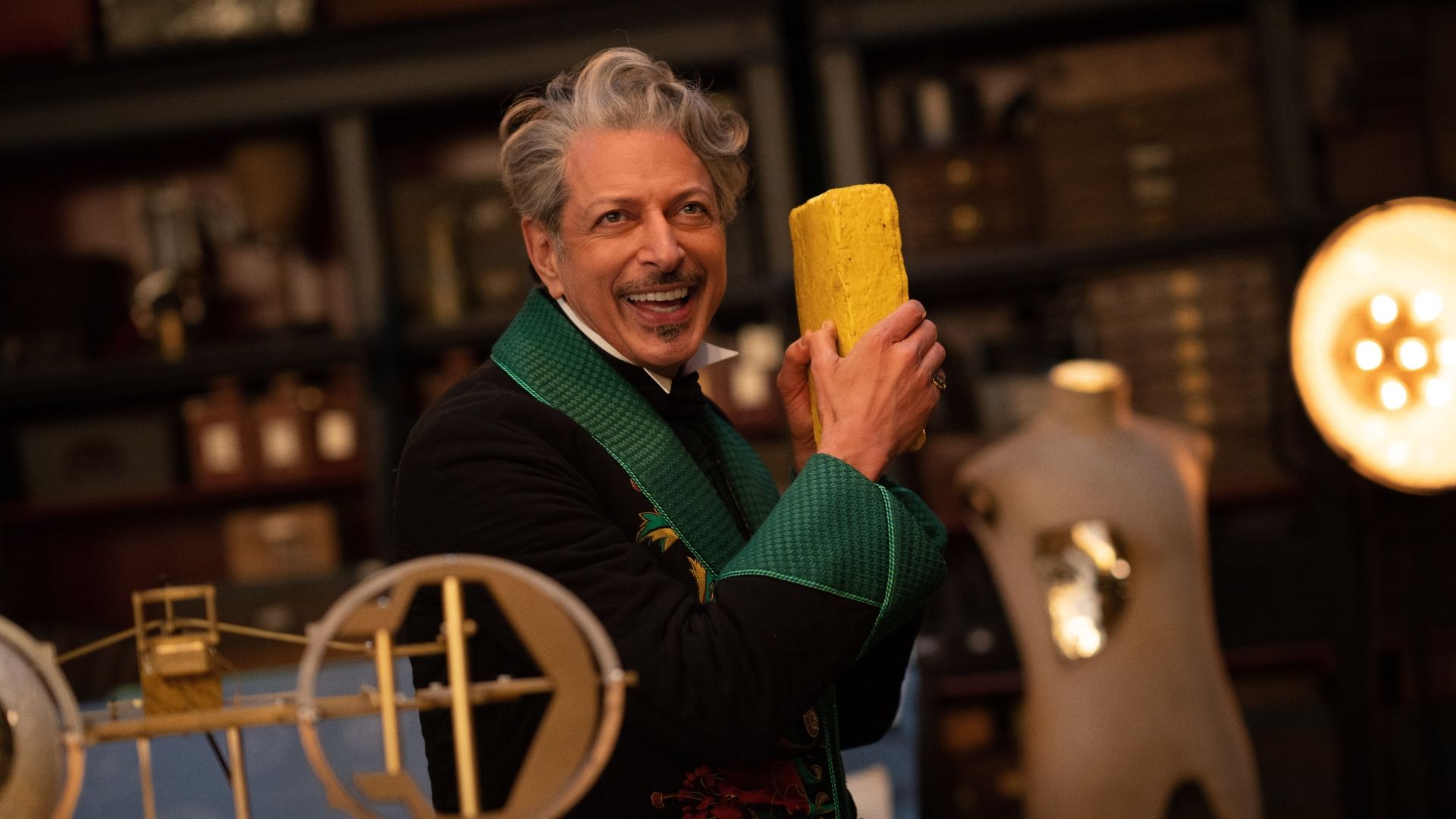
The live stage version of the show first appeared in 2003, a time of significant political discussion in the U.S. Some jokes that didn’t make it into the movie versions were included to reflect the current events. For instance, when Nessa becomes governor of Munchkinland, she jokes about being an “unelected official” when explaining why she can’t hide someone. This was a clear nod to the frequent criticism of President George W. Bush after the close 2000 election against Al Gore, particularly the disputes over the vote count in Florida.
The original stage production included a timely joke where Glinda refers to Dorothy’s house landing on Nessa as a “regime change.” This was a common phrase used to support the Iraq War during the Bush years, making the line a sly commentary on American foreign policy. While the movie versions removed these jokes that feel dated now, the films still offer a powerful political message. The story’s focus on how perception differs from reality feels especially relevant in today’s political world.
Read More
- Why is Tech Jacket gender-swapped in Invincible season 4 and who voices her?
- Welcome to Demon School! Iruma-kun season 4 release schedule: When are new episodes on Crunchyroll?
- Sydney Sweeney’s The Housemaid 2 Sets Streaming Release Date
- Highly Anticipated Strategy RPG Finally Sets Release Date (And It’s Soon)
- The Super Mario Galaxy Movie: 50 Easter Eggs, References & Major Cameos Explained
- Dune 3 Gets the Huge Update Fans Have Been Waiting For
- TV legend Carol Kirkwood reveals the reasons why she decided to retire after 28 years with BBC
- Who Wants to Be a Millionaire? confirms contestant wins full £1 million prize pot on Jeremy Clarkson quiz
- How Blake Lively & Ryan Reynolds’ Kids Pranked Her on April Fool’s Day
- Sesame Street Slams “Disgusting” Posts on Elmo’s Account After Hack
2025-12-05 21:39