Akira Toriyama’s Dragon Ball is considered a hugely influential and popular anime, often credited with shaping the genre as we know it. The story of Goku first appeared in anime form in 1986 and continues to be enjoyed today. Despite its success, Dragon Ball has occasionally puzzled even dedicated fans with inconsistencies in its established story and timeline.
If you’re familiar with the Dragon Ball series – including Dragon Ball Z and Dragon Ball Super – you’ve probably noticed some confusing moments. We’ve compiled a list of the seven biggest plot holes and inconsistencies in the main Dragon Ball storyline. It’s a relief we didn’t include the non-official content like Dragon Ball GT and Dragon Ball Heroes, or the list would have been much, much longer!
7) The Super Saiyan God Process
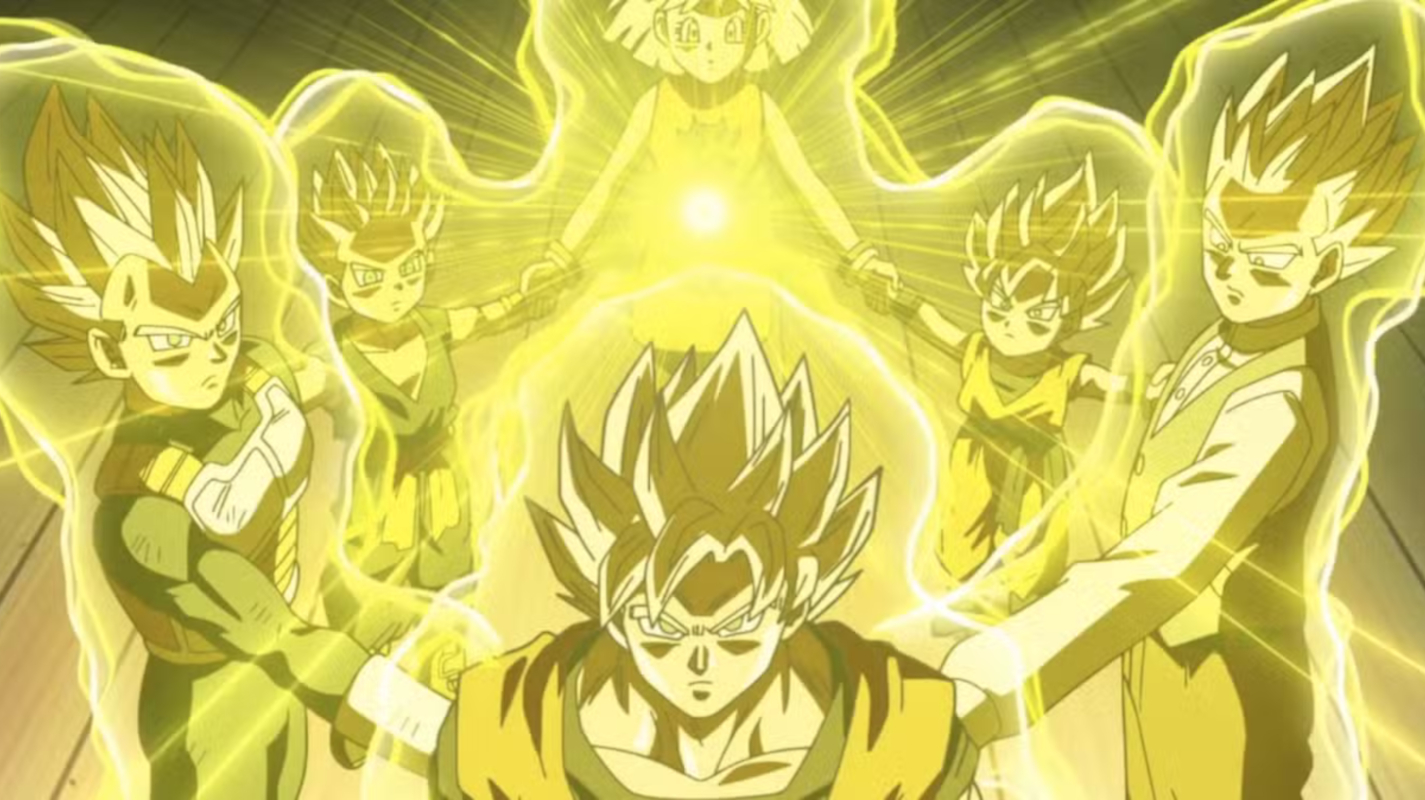
When Dragon Ball Super first showed us the Super Saiyan God, I was blown away! It felt like such a huge step forward for the whole Super Saiyan idea. The movie Dragon Ball Z: Battle of Gods explained that becoming a Super Saiyan God wasn’t easy – it needed five good-hearted Saiyans to already be Super Saiyans and then share their energy with a sixth Saiyan. Basically, they had to pour their hearts into this one person, boosting them to incredible, god-like power! And it looked amazing – instead of the usual golden Super Saiyan color, this transformation gave you bright red hair and eyes. It was a totally different vibe!
Initially, Super Saiyan God (SSG) felt like a powerful and meaningful transformation, rooted in the history and myths of the Saiyans. However, after the Battle of the Gods, it quickly became just another differently-colored power-up. When Vegeta mastered the form without performing the required ritual, it diminished the transformation’s original importance and the story’s underlying themes. The history of Super Saiyan God remains unclear, and this change in how the transformation worked unfortunately started a pattern in Dragon Ball Super of relying on new, colorful forms with weak explanations.
6) Golden Frieza
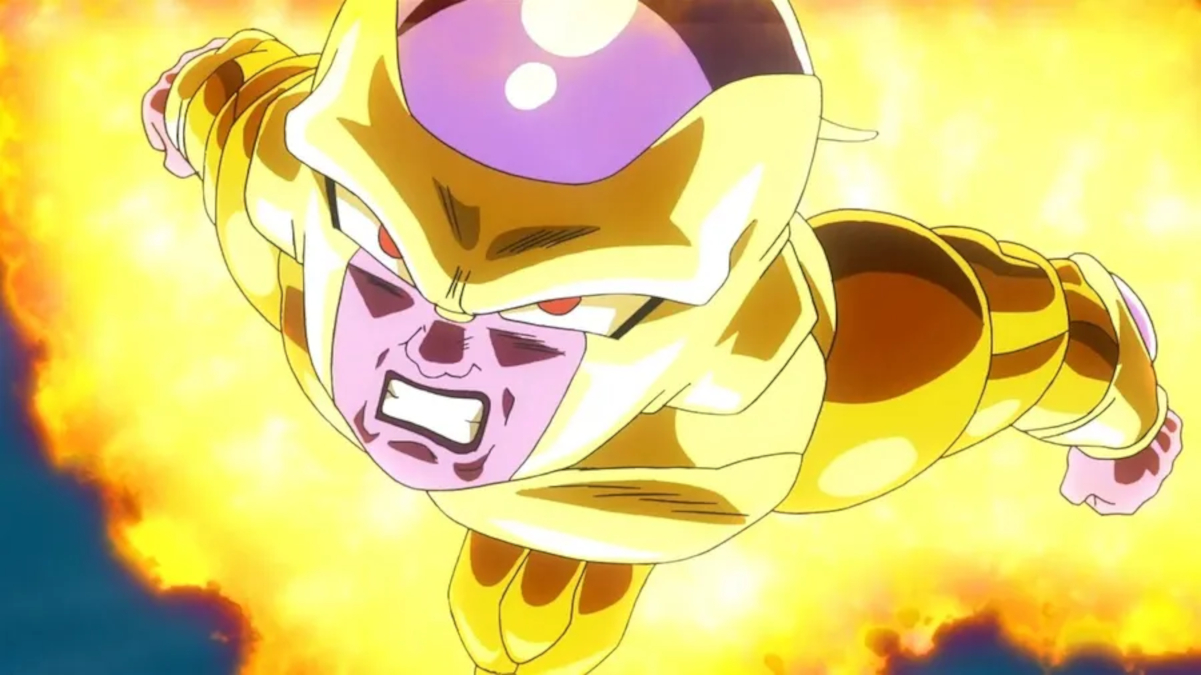
Right after Super Saiyan God comes Golden Frieza. He unlocked this powerful form in the “Resurrection ‘F” storyline, which followed the “Battle of the Gods” arc in Dragon Ball Super. Many fans find Golden Frieza frustrating because of how he achieved it: Frieza claims he reached this level by training for the very first time.
Frieza, after being repeatedly defeated by Goku, surprisingly acknowledged Goku’s greater strength. But instead of accepting this, it fueled an even stronger obsession to become more powerful than Goku. It’s strange to think Frieza wouldn’t train, considering his natural talent and history of conquering worlds and fighting strong opponents would have already given him plenty of experience and made him familiar with improving his power. While Frieza always seemed invincible due to his arrogance and strength, Goku was the first to truly challenge him. Ultimately, Golden Frieza’s power boost seems less about character development and more about maintaining a similar power level to the original Dragon Ball Z series in Dragon Ball Super.
5) Potara Fusion Rules
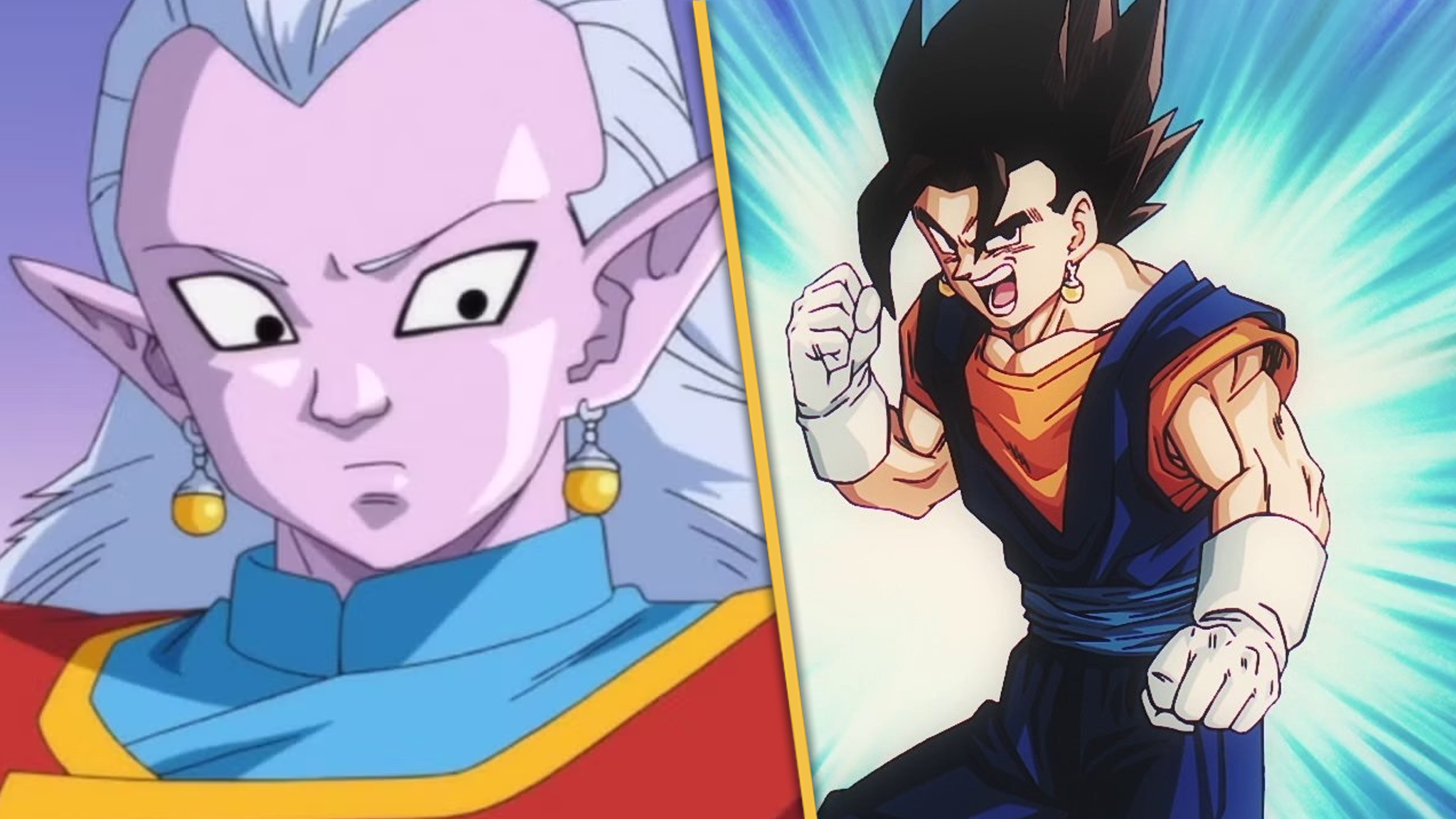
In Dragon Ball Z, the Potara earrings are shown as a powerful way for two people to fuse into one. Unlike the Fusion Dance that Goku and Vegeta learn to become Gogeta, Potara fusions have a key limitation: when two Supreme Kais use them, the fusion is permanent. However, for anyone else, the fusion only lasts for about an hour.
A key element of the “Majin Buu Saga” in Dragon Ball Z was the introduction of the Potara earrings, which allowed characters to fuse into more powerful beings like Vegito. When the earrings were first shown, Supreme Kai Shin and his assistant Kibito accidentally fused permanently, becoming Kibito Kai. However, this supposed permanence turned out to be untrue. Many fans missed the detail that Shin and Kibito later used the Namekian Dragon Balls to separate. This raises a question: if the Dragon Balls could undo a Potara fusion all along, what was the point of establishing it as a permanent state? The creators of Dragon Ball seem aware of this inconsistency, as the Dragon Ball Super manga later introduced a technique called “Spirit Fission” which can separate any fusion, effectively resolving the plot hole.
4) The Saga of Bardock

Bardock’s story is substantial enough to warrant its own article. He’s Goku’s father and originally appeared in the 1990 TV movie Bardock: The Father of Goku, which wasn’t considered part of the official Dragon Ball Z storyline. However, Bardock has since been integrated into the official canon through the manga, anime series, and the recent Dragon Ball Super movie, Broly. He also played a key role in a major story arc in the DBS manga, titled “Granolah the Survivor.”
Bardock’s history has been revised multiple times, leading to several changes to the established storyline. Initially, he was portrayed as a loyal soldier under Frieza who fought and died trying to save his home planet after learning of Frieza’s plan to destroy it. He had no personal connection to Goku other than ordering him to wipe out Earth. However, the series Dragon Ball Super significantly altered this backstory. It now depicts Bardock as more of a heroic figure. Specifically, Dragon Ball Super: Broly revealed him to be a caring husband and father who, along with his wife Gine, sent Goku to Earth to protect him, believing Earth’s inhabitants posed no danger. Bardock simultaneously investigated Frieza’s sinister scheme.
The Dragon Ball Super manga showed us more about Bardock’s past, including battles with the Heeters, rescuing a Namekian, and discovering the Dragon Balls. He even used the Dragon Balls to wish for good fortune for his sons, despite Raditz turning evil and Goku facing death a few times. Now, Bardock deserves his own story arc or series to fully explore these events.
3) Dragon Balls Cooldown
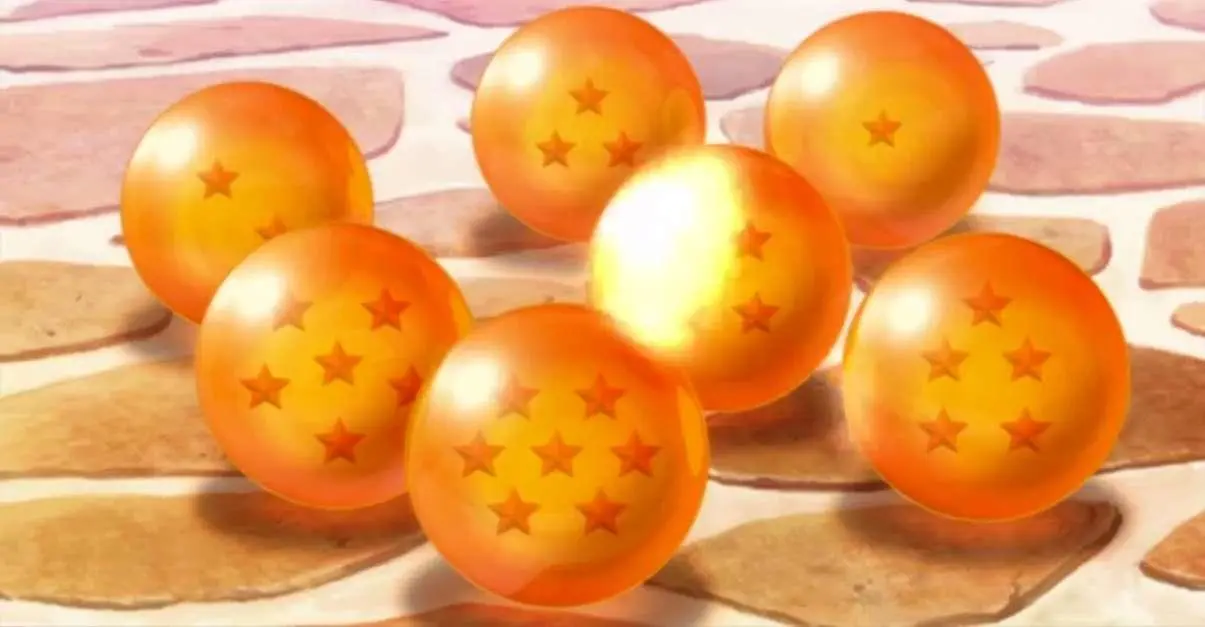
The Dragon Balls, central to the story, were once the main goal for the characters. They were scattered across the world, often hidden in difficult-to-find locations, and could only grant one wish before disappearing for another year. In the beginning, Dragon Ball consistently used this setup to build suspense around what could be healed or restored.
It’s become clear that Dragon Ball has largely ignored its original limitations on using the Dragon Balls. Both DBZ and DBS significantly reduced the waiting time between uses to just months, or even weeks. Plus, series like GT and Daima have added completely new Dragon Balls, each with its own unique rules, power levels, and restrictions.
2) Saiyans In Space
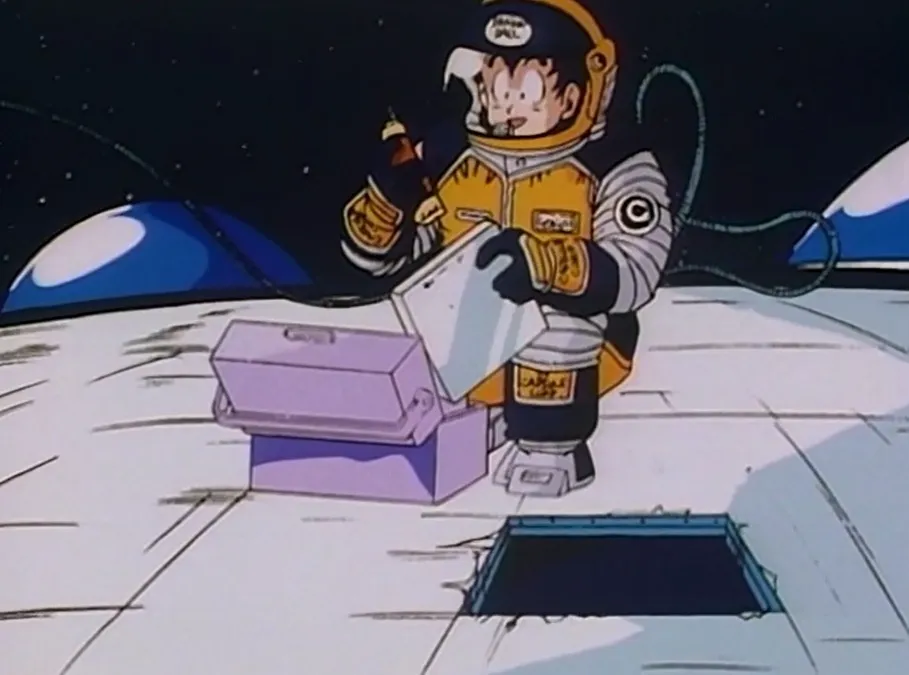
A major inconsistency exists between the original Dragon Ball story created by Akira Toriyama and how Toei Animation handles it in the anime and related merchandise. While Toriyama established that characters like Goku and Vegeta can’t breathe in space, Toei’s Dragon Ball Z series often shows them doing exactly that – breathing and talking freely in space in filler episodes and specials like Bardock – Father of Goku, where Saiyans fight without spacesuits.
The movie Dragon Ball Super: Broly changed the way Bardock died, making it happen in space, which is a good correction. However, the older scenes from Dragon Ball Z now seem noticeably different in comparison.
1) Dragon Ball Offensives
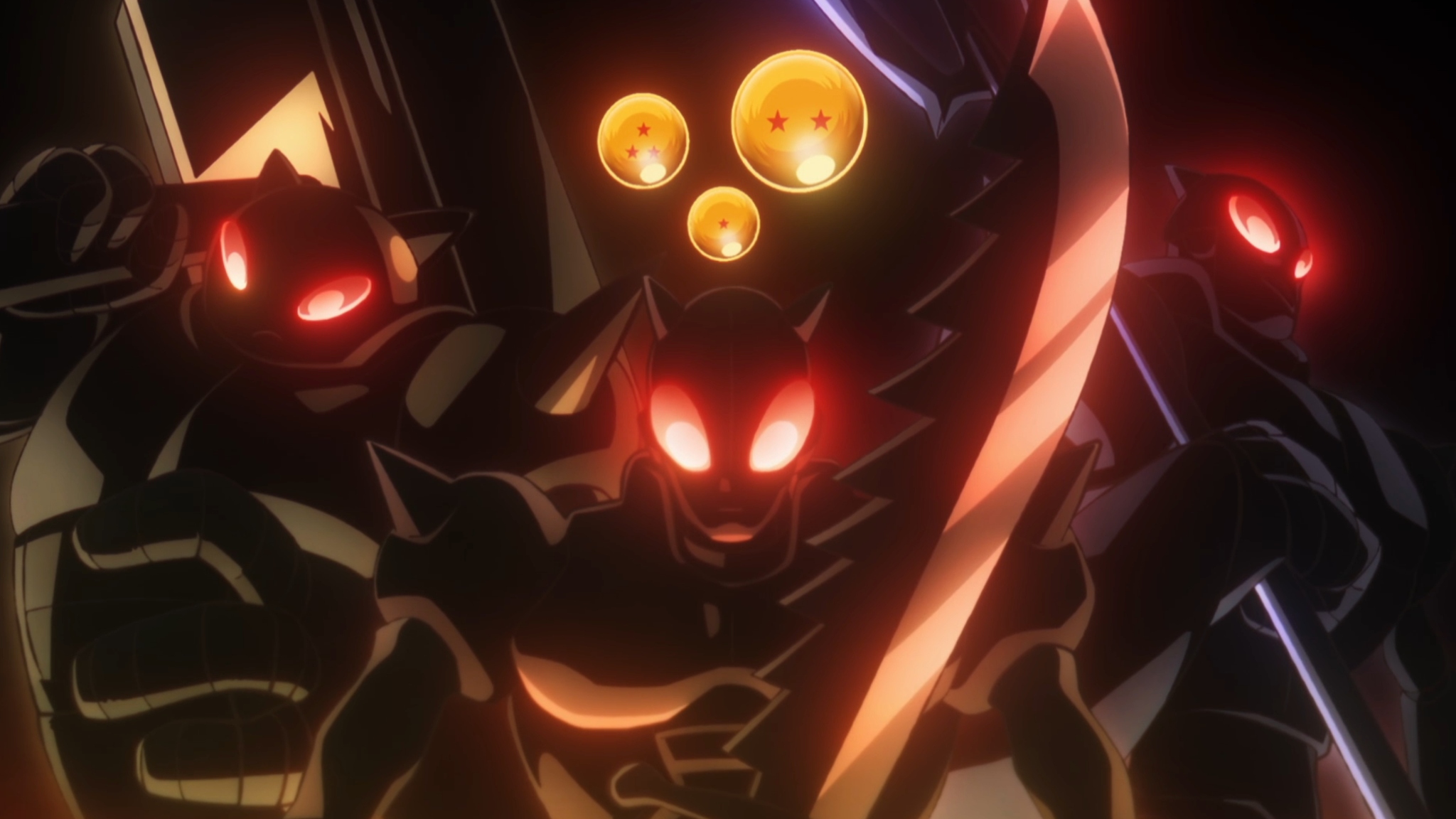
Most Dragon Ball fans have probably wondered at some point: why don’t the heroes just use the Dragon Balls to stop the villains? While there are limitations to using the Dragon Balls, the Z-Fighters could potentially overcome many threats with a bit of clever thinking. They could have stranded Vegeta and Nappa on another planet, prevented the creation of the androids and Cell, or even shrunk Frieza – the possibilities are endless!
As more Dragon Balls have appeared in the story, it’s become harder to explain why the heroes only use them when they’re in a bind. It’s strange because the villains always seem to quickly grasp how powerful the Dragon Balls are and use them aggressively, while the heroes are slow to recognize their offensive potential.
Read More
- The Super Mario Galaxy Movie: 50 Easter Eggs, References & Major Cameos Explained
- All 13 Smash Bros. Characters in the Super Mario Galaxy Movie
- 10 Best Free Games on Steam in 2026, Ranked
- TV legend Carol Kirkwood reveals the reasons why she decided to retire after 28 years with BBC
- Highly Anticipated Strategy RPG Finally Sets Release Date (And It’s Soon)
- Welcome to Demon School! Iruma-kun season 4 release schedule: When are new episodes on Crunchyroll?
- Sydney Sweeney’s The Housemaid 2 Sets Streaming Release Date
- Dune 3 Gets the Huge Update Fans Have Been Waiting For
- Control Resonant’s Hiss and Mold Are “Way More Complex” Than Before (and More Aggressive)
- Why is Tech Jacket gender-swapped in Invincible season 4 and who voices her?
2025-12-05 22:20