
Twenty-five years ago, Electronic Arts (EA) released its first game aimed at mature audiences, and it likely would have been even more popular if it came out now. EA has been a significant force in gaming since 1983, when it first started publishing games. Over the years, the company has become known for a wide variety of game franchises and styles.
A particularly distinctive game was released on December 5, 2000, marking the first time the publisher had received an M-rating due to its frightening content and intense action. The game offered a dark and Gothic reimagining of a well-known story and its famous characters. Though it became a cult favorite upon release, this mature-themed title from EA would likely have been a major success with today’s gamers.
American McGee’s Alice Was An Outlier For EA Games
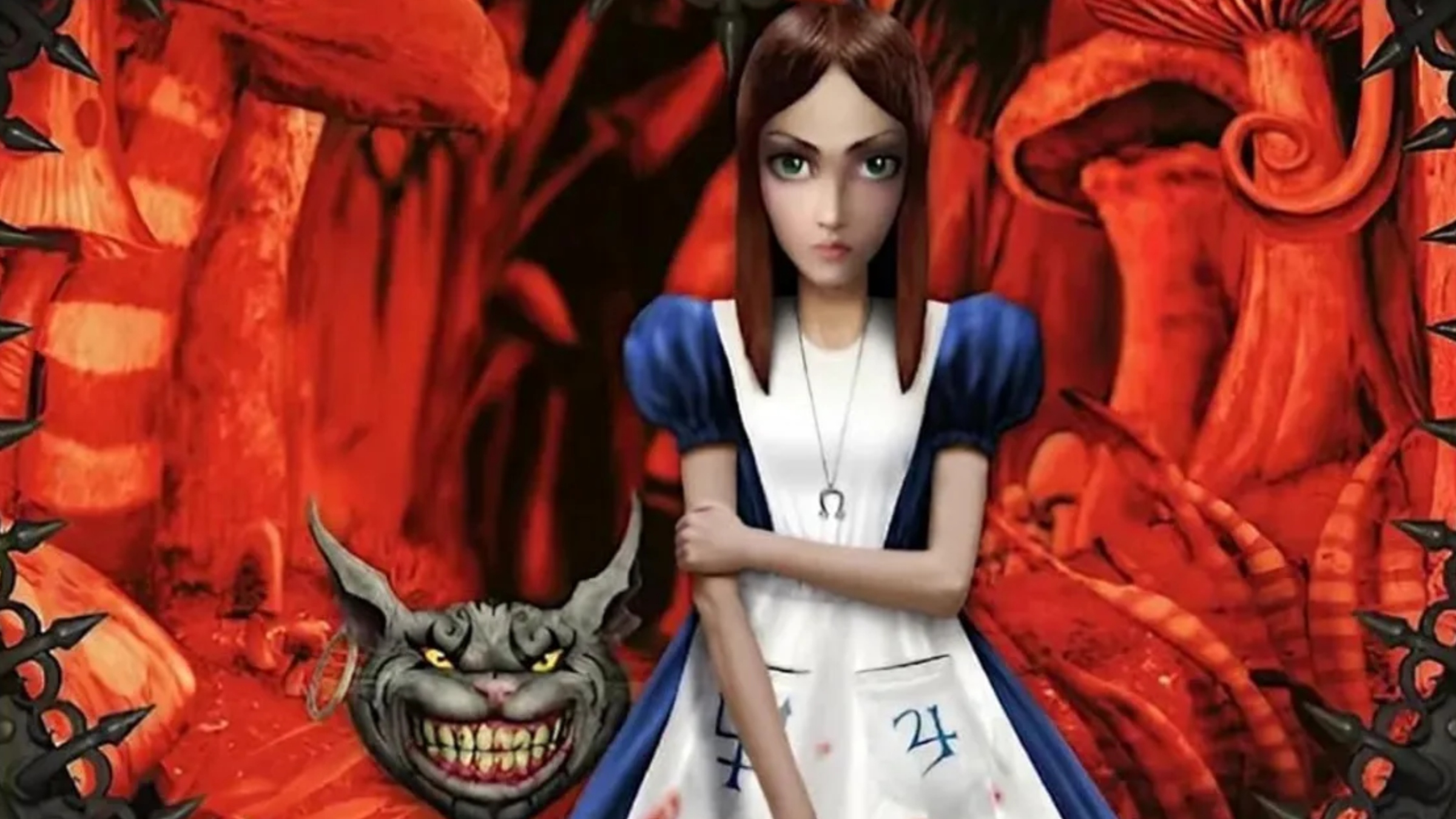
Released 25 years ago, American McGee’s Alice was a unique and imaginative take on the classic Alice in Wonderland story. It feels particularly relevant today. Created by American McGee, the game stemmed from a desire to move away from the typical action games filled with soldiers and shooting he’d worked on previously at id Software. He wanted a fresh perspective, and after several attempts, he landed on a dark, Gothic style for the reimagined world of Alice in Wonderland.
The game’s creators emphasized the darker, more frightening aspects of the Wonderland story, crafting a world that felt both beautiful and terrifying. When Electronic Arts released the game, it received a mature rating due to its intense violence and frightening content. While this may have limited sales, the developer, American McGee, was pleased with the rating, believing it would prevent parents from mistakenly buying the game for younger children. American McGee’s Alice tells the story of Alice, who is the sole survivor of a family fire after returning from her first adventure in Wonderland. Years spent in a mental institution lead to her being pulled back into a Wonderland that has become even more warped and frightening under the growing power of the monstrous Queen of Hearts.
This action-adventure game feels familiar to others from the same time period, combining exploration, action, and puzzles. However, it distinguished itself with striking visuals, and critics especially praised its detailed and imaginative world. Though the core gameplay wasn’t groundbreaking, it provided a solid foundation for the game’s richly developed setting. The game offered a unique and often darker take on the characters of Alice and the residents of Wonderland, making them memorable and distinct.
American McGee’s Alice Was Ahead Of Its Time
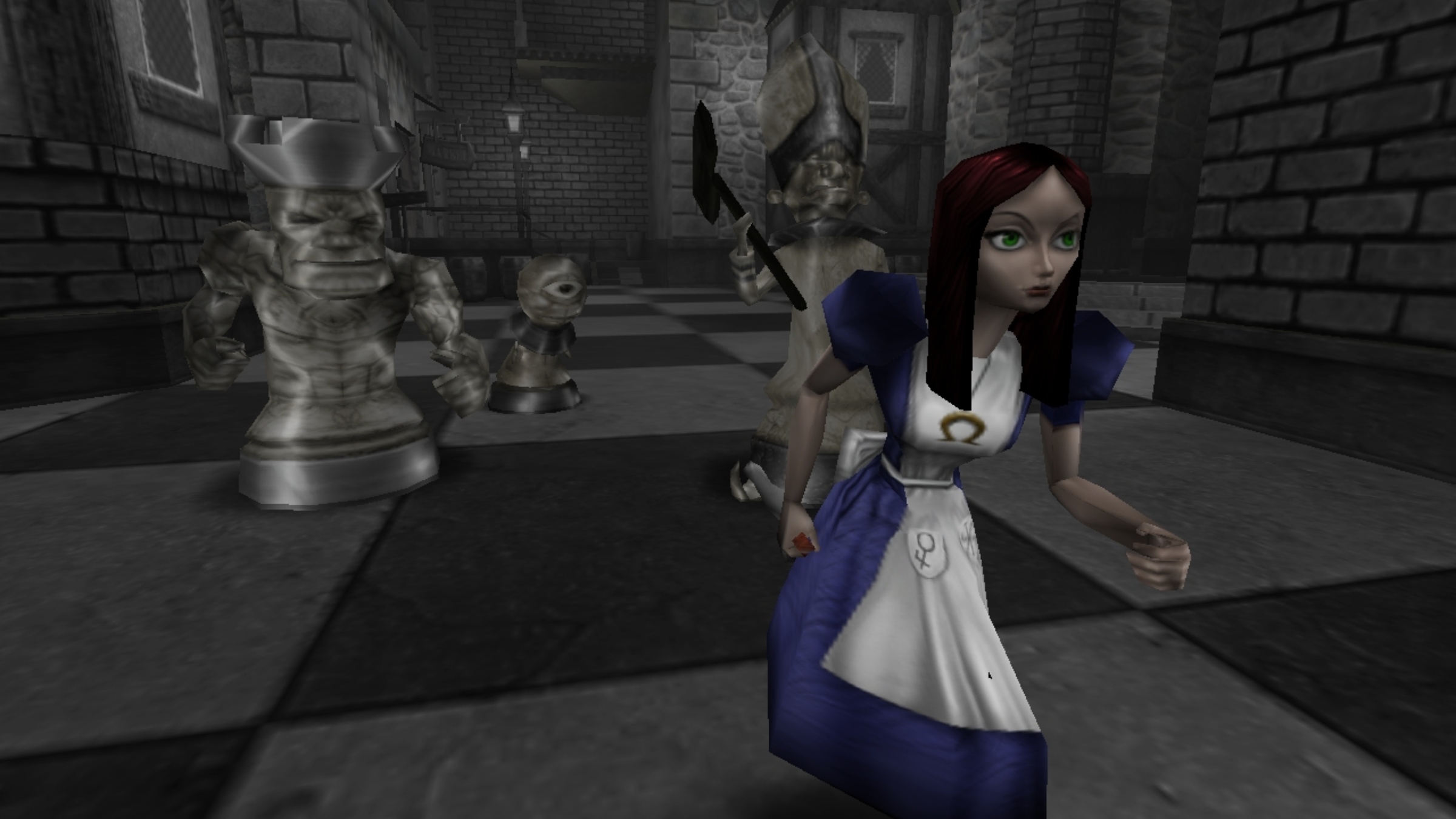
Released in the late 90s, American McGee’s Alice was a dark and imaginative adventure game that shared a similar style to the work of Tim Burton. Though not a huge commercial hit for EA initially, it gained a dedicated fanbase and eventually sold over 1.5 million copies. Its unique art and story attracted interest in a potential movie adaptation, and even horror director Wes Craven (known for Nightmare on Elm Street and Scream) was involved for a time. Ultimately, a film never happened, and the game’s only direct sequel was Alice: Madness Returns, released in 2011.
It’s easy to see how much more popular American McGee’s Alice might have been today. Over the years, we’ve become much more accepting of darker takes on familiar stories and characters. Games like God of War have shown us brutal versions of mythology, and titles like Lies of P have put a dark spin on classic tales like Pinocchio. With recent movies like Wicked and shows like Wednesday successfully exploring the darker sides of well-known stories, American McGee’s Alice could have really resonated with audiences now.
I still remember when American McGee’s Alice first came out – it was so different and visually striking! Looking back, it’s amazing to think that it helped Disney’s Alice in Wonderland become a billion-dollar franchise just a decade later. While the game looked fantastic for its time, I can’t help but wonder how incredible it would be with today’s graphics. Honestly, I think the game’s themes – dealing with mental health and what’s real – could have been explored even more deeply, especially given how much more openly we talk about those things now. It was a really fun game with a brilliantly twisted world, but it felt like it was holding back a little. Twenty-five years on, I often daydream about how truly amazing Alice could have been if it had the room to really breathe and the technology to fully realize its potential.
Read More
- Adam Levine Looks So Different After Shaving His Beard Off
- Trails in the Sky 2nd Chapter launches September 17
- After AI Controversy, Major Crunchyroll Anime Unveils Exciting Update
- PRAGMATA ‘Eight’ trailer
- Hulu Just Added One of the Most Quotable Movies Ever Made (But It’s Sequel Is Impossible To Stream)
- Dragon Quest Smash/Grow launches April 21
- Xbox Game Pass Users “Blown Away” by New Exclusive Game
- How Could We Forget About SOL Shogunate, the PS5 Action RPG About Samurai on the Moon?
- Dialoop coming to Switch on June 17
- Why is Tech Jacket gender-swapped in Invincible season 4 and who voices her?
2025-12-06 23:46