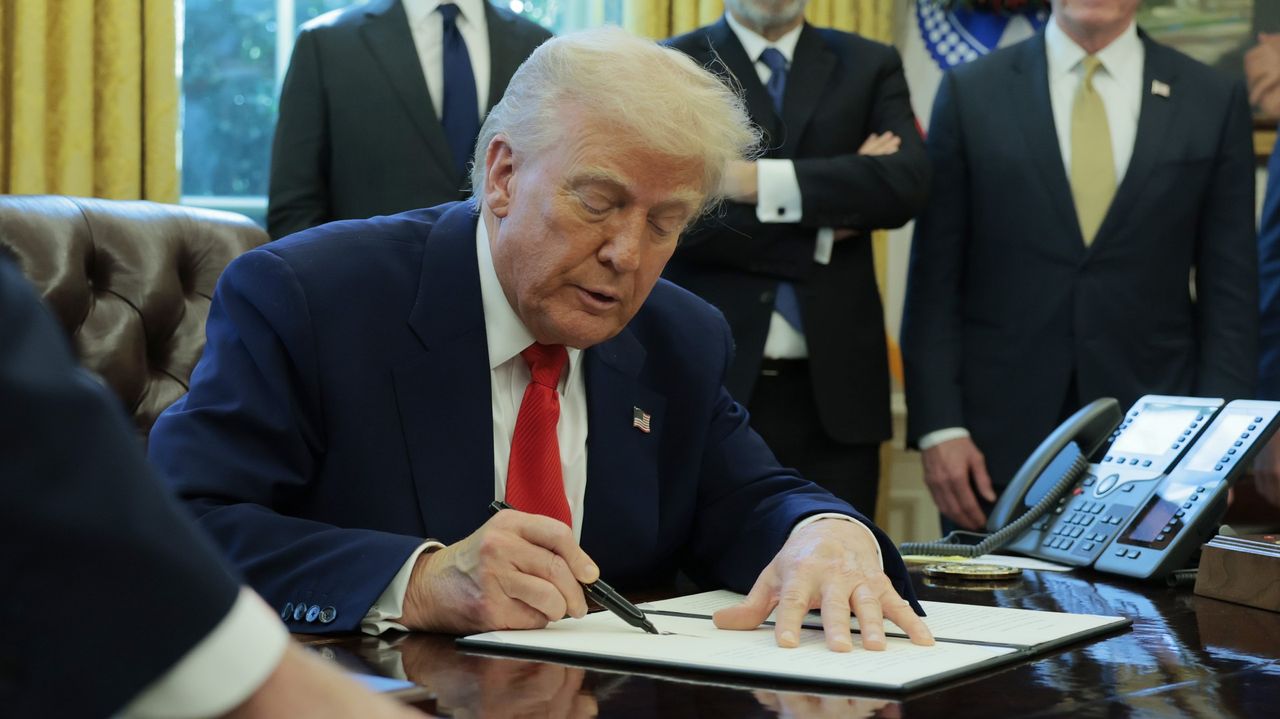
Artificial intelligence could soon be subject to new rules if President Trump follows through on a recent announcement. He stated he plans to issue an executive order this week that would stop states from creating their own AI regulations.
President Trump shared the following on Truth Social:
To maintain our leadership in artificial intelligence, we need a single, national standard. Currently, we’re ahead of all other countries, but that advantage will quickly disappear if each of the 50 states creates its own AI regulations and approval processes. It’s essential that we have a unified approach, or AI development will be stifled before it even begins. I’m issuing an Executive Order to establish a single set of rules. It’s unrealistic to expect companies to navigate 50 different approval systems for every AI project – it simply won’t be sustainable.
As a tech enthusiast, I’ve been following the news about this executive order, and it sounds like a really big deal for AI. Basically, it’s designed to make things easier for companies developing new AI tools and ideas. Right now, they’re facing a ton of different rules depending on the state, which a lot of people believe is really hindering progress. This order aims to cut through all that red tape and speed things up.
Kevin Hassett, director of the National Economic Council, told CNBC that the President has already reviewed a nearly finished version of the executive order.
Some states are pushing for very strict rules and heavy fines for AI companies if they make mistakes, according to Hassett. The upcoming executive order aims to establish a single, national standard for how these companies are regulated in the US.
A previous attempt to stop states from creating AI regulations failed in July, as reported by CNN.
It’s not much to ask that this have at least the same level of safety standards as something like a carton of milk.
Microsoft President Brad Smith, February 2024
I’ve been following the debate around AI regulation, and it seems a lot of people think the current federal laws go too far in stopping states from making their own rules. Florida’s Governor Ron DeSantis actually mentioned this issue on X, talking about past attempts to block states from regulating AI.
Removing states’ ability to oversee AI development would unfairly benefit large tech companies and hinder their efforts to safeguard citizens. Specifically, it would leave states unable to address issues like the suppression of political viewpoints online, harmful apps targeting kids, copyright infringement, and the strain AI data centers place on essential resources like electricity and water.
Artificial intelligence is rapidly changing our world, both economically and culturally. Preventing people from using these technologies constructively through democratic control is an overstep by the federal government and allows tech companies to operate without sufficient oversight.
According to the Financial Times, Senator Josh Hawley of Missouri and Arkansas Governor Sarah Huckabee Sanders are also voicing opposition to the idea behind President Trump’s planned executive order.
Risks of AI
Artificial intelligence is being adopted more and more quickly, and some people are worried about the pace. While there’s a lot of discussion about potential future problems with AI – even extreme scenarios like the possible end of humanity – AI is already presenting real dangers today.
Earlier this year, a user allegedly received encouragement from ChatGPT to end their life. Now, OpenAI, the company behind ChatGPT, is being sued in connection with the death of 16-year-old Adam Raine.
According to reports, OpenAI scheduled a launch party for GPT-4o before they had even finished testing the model. This has raised worries among both users and lawmakers.
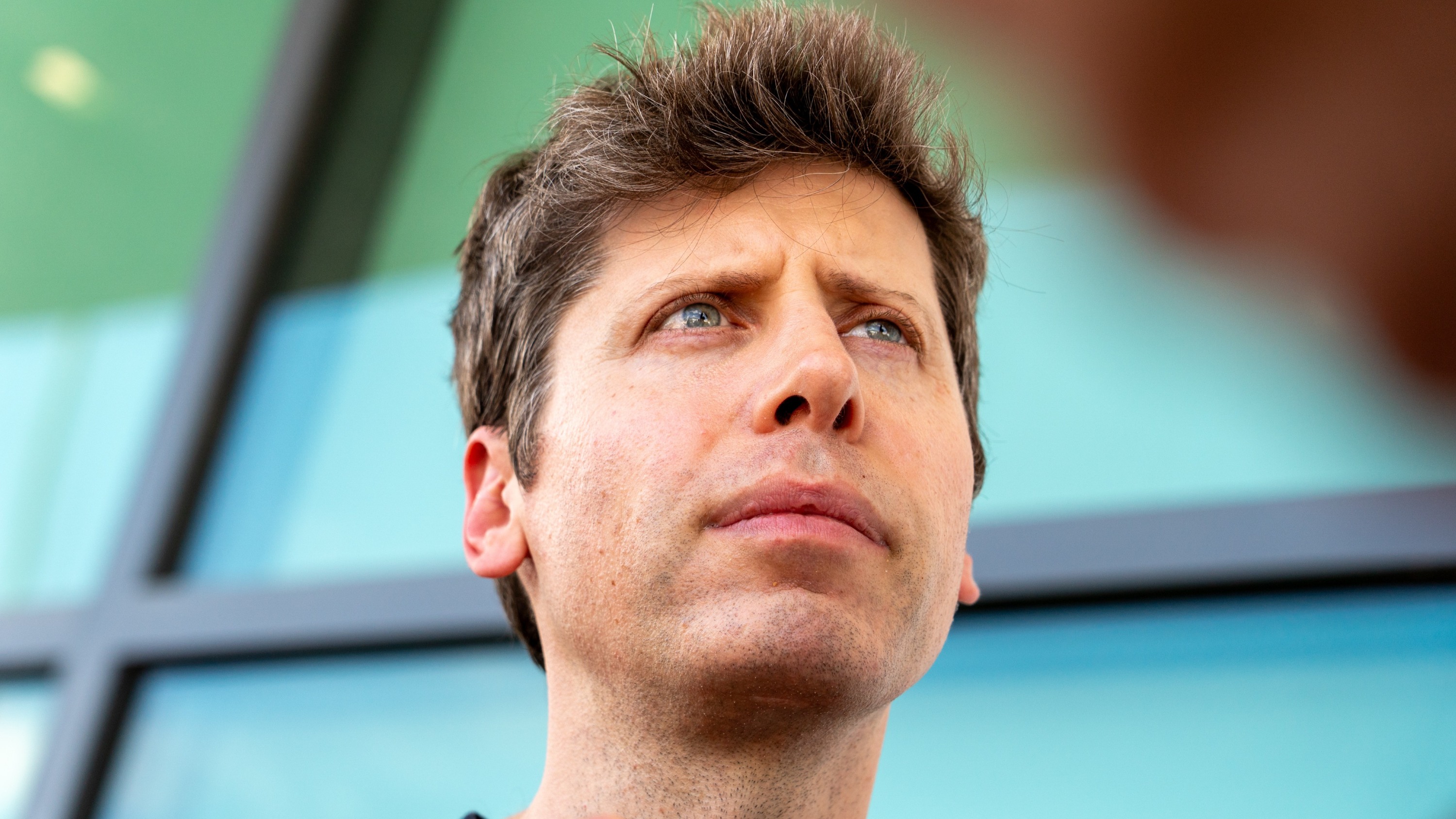
As a big follower of AI, I found Sam Altman’s recent comments really interesting. He suggested that AI should be regulated similarly to airplanes – meaning we need some serious oversight, and ideally, an international organization to handle it. It seems like he’s more focused on *that* we need rules, rather than saying exactly *which* countries or groups should be in charge of making them.
Altman has also worried that young people are becoming overly dependent on ChatGPT and that people in general might place too much faith in technology.
Brad Smith, President of Microsoft, believes AI should be regulated, arguing that as a potentially groundbreaking technology, it deserves at least as much safety oversight as everyday products like milk.
It’s still unclear exactly what form future AI regulations will take. They could be implemented strictly at the federal level, depending on President Trump’s next executive order.
Read More
- GBP CNY PREDICTION
- Mark Zuckerberg & Wife Priscilla Chan Make Surprise Debut at Met Gala
- Elon Musk’s Mom Maye Musk Shares Her Parenting Philosophy
- Forza Horizon 6 Car List So Far: Confirmed Highlights, Cover Cars, DLC, and Rewards
- 10 Greatest Manga Endings of All Time
- Elon Musk’s Ex Ashley St. Clair Reveals When Romance Became “Weird”
- 38 Years Later, Murder, She Wrote’s Most Overlooked Episode Still Pulls Off TV’s Greatest Crossover
- Hollow Knight: Silksong Guide – All 30 Lost Flea Locations
- 20 K-Dramas That Nailed the Perfect Ending
- A Major PlayStation Delisting Exposes a Sony Problem
2025-12-08 22:10