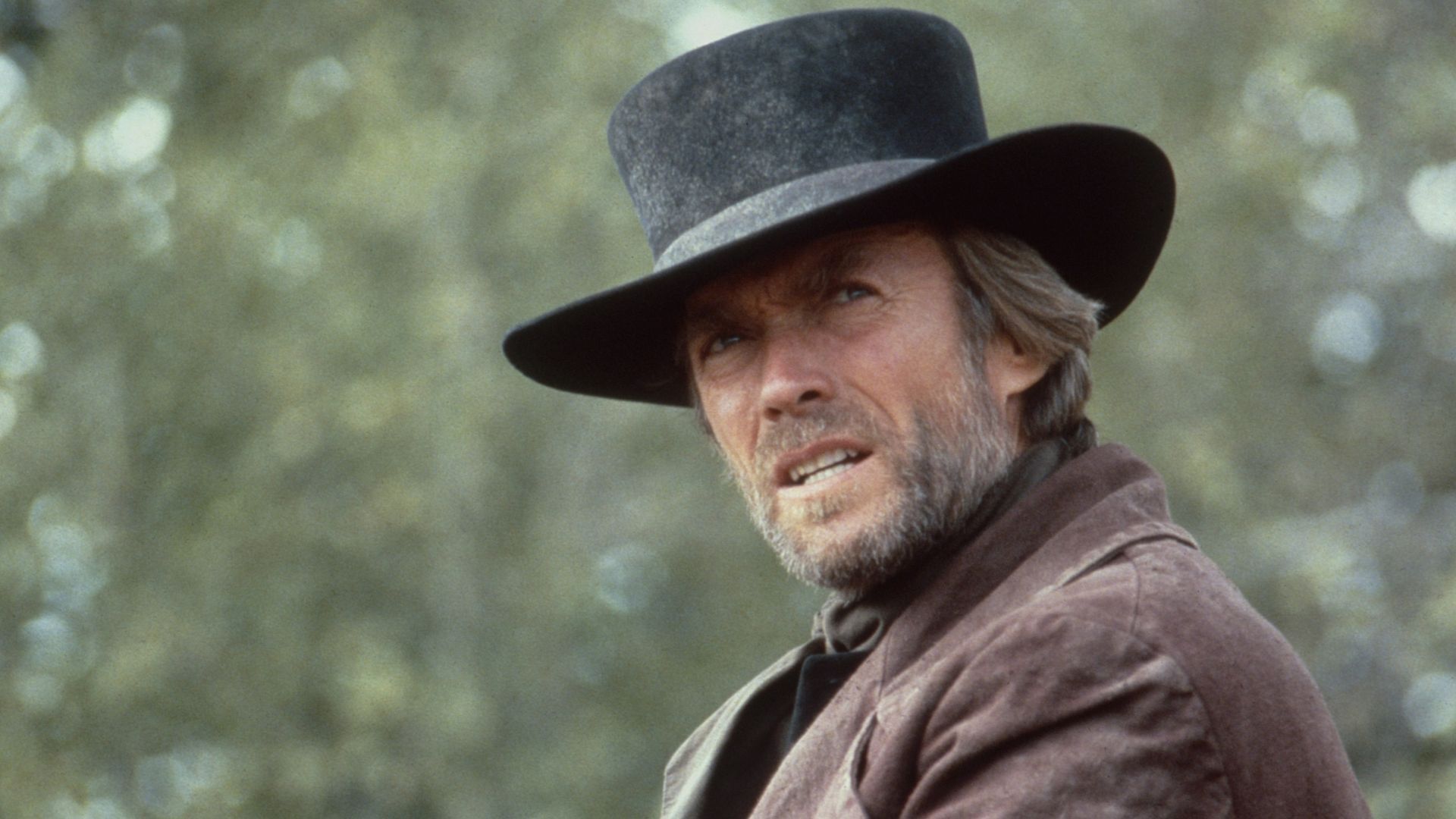
The most compelling antiheroes in Westerns are often richly developed characters who significantly improved the genre. Classic Westerns traditionally featured clear heroes and villains, and John Wayne perfectly embodied the traditional heroic role. However, the arrival of Clint Eastwood brought a new dynamic to the landscape.
Clint Eastwood disliked traditional, purely heroic characters and actively avoided playing them, even as he rose to fame as a leading star in Western films during the 1960s and 70s. The complex, morally ambiguous characters he popularized weren’t entirely new to the genre, but he perfected their use, and this approach has become even more common in Westerns since his peak years.
Django, Django (1966)
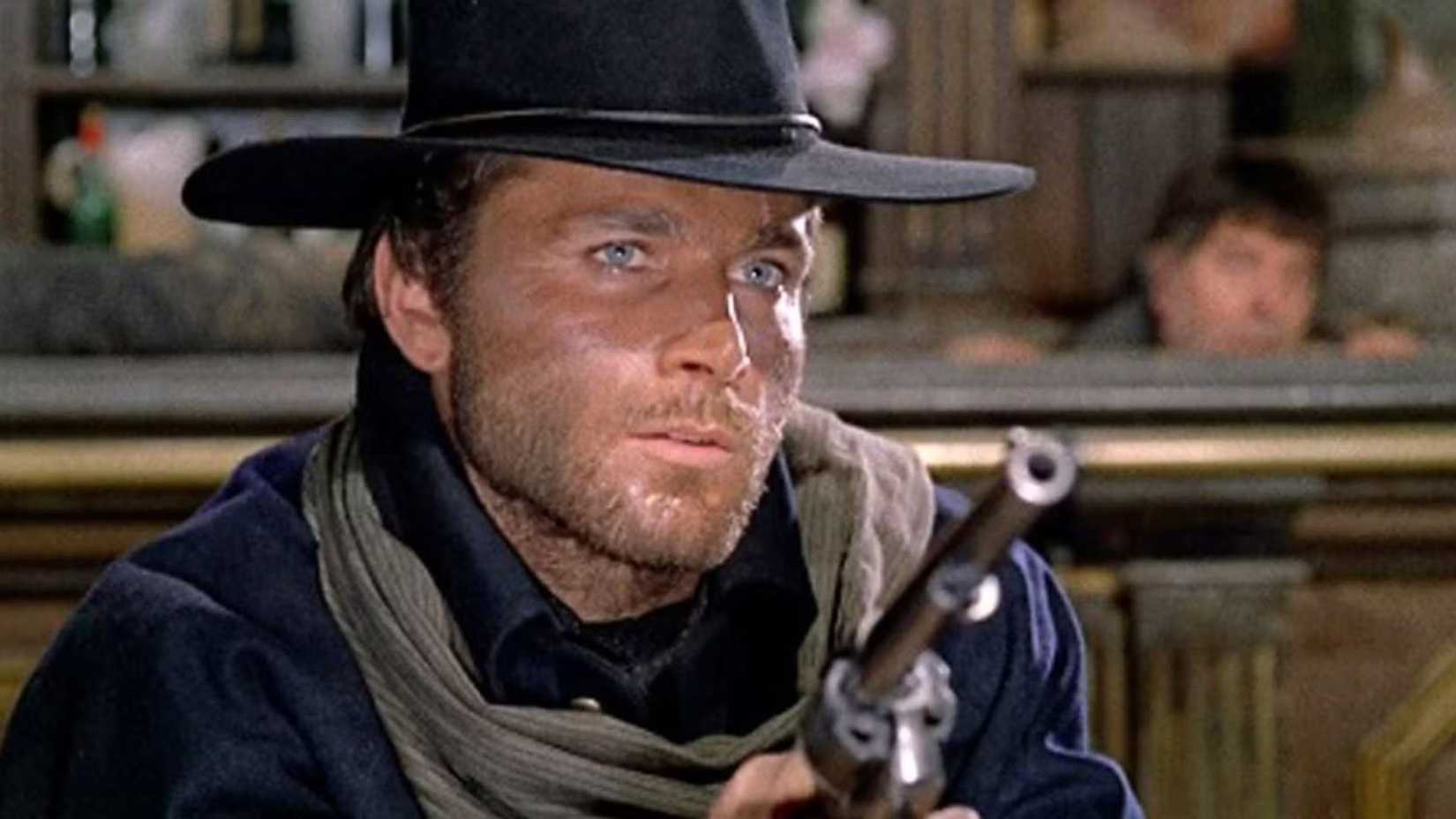
Clint Eastwood’s iconic Man with No Name dominated the Western film scene in the 1960s and 70s, but he wasn’t the only popular antihero of the time. As Sergio Leone was creating his famous Dollars Trilogy, Sergio Corbucci was simultaneously building the legend of Django, another beloved figure in cult Westerns.
Frank Nero starred as the complex hero Django in a film inspired by Akira Kurosawa’s classic movie, Yojimbo. Though he didn’t achieve the same widespread fame as Clint Eastwood’s Man with No Name, Nero’s performance has remained popular with fans of spaghetti Westerns, especially those who appreciate the genre beyond the most well-known titles.
Django was a former Union soldier who became a wanderer, traveling with a biracial sex worker. His debut film involved rescuing a town caught in a conflict between former Confederate soldiers and Mexican rebels. While clearly inspired by the style of Sergio Leone’s Westerns, the film is unique and even had an impact on Quentin Tarantino’s Django Unchained.
The Ringo Kid, Stagecoach (1939)
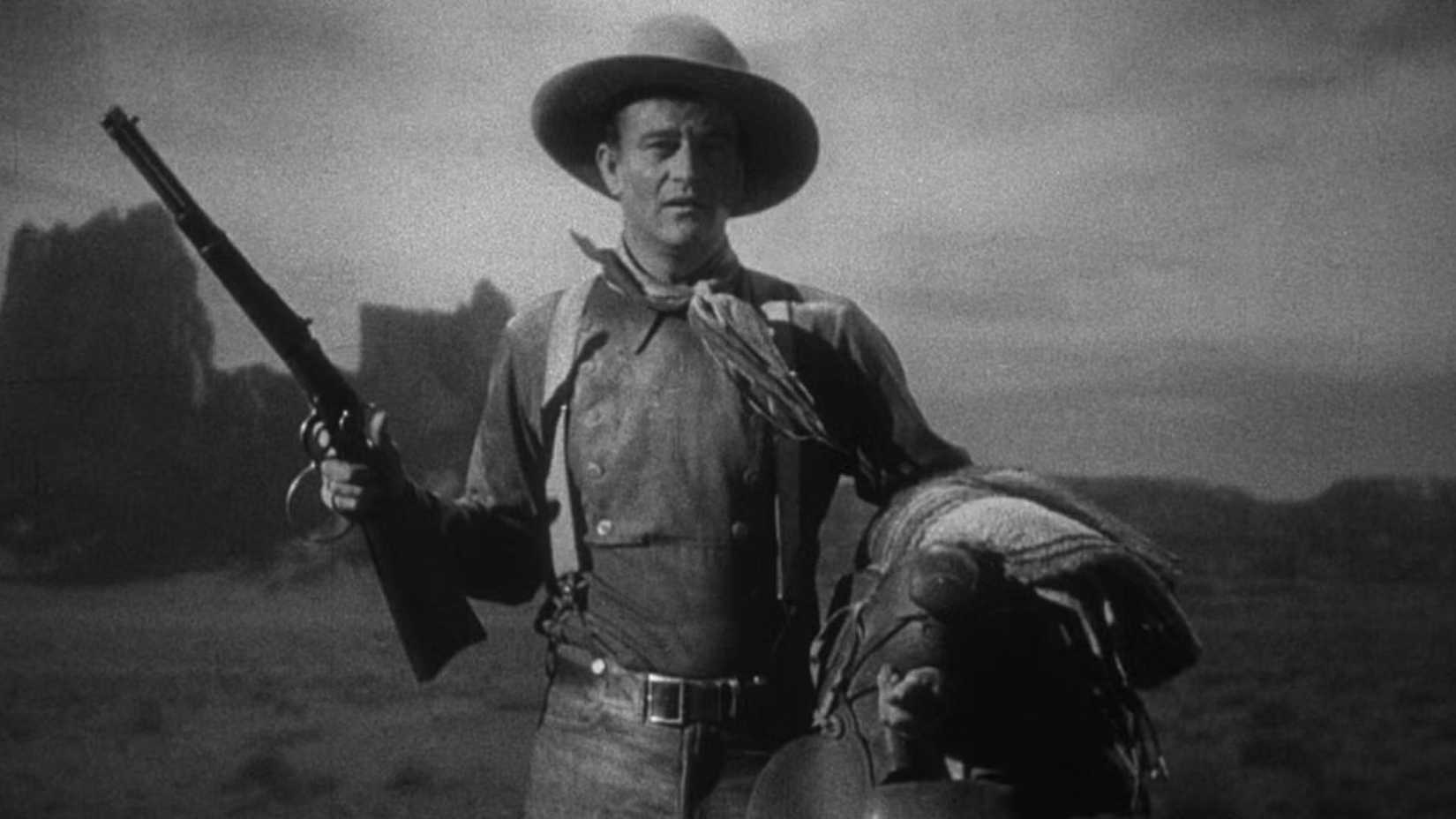
It’s easy to forget that the Western film that launched John Wayne to stardom actually featured him as a criminal. However, in John Ford’s Stagecoach, his character was ultimately a hero, protecting passengers on a dangerous journey. Wayne played The Ringo Kid, an escaped convict determined to avenge the deaths of his father and brother.
It’s easy to overlook the fact that the main character is a flawed hero, especially because the film portrays Native Americans as the antagonists. The Ringo Kid’s role was to protect the passengers of the stagecoach from a threatening group of Apache warriors.
The film is still considered a classic of Western cinema, though its portrayal of Native Americans continues to spark debate. Later films by John Ford and John Wayne offered a more nuanced perspective, and Wayne’s character would evolve into a clear antihero in a movie released twenty years afterward.
Charlie Burns, The Proposition (2005)
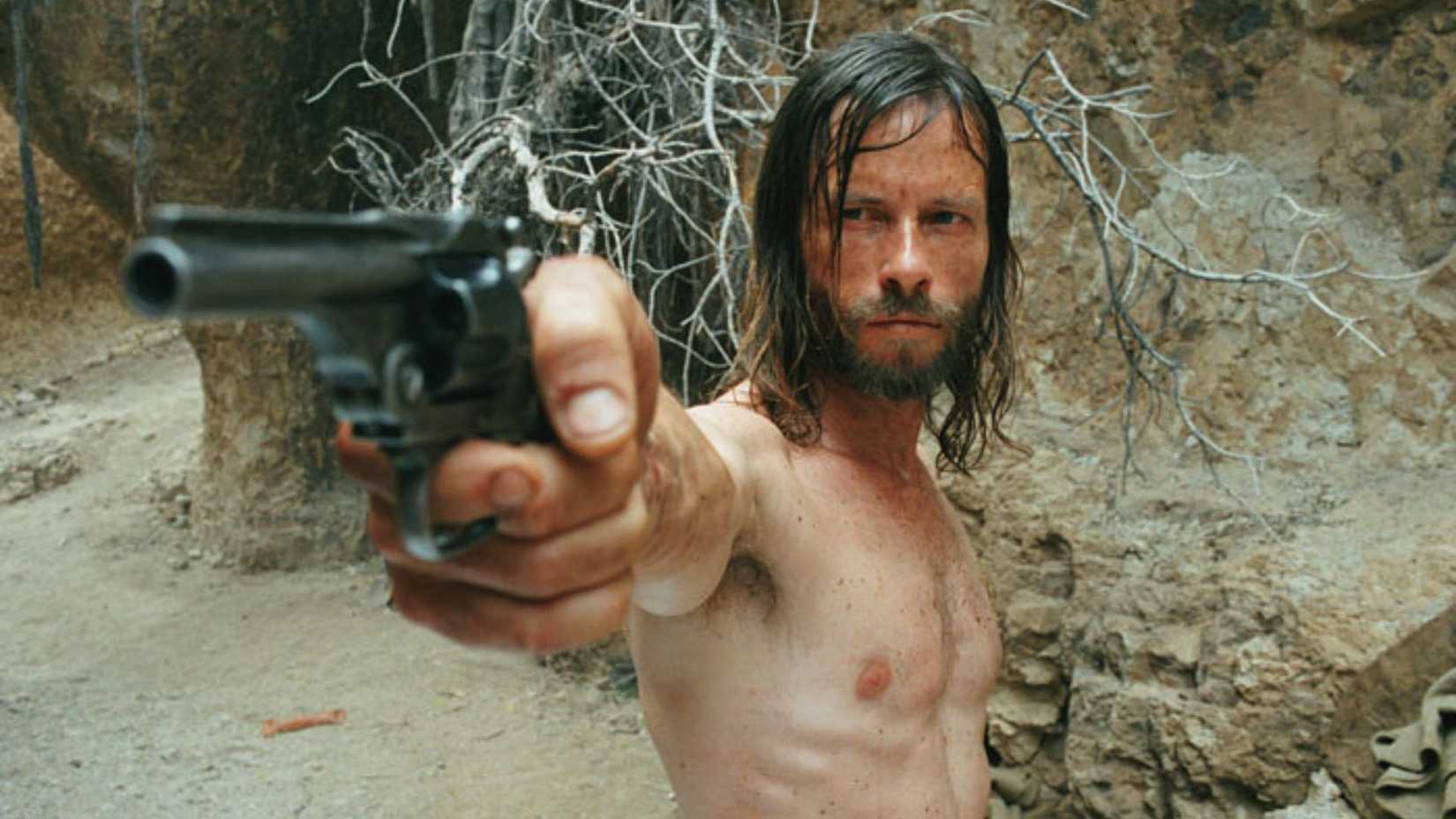
Released in 2005, The Proposition is a Western film that doesn’t get as much attention as it deserves. It stars Guy Pearce as Charlie Burns, a famous outlaw. The story begins after a shootout between Burns’ gang and the police leaves only Charlie and his younger brother Mikey alive. But Charlie is offered a deal that could save him.
A police captain tells Charlie that if he kills his older brother, Arthur, both of them will be set free. The film then centers on Charlie’s search for Arthur, and his growing suspicion that the police won’t actually keep their word.
Though it might not be as widely known as some other recent Westerns, the Australian film The Proposition is still considered one of the best of the 21st century. The film features a compelling antihero named Charlie, and was written by Australian musician Nick Cave and directed by John Hillcoat.
Josey Wales, The Outlaw Josey Wales (1976)
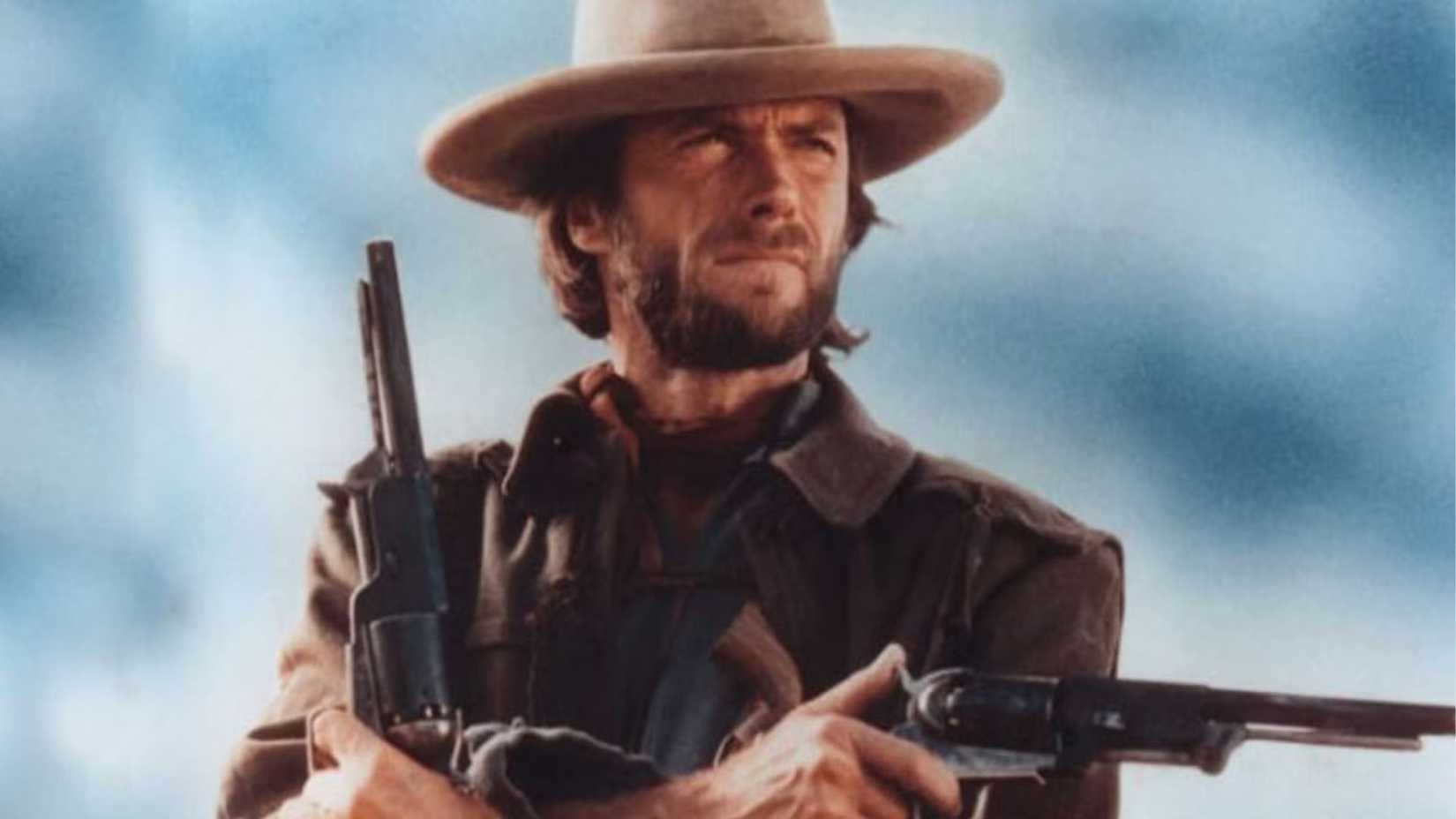
Though Clint Eastwood is famous for his role as the iconic Man with No Name, he delivered many other outstanding performances. One notable example is his portrayal of Josey Wales in The Outlaw Josey Wales. The film centers around Josey Wales, a man whose wife and son are tragically killed by Union soldiers.
Driven by grief and a desire for revenge after his wife and son were killed, Josey falls in with a band of Confederate guerrillas. But when the Civil War ends, their surrender doesn’t bring peace – Union soldiers brutally murder the entire group. Devastated and now a wanted man with a price on his head, Josey is left to fight simply to survive.
This film follows a man seeking retribution for past injustices, constantly pursued by those who wronged him and forced to fight back. It’s also a powerful depiction of the lasting trauma caused by war. As the movie concludes, the character Josey reflects, “We all died a little in that damned war.”
Butch Cassidy, Butch Cassidy And The Sundance Kid (1969)
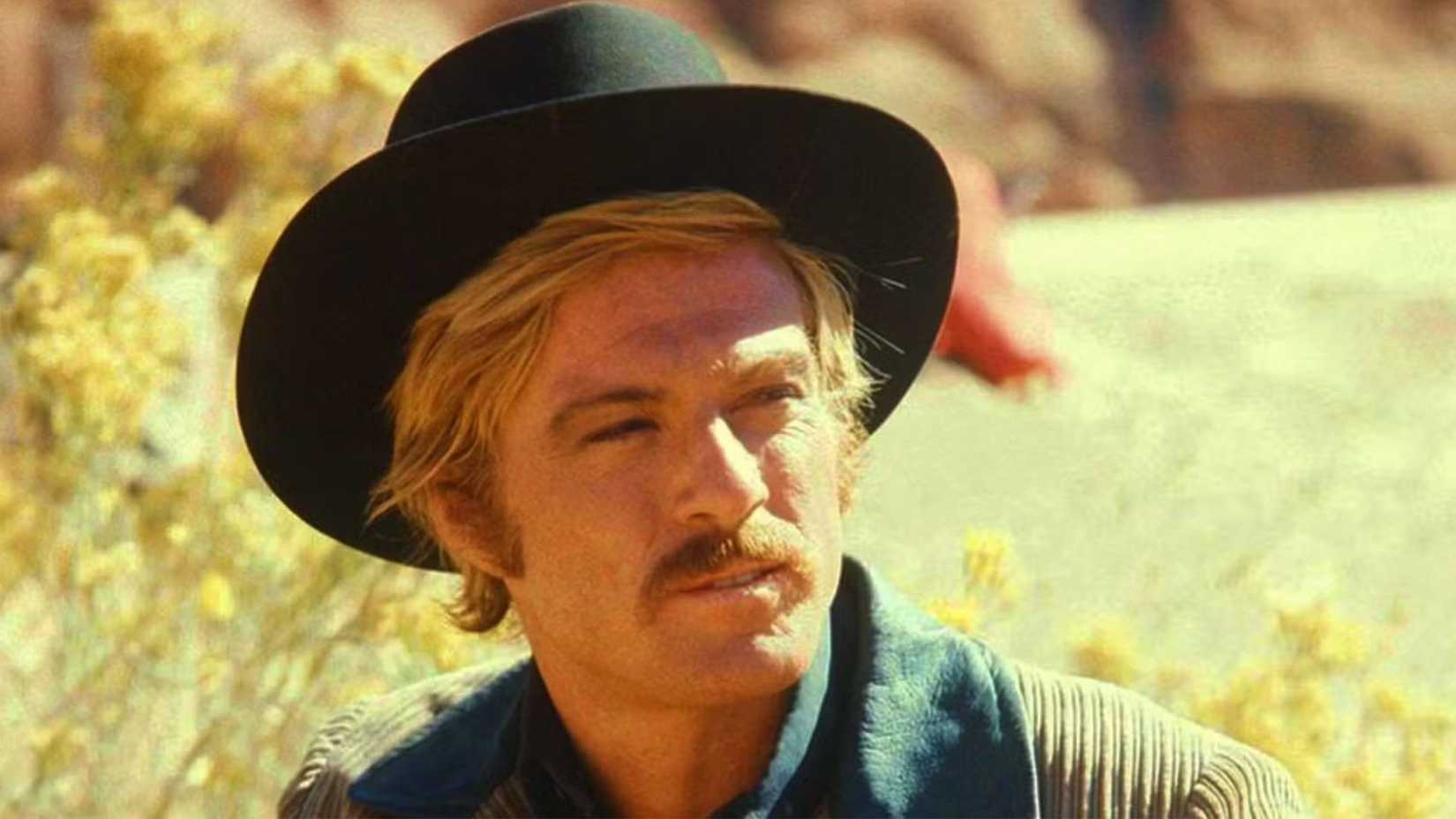
The 1969 film Butch Cassidy and the Sundance Kid is a retelling of the story of two famous Wild West outlaws. The movie stars Paul Newman as Butch Cassidy and Robert Redford as the Sundance Kid, both celebrated actors in film history.
This film tells the story of two famous outlaws who commit a string of train robberies and then flee across the country, pursued by a relentless U.S. posse. They seek refuge in Bolivia, hoping to find safety, but quickly discover that life on the run is full of peril and that their outlaw lifestyle won’t lead to a peaceful ending.
Paul Newman gave a fantastic performance as Butch Cassidy, and the film was so significant for Robert Redford’s career that he later founded a film festival honoring the outlaw. Butch Cassidy and the Sundance Kid is still considered one of the best Westerns ever made, and the two characters are among the most famous rebellious heroes in Western film history.
The Stranger, High Plains Drifter (1973)
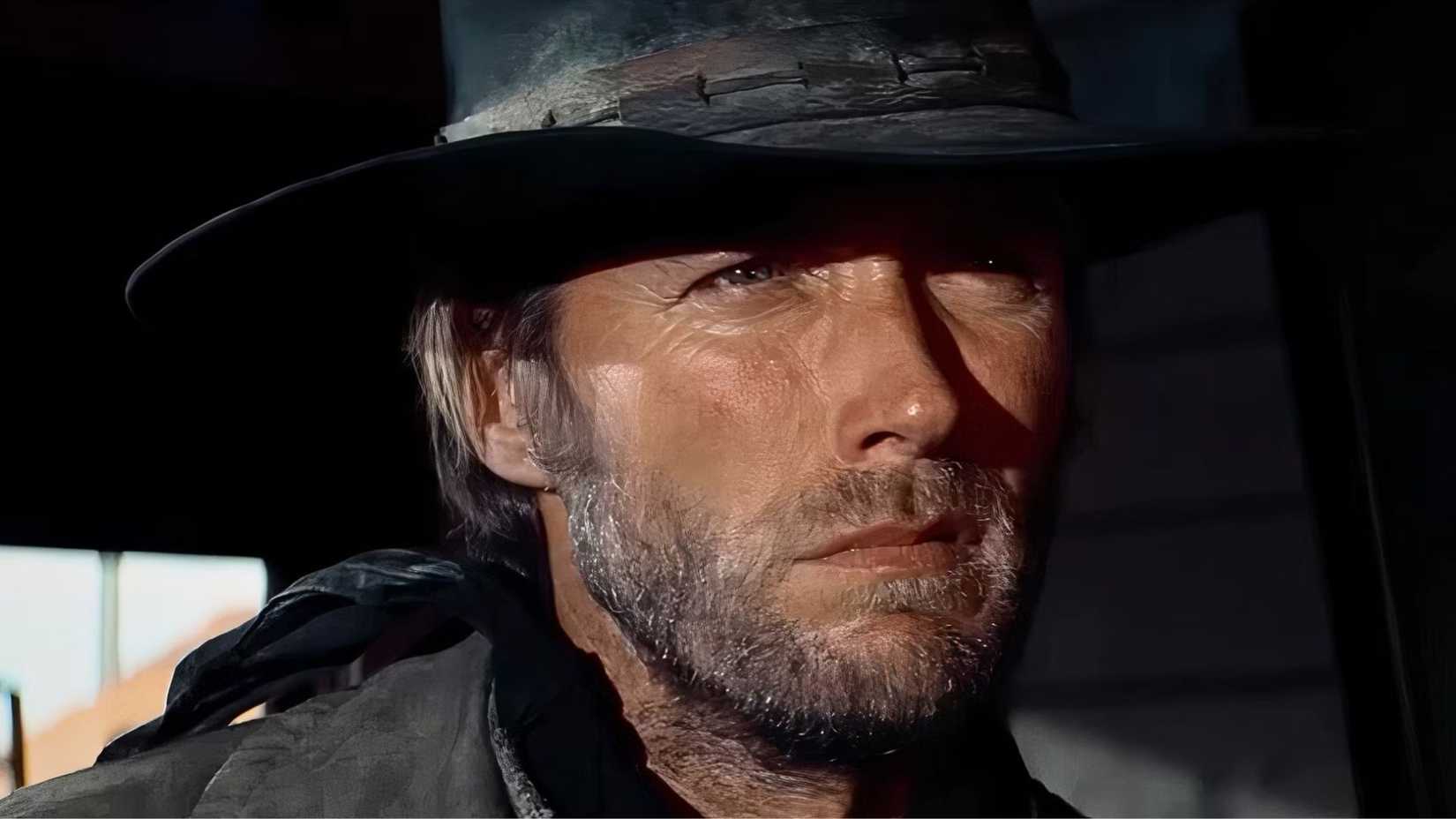
Clint Eastwood’s role in High Plains Drifter could be his darkest yet. The film strongly suggests his character, The Stranger, is actually the ghost of a lawman who returns to seek revenge on those who murdered him.
Although the people The Stranger killed were deeply flawed, he wasn’t a hero either. His initial actions in town were shockingly cruel and unsettling, demonstrating his own capacity for terrible behavior.
This highlights how Clint Eastwood deliberately created Western characters who were different from the traditional, heroic cowboys like John Wayne. It also sheds light on the conflict between the two actors, as Wayne didn’t approve of the morally ambiguous roles Eastwood played.
Ethan Edwards, The Searchers (1956)
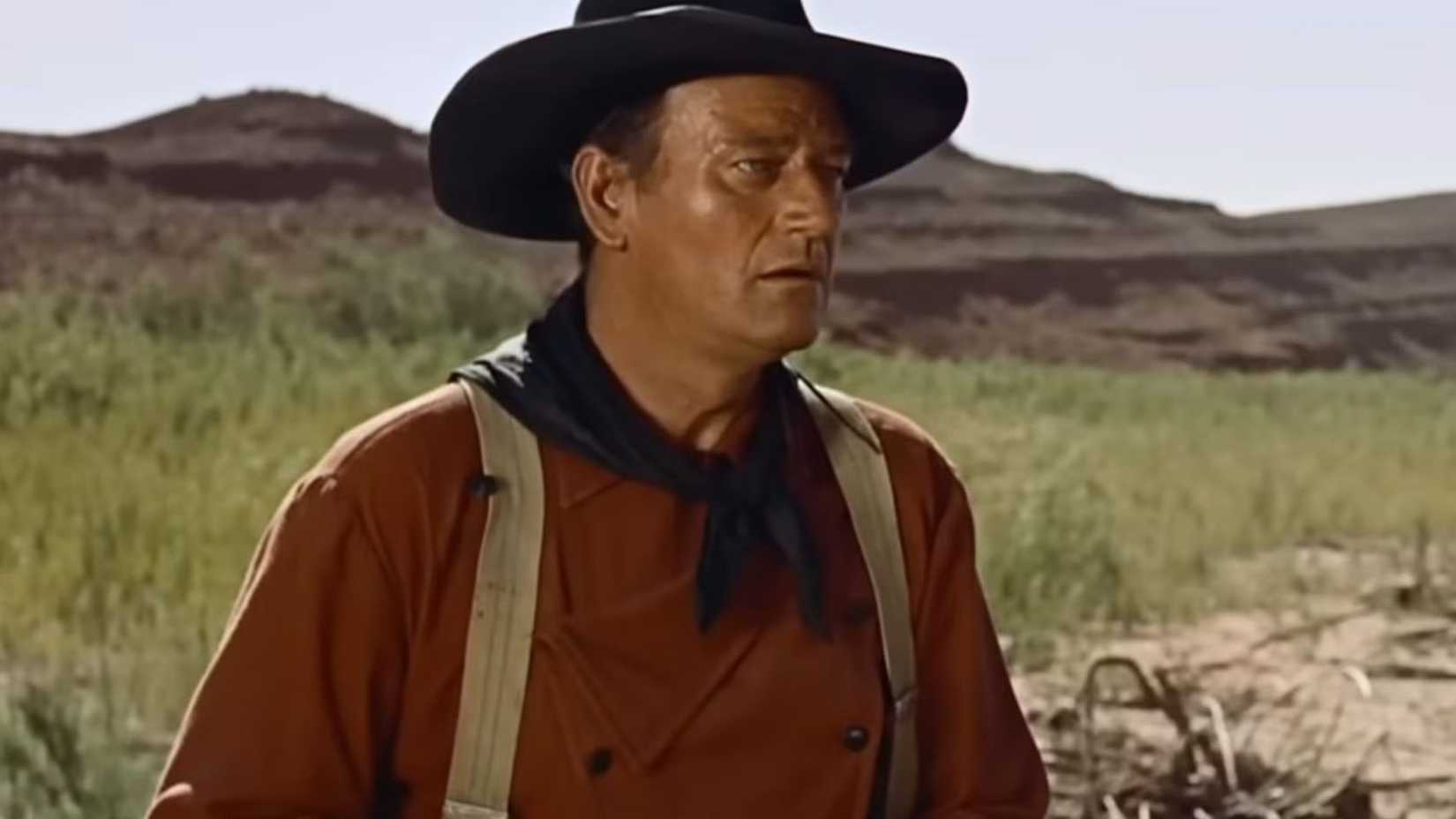
John Wayne was known for playing noble and virtuous heroes in his Western films. But many consider his greatest performance to be in The Searchers, where he played Ethan Edwards – a deeply flawed and often prejudiced character. Edwards is now seen as a complex antihero, and a landmark figure in Western movies.
Wayne was determined to rescue his niece after she was kidnapped by a Comanche tribe. Though Ethan Edwards was understandably driven by a desire for revenge after his family’s murder, his plan was shockingly cruel. Discovering his niece had come to identify with the Comanche people, he decided to kill her rather than allow her to live among them.
By this point in his career, John Ford understood Native Americans in a more complex way than he had in earlier films like Stagecoach. In fact, he deliberately portrayed John Wayne’s character, Ethan Edwards, as flawed, even while suggesting Edwards believed he was acting with good intentions.
William Munny, Unforgiven (1992)
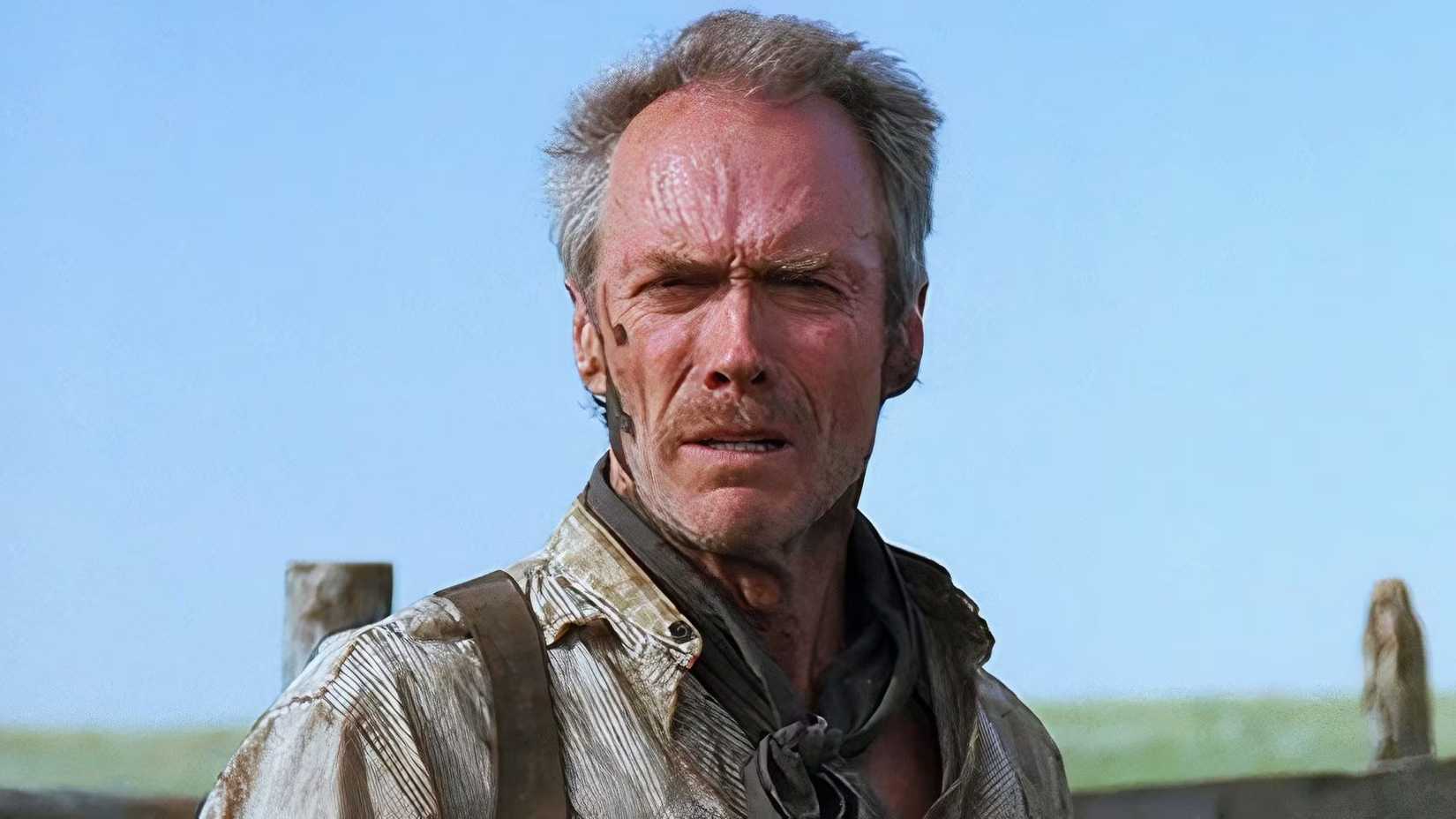
Clint Eastwood’s film Unforgiven is considered his most important work in the Western genre. He both directed and starred as William Munny, a former outlaw trying to live a peaceful life after his wife’s death. But when new outlaws appear and old acquaintances ask for help, Munny is forced to return to his violent past.
The movie offered a surprising twist: the lawman, Little Bill Daggett, turned out to be the most villainous character, brutally killing an aging outlaw named Ned Logan (Morgan Freeman) in public. This act of violence spurred William to come out of retirement and seek retribution, making a former outlaw the unlikely hero of the story.
Ultimately, Unforgiven reveals Clint Eastwood’s unique vision of the Old West—a stark contrast to the romanticized heroes often portrayed by John Wayne. It’s considered a masterful farewell to the antihero archetype, and rightfully so.
Doc Holliday, Tombstone
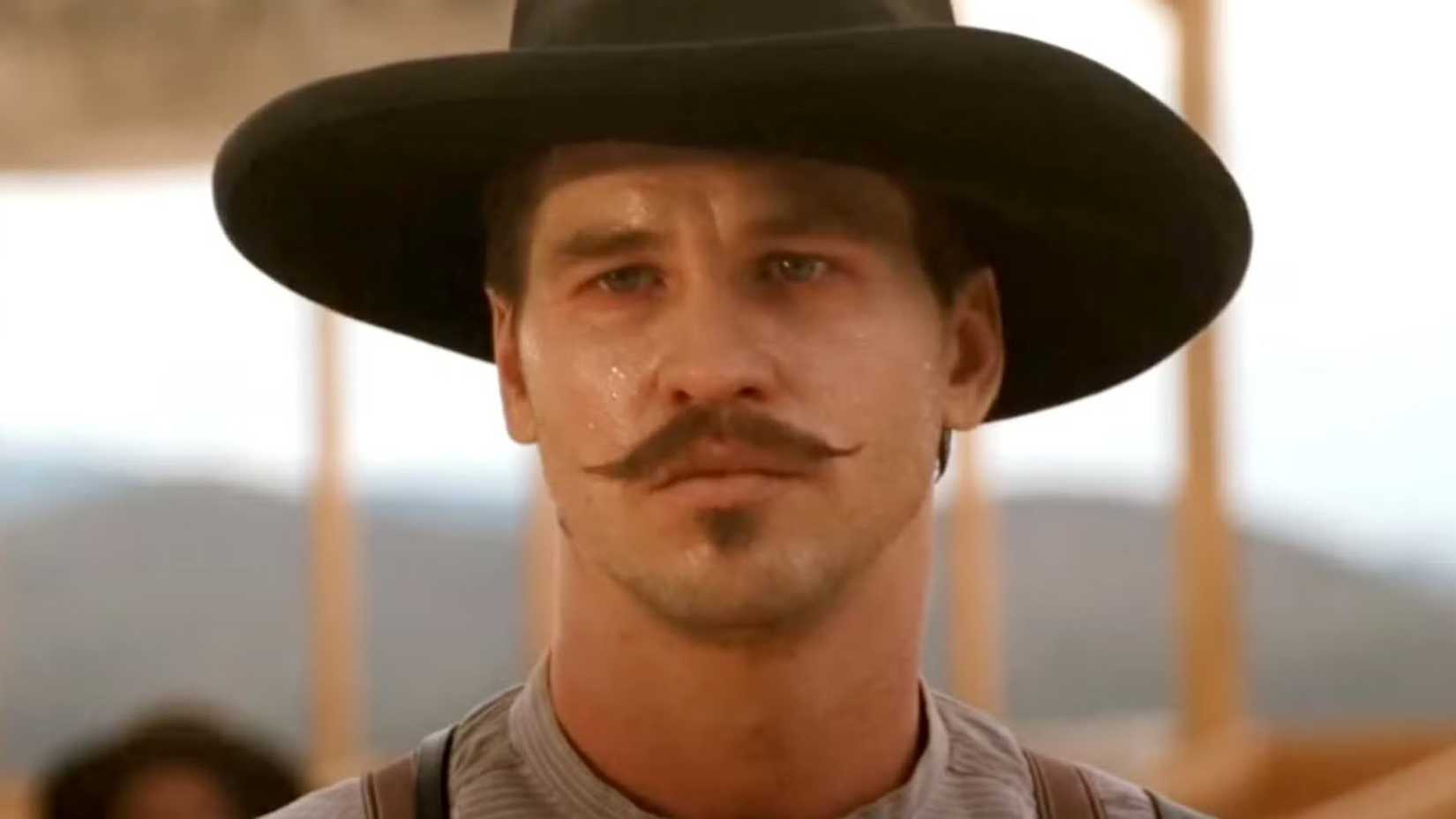
The film Tombstone tells the story of lawmen who arrive to protect a town from dangerous outlaws. The Earp brothers are the classic, heroic cowboys that Western fans have always loved. But the movie also features a compelling antihero who consistently stole the show with his performance.
Val Kilmer portrayed Doc Holliday, a complex character who was a gambler and skilled with a gun, but didn’t see himself as a hero. His loyalty to his friend, Wyatt Earp (played by Kurt Russell), defined him – he was willing to sacrifice everything, even his life, to fight alongside Earp against ruthless outlaws.
Doc Holliday delivered the most memorable lines and appeared in the best moments of Tombstone. This was largely due to his character being an antihero, which contrasted nicely with the more traditional, heroic portrayal of his friend.
The Man With No Name, The Good, The Bad And The Ugly (1966)
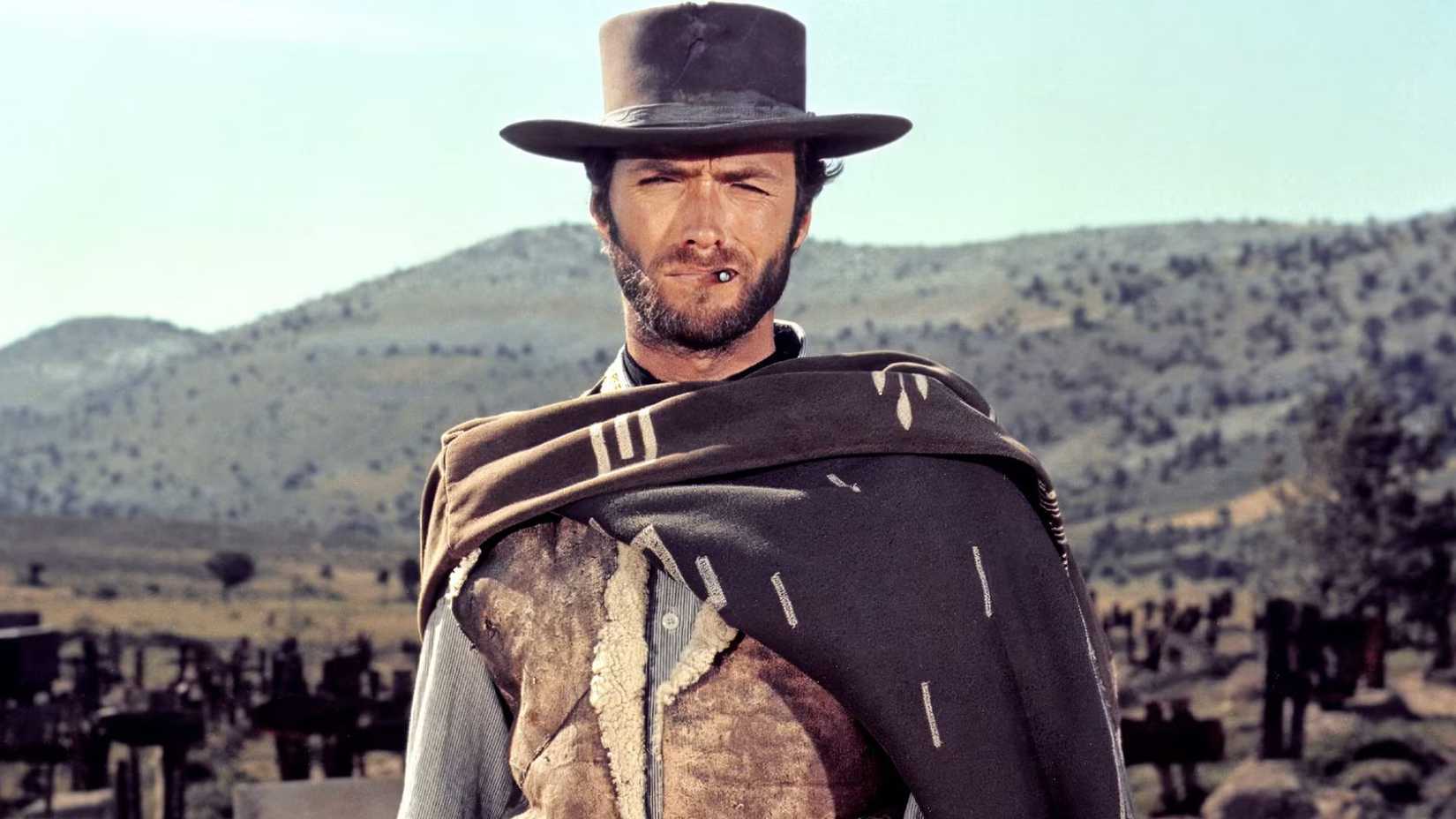
The most famous antihero in Western films appeared in the Dollars Trilogy, a series of spaghetti Westerns. The trilogy consisted of A Fistful of Dollars, For a Few Dollars More, and The Good, the Bad and the Ugly, with the final film being considered the best of the three.
Although Clint Eastwood played various roles in his Western films, they all shared traits with his iconic “Man with No Name” character, and he’s still largely known for that role today. After gaining fame on the TV show Rawhide, Eastwood insisted on playing morally complex antiheroes in Westerns, and that choice ultimately shaped his entire career in the genre.
Let me tell you, when it comes to Western antiheroes, Clint Eastwood nails it. And honestly, his performance in The Good, the Bad and the Ugly? It’s still the gold standard – the absolute best example of that complex, flawed character type you’ll find on film. It’s a role that truly defines the genre.
Read More
- Surprise Isekai Anime Confirms Season 2 With New Crunchyroll Streaming Release
- The Super Mario Galaxy Movie: 50 Easter Eggs, References & Major Cameos Explained
- Starfield (PS5) Review – A Successful Cross-Console Voyage
- 10 Best Free Games on Steam in 2026, Ranked
- All 7 New Supes In The Boys Season 5 & Their Powers Explained
- Preview: Sword Art Online Returns to PS5 as a Darker Open World Action RPG This Summer
- ‘Project Hail Mary’: The Biggest Differences From the Book, Explained
- Skate 4 – Manny Go Round Goals Guide | All of the Above Sequence
- Frieren: Beyond Journey’s End Gets a New Release After Season 2 Finale
- Sydney Sweeney’s The Housemaid 2 Sets Streaming Release Date
2025-12-09 22:35