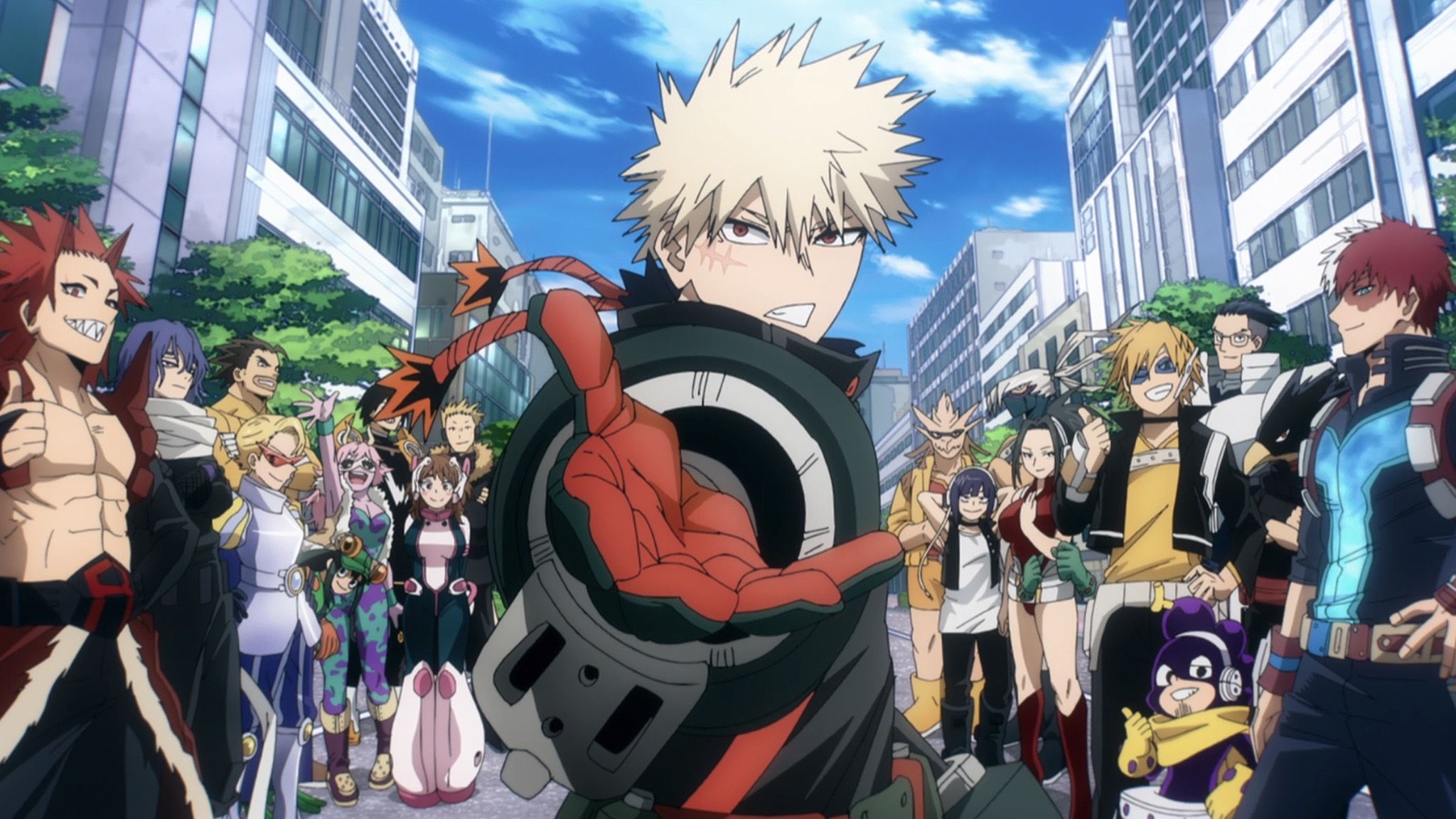
For many anime fans, My Hero Academia defined what it means to be a hero. Now, the series is coming to an end. Based on Kohei Horikoshi’s popular manga, MHA followed Izuku Midoriya as he trained to become a top hero alongside his classmates in Class 1-A. Episode 11 of Season 8, titled “My Hero Academia,” marks a poignant goodbye to a beloved anime that has left a lasting impact on the medium.
The last episode of My Hero Academia truly puts the heroes to the test, forcing them to face the potential for past mistakes to repeat. Ultimately, it powerfully reinforces the show’s central message: anyone can be a hero if they’re willing to help others. While longtime manga readers might feel like something’s missing, that’s likely just the difficulty of seeing the story end.
My Hero Academia’s Final Episode Shows Midoriya Change The World For The Better
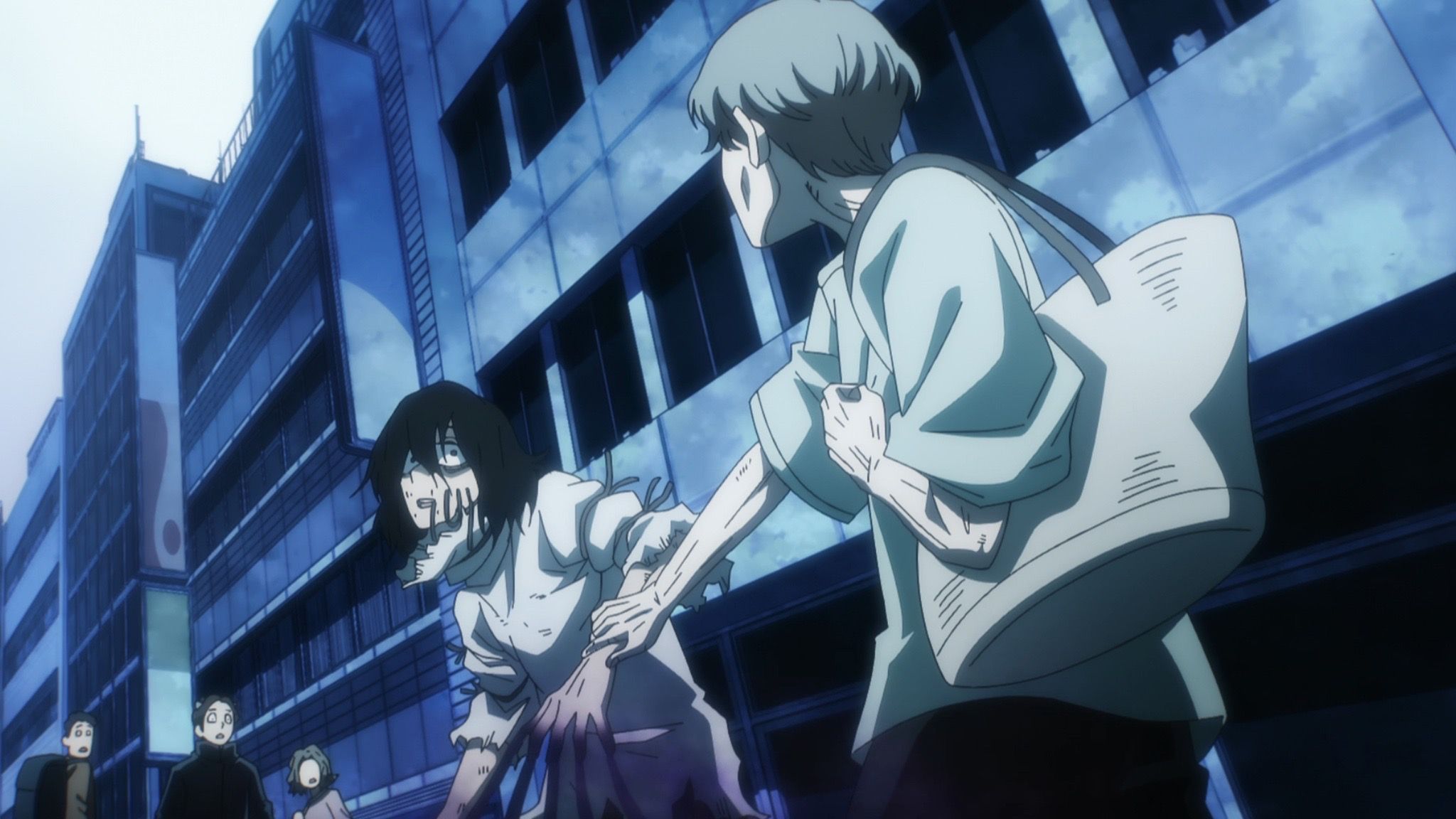
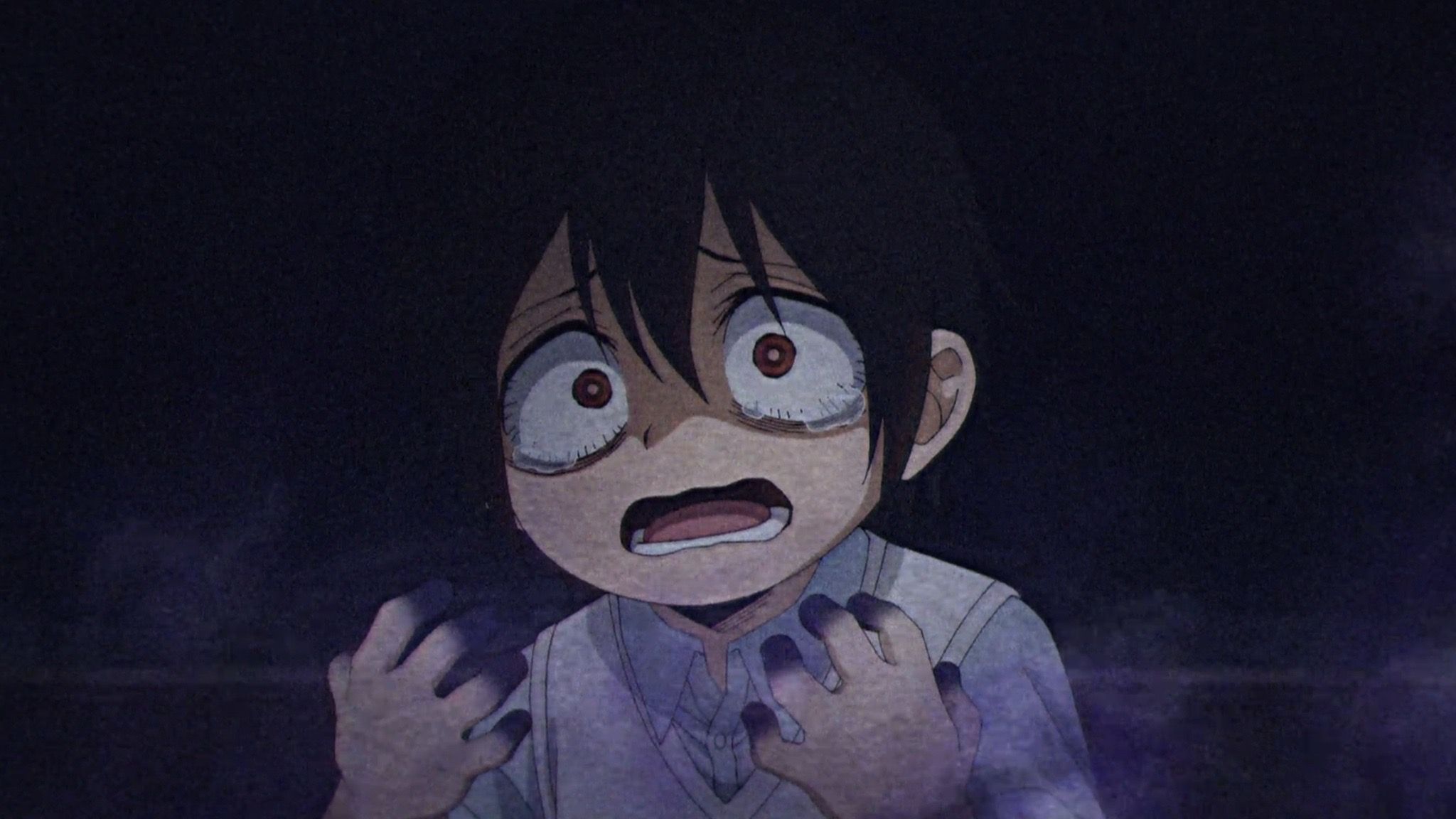
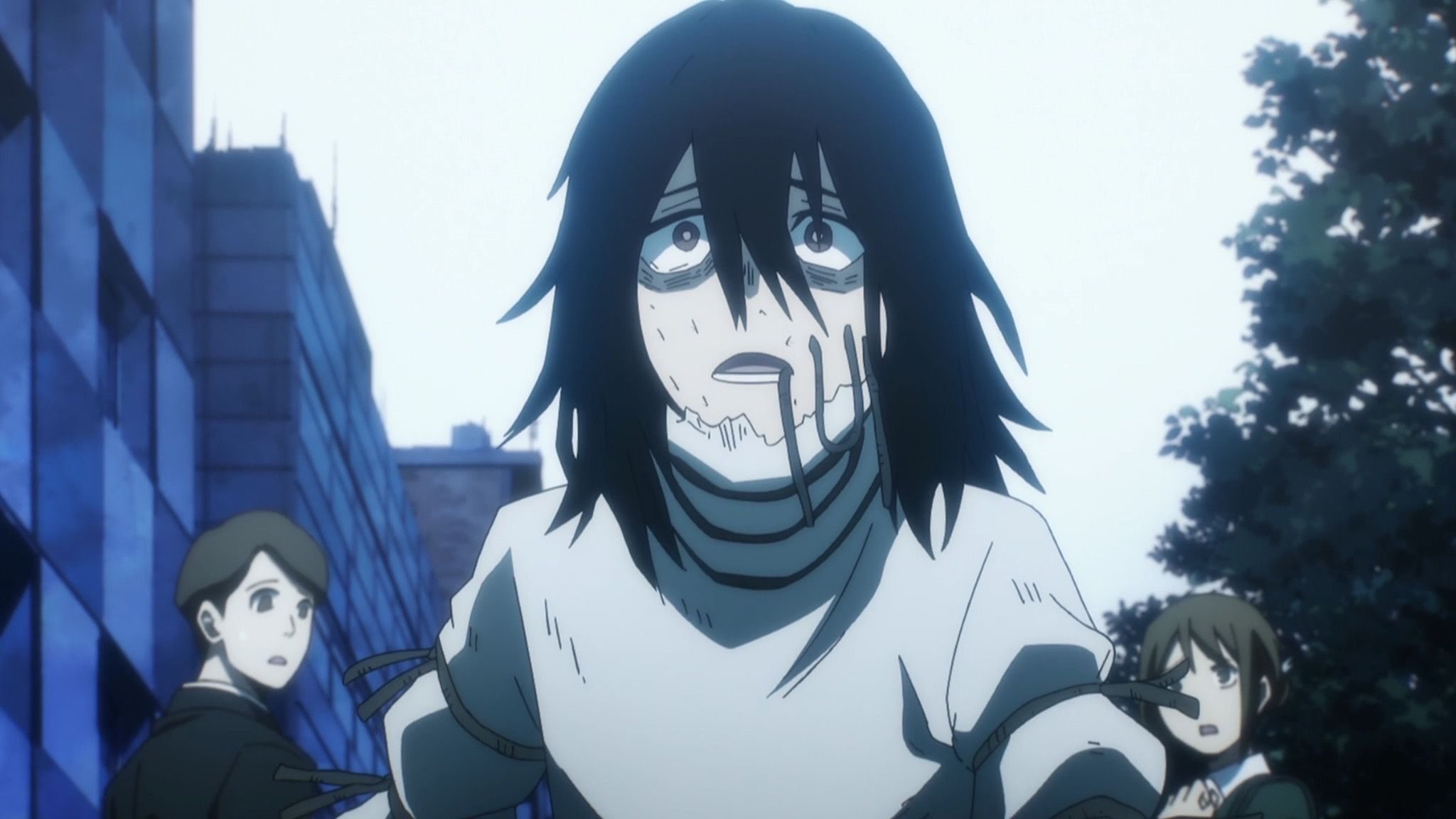
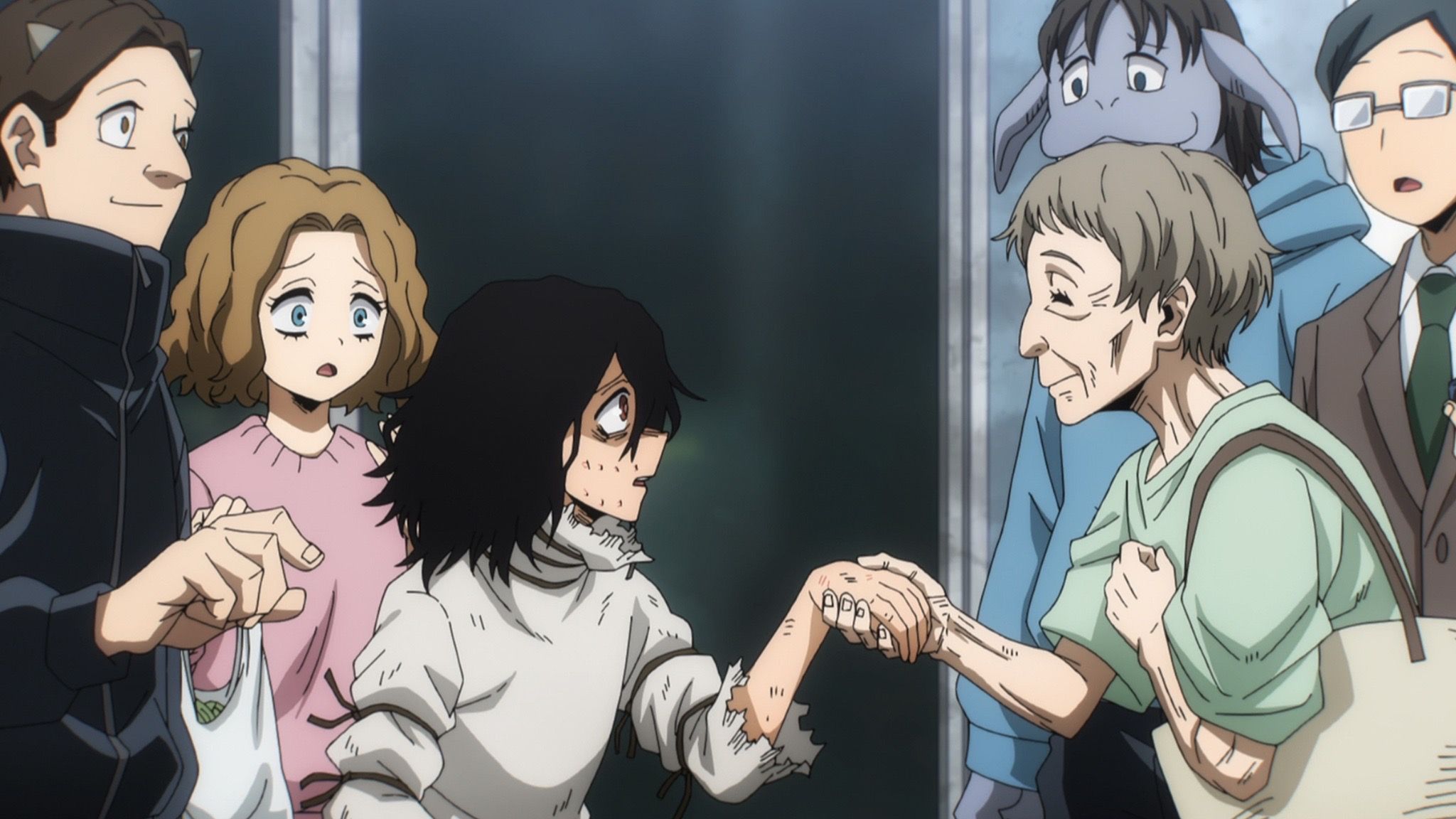
The final episode of My Hero Academia opens with a hauntingly familiar scene. A young boy emerges from the ruins of his home, feeling lost and neglected. As he searches for assistance, the fear he encounters from others pushes him to use his powerful ability. The anime emphasizes this feeling of repetition by showing flashbacks of Tenko Shimura’s childhood.
This villain’s story contrasts with Shigaraki’s; instead of being abandoned due to someone’s fear, he’s stopped by an older woman who bravely takes his hand. Though frightened herself, she remembers Deku’s heroism and finds the courage to act. This storyline powerfully illustrates the societal issues that can create villains, and how Midoriya’s actions truly made a difference in the world.
The series My Hero Academia presents a hopeful view of people, and it feels grounded in reality. Throughout its run, the story and characters have consistently embraced this optimism, which is a big part of what makes it so appealing. In a landscape dominated by darker, more cynical anime, MHA has remained one of the few major series still championing traditional, hopeful themes. The storyline of Shigaraki perfectly embodies this clash between optimism and darkness, and it’s satisfying to see the story resolve by blending these ideas. Ultimately, MHA offers a simple but powerful message – that helping others is the key to a better world – solidifying its place as a classic shonen anime until the very end.
MHA’s 8-Year Time Skip Brings The Story Back to Where It Started
From the beginning, My Hero Academia felt like a story destined for a hopeful conclusion, regardless of how strong villains like Shigaraki and All For One became. The series opened with Deku promising to become the world’s greatest hero, and the very last episode shows us the grown-up version of Midoriya who has been telling us his story all along.
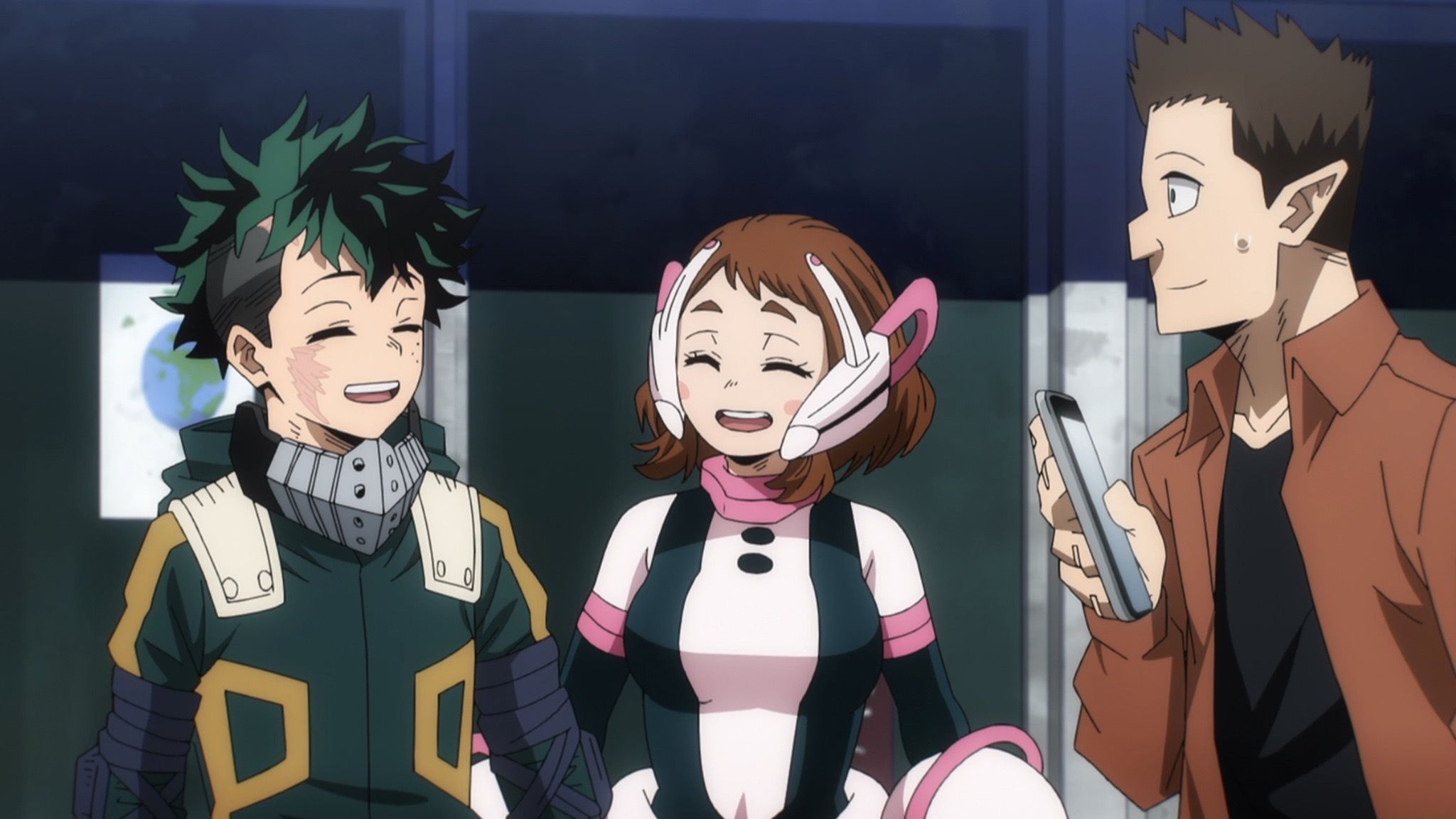
Eight years later, Midoriya is writing a book reflecting on his experiences as a hero. It’s heartwarming to see how Deku and his classmates have grown and matured. As you’d expect, all of Class A become successful and respected heroes after graduation. Todoroki eventually competes with Lemillion for the title of #1 Hero, Uravity becomes a well-known guidance counselor, and Bakugo, even as an adult, remains a strong, though often controversial, figure.
The show is often funny, but there’s also a bittersweet feeling that this is the last time we’ll see these beloved characters together. For eight seasons, the anime beautifully brought Kohei Horikoshi’s creations to life, making them feel incredibly real, and it’s both satisfying and a little sad to see how much they’ve grown. After nine years, the show’s eight-year time skip means the characters are now the age they’d be in real life, creating a sense that the audience has genuinely experienced their journey alongside them.
My Hero Academia’s Finale Skips Horikoshi’s True Ending For Izuku and Ochaco
The finale is generally well-executed, but it falls a little short in one key aspect. The final episode adapts the original manga’s ending, specifically up to Chapter 430 of My Hero Academia. However, fans know the students of Class A are capable of pushing beyond their limits. While the ending at Chapter 430 was initially divisive, the author, Kohei Horikoshi, ultimately continued the story beyond that point.
Now that the final volume of the manga is out, fans get a deeper look into the characters’ lives. It’s a heartwarming glimpse into Midoriya’s future and finally reveals what happened to the students of Class A as adults. The biggest highlight of this extra chapter is definitely the development of the romantic relationship between Izuku Midoriya and Ochaco Uraraka.
Based on the last episode alone, it doesn’t seem like Deku and Uravity end up together, even though the manga’s final chapter confirms they do. While fans who hoped for a relationship between Bakugo and Deku got a satisfying conclusion, it still feels like something is missing without a direct statement from the author.
What I really appreciate about this episode is that it didn’t completely leave out the important stuff from that extra final chapter! Chapter 431 gave us a glimpse into the lives of the Class A students after they graduated and became proper heroes, and the anime cleverly includes that information during the end credits. It’s a really nice touch, showing what happened to each character after the main story finished!
My Hero Academia Created an Entire Generation of Heroes
Season 8, Episode 11 of My Hero Academia feels like a heartfelt farewell to a truly exceptional anime series – one that’s become a modern classic. For many viewers, MHA was their first experience with the magic of Japanese animation, making it particularly special that major anime films are now gaining so much attention. It’s almost as if the series has grown up alongside its characters, Class 1-A, and has paved the way for anime to reach new levels of success.
The final message of the My Hero Academia anime seemed best captured by a line originally spoken by Midoriya in the manga. In the manga’s last chapter, Midoriya jokingly asks himself, “Why am I still writing this?” and answers, “Because there are still more pages to come.” The anime cleverly adapted this, changing the line to, “There’s still more runtime left in this episode,” acknowledging the length of the show.
Although the message isn’t as polished as before, its core meaning remains strong. There’s always more we can do, as long as we’re alive, and sometimes even exceed expectations. Take, for example, a man who lost everything he had built, yet continued to move forward with hope. He used what he learned to assist others, even when facing his own struggles. This selfless dedication is what truly made him a hero.
Now that the story of Deku and Class 1-A has come to a close, it’s time for fans to take the lessons they’ve learned and apply them to their own lives. That means being brave even when you’re scared, and always being willing to help others – just like Deku showed us.
The entire My Hero Academia anime is currently streaming on .
Read More
- Elon Musk’s Ex Ashley St. Clair Reveals When Romance Became “Weird”
- GBP CNY PREDICTION
- Mark Zuckerberg & Wife Priscilla Chan Make Surprise Debut at Met Gala
- Elon Musk’s Mom Maye Musk Shares Her Parenting Philosophy
- Forza Horizon 6 Car List So Far: Confirmed Highlights, Cover Cars, DLC, and Rewards
- 20 K-Dramas That Nailed the Perfect Ending
- 10 Best Free Games on Steam in 2026, Ranked
- 10 Greatest Manga Endings of All Time
- Ranking the 5 Best Spring 2026 Anime So Far (Mid-Season Update)
- EUR CNY PREDICTION
2025-12-13 23:47