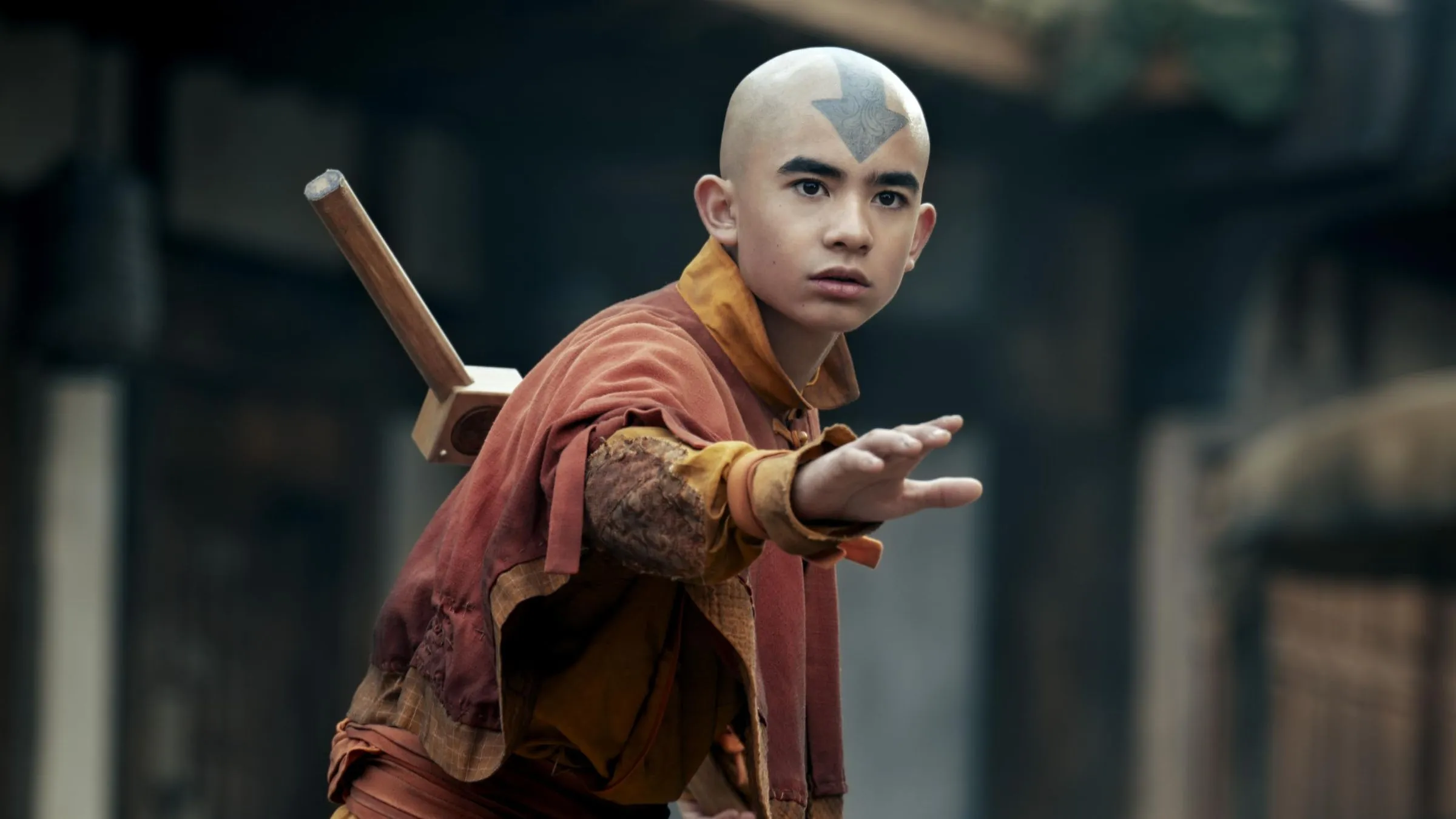
Over the past few years, Netflix has put a lot of money into making live-action shows, and their adaptation of the animated series Avatar: The Last Airbender is a particularly good example of this. The first season, which covered the same story as the first book of the original series, did a great job of bringing the world and characters to life, with very few obvious problems. However, since the show was first announced, fans of the original have worried about how well future seasons could maintain the quality. While many issues with adapting animation to live-action can be overcome, there’s a common pattern that often prevents these shows from being truly perfect.
Netflix’s live-action adaptation of Avatar: The Last Airbender faces a common problem with shows featuring young actors: how they’ll age as the series continues. Fans worried about this from the start, and the recent trailer for Avatar: The Last Airbender Season 2 seems to confirm those concerns. It’s a reminder that even with a lot of effort and care, the natural process of actors growing older can be difficult for long-running live-action shows.
Netflix’s Avatar: The Last Airbender Just Proved Why Live-Action Adaptations Never Work
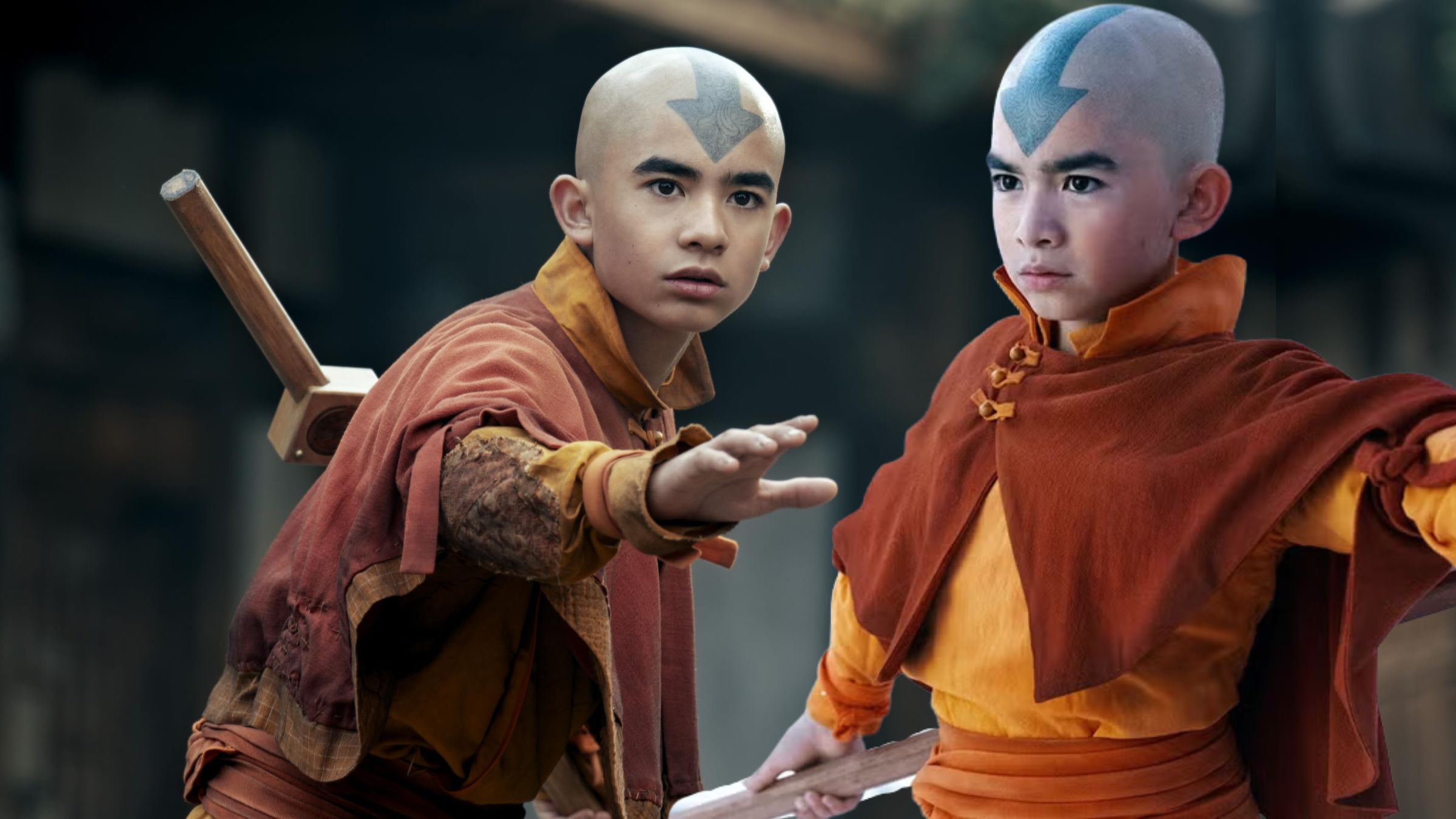
I’ve been watching the live-action adaptation of Avatar: The Last Airbender, and I’ve noticed something interesting. The main character, Aang, is supposed to be only 12 years old for most of the story, aging just one year over the course of events. Gordon Cormier, who plays Aang, really looked the part in the first season – he was perfectly cast as a 12-year-old. But in the preview for the new season, he looks noticeably older. This is a bit of a problem because the story only covers about a month in Season 2. It’s hard to avoid, though. Live-action shows take so long to film – years, in fact – that the actors inevitably age faster than their characters, and it’s a challenge the showrunners will likely keep facing.
Changes to the story will likely move away from the original vision. This makes it challenging to realistically show Aang as a 12-year-old in future seasons. While the live-action series might adjust the plot to fit the actor’s age, all adaptations face this issue. That’s why even Netflix’s successful live-action adaptation of One Piece, often considered the best so far, will probably run into the same problem down the line.
Adapting One Piece into a live-action series presents unique challenges, especially given the original story’s length and the characters’ unchanging ages. At the current rate, it could take ten years or more to produce five or six seasons, covering only about half of the entire story. This means the actors would visibly age during filming, which could be distracting. Netflix might speed up the plot to avoid this, but that would likely mean leaving out important parts of the original manga. This highlights that live-action adaptations can’t perfectly replicate their source material; some changes are inevitable when dealing with these kinds of limitations.
What do you think? Leave a comment below and join the conversation now in the ComicBook Forum!
Read More
- What Song Is In The New Supergirl Trailer (& What It Means For The DC Movie)
- TV legend Carol Kirkwood reveals the reasons why she decided to retire after 28 years with BBC
- Dune 3 Gets the Huge Update Fans Have Been Waiting For
- Highly Anticipated Strategy RPG Finally Sets Release Date (And It’s Soon)
- The Super Mario Galaxy Movie: 50 Easter Eggs, References & Major Cameos Explained
- Why is Tech Jacket gender-swapped in Invincible season 4 and who voices her?
- Welcome to Demon School! Iruma-kun season 4 release schedule: When are new episodes on Crunchyroll?
- Sydney Sweeney’s The Housemaid 2 Sets Streaming Release Date
- Who Wants to Be a Millionaire? confirms contestant wins full £1 million prize pot on Jeremy Clarkson quiz
- The OG Resident Evil 1, 2 and 3 Are Now Available on Steam With a Heavy Discount (and DRM)
2025-12-14 17:10