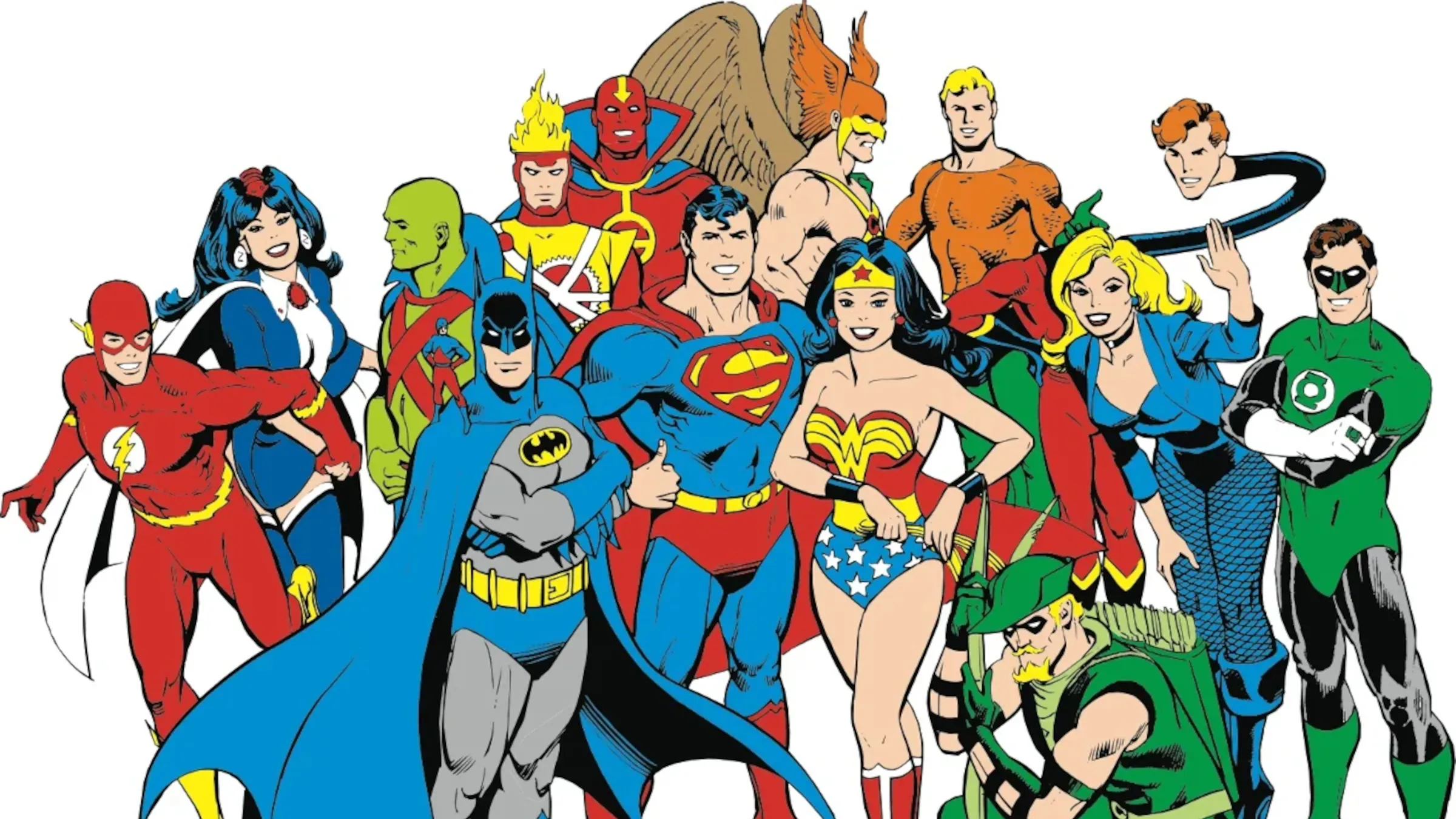
Comic book heroes and villains are famous for being incredibly imaginative and long-lasting. They’ve managed to stay popular for generations by constantly evolving and finding fresh ways to tell familiar stories. This resilience comes from a core identity – a consistent portrayal that writers can always return to, keeping the characters recognizable. However, while this consistency allows for endless storytelling, it can be frustrating when a character tries to change or develop beyond their established traits.
Character development and maintaining the existing state of a story often clash, especially when characters are forced to repeat the same personal journeys. While most comic book characters experience this issue to some extent, it’s particularly problematic for a few. We’re going to focus on three DC characters who consistently struggle with this, and explore why it happens to them so often. Let’s dive in.
3) Green Arrow

Oliver Queen, known as Green Arrow, has become DC Comics’ leading hero focused on social justice. He began as a character similar to Batman, but after a revamp by writer Dennis O’Neil in Justice League of America #75, he shifted to addressing broader societal problems and offering social critiques. This change involved Oliver losing his wealth, creating a complicated situation. He was now caught between being a wealthy advocate for change and learning to live without his fortune, leading to a conflicted portrayal.
Oliver Queen is famous for his wealth, but many of his most compelling stories – like his resurrection and the Green Lantern/Green Arrow team-up – actually happen when he’s broke. This creates a constant back-and-forth where he’s either incredibly rich or completely penniless. While Oliver is a skilled archer, he’s clearly not good with finances.
2) Lex Luthor
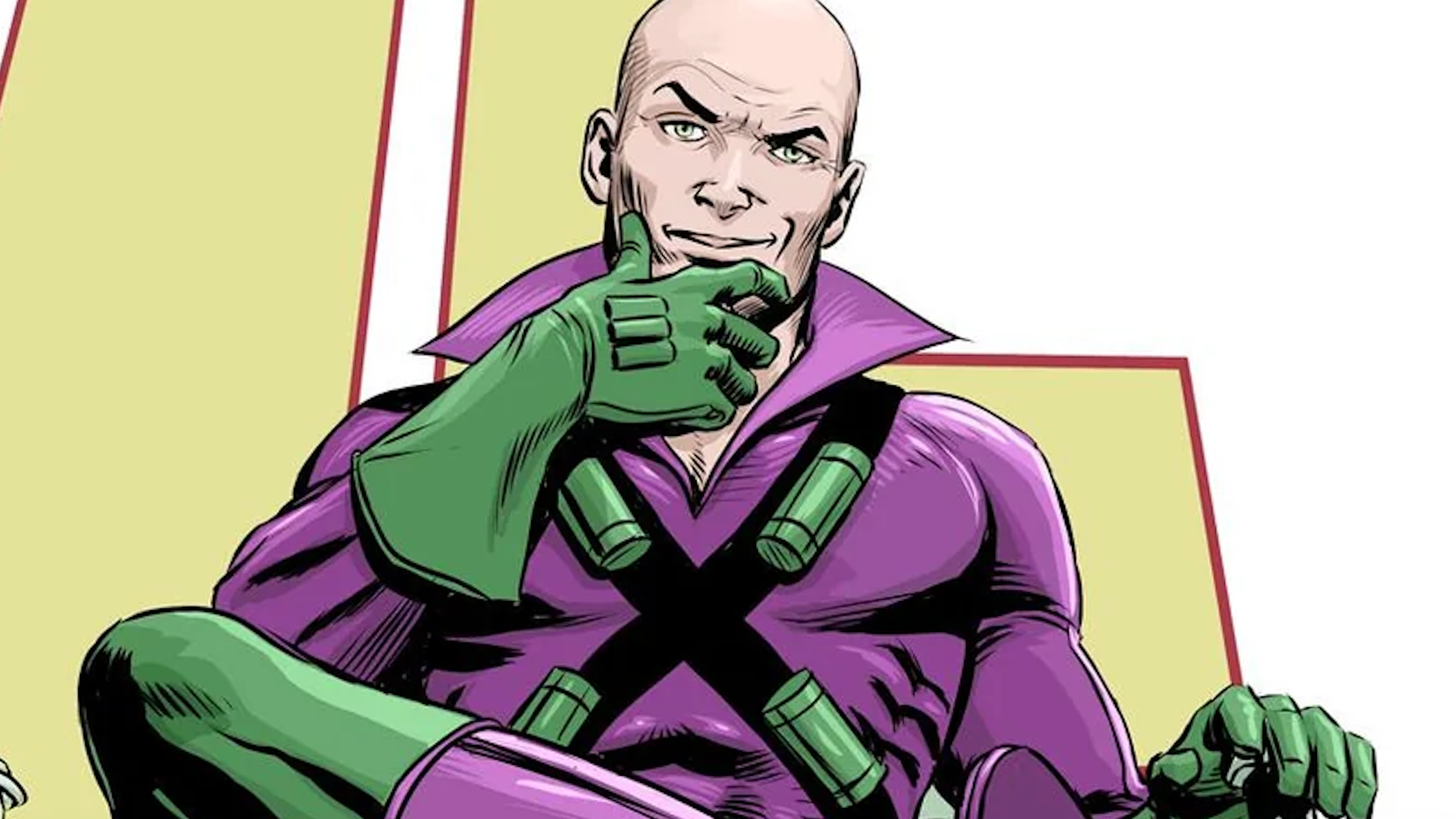
Lex Luthor has been a major comic book villain since the 1940s, constantly clashing with Superman. Despite his reputation as an evil genius, many stories have explored the more sympathetic side of Lex. Beloved issues like Superman #164 and #416 show his potential for goodness, suggesting he could be a better person if he could overcome his pride and resentment. Given that he fights such an inspiring hero, it’s not surprising that Superman often manages to spark a glimmer of hope even in Lex Luthor.
Lex Luthor’s story usually ends with him either remaining a bitter villain or being inspired to change by Superman. Because Superman is such a hopeful figure, Lex has actually become a hero several times throughout the years, most recently in the 2023 Superman comic run by Joshua Williamson. However, being Superman’s most famous enemy, Lex inevitably returns to villainy, repeating the cycle. Since the New 52 reboot, he’s become a hero three times already, so it’s likely we’ll see him attempt redemption many more times in the future.
1) Damian Wayne

Damian Wayne perfectly illustrates a common storytelling issue. When he first appeared, Damian was portrayed as a spoiled and demanding child who acted like an adult, even though he was emotionally immature. He was often harsh and didn’t seem to value life, which was intentional – these qualities contrasted sharply with Batman’s principles. This set the stage for a character arc where, through interactions with Dick and Bruce, he would grow and improve. Ultimately, Damian evolved into a true hero, dedicated to saving lives and protecting others.
It’s not surprising that Damian often reverts to being a spoiled and difficult child, as that’s how he originally made a strong impression. It feels like each new writer on the character portrays him as if they’re writing a story from a decade ago. Damian repeatedly falls into immaturity and irresponsibility, then goes through a predictable arc of growth, learning to improve and connect with his father and family. The recent Batman and Robin (2023) series perfectly illustrates this; Joshua Williamson’s story focused on Damian and Bruce building a father-son relationship and Damian adapting to teenage life, and then Phillip Kennedy Johnson continued with essentially the same themes of father-son bonding and Damian’s adjustment to being a typical teenager.
Comic book characters demonstrate that strong development can really engage readers, but using the same character arcs repeatedly can actually lose their interest. Maintaining the familiar is important in comics, but stories should evolve with character growth more frequently than they currently do.
https://comicbook.com/comics/list/10-dc-supervillains-who-defined-the-1990s/embed/#
Read More
- What Song Is In The New Supergirl Trailer (& What It Means For The DC Movie)
- Eurogamer Gives ARC Raiders 2/5 Over AI Voices, Dropping Metacritic Score from 94 to 84
- Gold Rate Forecast
- Beyond Standard Models: Unveiling Hidden Quantum Advantage in Particle Collisions
- Starfield PS5 Won’t Play Off Physical Disc without a Download
- Avengers: Endgame’s Success is Still Impossible to Copy
- Marathon is Taking Aim at Bubble Shields, Knives, Snipers and More in Upcoming Balance Patches
- Global Easing Boils Over – So Why Is Bitcoin Still Playing Hard to Get?
- Kylo Ren’s Darkest Moment: A Shocking Echo of Anakin’s Infamous Past
- 10 Essential 2025 Movies Streaming In December (& Where To Watch Them)
2025-12-15 22:13