What does “indie game” really mean these days?
People have been debating these terms for years, and as the video game industry changes, the discussions keep coming up because it’s still a confusing topic for many.
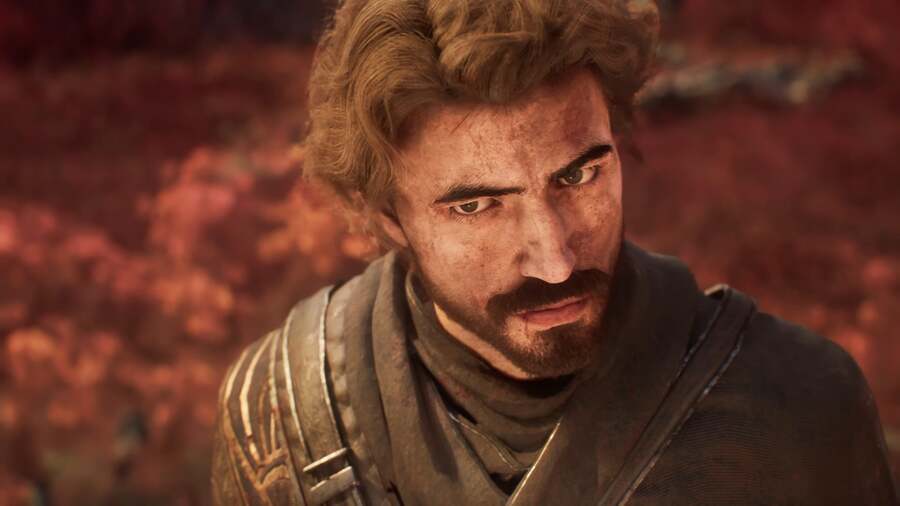
Fast forward to The Game Awards 2025, and Clair Obscur: Expedition 33 was a big winner, taking home the award for Best Independent Game.
The game’s win has sparked debate online, but not about the victory itself – rather, whether it truly qualifies as an independent, or ‘indie,’ game. Opinions are divided, with some arguing it fits the definition and others strongly disagreeing.
The word “indie” simply means independent. Specifically, it usually refers to a small record label or film company that isn’t owned by a major corporation. Most definitions agree that “indie” describes a production company that operates without being part of a larger entity.
The term ‘indie game,’ as it’s used now, originally referred to games created and published by companies that weren’t part of the mainstream industry.
These games were often made with limited funding, lacking support from major investors or publishers. As a result, they were usually smaller in scale, developed more quickly, and had simpler graphics compared to large, commercially-driven games.
As a gamer, I’ve really noticed how digital stores like Steam and the PlayStation Store have changed things. They’ve made it way easier for small indie teams to release their games directly to us, and honestly, it’s been amazing. We’re getting so many more unique, interesting, and sometimes really strange games now, which is awesome for the whole gaming scene!
It didn’t take very long, however, for the definition of “indie game” to become somewhat muddled.
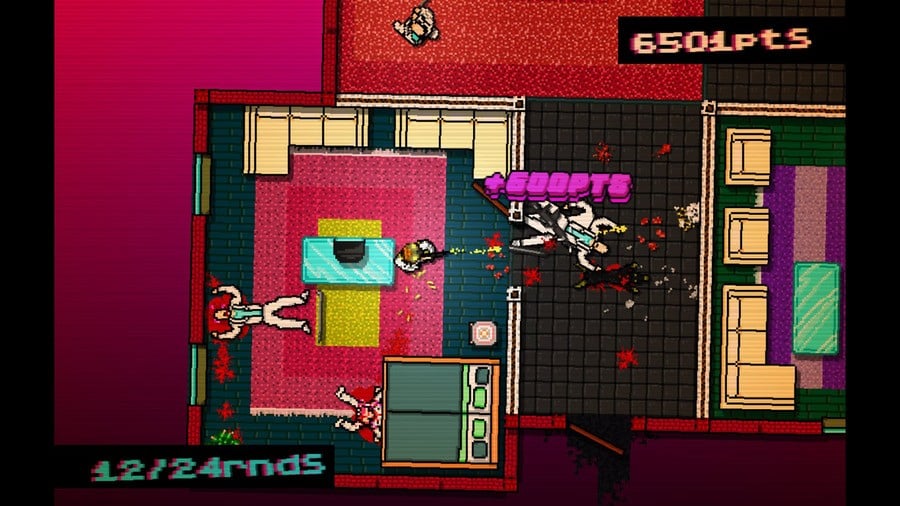
Hotline Miami is a good example of an independent game that benefited from publisher assistance. It was created by Dennaton Games and published by Devolver Digital.
Although only two people created the game, some believe its label as an ‘indie’ game doesn’t quite fit because of the publisher Devolver’s significant role.
The situation with Expedition 33 is similar today. While the game was largely created by Sandfall Interactive, a small French team of about 30 people, it was actually released by Kepler Interactive.
So, Kepler Interactive started as a group of seven indie studios teaming up and sharing resources. But they don’t just publish games made by themselves – they’ve also brought on titles from other developers, like Pacific Drive and Tchia. I’m really excited about their next release, Ontos, too!
There’s been some discussion about whether Expedition 33 should be considered an indie game, and it’s not simply about who published it. The game’s budget also plays a key role in that classification.
The game was made for under $10 million, which is remarkable considering how expansive it is compared to games from major studios that typically cost ten times as much.
Some people question the reported budget, arguing that millions of dollars is too high for a truly independent game, and that it might actually be a ‘double-A’ title – a step up from indie but not a major, blockbuster release.
We think the term “indie” isn’t as helpful as it used to be. As the gaming scene evolves, the definition of “indie” has become increasingly broad. Now, many companies often labeled as “indie,” such as Devolver, Annapurna Interactive, and Finji, are actually supporting and publishing smaller games themselves.
Out of all the nominees for Best Independent Game at The Game Awards, only Hades 2 and Hollow Knight: Silksong were published by their own development teams.
This suggests that defining an indie game isn’t so simple. It’s more about a feeling or a shared understanding than strict rules – maybe even more so than technical details.
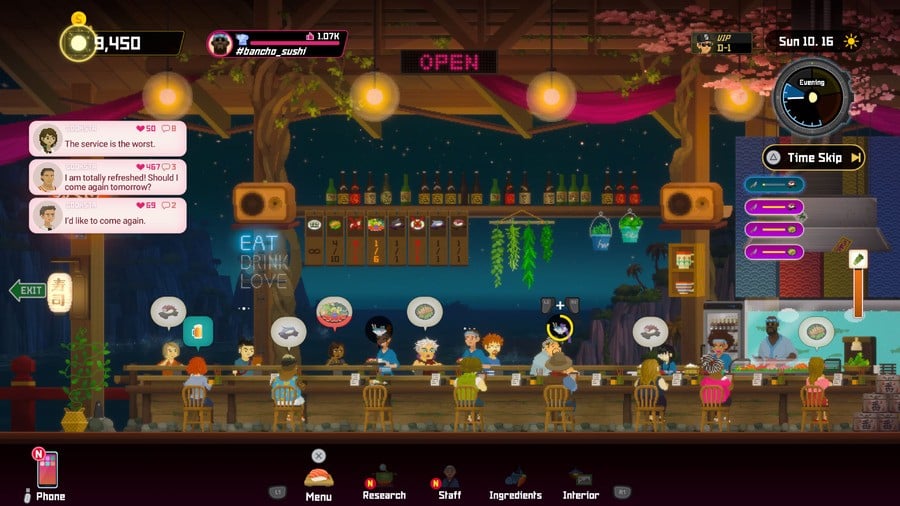
Dave the Diver springs to mind as an example of what we mean.
Mintrocket, a company owned by Nexon of South Korea, created and released the game.
The game quickly became popular, but people mostly considered it an ‘indie’ title because of how it looked. Its pixel art, playful humor, and creative gameplay led many to assume it was made by a small, independent team.
It was even nominated for Best Independent Game at The Game Awards in 2023.
While many people know Mintrocket created Dave the Diver, their connection to the larger company Nexon isn’t as widely recognized. The team has also stated they don’t identify as an independent, or ‘indie,’ game developer or consider their game an indie title.
It’s unlikely we’ll ever have a clear answer to what ‘indie’ really means, because the definition is so complicated and unclear.
We’re curious to hear your opinion: Do you think Clair Obscur: Expedition 33 qualified as an indie game for The Game Awards? What does the term “indie” mean to you now? Share your thoughts in the comments below.
Read More
- What Song Is In The New Supergirl Trailer (& What It Means For The DC Movie)
- TV legend Carol Kirkwood reveals the reasons why she decided to retire after 28 years with BBC
- Highly Anticipated Strategy RPG Finally Sets Release Date (And It’s Soon)
- Dune 3 Gets the Huge Update Fans Have Been Waiting For
- Way of the Hunter 2 adds PS5, Xbox Series versions
- The Most Surreal Moments From the O.J. Simpson Murder Trial
- Grab These Resident Evil PSN Avatars for Free This Month
- Gold’s March Madness: Plumbing, Panic, and Polish Central Banks
- Whales, Channels, and the Inevitable Dance of Folly
- The War Film Harrison Ford Completely Disowned Finally Returns to Streaming – “A Terrible Experience”
2025-12-17 21:07