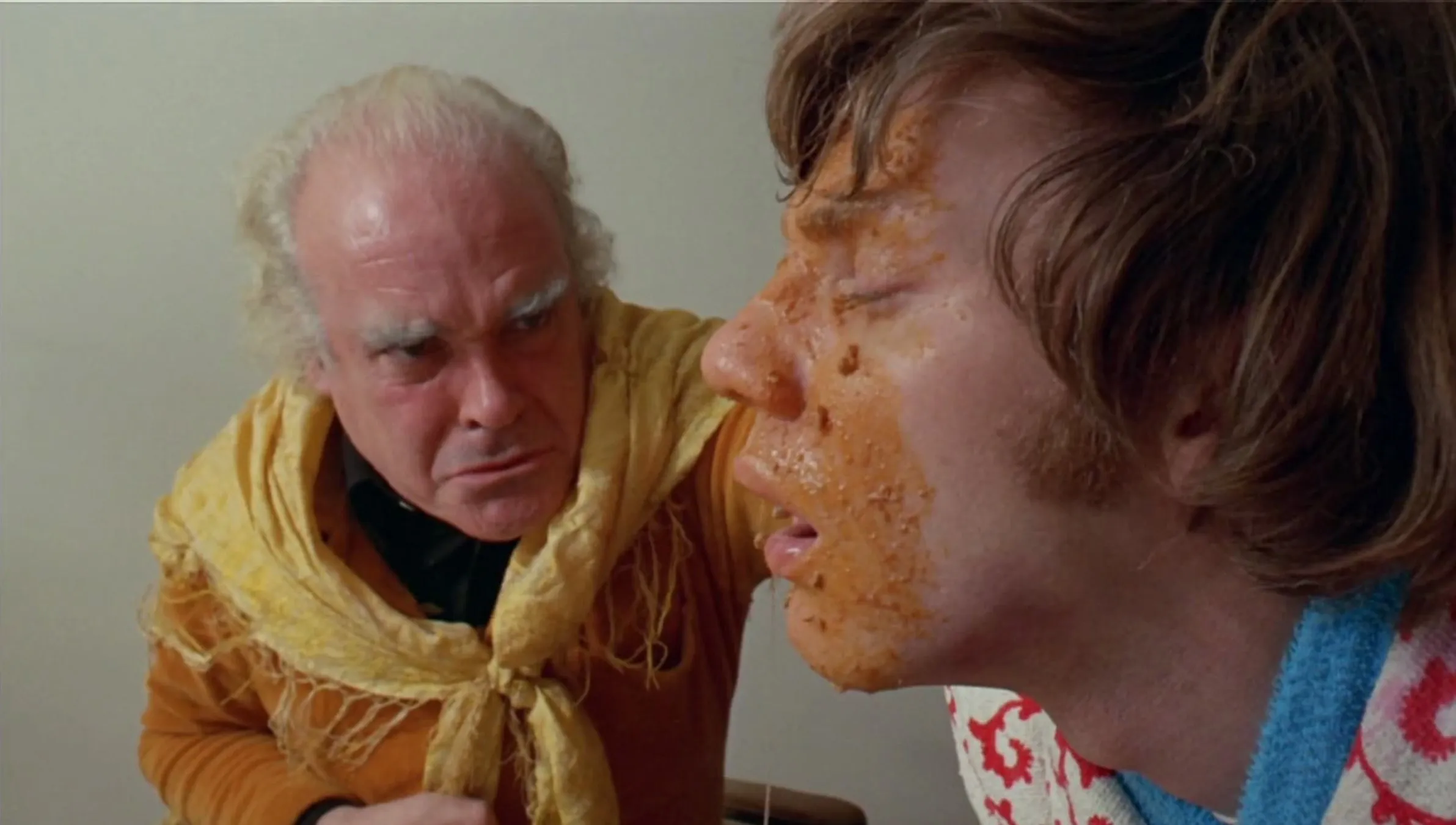
It’s been a while since a movie truly sparked widespread anger – not just fan disappointment, like with some recent Star Wars choices. Over the last six years, only a handful of films have caused significant controversy, such as The Hunt, which depicted people killing each other for political reasons, and Joker, which raised concerns about inspiring real-life violence. Ultimately, these controversies faded quickly; both films were released, were profitable, and didn’t lead to any harm. However, that hasn’t always been the case.
Today marks the 54th anniversary of the US release of Stanley Kubrick’s A Clockwork Orange. Kubrick’s films often sparked debate upon release, frequently dismissed by early reviewers but ultimately embraced by audiences and critics alike. A Clockwork Orange followed this pattern, but its impact went far beyond simple disagreements about quality. The film generated significant public controversy, leading to changes in the movie itself and even a decades-long ban in several countries.
A Clockwork Orange’s Depiction of Violence Was Shocking at the Time
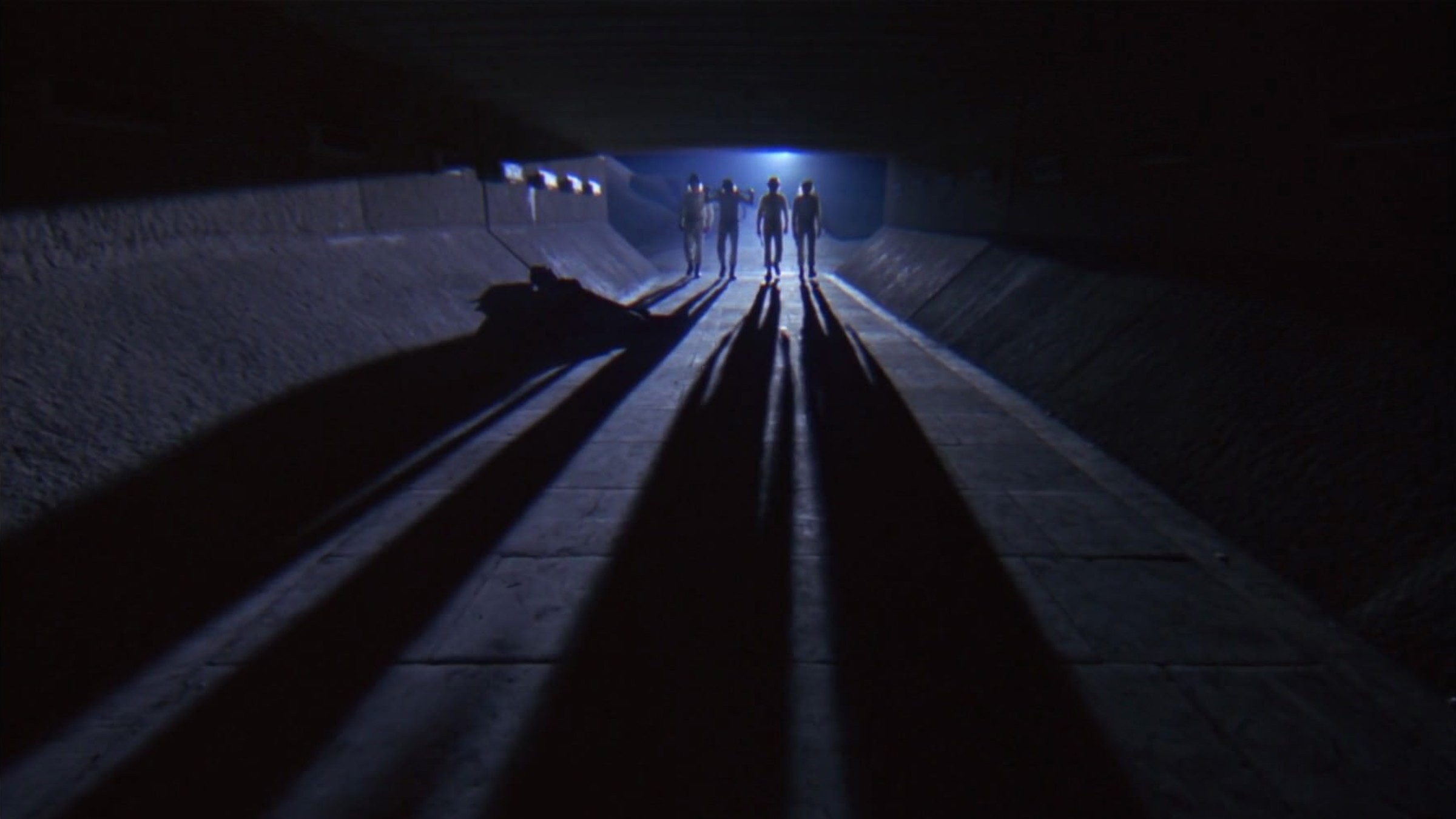
I remember being absolutely floored when I first saw Kubrick’s A Clockwork Orange. It doesn’t pull any punches, immediately throwing you into this bleak, disturbing world of gangs who just terrorize people – beating up the homeless, breaking into homes, and engaging in awful violence, not to mention constantly fighting each other. What struck me most was how unflinching it was; Kubrick didn’t shy away from showing any of it. Even though films like Bonnie and Clyde and The Wild Bunch had already started pushing boundaries, A Clockwork Orange felt like a whole other level of shocking. It originally received an X rating here in the US, which isn’t surprising, but I heard Kubrick actually trimmed about thirty seconds to get it down to an R rating.
The controversy surrounding the film wasn’t just about its disturbing content, but also about its possible connection to real-life crimes. Several criminal cases in the UK, where the film was shot and where Kubrick lived, involved teenage defendants who seemed to be influenced by A Clockwork Orange. For example, a 16-year-old who confessed to killing an elderly man said his friends had told him about a similar event in the movie, even though he hadn’t seen it himself. The media aggressively connected the film’s violence to youth crime, leading Kubrick to ultimately request that it be withdrawn from British cinemas.
Stanley Kubrick strongly denied that his film, A Clockwork Orange, had any connection to real-life violence, arguing that even deep hypnosis couldn’t make people act against their core beliefs. The film was so controversial that it was nearly impossible to see in the UK for decades, only becoming available again after Kubrick’s death. Several other countries, including Ireland, Spain, South Korea, Singapore, and South Africa, initially banned it altogether, though they eventually allowed its release with edits or censorship. Because of its troubled history, Entertainment Weekly once ranked A Clockwork Orange as the second most controversial film ever made, behind only Mel Gibson’s The Passion of the Christ.
A Clockwork Orange Was Still Nominated for Best Picture
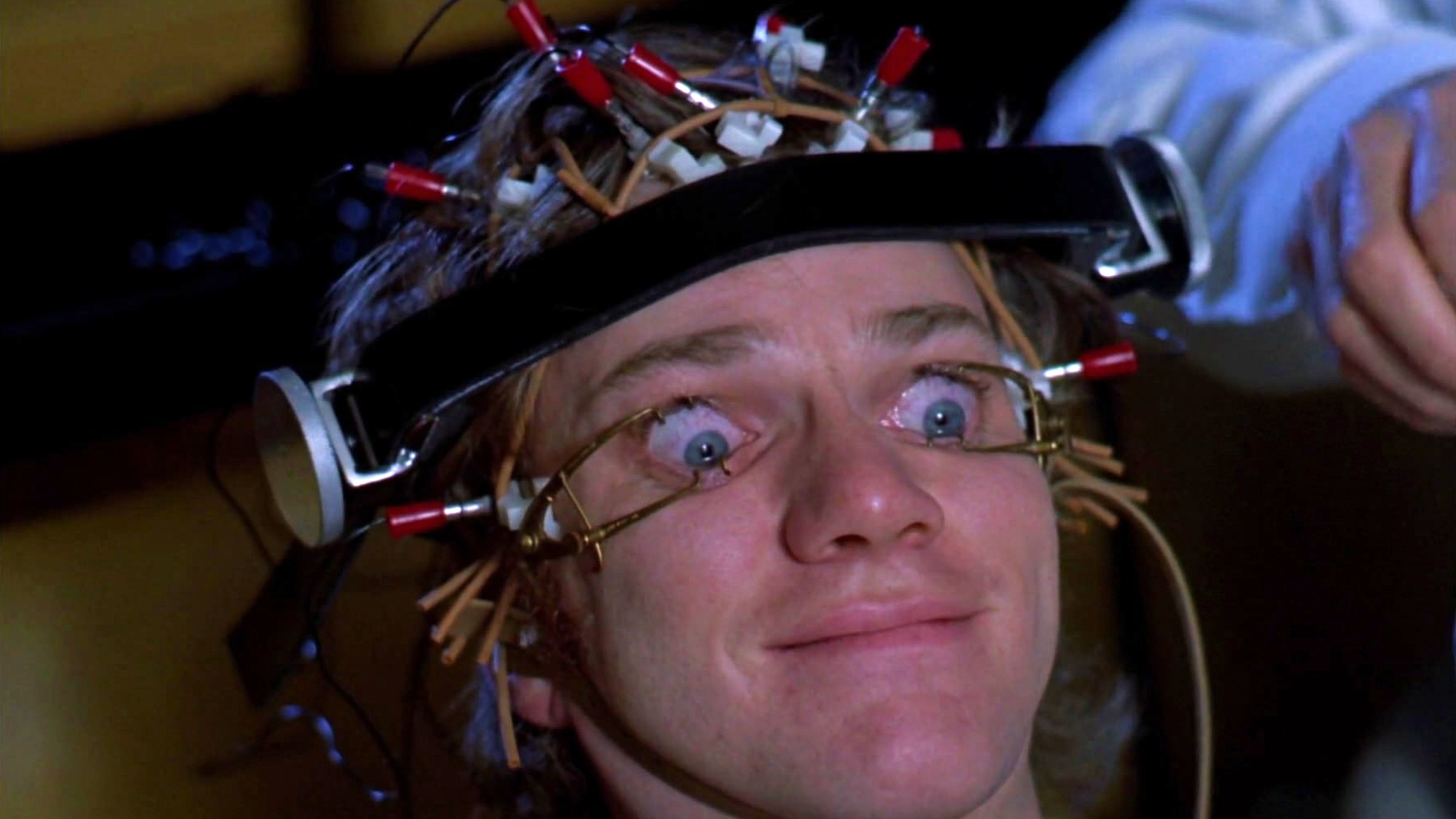
Even though critic Roger Ebert gave A Clockwork Orange a lukewarm review, calling it a product of right-wing paranoia, the film proved incredibly popular with audiences and earned a lot of money. Despite being controversial and receiving mixed reactions when it came out, A Clockwork Orange, like most films directed by Stanley Kubrick, was still well-respected within the Hollywood film industry.
When the Oscars arrived, A Clockwork Orange received nominations for Best Picture, Best Director, Best Adapted Screenplay, and Best Film Editing, but ultimately lost in all those categories to The French Connection. This made three films in a row – following Dr. Strangelove and 2001: A Space Odyssey – for which Kubrick was nominated for Picture, Director, and Adapted Screenplay, a pattern that continued with his next film, Barry Lyndon. However, the acclaim for A Clockwork Orange didn’t stop at the Oscars; the New York Film Critics awarded it their Best Picture prize, and the National Society of Film Critics nominated it for Best Picture, Best Actor, and Best Director.
Years after the controversy surrounding its connection to real-world violence, A Clockwork Orange is now firmly established as a masterpiece and a key work in Stanley Kubrick’s filmography. Beyond the critical acclaim, the movie has had a significant impact on science fiction and filmmaking. Kubrick boldly presented a disturbing dystopian vision, inspiring directors like Ridley Scott, Quentin Tarantino, Danny Boyle, and Christopher Nolan.
https://comicbook.com/movies/news/45-years-later-the-shining-discovery-photo-santos-casani/embed/#
Read More
- Gold Rate Forecast
- Dialoop coming to Switch on June 17
- Adam Levine Looks So Different After Shaving His Beard Off
- 10 Movies That Were Banned in Different Countries For Random Reasons
- Steam Makes Sci-Fi Game 100% Free for 72 Hours
- Nintendo Switch 2 Reportedly Getting Remake of One of the Best PS3 and Xbox 360 Games
- Welcome to Demon School! Iruma-kun season 4 release schedule: When are new episodes on Crunchyroll?
- Tekken 8 Fans Furious as Tifa Tipped for Street Fighter 6 Instead
- Crimson Desert Guide – How To Unlock All Elemental Skills
- When Things Fall Apart: A New View of Phase Transitions
2025-12-19 21:41