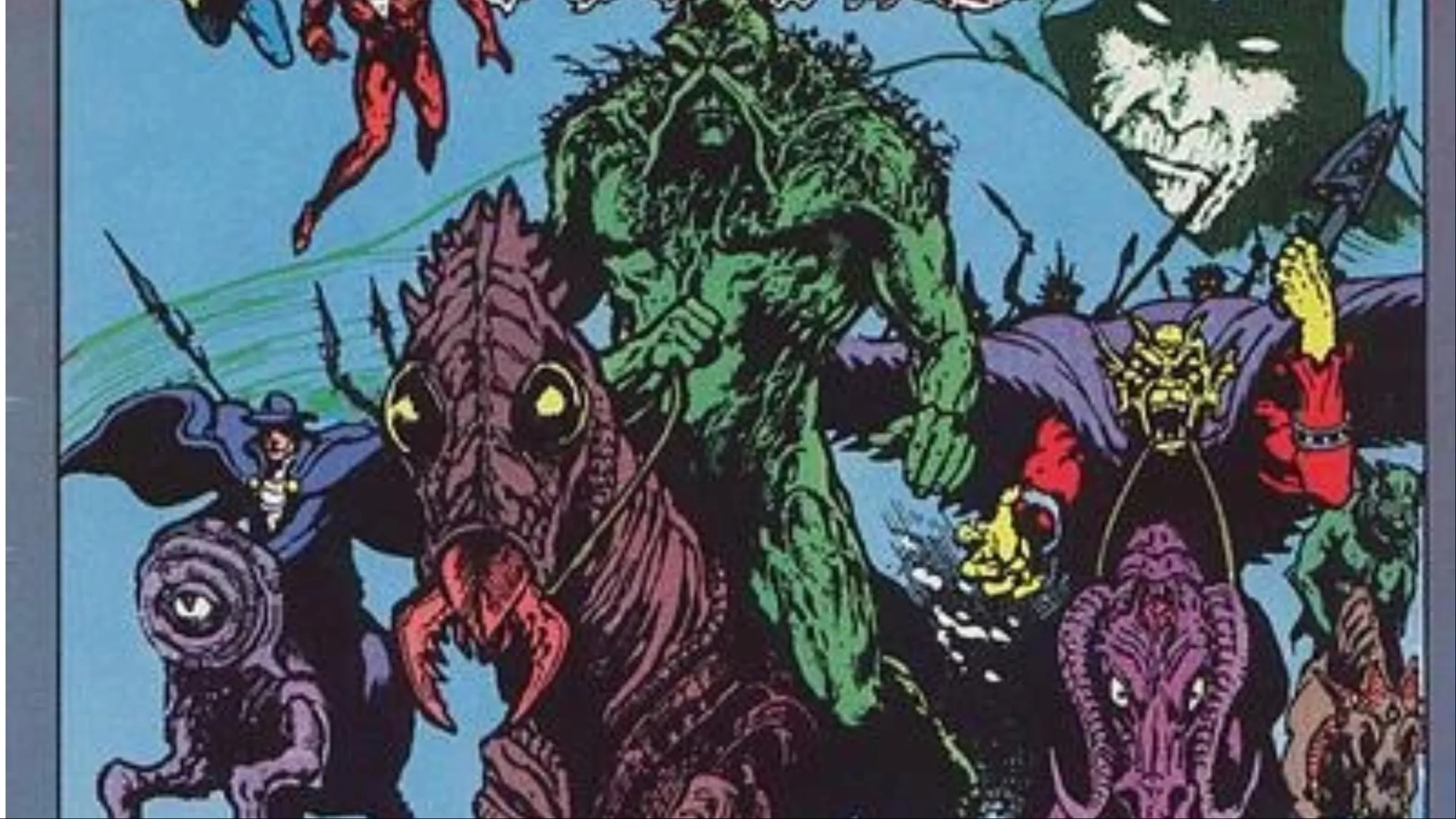
Alan Moore is a highly celebrated comic book writer. He stepped away from the industry in 2019, but left behind a remarkable legacy, most famously through his work on Watchmen, created with artist Dave Gibbons. This 12-part series introduced iconic characters and is widely considered a masterpiece, raising the standard for superhero comics. The story’s writing and artwork are exceptionally well-done and are often praised as being groundbreaking.
While Watchmen is rightfully hailed as a landmark achievement, Alan Moore had already established himself as a phenomenal writer before it. He first gained significant attention in the American comic scene with Saga of the Swamp Thing (specifically issue #20, though many believe it was #21). His work on Swamp Thing quickly made him a star, allowing him to craft truly unique and innovative stories. Some even argue that his greatest work before Watchmen was the 1985 Swamp Thing epic, “American Gothic” – a story that, in many ways, rivals or even surpasses the quality of Watchmen and deserves more recognition.
“American Gothic” Was Pitch Perfect Superhero Horror
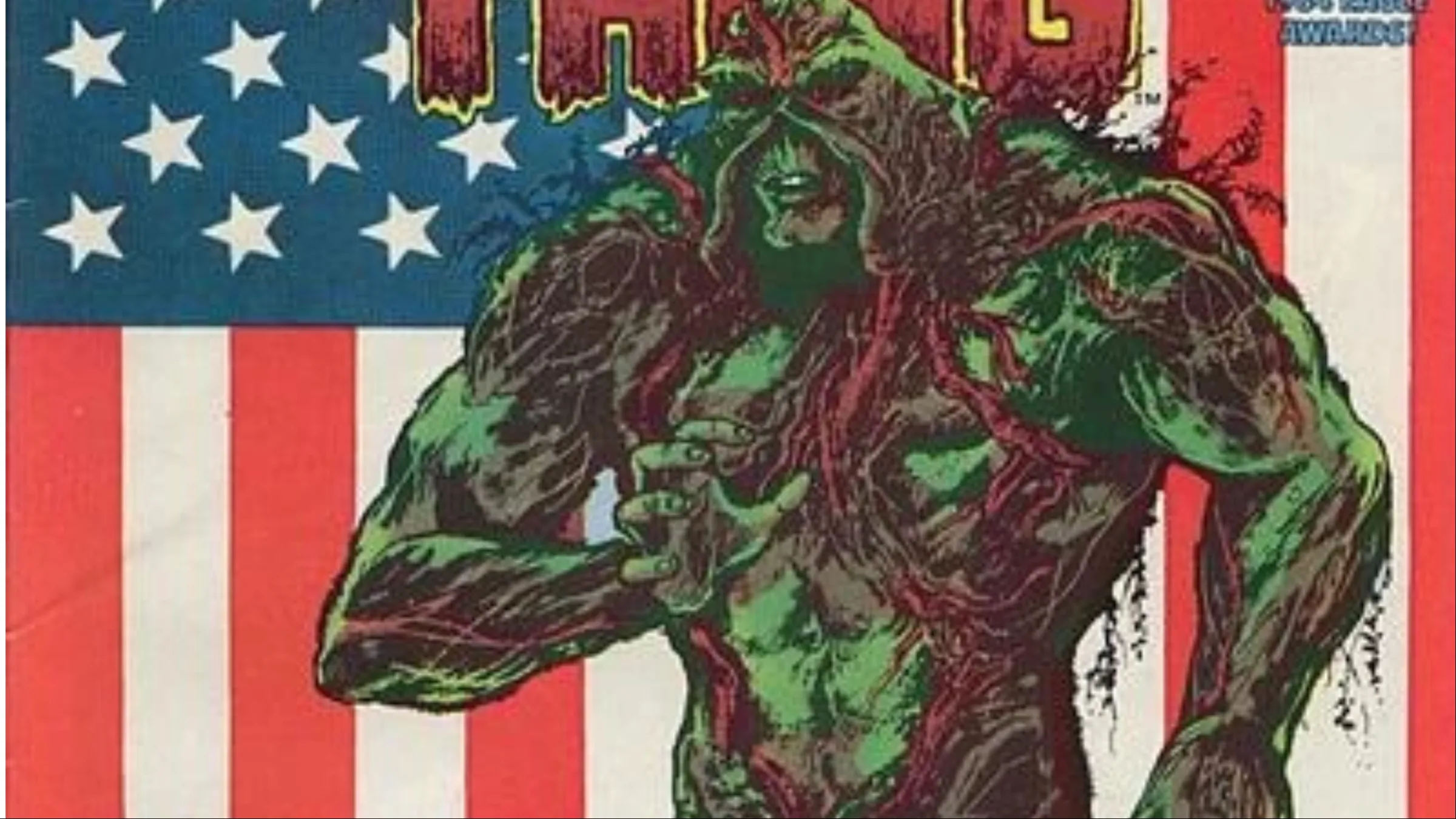
Alan Moore’s run on Swamp Thing is widely considered a landmark achievement in comics. Working with artists Simon Bissett, John Totleben, colorist Tatjana Wood, and editor Karen Berger, the team leaned into the character’s horror roots while exploring the surprisingly human side of Swamp Thing—even though the story established he was no longer actually human. The series was emotionally resonant, genuinely frightening, and tackled important issues like environmentalism. It was a remarkably mature book for its time, culminating in the acclaimed “American Gothic” storyline.
The plot is straightforward: John Constantine enlists Swamp Thing for a secret mission, sending him across the United States to defeat various monsters. Issues #37-50 of Swamp Thing (Vol. 2) largely consist of self-contained stories, but these adventures subtly build toward a larger threat. Eventually, it’s revealed that the monsters were all part of a scheme to unleash the Great Darkness – an ancient, destructive force – and consume all of reality. This culminates in an epic battle in Hell, where angels, demons, natural forces, and human magic users unite to prevent the unthinkable.
Even if it were just a thrilling superhero story, this would rank among the best DC comics of the 1980s. But what truly makes it special is how Alan Moore used it to explore American society – a theme he consistently returned to throughout the series. He tackled issues like the growing influence of corporations, the historical treatment of Native Americans and women, America’s relationship with guns, and the persistence of racism. Moore aimed to expose a darker side of the United States, using the framework of superhero horror to reflect it. “American Gothic” masterfully blends reality and the fantastical, creating a compelling and multi-layered story that holds your attention throughout its 14 issues.
The writing in this series is exceptional, and the artwork is just as good. Several artists contributed stunning visuals, including Bissette, Totleben, and Wood, as well as Rick Vietch, Stan Woch, Ron Randall, and Alfredo Alcala. While Totleben is my personal favorite from this run, I particularly enjoy the issues illustrated by Woch and Vietch. Totleben’s work is consistently amazing, and the final issue—an epic battle against the Great Darkness in Hell, featuring all of DC’s magical characters—truly showcases the story’s grand scale. This story has everything and, in my opinion, surpasses even Watchmen.
“American Gothic” Was Moore At His Best
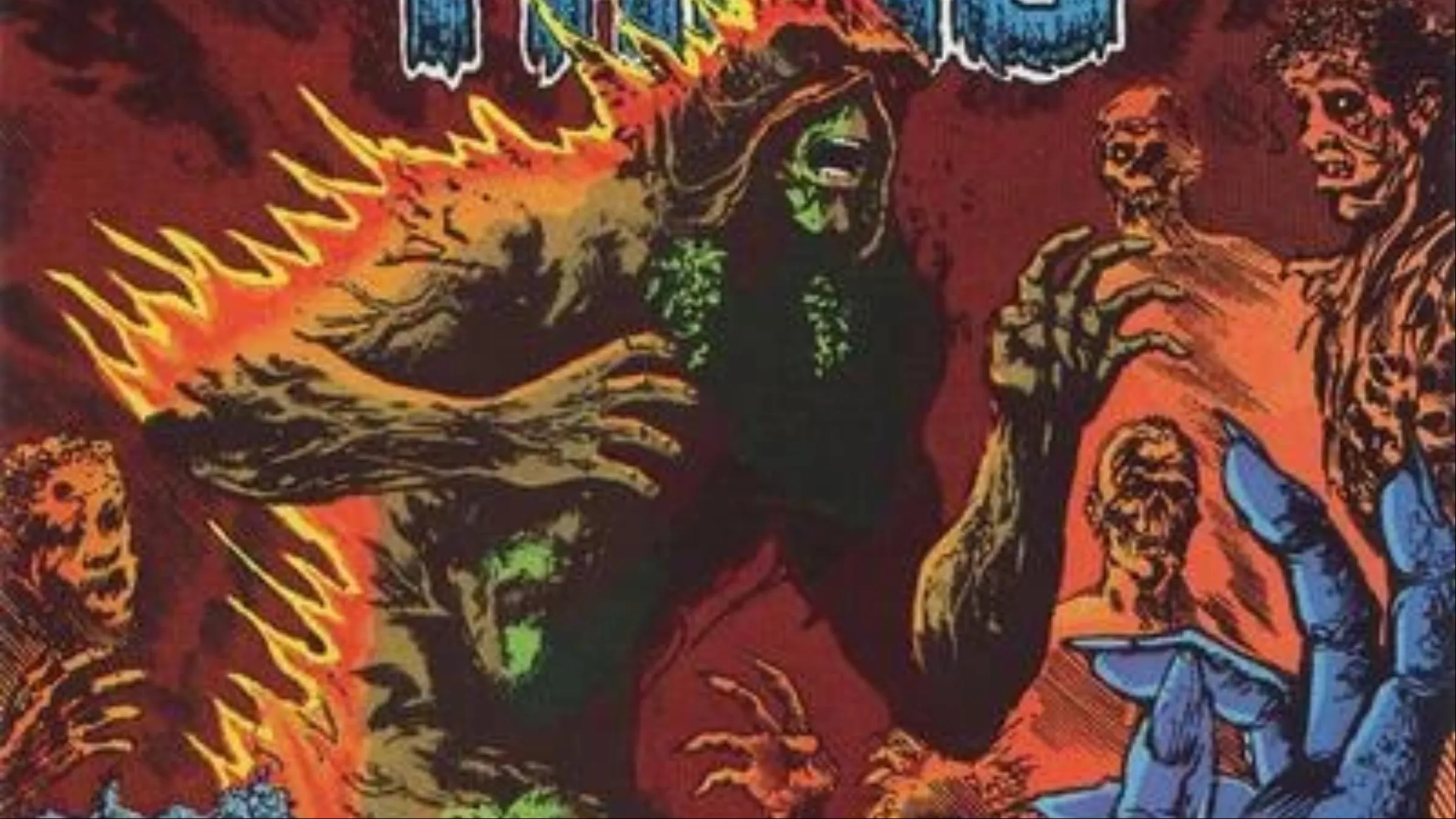
Alan Moore is a highly respected figure in the world of comics, and for nearly four decades, Watchmen has been considered his masterpiece. While Watchmen, released in 1986, is a brilliant and complex story, I find myself appreciating Moore’s 1985 run on Swamp Thing even more as time goes on. Although Watchmen is impressively layered, Swamp Thing (issues #37-50 of the second series) truly excels at telling a powerful story about the essence of America and what it means to be American.
Often, with Watchmen, the storytelling method feels more significant than the story itself. “American Gothic” doesn’t have that issue. Every issue is packed with meaning – about the characters, the plot, and America – constantly keeping you engaged. Moore expertly guides you through a narrative full of unexpected twists. It’s a truly exceptional experience, comparable in maturity and quality to Watchmen, but its powerful exploration of social issues elevates it further. If you haven’t read it, especially even if you’re unfamiliar with Moore’s Swamp Thing, you absolutely should. It’s a shockingly brilliant work.
https://comicbook.com/comics/news/10-greatest-dc-stories-of-the-2020s/embed/#
Read More
- Adam Levine Looks So Different After Shaving His Beard Off
- Gold Rate Forecast
- Steam Makes Sci-Fi Game 100% Free for 72 Hours
- From season 4 release schedule: When is episode 2 out on MGM+?
- Nintendo Switch 2 Reportedly Getting Remake of One of the Best PS3 and Xbox 360 Games
- Dialoop coming to Switch on June 17
- 10 Movies That Were Banned in Different Countries For Random Reasons
- Tekken 8 Fans Furious as Tifa Tipped for Street Fighter 6 Instead
- Welcome to Demon School! Iruma-kun season 4 release schedule: When are new episodes on Crunchyroll?
- When Things Fall Apart: A New View of Phase Transitions
2025-12-20 00:15