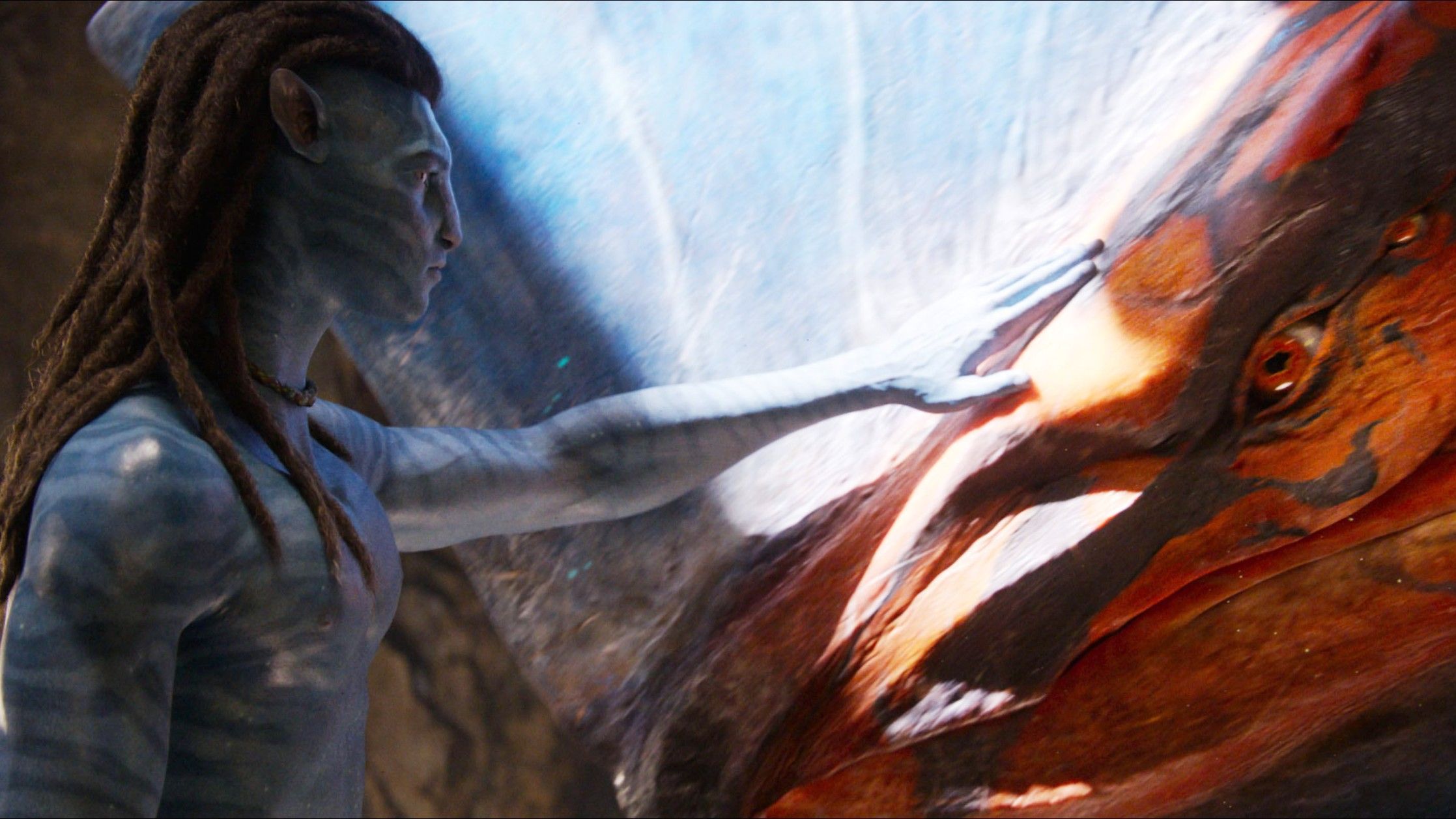
While generally well-received, reviews for Avatar: Fire & Ash have been somewhat muted. James Cameron’s latest Avatar film delivers the impressive visuals and action we anticipate from him, and critics acknowledge his technical skill. However, a common complaint is that the story feels familiar. In fact, Rotten Tomatoes’ consensus summarizes that the movie retreads old ground, repeating plot points from previous films in a frustrating way.
It’s not just a feeling – Fire & Ash heavily repeats elements from the previous Avatar films. The story mirrors the first movie with Jake reconnecting with Toruk and uniting the clans against the humans, and Eywa once again helps Pandora’s creatures fight back. Like in The Way of Water, the peaceful Tulkun break their code to attack whaling ships – this time on a much larger scale. Also, Quaritch again uses Jake’s family as bait, leading to a final, one-on-one showdown. Many scenes and images, like Toruk destroying a helicopter and the way the humans die in the sea battle, feel like we’ve seen them before.
Some critics have complained about the repetition in Avatar, suggesting James Cameron might be lacking new ideas. Others believe it’s a result of the long-term planning for the entire franchise, where the storylines for The Way of Water and Fire & Ash were originally meant for a single film but were later divided into two. However, such extensive callbacks seem deliberate. When viewed as a purposeful choice, it reveals the core idea behind the entire Avatar project.
Fire & Ash’s Familiar Ending Proves The Tulkun Have Always Been Right

A central question explored in both The Way of Water and Fire & Ash is whether the Tulkun are justified in maintaining their commitment to non-violence despite the danger humans pose. While both they and the Na’vi face potential extinction, they initially refuse to give up their long-held peaceful traditions, believing that violence only leads to more violence. The film suggests that Payakan, by fighting back against the whalers and protecting the Metkayina, is held responsible not only for the lives he directly takes, but for all casualties resulting from the conflict.
Within the story, Payakan’s arrival is seen as a heroic victory, and the entire Tulkun clan joining the battle in Fire & Ash is presented that way by the characters. However, because director James Cameron deliberately echoes past events, it feels different for the audience this time around. As the intense action unfolds – with both allies and enemies falling – we realize how similar this fight is to previous ones. The big battle in The Way of Water, while justified, directly led to this even larger conflict, and we understand this one will likely lead to yet another.
As the story progresses, a sense of dread begins to build. Unlike the first Avatar film, Jake uniting the Na’vi feels less like a path to ultimate victory and more like a desperate call to make a final stand. Even gaining the support of the Tulkun isn’t enough; they still need a significant, almost miraculous intervention from Eywa to have a chance—which doesn’t feel like a lasting fix. Plus, the humans are still a powerful threat. Even though they win the battle, the heroes aren’t left feeling optimistic about the future.
Jake & Quaritch’s Twinned Arc Is Built Around The Violence Spiral

Looking back, the core of Avatar: Fire & Ash is really about this conflict. It starts with Jake questioning the Metkayina’s views on metal weapons – they believe these weapons corrupt the spirit of nature. This idea is further explored when Jake and Neytiri disagree about her anger towards humans. Jake wants to protect through force, while Neytiri seeks revenge for everything humans have taken. At first, it’s hard to say which approach is more damaging.
Honestly, the whole Spider situation really messes things up. I get that Jake’s realized he can’t guarantee Spider won’t be captured by the humans again, and the thought of them figuring out Kiri’s special abilities… that would be a disaster for Pandora. He’s basically convinced himself that killing Spider is the only way, which Neytiri was already prepared to do. But watching the scene play out, it hit me that it doesn’t really matter why you do something like that, whether it’s out of anger or because you think you have to. A kid still ends up dying, and that’s just heartbreaking.
Throughout the movie, Jake is haunted by the possibility of losing another son, hinting at his difficult relationship with Lo’ak. However, he nearly caused Spider’s death himself, with Spider poignantly calling him “Dad” as he faced danger. In a crucial moment, both Jake and Neytiri make the right decision, stopping a tragic outcome.
Quaritch is presented with a similar opportunity. After being forced to work with Jake to rescue Spider from the Mangkwan, Jake suggests that Quaritch could find fulfillment by embracing the Na’vi way of life and experiencing a deeper connection to the world – something humans are unable to achieve. However, Quaritch chooses to pursue a different path, seeking out Varang instead.
Cameron’s new character embodies the Tulkun’s urgent warning. Varang and her people suffered from a volcanic eruption, and feeling abandoned by Eywa—the guiding force of their world—she’s become its greatest adversary. As a spiritual leader, or tsahik, she doesn’t offer healing, but uses a kind of intoxicating influence. She actively seeks out and welcomes the humans’ metal weapons. Her method of killing is particularly cruel: she corrupts the Na’vi’s sacred mental connection, the Kuru, before destroying it—a fate Quaritch himself understands is worse than death. It’s this woman that Quaritch chooses as both an ally and a lover.
Fire & Ash’s Repetition Has Been The Point Of Avatar All Along
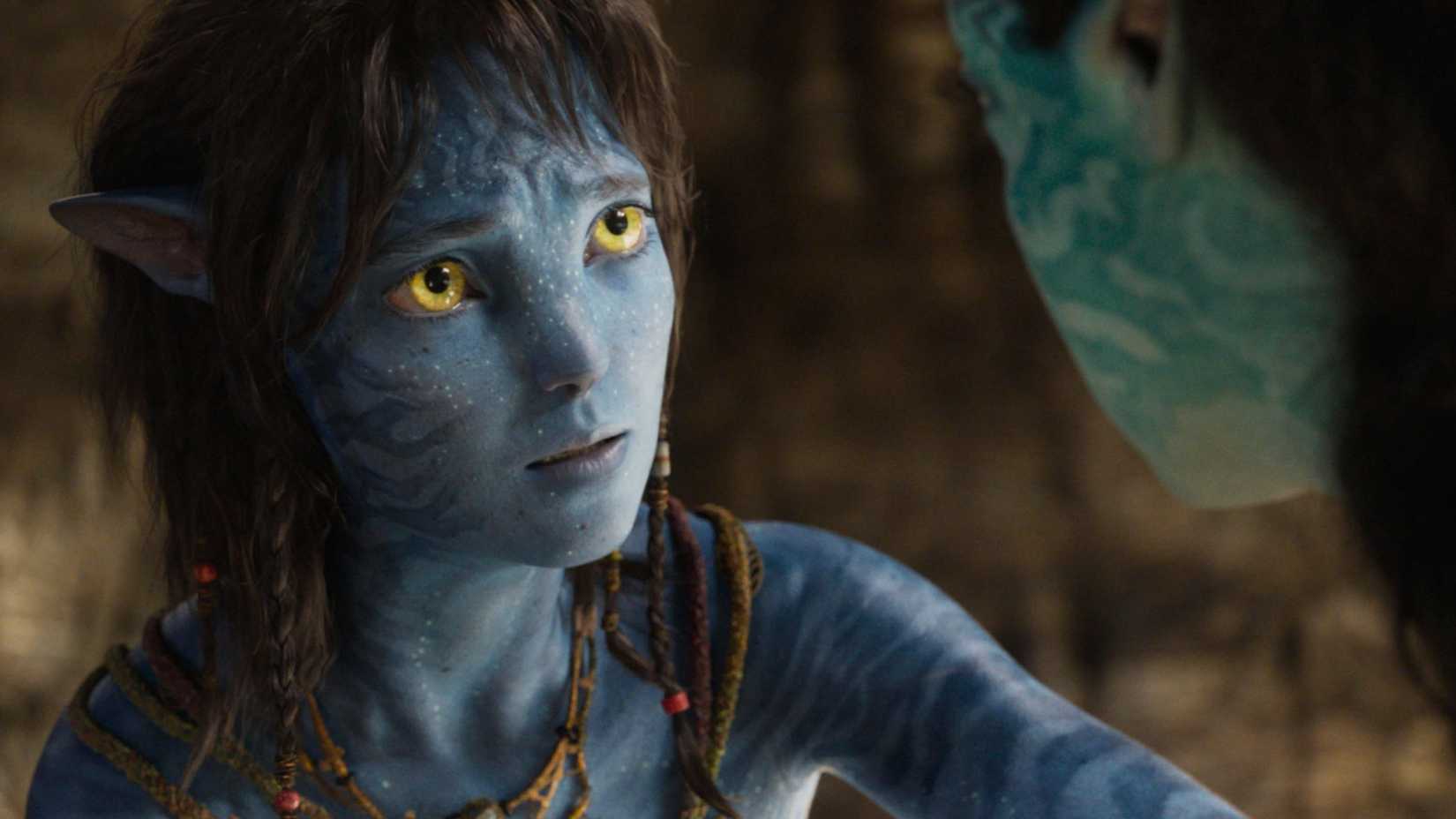
This decision leaves him isolated, abandoned by the military and estranged from his son, landing him in a familiar, difficult situation – much like after the events of The Way of Water. However, thanks to Spider, he hints at a potential change in direction during the climax of Fire & Ash. He finally realizes Jake and his people aren’t necessarily his enemies, even though accepting this is uncomfortable. Unfortunately, it’s too late for him to rejoin them, and he disappears into the mist, facing an uncertain future – if he even survives, he’ll be completely alone.
Subscribe to our newsletter for deeper film insight
Subscribe to our newsletter for deeper film insight
By subscribing, you agree to receive newsletter and marketing emails, and accept Valnet’s Terms of Use and Privacy Policy. You can unsubscribe anytime.
Watching the movie, it really hit me how much difference Jake’s decisions made. If Spider hadn’t helped Kiri reach Eywa, so many Na’vi would have died. And honestly, if Spider hadn’t stepped in during the fight with Quaritch, Jake was already hurt so badly he wouldn’t have stood a chance. But the most amazing part for me was seeing Spider connect with Eywa at the end – it felt like he truly became one of the People, and it was so rewarding after everything he went through.
This is a pivotal and optimistic moment for everyone involved, fitting perfectly with the film’s themes. Jake’s feared physical transformation doesn’t just allow humans to survive on Pandora, it allows them to truly connect with it, as the Na’vi do. If people can adopt the Tulkun’s way of life, there’s a path to a future where Pandora doesn’t share Earth’s fate.
The ending of Fire & Ash is dishearteningly realistic. While individuals can make good choices, it seems humanity as a whole is unable to change course. The endless cycle of conflict leaves a sense of being trapped in a pattern with unstoppable momentum. This contrast – individual good intentions versus collective failure – is at the heart of the Avatar franchise. Through constantly repeating this pattern, the trilogy powerfully shows us our connection to the environment. It suggests we are heading towards our own ruin, and unless we work together, we’re doomed to repeat this destructive cycle until it’s too late.
Read More
- Adam Levine Looks So Different After Shaving His Beard Off
- After AI Controversy, Major Crunchyroll Anime Unveils Exciting Update
- Trails in the Sky 2nd Chapter launches September 17
- Gold Rate Forecast
- Japan’s No. 1 Spring 2026 Anime Is the True Successor to an All-Time Great
- Xbox Game Pass Users “Blown Away” by New Exclusive Game
- Dialoop coming to Switch on June 17
- From season 4 release schedule: When is episode 2 out on MGM+?
- Phasmophobia limited-time event ‘Phasmophobia by Alan Wake’ announced
- Krauser Joins Fatal Fury: City of the Wolves, Big Anniversary Update Teased
2025-12-21 19:50