The greatest horror films ever made – both old and new – truly terrify audiences through skillful storytelling, not just cheap scares. Horror cinema’s roots stretch back to the earliest days of film, with iconic stories like Frankenstein and the visually striking German Expressionist films such as Nosferatu and The Cabinet of Dr. Caligari setting the standard.
Horror films have evolved over time, starting with the iconic monsters of Universal Horror and the suspenseful films produced by Val Lewton. Japan then added the thrilling genre of giant monster movies. Throughout this history, incredible films have emerged in all types of horror, including psychological thrillers, classic monster features, slasher films, and stories that explore social issues.
Evil Dead II (1987)
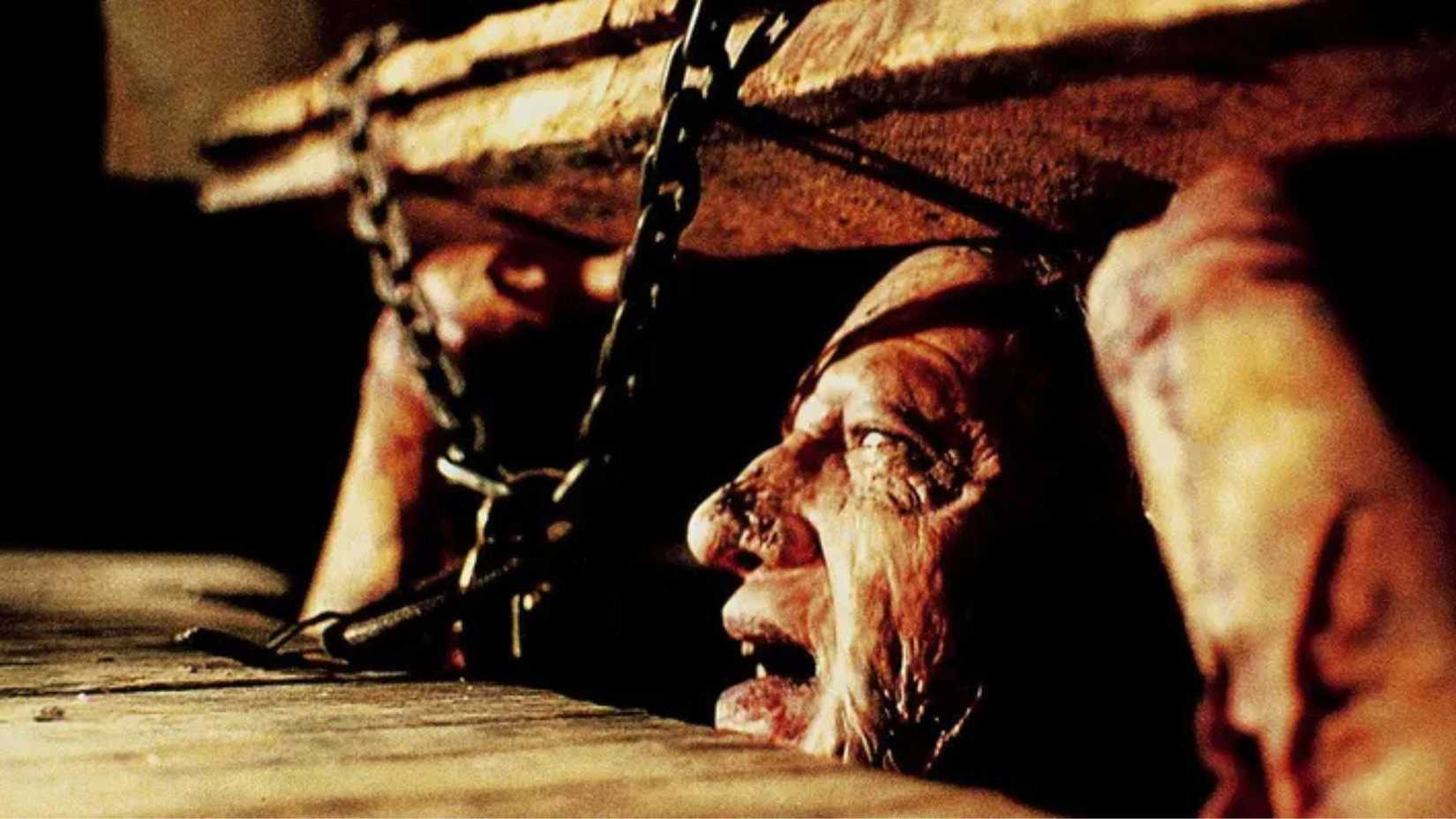
Sam Raimi’s 1981 film, The Evil Dead, immediately sparked controversy. It was labeled as a “video nasty” by concerned groups and criticized for its excessive blood, gore, and shocking content. Despite the backlash, the film received praise from Stephen King and eventually gained a dedicated following through home video releases, becoming a cult classic.
The first film is a remarkable example of low-budget filmmaking, and it’s a must-see for anyone starting out in the industry. However, when Sam Raimi released Evil Dead II in 1987, it was hugely successful and is now considered a classic horror film.
Although it might not have the same raw energy as the original Evil Dead, Evil Dead II boasts improved performances and sharper editing, while still showcasing Sam Raimi’s passion for creative, hands-on special effects. The movie is also significantly funnier, leaning into Raimi’s signature blend of slapstick and gore, and it remains a wonderfully over-the-top horror film even after nearly four decades.
Bride Of Frankenstein (1935)

Universal Studios launched its classic monster franchise in 1930 with the films Dracula and Frankenstein. They followed up with The Mummy and The Invisible Man, and then, ten years later, introduced The Wolf Man. Many fans consider Bride of Frankenstein, a sequel to the original, to be the studio’s best monster movie of that era.
After directing the original Frankenstein, James Whale revisited Mary Shelley’s story for a sequel. Bride of Frankenstein once again featured Boris Karloff as The Monster and introduced a Bride for him, created by Dr. Frankenstein and portrayed by Elsa Lanchester (who wasn’t credited for the role). The sequel explored elements of Shelley’s story that weren’t included in the first film.
The film powerfully illustrated the tragic reasons behind The Monster’s unhappiness. It also offered a chillingly early exploration of the harmful idea that some men feel entitled to a woman’s affection, regardless of their own behavior. More than just a horror movie, it tackled meaningful themes and remains remarkably impactful even today.
The Texas Chain Saw Massacre (1974)

Despite being made with a tiny budget of just $140,000, The Texas Chain Saw Massacre was incredibly effective and frightening – so much so that it convinced many viewers and censors it was even more gruesome than it actually was. The film centers around a group of young people who stumble upon a family of cannibals and become their victims.
Okay, so this movie got a lot of flak back in the day for being supposedly drenched in blood. Honestly, the reputation is way overblown – it wasn’t nearly as gory as everyone claimed. What director Tobe Hooper really excelled at was creating a truly terrifying atmosphere. He didn’t rely on shock value, but on building suspense and making you think you saw more than you actually did. It’s a masterclass in psychological horror, and the dread is what sticks with you long after the credits roll.
This film demonstrated that audiences were willing to watch gritty, violent content, paving the way for the slasher film craze that followed. It sparked controversy with groups dedicated to protecting viewers from horror, and notably established many of the common elements still seen in slasher movies today.
Dawn Of The Dead (1978)

In 1968, George A. Romero revolutionized horror films with his movie, Night of the Living Dead. This film introduced the modern zombie – the walking dead – as we know it today. Before Romero, zombies were typically depicted as part of Haitian voodoo lore, but he reimagined them as reanimated corpses rising from the grave.
Though that horror film was good, George A. Romero truly excelled a decade later with Dawn of the Dead. This sequel was a pointed critique of consumerism, illustrating how money and belongings become meaningless when society collapses and the dead roam the Earth.
A group of people found refuge in a locked shopping mall, enjoying a comfortable life while trying to survive. But their safe haven was shattered when a motorcycle gang broke in, turning it into a nightmare. Even now, this film is considered one of the greatest zombie movies ever made.
Alien (1979)
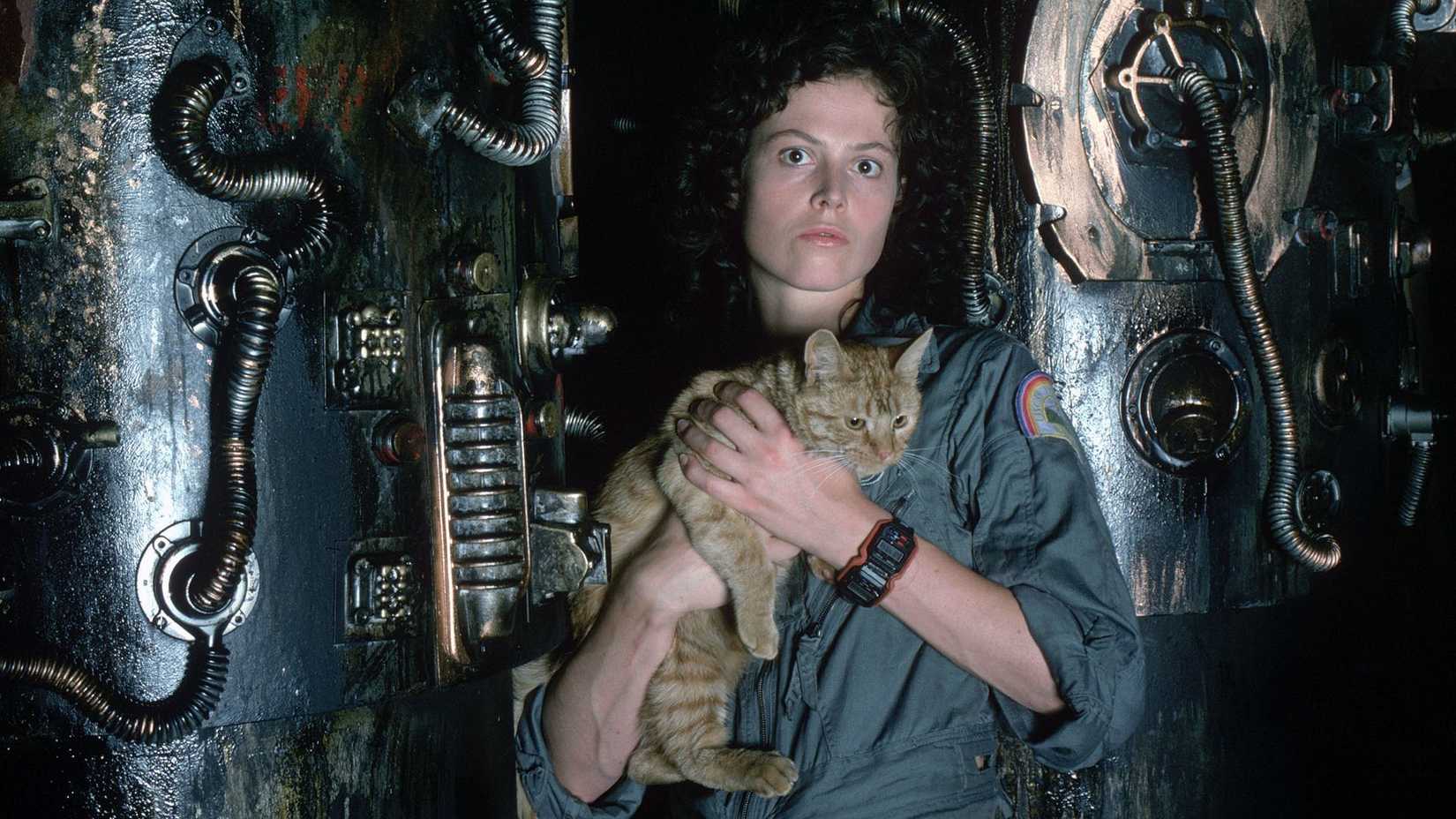
Ridley Scott’s 1979 film, Alien, brilliantly blended science fiction and horror, creating a classic that’s still popular today. Beyond launching a long-running franchise – with a new TV series planned for 2025 – the original movie continues to stand on its own as a genuinely frightening horror experience.
Ultimately, Alien is a classic haunted house story, but set on a spaceship. Instead of a creepy old house, the danger comes from an alien creature lurking on board. What really makes it scary is that the characters are trapped with no way to escape, and must face a terrifying fate.
As a huge movie fan, I always come back to the original Alien. While the sequels leaned more into science fiction, that first film genuinely holds its own as a horror classic – it was way scarier than most of the slasher flicks that were popular at the time. It really nailed the ‘Final Girl’ concept, and honestly, nothing that followed ever quite reached the same level. For me, it’s still the best Alien movie, hands down.
Get Out (2017)
Jordan Peele revolutionized horror films when he transitioned from comedy. After years of making people laugh, he surprised audiences by directing scary movies – his first film even received an Oscar nomination for Best Picture, a rare achievement for the genre. He’s known for adding important social messages to his films.
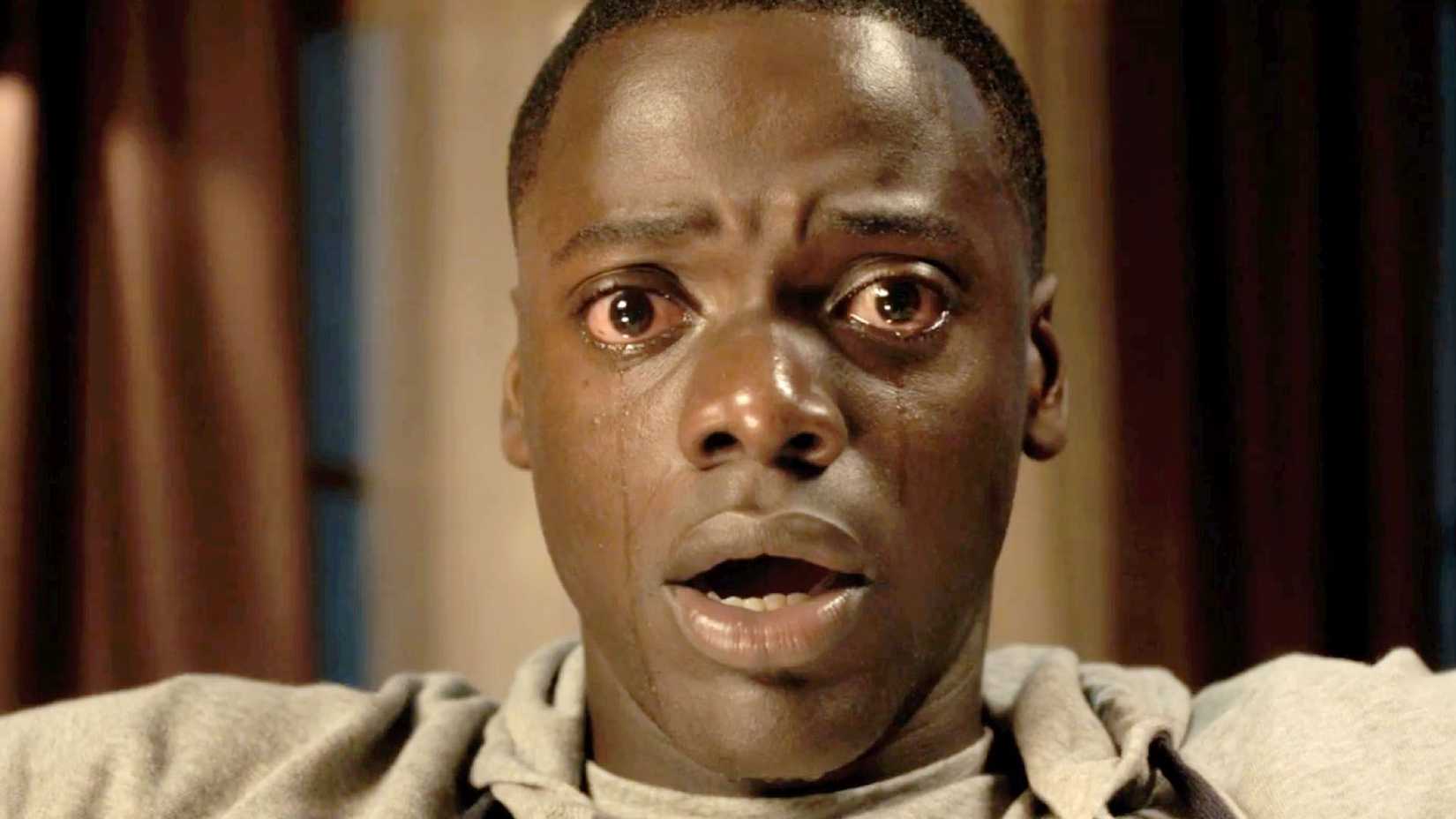
In the film Get Out, Daniel Kaluuya plays Chris, a young Black man visiting his white girlfriend’s family in the suburbs. Initially, they seem overly welcoming, but Chris soon discovers a disturbing and unique form of racism at play. He’s forced to struggle to protect his life and maintain his sense of self.
As a huge movie fan, I’ve been blown away by what Jordan Peele did – he basically kicked off this whole wave of horror that means something. His films like Us and Nope weren’t just scary, they really made you think. Now, Ryan Coogler seems to be continuing that trend, and his upcoming film Sinners looks incredible. It just proves these filmmakers can deliver a powerful message while still giving us that thrilling, edge-of-your-seat experience we expect from horror.
The Shining (1980)
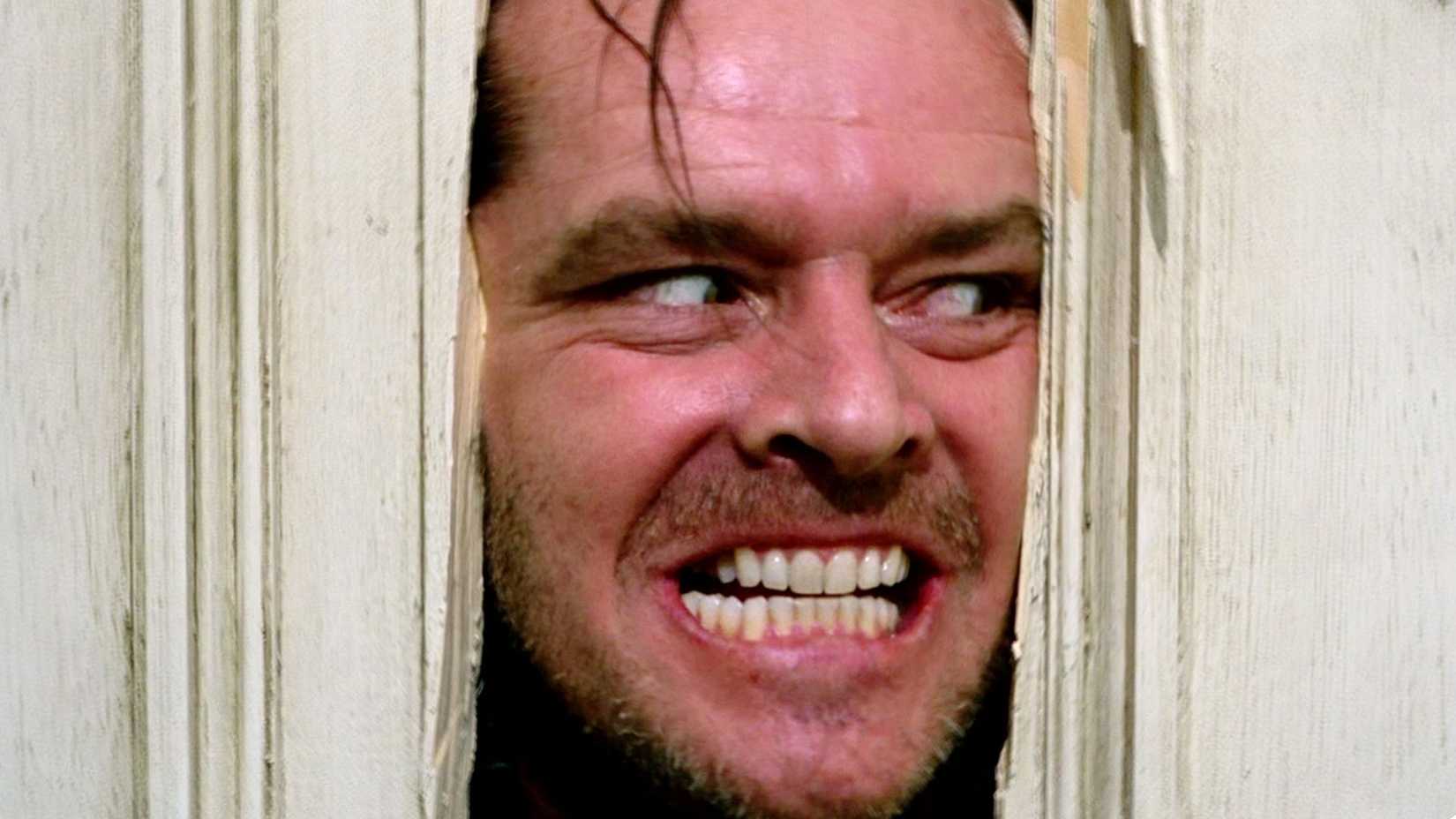
Although Stephen King dislikes this version of his book, The Shining is still considered a landmark horror film. While it doesn’t follow King’s original ideas about a haunted house and a man’s downfall closely, Stanley Kubrick crafted a truly frightening story about a man descending into madness within a confined and oppressive environment.
I’m a huge fan of The Shining, and Jack Nicholson’s performance as Jack Torrance is just incredible. You really feel him slipping into madness as the hotel seems to take over. It’s terrifying watching his family struggle to survive as he changes. And honestly, the way Kubrick filmed it all is just genius – even now, people are still trying to figure out what everything means, and that’s what makes it so brilliant!
Stanley Kubrick’s The Shining is a truly terrifying horror film, expertly building suspense to a nearly unbearable degree – and that’s what makes it so effective. While Stephen King wasn’t pleased with how his story was adapted, the film remains a horror classic, regardless of the author’s opinion.
Halloween (1978)

While John Carpenter’s Halloween is often credited with starting the slasher genre, the earlier film Black Christmas shouldn’t be overlooked. Nevertheless, Halloween truly refined the genre, establishing many of the common elements we still see in slasher movies today, and it remains the most imitated film in the genre.
The movie Halloween popularized the ‘Final Girl’ trope – a young, virtuous character who survives the horror. It also introduced Michael Myers, a silent, masked killer, and showcased incredibly violent and creative ways to dispatch victims, making him appear unstoppable.
The original Halloween film launched a hugely popular and long-lasting horror series, ultimately surpassing Friday the 13th and A Nightmare on Elm Street in terms of the number of well-made sequels and installments.
Psycho (1960)
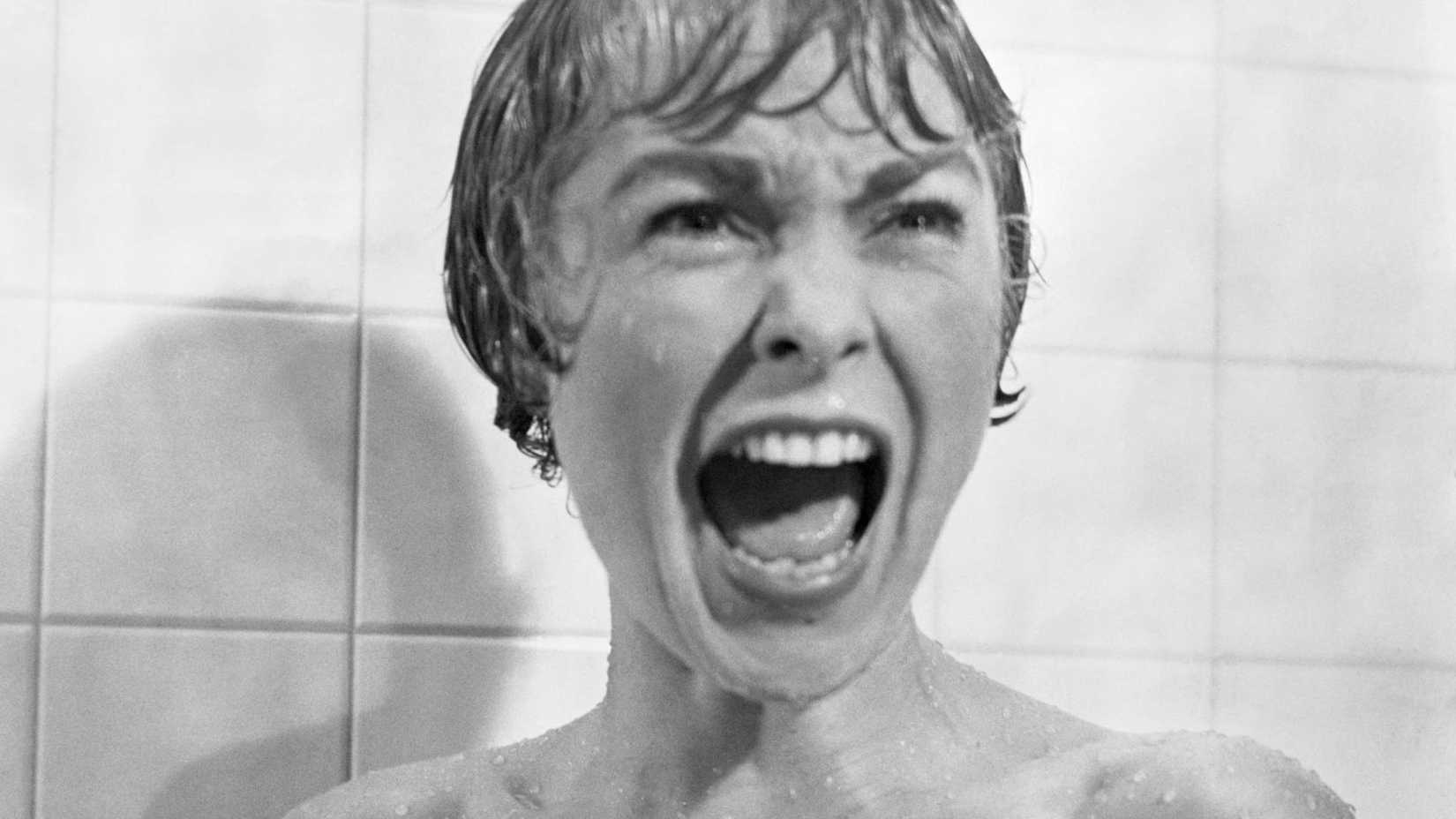
Though not technically a slasher film, many experts see Alfred Hitchcock’s Psycho as the movie that started the slasher genre. Like in Friday the 13th, the killer’s identity is kept secret until the very end. Interestingly, Psycho also breaks the mold by killing off a seemingly important character – the thief – relatively early in the story.
Hitchcock famously asked audiences not to reveal the ending of his film, believing the shocking conclusion would drive repeat viewings – and he was right. From its initial surprising death, a scene later echoed in Scream, to the unforgettable twist involving Norman Bates, the movie remains a landmark in horror cinema.
Alfred Hitchcock’s Psycho is widely considered his greatest horror film. It’s a prime example of his skill at creating intense suspense. Anthony Perkins delivers a brilliant performance as Norman Bates, and Psycho remains remarkably effective even today, decades after its release.
The Exorcist (1973)
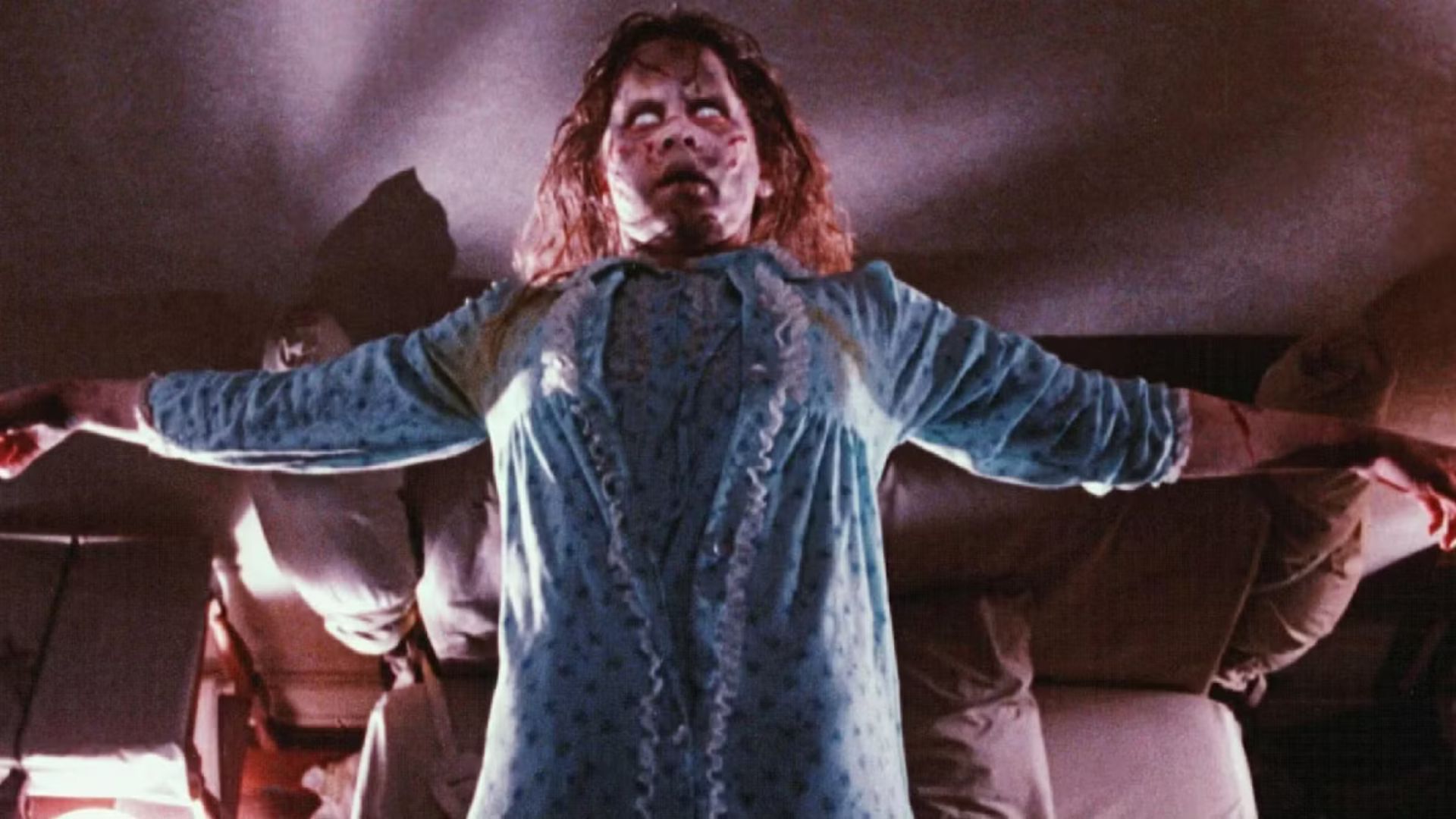
Widely considered the greatest horror film of all time, The Exorcist was the first true horror movie to be nominated for the Best Picture Oscar. Based on William Peter Blatty’s novel, the film tells the story of two priests who attempt to free a young girl named Regan (played by Linda Blair) from demonic possession.
The horror film The Exorcist was incredibly shocking for its time, featuring some of the most disturbing scenes ever filmed. Despite its controversial content, it was critically acclaimed and even won an Oscar. While it launched a series of sequels, none of them lived up to the impact of the original movie.
The movie The Exorcist really launched the popularity of stories about demonic possession and exorcisms. Though these themes have become common in horror films since the 2000s, nothing has quite matched the intense fear and disturbing atmosphere of the original. Many consider The Exorcist to be the greatest horror movie ever made, and it remains unmatched in its impact.
Read More
- Gold Rate Forecast
- Adam Levine Looks So Different After Shaving His Beard Off
- Dialoop coming to Switch on June 17
- Welcome to Demon School! Iruma-kun season 4 release schedule: When are new episodes on Crunchyroll?
- Nintendo Switch 2 Reportedly Getting Remake of One of the Best PS3 and Xbox 360 Games
- Steam Makes Sci-Fi Game 100% Free for 72 Hours
- 10 Movies That Were Banned in Different Countries For Random Reasons
- Tekken 8 Fans Furious as Tifa Tipped for Street Fighter 6 Instead
- Crimson Desert Guide – How To Unlock All Elemental Skills
- When Things Fall Apart: A New View of Phase Transitions
2025-12-23 18:02