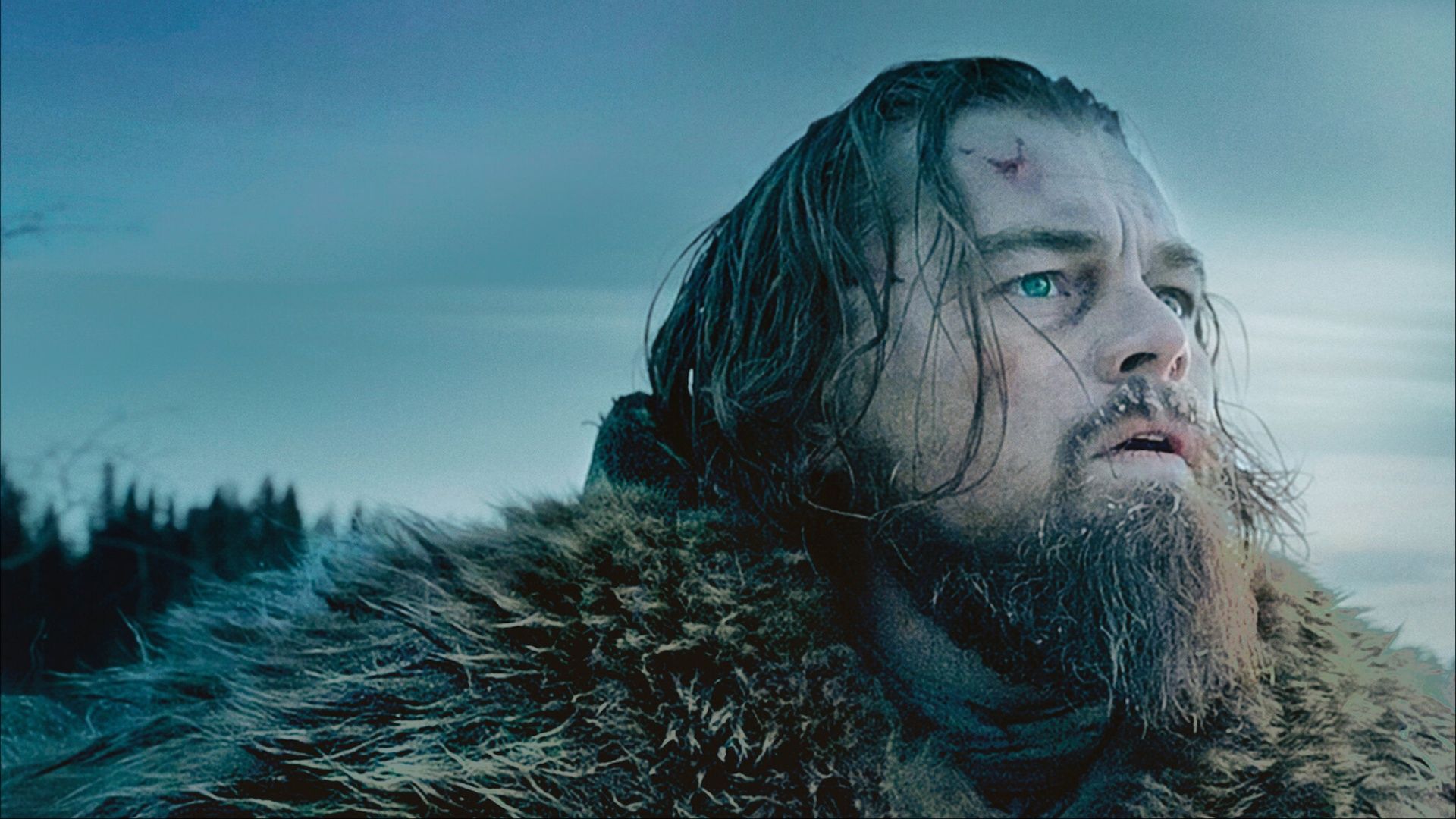
While The Revenant is likely to be remembered for finally earning Leonardo DiCaprio an Oscar and for director Alejandro Iñárritu winning back-to-back Best Director awards, it’s also a film notable for its extreme commitment to realism. This dedication pushes aside typical comforts, and even elements like strong storytelling or moral complexity, focusing instead on the raw struggle for survival and a powerful quest for revenge.
Based on the real-life story of fur trapper Hugh Glass and the novel The Revenant by Michael Punke, the film became a deeply personal project for its creators. Even ten years later, it remains a unique and powerful survival and revenge story. It’s hard to imagine another film like it being made unless director Alejandro G. Iñárritu, Leonardo DiCaprio, Tom Hardy, and cinematographer Emmanuel Lubezki all work together again. The Revenant isn’t delicate or refined, but its intense focus on both physical and mental hardship continues to make it one of the best films of the 2010s.
The Revenant Upholds Survival as a Moral Equalizer

Though it’s over two and a half hours long, The Revenant isn’t driven by a complex plot. It centers on Hugh Glass (Leonardo DiCaprio) seeking revenge on John Fitzgerald (Tom Hardy) for the death of his son, Hawk (Forrest Goodluck). However, before he can confront Fitzgerald, Glass must simply survive. After a brutal bear attack leaves him severely injured, he’s forced to crawl hundreds of miles through the harsh, frozen landscapes of the 1820s American wilderness. The environment, with its endless snowy hills, often feels more merciful than the Native American tribes – referred to as “Ree” by the settlers – he encounters. The overwhelming challenges emphasize the film’s idea that the desire for revenge is a powerful, almost unstoppable, human instinct.
While the idea of revenge is present in the film, what truly captivates audiences is the main character’s incredible ability to survive. It’s Glass’s knowledge of the wilderness, his quick thinking, and his sheer determination to live that really draw viewers in. This survival isn’t just about escaping danger, though; it’s a way for the film to explore the meaning of the word “savage.” Instead of relying on dialogue, the film uses powerful visuals to do this. For example, Glass encounters a Pawnee man eating a bison he killed, and the two men end up silently sharing the animal’s liver, both with blood smeared on their mouths. This scene breaks down the idea that there’s a real difference between them; it’s not about a conflict between “white” and “Native American” people, but simply about the basic need to find food or protect one’s territory.
Fitzgerald looks down on the native people, openly despising them. This disdain stems from his own brutal experiences – he was once captured and partially scalped, leaving him hardened and focused solely on survival. But now, Glass, a man who once represented civilization, finds himself brought low by hunger, forced to do the same basic things he previously judged others for. Ironically, he’s now kept alive by the kindness of the very people he was taught to see as less than human.
Alejandro Iñárritu and Emmanuel Lubezki Make the Revenant Both Visually Pleasing and a Difficult Watch

The saying goes that revenge is best served cold, and director Iñárritu and cinematographer Emmanuel Lubezki perfectly captured this feeling in The Revenant. They filmed across icy locations in Italy, Argentina, the US, and Canada. The film features stunning, wide shots of snowy mountains, occasionally broken by the glow of a faraway campfire. While beautiful, these scenes are quickly contrasted with brutal violence – blood staining the white snow, arrows piercing skulls, and the desperate act of a man sheltering from the cold inside a dead horse.
The film often uses wide shots of the stark, beautiful landscape to emphasize the harshness of what’s happening in the immediate scene. It also frequently switches to very close-up shots, like the ice crystals on Glass’s beard or his face while eating bison liver – which Leonardo DiCaprio actually did for the role.
Some viewers might wonder if the bear attack scene was truly needed, but not because they object to it. The real Hugh Glass was famously mauled by a grizzly bear. Instead, they might be taken aback by how long and brutal the scene is. Director Iñárritu walks a delicate line between making the audience feel fully immersed in the story and simply showing off violence, to the point where it feels like a horror movie. His commitment to realism is especially clear in the lighting. If the lighting in The Revenant seems different, it’s because he used almost entirely natural light to create his vision of the struggle between humanity and nature.
Leonardo DiCaprio and Tom Hardy Give their Best Performances to Date

Leonardo DiCaprio is receiving awards buzz for his latest film, One Battle After Another, and Tom Hardy is widely known for playing Venom, Spider-Man’s iconic enemy. However, it’s difficult to envision either actor surpassing the intensely raw and demanding work they delivered in The Revenant, as few roles require such extreme physical and emotional commitment.
Honestly, the characters in The Revenant aren’t deeply explored – we don’t get much backstory at all, just enough to vaguely understand why people do what they do. So, the actors really had to carry the film, and DiCaprio especially. He’s practically stripped of dialogue, any comfort, even his dignity! Most actors would have quit after a couple of days, I think. But it’s how he reacts to everything – the way he moves, the sheer effort in every step, that quiet strength he embodies – that truly shows you who Hugh Glass is as a person. It’s all in the physicality, not the words.
The film The Revenant is intensely realistic and often brutal, so it won’t appeal to all viewers. At over two and a half hours long, and focusing on harsh wilderness landscapes, it’s more of a dramatic story than a nature film. However, it’s undeniably a powerful and disturbing portrayal of how raw survival instincts can impact individuals and communities. The real Hugh Glass might not recognize the legendary version of himself presented in the film—the movie adds elements like a biracial son and a revenge plot focused on a man named Fitzgerald, while the historical Glass simply aimed to recover his stolen rifle. But Glass would certainly recognize the incredible determination to survive, demonstrated by the character, the actors, and the filmmakers. This kind of bare-bones survival is rarely glamorous or heroic.
Read More
- Gold Rate Forecast
- Adam Levine Looks So Different After Shaving His Beard Off
- Tekken 8 Fans Furious as Tifa Tipped for Street Fighter 6 Instead
- Steam Makes Sci-Fi Game 100% Free for 72 Hours
- Welcome to Demon School! Iruma-kun season 4 release schedule: When are new episodes on Crunchyroll?
- 10 Movies That Were Banned in Different Countries For Random Reasons
- Dialoop coming to Switch on June 17
- Nintendo Switch 2 Reportedly Getting Remake of One of the Best PS3 and Xbox 360 Games
- When Things Fall Apart: A New View of Phase Transitions
- Michael Jackson Biopic’s Record-Breaking Debut Unseats 2026’s Biggest Box Office Hit On U.S. Chart
2025-12-24 17:59