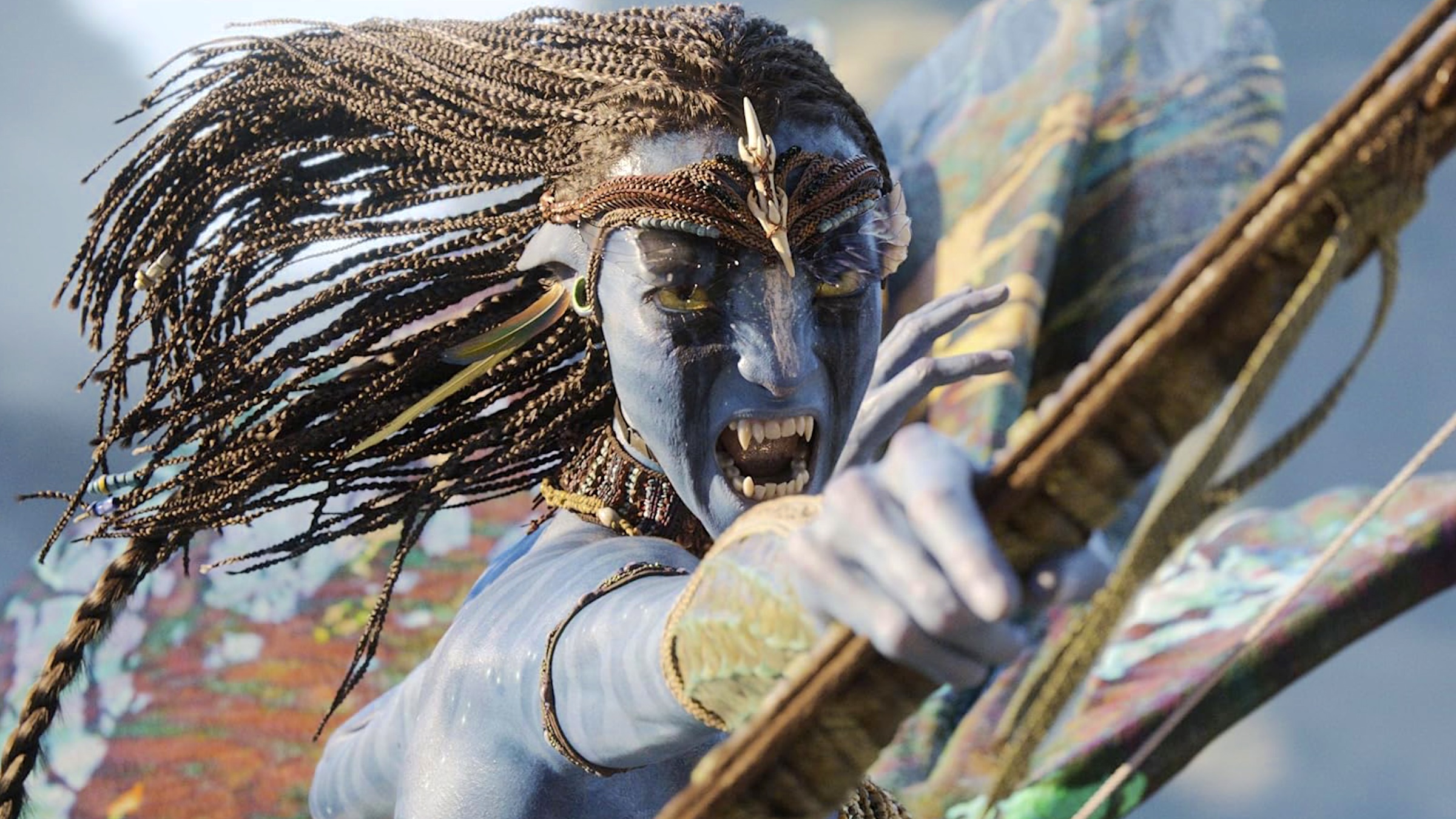
Avatar: Fire and Ash delivers another visually stunning experience, but unfortunately, a major flaw undermines the story of the Na’vi people. The film, James Cameron’s third Avatar installment, follows Jake Sully, Neytiri, and their family as they cope with a loss and continue their battle against the RDA, led by Colonel Miles Quaritch. Familiar faces like Spider Socorro and members of the Metkayina clan also play significant roles. While the movie is filled with exciting action and beautiful imagery, it stumbles with a noticeable misdirection concerning the Na’vi.
A new enemy group, the Mangkwan clan—also called the Ash People—appears in the film, led by the powerful Varang (Oona Chaplin). They attack the Sully family from the air while the family is traveling with the Windtraders. After chasing the children, Varang makes a deal with Quaritch, trading her clan’s support for weapons to help the RDA capture Jake. Though many Avatar fans anticipated the arrival of this new Na’vi clan before the release of Fire and Ash, Varang and the Ash People are portrayed as overly simplistic, which weakens the complex characterization of the Na’vi established throughout the Avatar franchise.
Avatar: Fire and Ash Completely Fumbles Varang and the Ash People
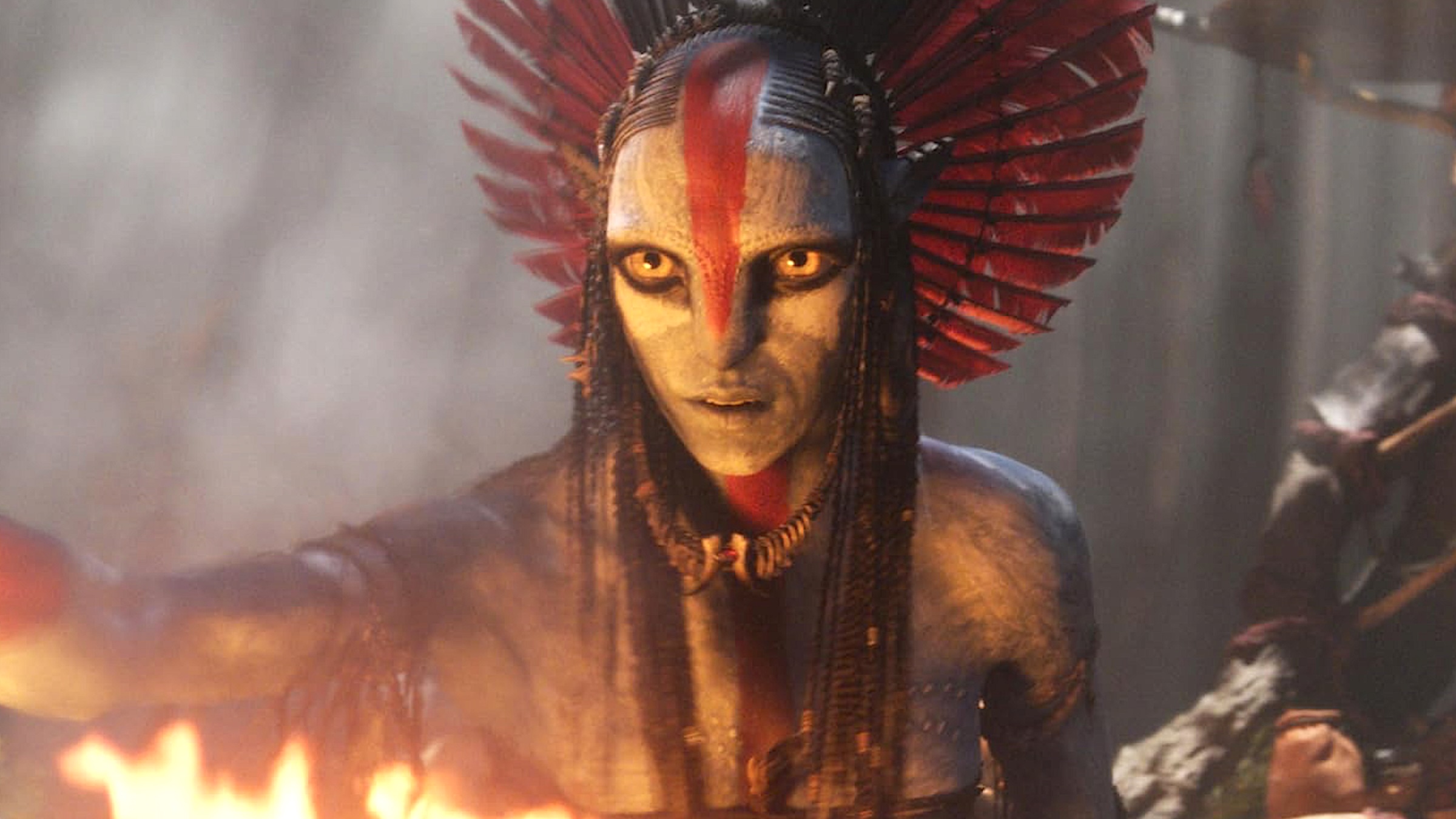
The Ash People are depicted as relentlessly aggressive, and their hostility stems from their disbelief in Eywa, the life goddess revered by most Na’vi on Pandora. In a brief moment, Varang explains to Quaritch that her people suffered a devastating fire and felt abandoned by Eywa. This is the only explanation given for the Mangkwan clan’s behavior throughout the film’s lengthy runtime. By failing to explore the Ash People’s history or reasons for their actions, the movie portrays Varang and her group as stereotypical and offensive caricatures of “savage” Indigenous people, echoing the perspectives of colonial powers.
The film Fire and Ash doesn’t fully explore interesting ideas about belief and doubt on Pandora. It could have been compelling to contrast the Mangkwan people’s rejection of Eywa with the beliefs of other Na’vi, but the movie doesn’t develop this idea. We also see very little of Varang’s desolate homeland, leaving viewers unsure how its people have adapted to such a harsh environment compared to the forest and ocean Na’vi. Finally, Varang’s choice to side with Quaritch feels unmotivated, as the film never explains her reasons for wanting to go to war.
It’s strange how little the Ash People are developed in the story, especially considering how detailed the Metkayina clan is in Avatar: The Way of Water. The Metkayina have several characters with established backgrounds who play important roles, but Varang and the Ash People are largely pushed aside in favor of Quaritch, turning them into simple tools for the plot. Despite being heavily featured in promotional materials, Varang doesn’t become the central villain we might have expected.
The Ash People Represent a New Low for the Avatar Franchise
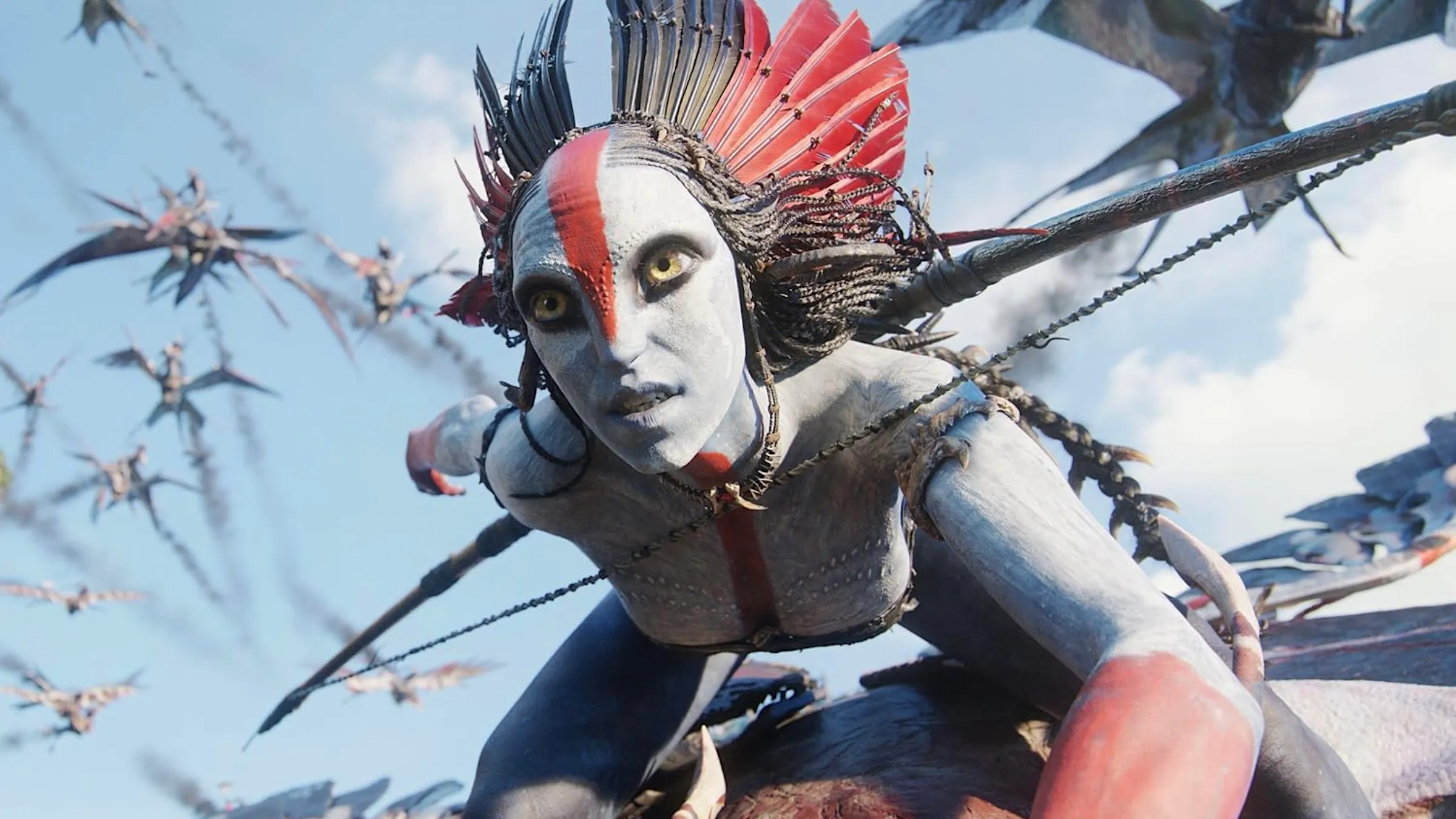
While the Avatar movies aren’t known for complex characters, the Ash People are particularly flat and one-dimensional. It’s not necessarily a problem to have a Na’vi tribe act as villains, but it needs careful handling. Avatar tries to avoid harmful stereotypes by portraying the Na’vi as representing Indigenous cultures, but the Ash People undermine this effort. Their actions – including ritual killings, scalping, and unprovoked attacks – unfortunately reinforce damaging and inaccurate ideas about Indigenous peoples.
Ultimately, the latest Avatar film, Fire and Ash, weakens the series’ attempt to portray the Na’vi’s fight against human colonization with nuance. While Avatar and The Way of Water both criticize imperialism and highlight environmental concerns—even featuring a storyline that relies on the ‘white savior’ trope—Fire and Ash simplifies the complexities of life on Pandora, omitting important details about the Ash People. The Avatar films have been rightfully criticized for borrowing from and romanticizing Indigenous cultures, and these problems seem to be continuing.
While the portrayal of Mangkwan was a major weakness in Fire and Ash, there’s still hope for the future of the Avatar series. Because Varang and many of her people survived, they could reappear in Avatar 4. The next movie would be a great chance to explore Varang and the Ash People in more detail and learn more about their past. Despite this, Fire and Ash unfortunately presented the Na’vi characters in their weakest form yet.
Avatar: Fire and Ash is now playing in theaters.
What do you think? Leave a comment below and join the conversation now in the ComicBook Forum!
Read More
- Best Controller Settings for ARC Raiders
- FRONT MISSION 3: Remake coming to PS5, Xbox Series, PS4, Xbox One, and PC on January 30, 2026
- Mark Zuckerberg & Wife Priscilla Chan Make Surprise Debut at Met Gala
- Meet the cast of Good Omens season 3: All the actors and characters
- Review: Final Fantasy Tactics: The Ivalice Chronicles (PS5) – Still the Benchmark for Turn-Based Tactics
- Nippon Sangoku Is The Best New Post-Apocalyptic Anime of Spring 2026
- 7 Great Marvel Villains Who Are Currently Dead
- Welcome to Demon School! Iruma-kun season 4 release schedule: When are new episodes on Crunchyroll?
- Wistoria: Wand and Sword Season 2 release schedule: When are new episodes out?
- The Boys Season 5 Officially Ends An Era For Jensen Ackles’ Soldier Boy
2025-12-24 20:16