Warning! This post contains SPOILERS for Avatar: Fire & Ash
James Cameron is known for the grand scale of the Avatar movies, and Avatar: Fire & Ash really showcases his talent for visual storytelling. The film’s climactic battle is a perfect example: it initially leads you to expect one thing, then dramatically changes the scope of the entire conflict.
What’s really striking about the new Avatar film is how Cameron builds on what viewers already know from the first two movies, then unexpectedly subverts expectations. This leads to a final battle that’s effectively in two parts, showcasing how the Avatar series has grown and revealing that the world of Pandora is far more complex than it initially seems.
Avatar: Fire & Ash’s Final Battle Begins As An Epic Homage, Honoring The Previous Two Movies Simultaneously

Initially, the movie’s climactic battle feels very similar to other films, which has led some critics to argue that Fire & Ash simply retreads familiar ground, much like The Way of Water.
Jake Sully once again earns the title of Toruk Makto, just like in the first Avatar movie. The aerial battle with the skimwings over the water is reminiscent of the climax of The Way of Water, and the RDA’s ships dominate both the air and sea, drawing on visuals from both films.
The fight scenes, music, and camera angles in this part of the story are very similar to those in earlier films, acting as a respectful nod to what audiences have already enjoyed.
If the third act of Fire & Ash ended there, complaints about it being unoriginal would be understandable, and the visual style could be seen as uninspired. But the story takes a dramatic turn during Pandora’s daily eclipse, completely changing things.
Everything Ramps Up After Fire & Ash’s Eclipse, Showing Us Pandora Warfare Like Never Before

The eclipse marks a major shift in the story, especially in how it looks on screen. When darkness arrives, the conflict changes completely, leading into a visually stunning new phase. I was particularly impressed by the dramatic imagery of RDA ships being pulled in by a powerful magnetic force, culminating in a huge pillar of fire that served as the focal point of the final battle.
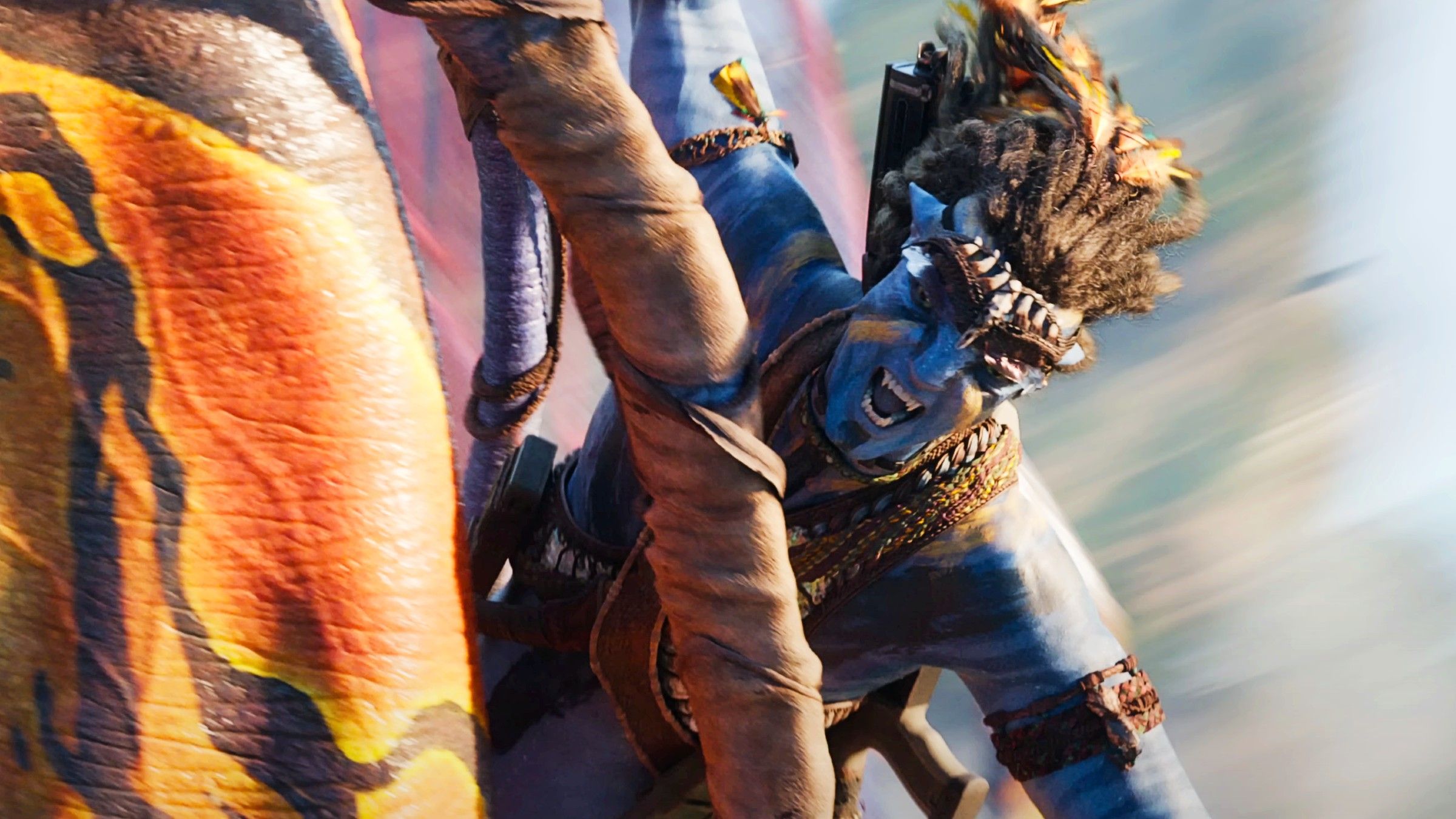
The Ash People launch a full-scale attack, with Quaritch and Varang leading the charge. They combine human weapons from the RDA with the aerial agility of riding ikrans, giving them a powerful advantage in the fight.
Kiri’s actions are crucial in turning the battle around, ultimately connecting with Eywa – Pandora’s deity – and revealing her form. This connection unleashes a wave of both familiar and new creatures, bolstering the Na’vi and shifting the battle in their favor.
Ronal dies immediately after giving birth. Meanwhile, Quaritch and Jake team up to rescue Spider before he falls to his death. Kiri’s emerging connection to Eywa and newfound powers frighten Varang, causing him to run away.
The final battle is packed with exciting and unexpected twists, creating a truly impressive spectacle. It starts with elements fans know and love, but quickly escalates beyond what anyone anticipated, building on the rich world James Cameron has crafted over three decades.
Visually, the ending of Avatar: Fire & Ash clearly shows that Pandora is a world that will constantly grow and change, which is really exciting to witness with each installment.
James Cameron’s Avatar: Fire & Ash is now playing in theaters.
Read More
- Gold Rate Forecast
- 10 Movies That Were Banned in Different Countries For Random Reasons
- Nintendo Switch 2 Reportedly Getting Remake of One of the Best PS3 and Xbox 360 Games
- Welcome to Demon School! Iruma-kun season 4 release schedule: When are new episodes on Crunchyroll?
- Michael Jackson Biopic’s Record-Breaking Debut Unseats 2026’s Biggest Box Office Hit On U.S. Chart
- 9 Great Supernatural Characters Everyone Forgot About
- All 61 Episodes 90s Cult Classic Sci-Fi TV Show That Was Famously Canceled Twice Were Just Added to Tubi
- Taylor Sheridan’s Gritty 5-Part Crime Show Reveals New Final Season Villain
- EUR JPY PREDICTION
- Did Lauren Sánchez Bezos Hint at Baby Plans With Jeff Bezos? The Truth
2025-12-25 01:49