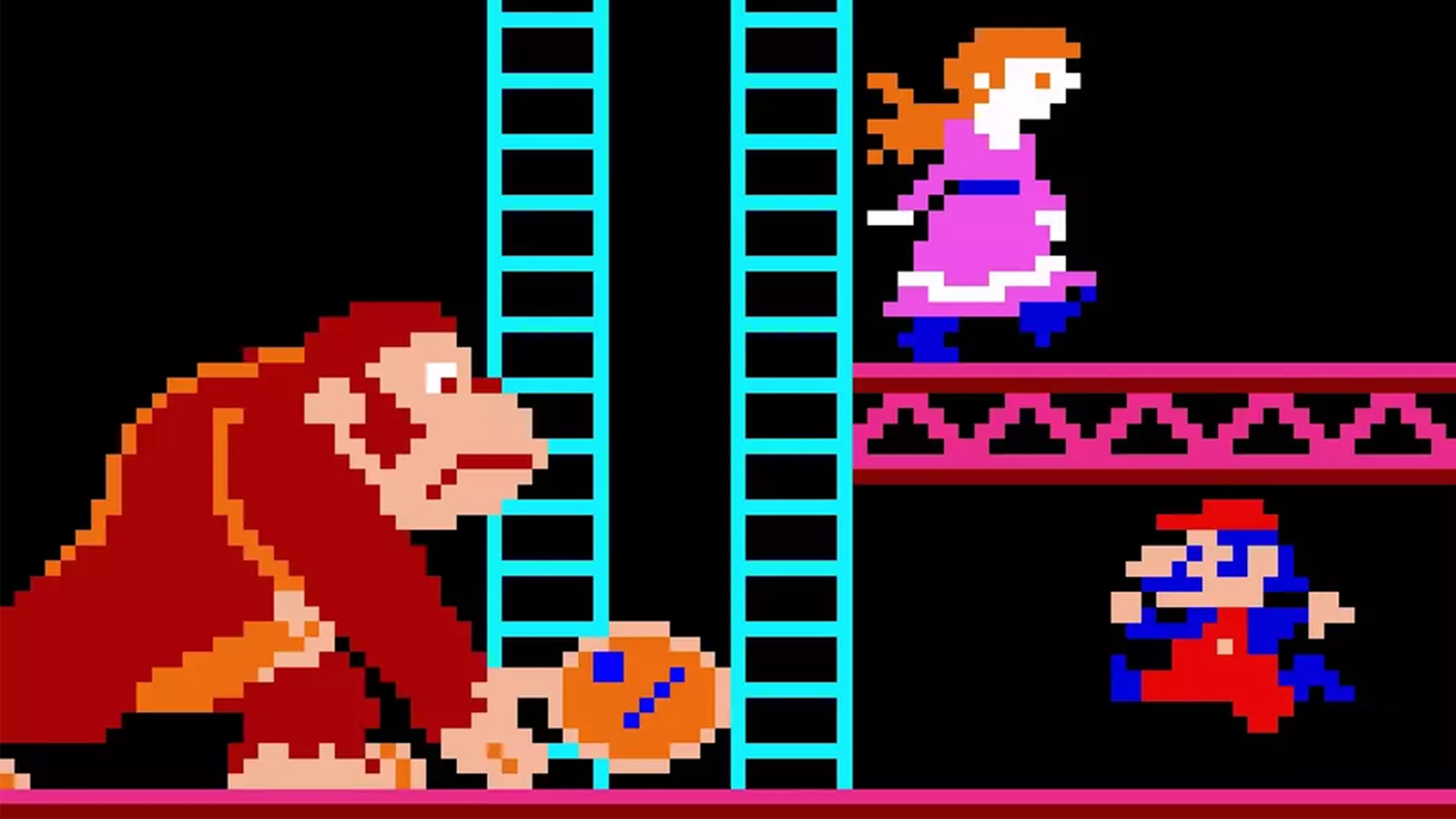
We often enjoy today’s amazing video games with their incredible graphics and sound, but they weren’t always so advanced. Like all technology, video games have improved over time. Looking back at the many games created, one truly stands out: Donkey Kong. While it’s a simple and skillful platformer by today’s standards – and still fun to play – it’s a far cry from modern games like The Legend of Zelda: Breath of the Wild or Grand Theft Auto. However, those newer games might not even exist without a 1981 arcade game that not only changed gaming forever but also made Nintendo a well-known company.
In the early 1980s, Nintendo was facing bankruptcy and urgently needed a hit product. Luckily, they had a promising young designer named Shigeru Miyamoto, who created Donkey Kong. Originally intended to utilize a surplus of unsold Radar Scope arcade machines, the game quickly became something much bigger. Donkey Kong was a huge success, earning hundreds of millions of dollars in its first two years and rescuing Nintendo. But its impact went beyond just financial success; Donkey Kong was a groundbreaking game that established many of the design principles still used in games today.
Donkey Kong Represented a Significant Evolution in What Games Could Do
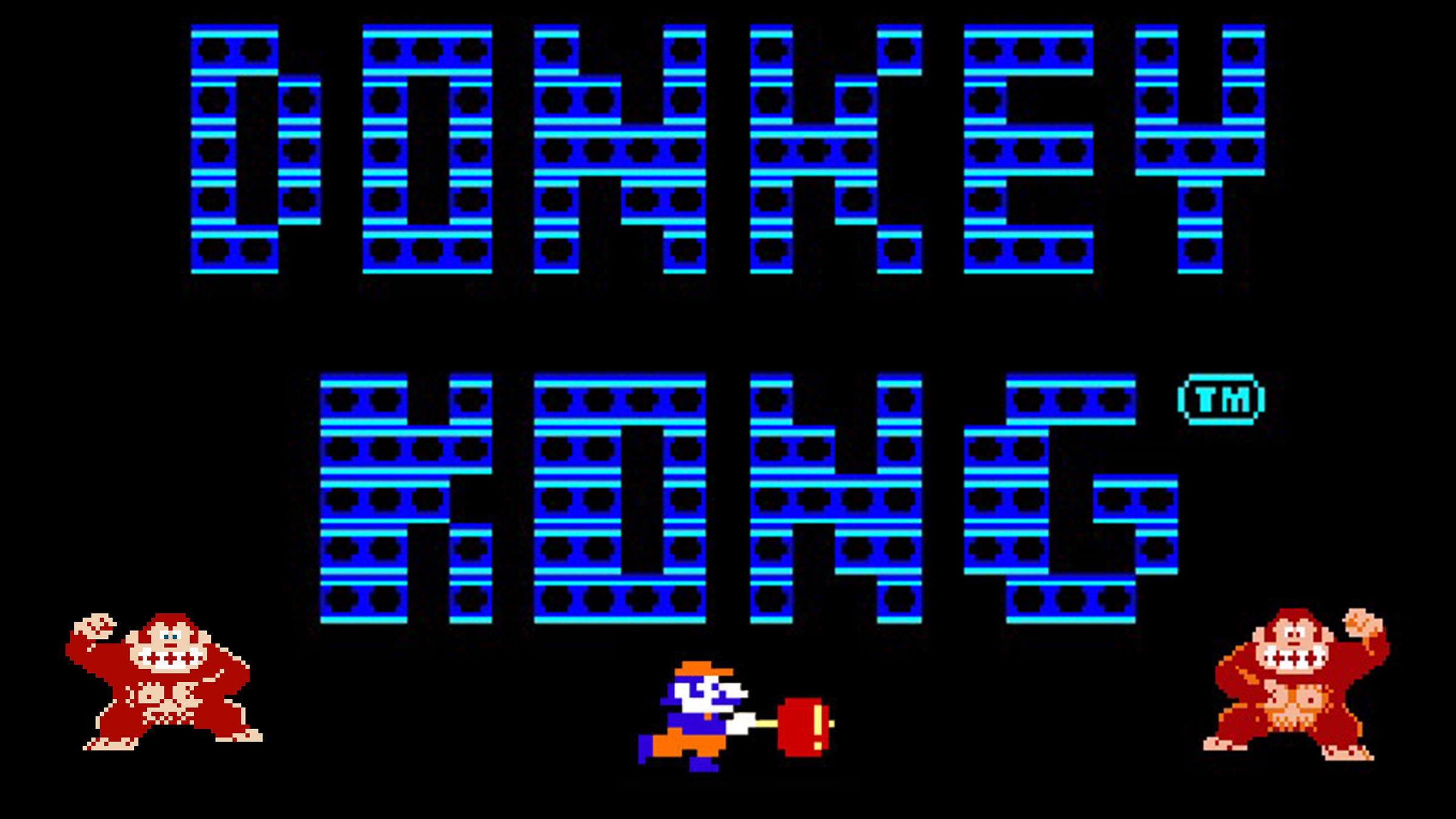
At first glance, Donkey Kong seems like a straightforward game. You play as Jumpman and your goal is to rescue Pauline from Donkey Kong by climbing a tower and avoiding obstacles. When it came out in 1981, Donkey Kong was revolutionary. It was unlike anything players had seen before and pioneered many features now common in games. It was the first game to really use character graphics, moving beyond simple shapes like ships or paddles. Donkey Kong featured three unique characters and, importantly, told a story.
Before Donkey Kong, video games were all about goals – you had something to do, but there wasn’t much of a story behind it. Donkey Kong changed that by adding a real plot with interesting characters and even using short animated scenes – called cutscenes – to tell it. It was the first game to do this! While these cutscenes were simple, they actually told a story, which was a huge step forward for gaming and even earned the game a place in the Guinness World Records. The game starts with Donkey Kong carrying a woman, ‘The Lady,’ up a construction site, and then shaking the building, causing platforms to fall in a specific pattern.
One key innovation in gaming was the introduction of jumping, and Donkey Kong was the first game to make it a central part of how you play. It’s difficult to imagine playing most platform games today without jumping – it’s amazing to think it wasn’t always a standard feature! Donkey Kong also had distinctive levels, each with unique challenges and enemies as you moved through the story. Though not the very first platformer, Donkey Kong really defined the genre before it even had a name. Remarkably, it achieved this iconic status with just four levels and a tiny 24 kilobytes of data, securing its place in video game history.
Donkey Kong Established a Franchise, Saved Nintendo, and Changed Gaming Forever
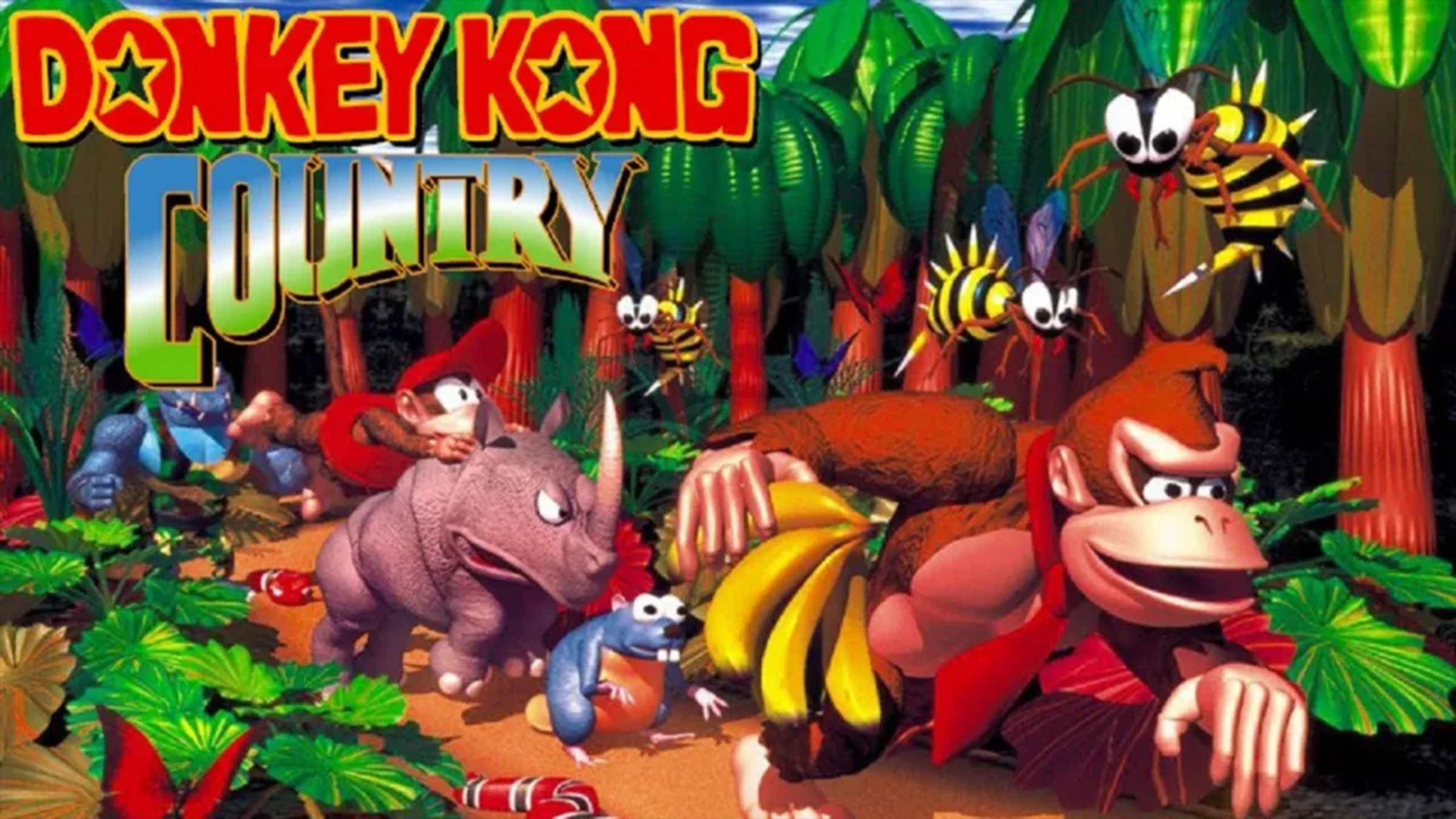
After Donkey Kong came out, many early action games were simply called “Kong-like.” Over time, these games became known as “platformers,” and that’s largely thanks to Donkey Kong‘s popularity. Nintendo realized they had a winning character, and Donkey Kong transformed from a simple arcade character into a beloved hero. He’s been completely updated since his original appearance and is now one of Nintendo’s most iconic figures. The original Donkey Kong game was incredibly innovative, proving that video games could tell stories and include a variety of characters – changes that had a lasting impact on the entire industry.
What’s your favorite Donkey Kong game? Share your thoughts in the comments and join the discussion on the ComicBook Forum!
Read More
- FRONT MISSION 3: Remake coming to PS5, Xbox Series, PS4, Xbox One, and PC on January 30, 2026
- Best Controller Settings for ARC Raiders
- Mark Zuckerberg & Wife Priscilla Chan Make Surprise Debut at Met Gala
- Meet the cast of Good Omens season 3: All the actors and characters
- 7 Great Marvel Villains Who Are Currently Dead
- ‘The Boys’: 6 Characters Most Likely To Die in Season 5
- Wistoria: Wand and Sword Season 2 release schedule: When are new episodes out?
- The Boys Season 5 Officially Ends An Era For Jensen Ackles’ Soldier Boy
- AVAX PREDICTION. AVAX cryptocurrency
- JUP PREDICTION. JUP cryptocurrency
2025-12-25 17:43