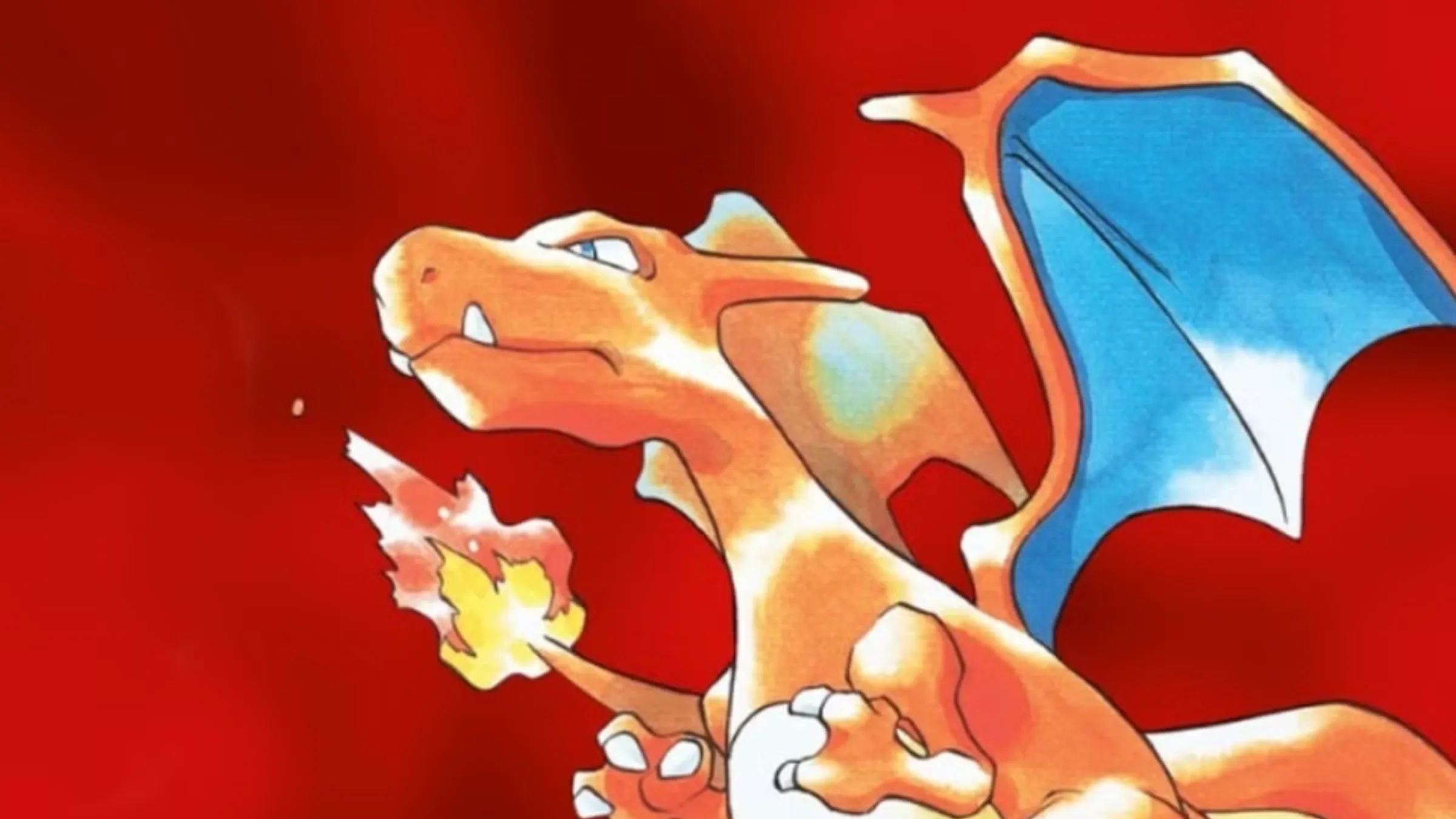
The world of Pokémon is incredibly detailed, but the creators wisely leave room for fans to imagine and create their own interpretations. This has sparked many debates over the years, particularly when discussing the very first Pokémon games, Red and Blue. These original titles are full of intriguing details that fans love to discuss and theorize about.
The most fascinating fan theories are often the ones that suggest a darker side to the Pokémon world. Some propose unsettling connections between different Pokémon species, while others try to explain the mysterious disappearances of certain characters and creatures. Here are seven theories that will make you look at the original Pokémon games in a whole new light.
Parasect Is One Of The Scariest Pokemon
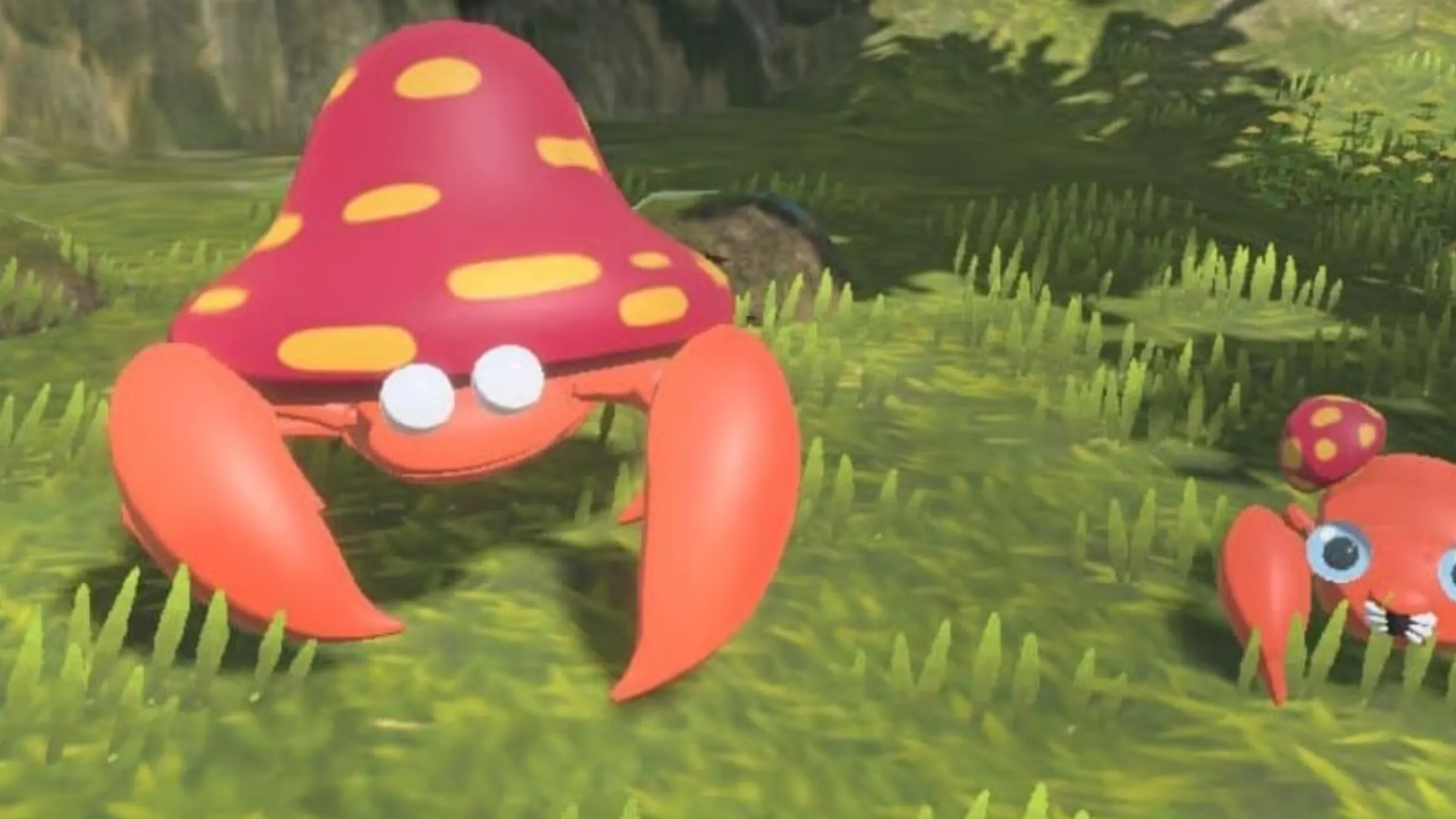
Parasect is one of the original Pokémon, known for its unique look – a large, insect-like creature with a mushroom growing where its shell should be. But a description from the very first Pokémon games, Red and Blue, paints a surprisingly dark picture. It describes Parasect not as a single creature, but as a host and parasite – a mushroom that has completely taken control of a bug’s body, similar to something you might see in a story like The Last of Us.
This is reminiscent of real-world Cordyceps fungi, which control creatures by invading their brains. Some fans believe the mushrooms seen on Paras and Parasect aren’t just growing on them, but are actually changing the Pokémon over time, preparing them for their final evolved form. This concept is similar to the fungi in The Last of Us, leading to speculation about a potentially grim future for the Pokémon world where the mushroom could spread and affect even more species.
The Player Kills One Of Their Rival’s Raticate

I always thought it was interesting how the rival in Pokémon Red and Blue was such a jerk! But I recently heard a cool theory about why he’s always so tough on you. Remember how early in the game he has a Rattata, and then a Raticate? Well, after you battle him on the S.S. Anne, you never see that Raticate again. It makes you wonder if something happened to it during the battle, and that’s why he’s so upset with you!
The popular theory suggests the player unintentionally harmed the Rival’s Pokémon, and they couldn’t get it to a Pokémon Center in time to save it. This explains why the Rival is later found at the Pokémon Tower, a place where Pokémon are buried. It adds a surprisingly sad and intense layer to their rivalry, making the Rival’s determination to win feel much more personal throughout the game.
The Pokémon War Shaped The World In Drastic Ways
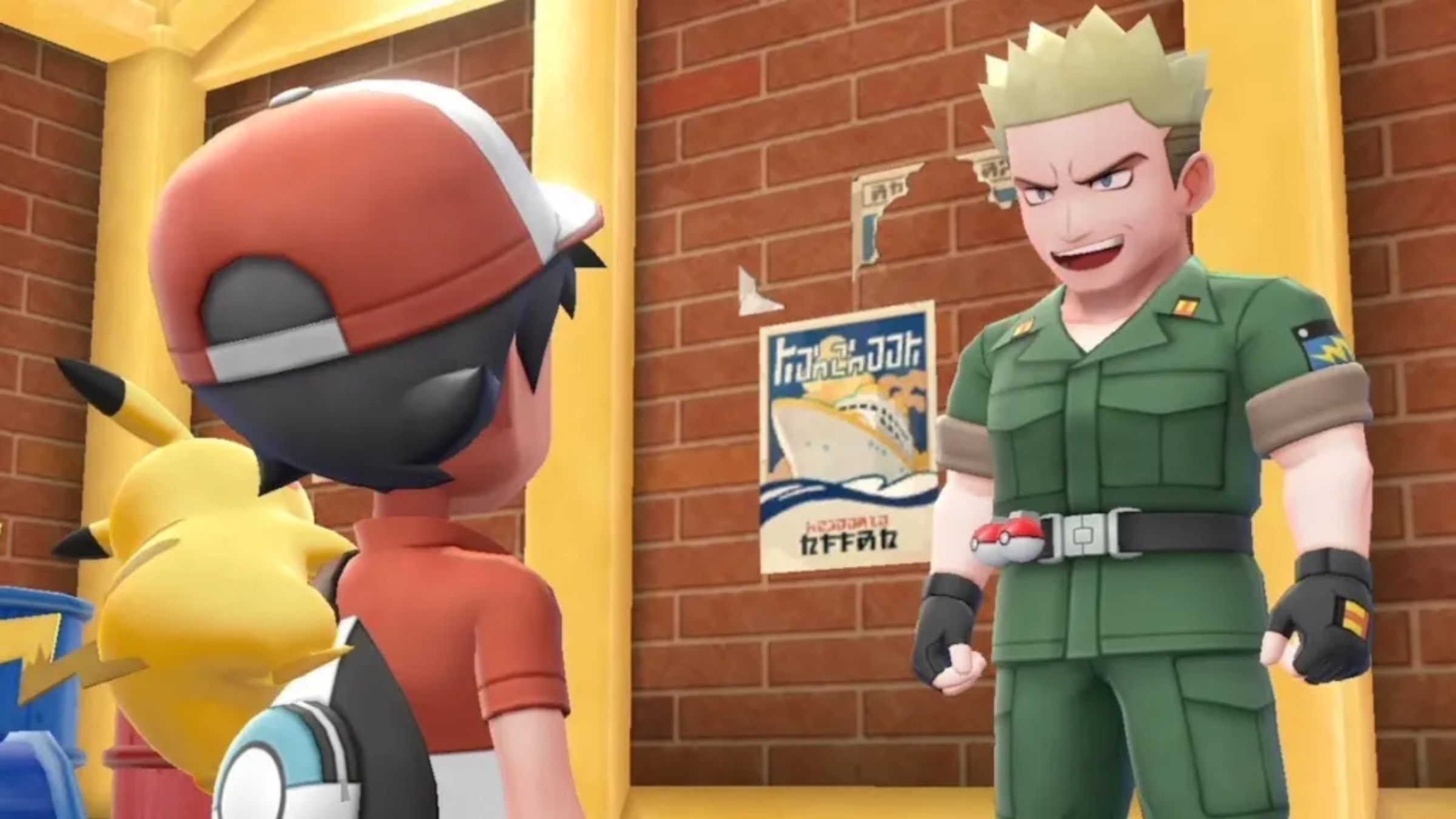
Lieutenant Surge hinted at a past Pokémon war, which has sparked many fan theories. This war likely ended long before the events of the game, and could explain why some Pokémon are rare. These Pokémon may have been heavily involved in the conflict, leading to either significant losses and near extinction, or being deemed too risky to roam freely.
Consider Pokémon like Bulbasaur, Charmander, and Squirtle. Their final evolutions might be seen as powerful creatures only older, knowledgeable people would be able to control – hinting at a past war. This war could also explain why there are so few men of a certain age in the Kanto region, possibly including the player’s father. Some believe the player’s father fought and died in this conflict, leaving the player’s mother to raise them alone.
MissingNo And Ditto Are Failed Mew Clones
Mew is an incredibly strong Pokémon, and scientists created Mewtwo by trying to copy it. Some fans believe that other Pokémon were also created through these experiments, but weren’t as successful. One popular idea is that Ditto was one of these failed attempts, which might explain why it’s usually found in a research facility like the Pokémon Mansion.
So, I’ve been reading up on some crazy Pokémon theories, and one keeps popping up about MissingNo. Apparently, some people think MissingNo isn’t just a random glitch, but actually another failed attempt to clone Mew! It makes sense when you think about it – MissingNo is super powerful and looks totally weird, and it shows up near the Pokémon Labs, where all the cloning stuff happens. It’s like the game tried to make another Mew but something went wrong, and we ended up with this glitchy, world-breaking Pokémon!
Evolved Pokemon In The Wild Used To Belong To People
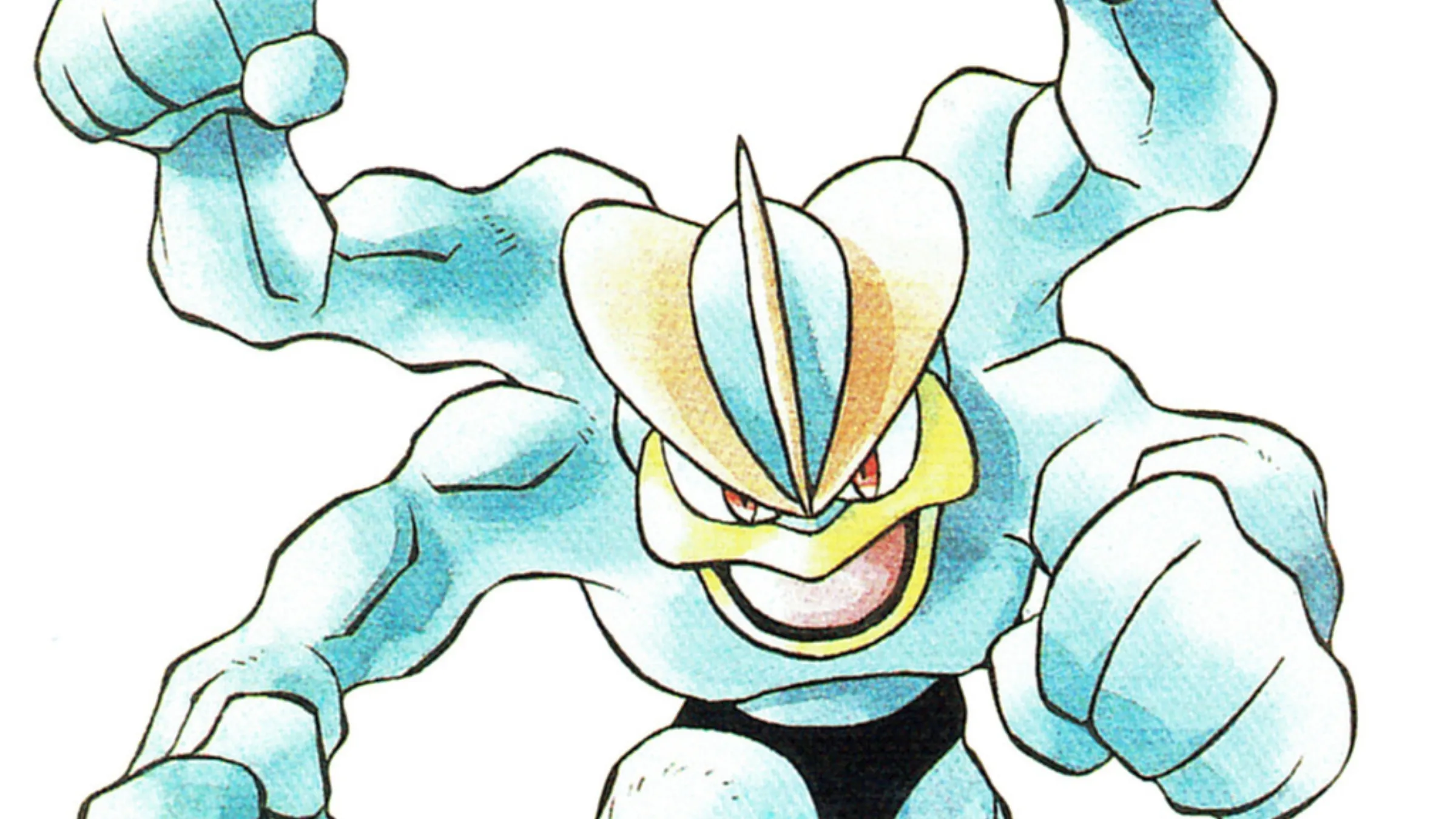
In the original Pokémon Red and Blue games, some Pokémon like Machamp, Gengar, and Alakazam could only evolve by being traded with other players. Later games introduced these Pokémon as rare wild encounters. To explain this change, some fans believe the wild versions were once owned by trainers who traded or released them.
This idea proposes that Pokémon you find in the wild were either abandoned by their previous trainers or those trainers died, leaving the Pokémon to fend for themselves. It’s a dark explanation, and it raises the larger question of what happens to Pokémon when their trainers pass away. The theory also hints that not all trainers survive encounters with wild Pokémon, making the game world feel more dangerous and exciting to explore.
Gengar Is The Shadow Of Clefairy
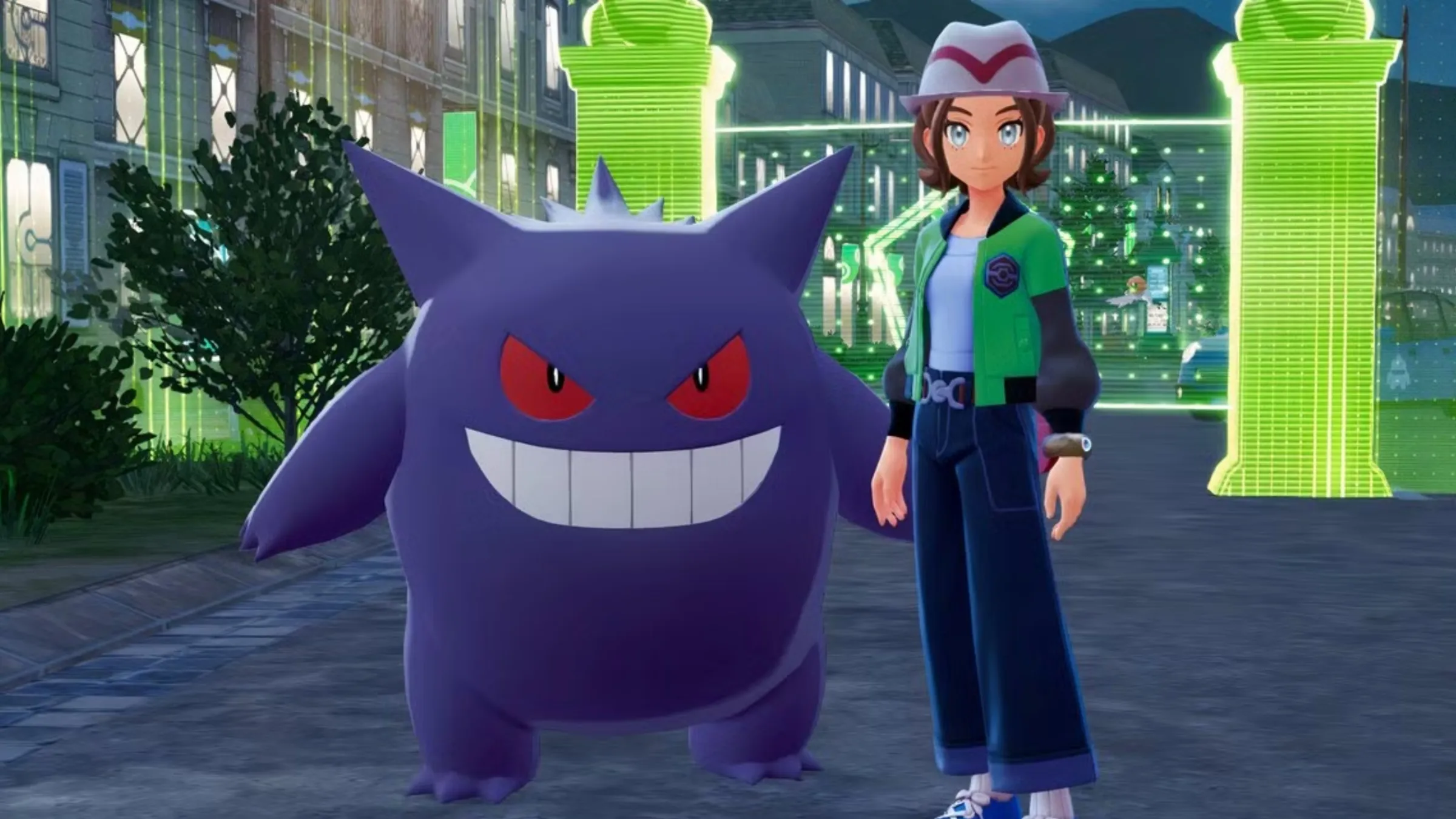
There’s a popular idea that connects Gengar to Clefable. It suggests that Ghastly and other shadowy Pokémon actually originate from Clefairy and Clefable, who possess unusual supernatural abilities. The theory proposes that Clefable’s power is strong enough to cause its shadow to break away and become a living Pokémon, like Gengar.
So, that’s why Gengar and Clefable look so alike – it’s all connected! It also makes sense why Gengar and its whole evolution line are so strong compared to other Pokémon, and why they were some of the first Ghost-types we ever saw in the original games. It’s cool to finally understand the backstory behind it all.
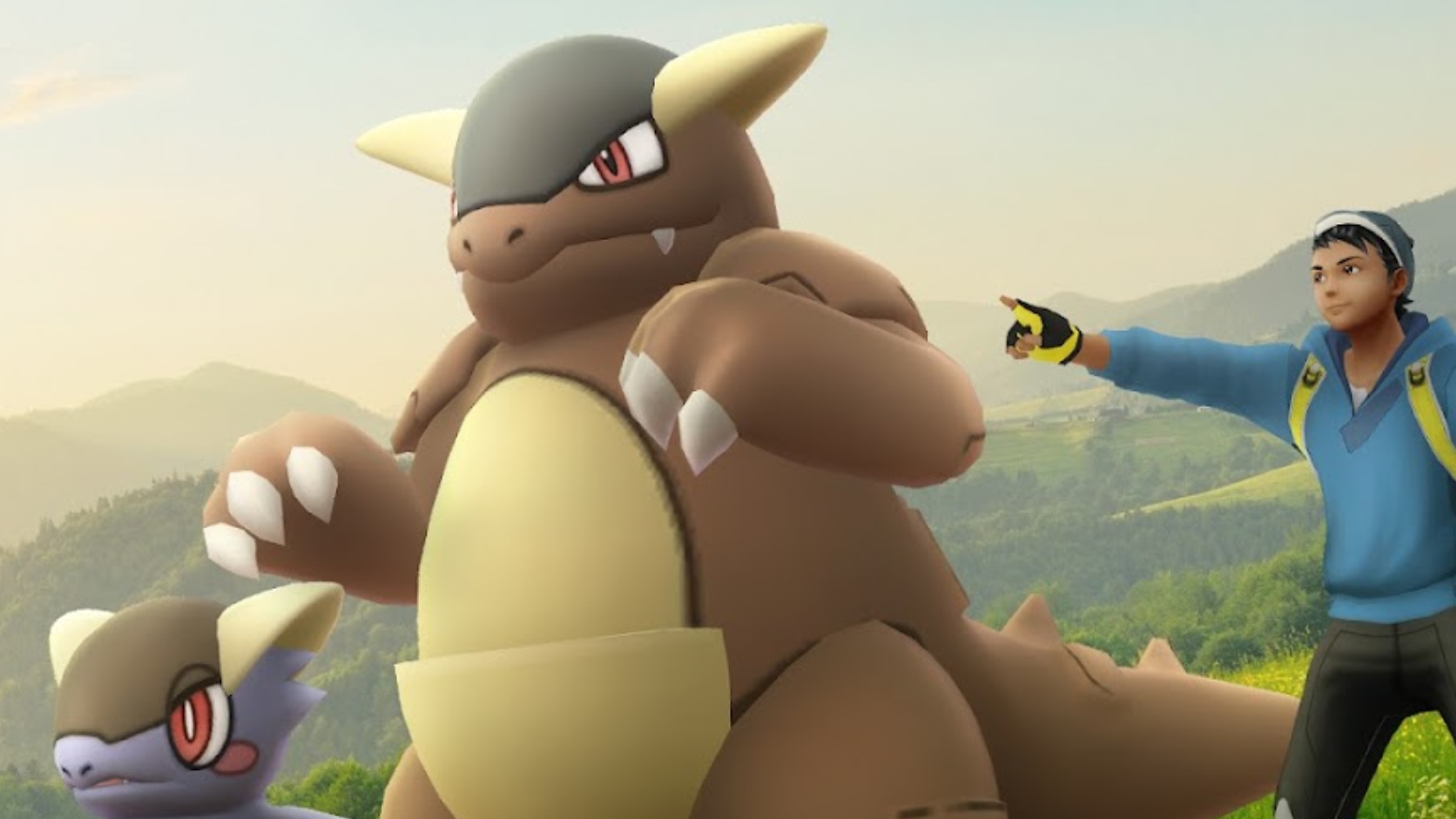
Cubone is known for having one of the most heartbreaking backstories in the original Pokémon Red and Blue games. This little Pokémon wears the skull of its mother, who has passed away, and the skull eventually becomes a permanent part of its body when it evolves into Marowak. Interestingly, Cubone and baby Kangaskhan look very alike, which has led many fans to wonder if there’s a connection between the two Pokémon.
A somber idea proposes that Cubone wasn’t always its own Pokémon. Instead, it may have started as a baby Kangaskhan. If a baby Kangaskhan receives proper care, it develops into a full-grown Kangaskhan. But without that maternal support, it’s believed to grow into the smaller, tougher Pokémon, Cubone, eventually becoming a Marowak.
Read More
- Marvel Officially Confirms Deadpool’s Most Brutal Redesign
- Welcome to Demon School! Iruma-kun season 4 release schedule: When are new episodes on Crunchyroll?
- 10 Movies That Were Banned in Different Countries For Random Reasons
- Nintendo Switch 2 Reportedly Getting Remake of One of the Best PS3 and Xbox 360 Games
- Crunchyroll Confirms New Isekai Anime Releases for 2026 and Beyond (With Major Returns)
- Gold Rate Forecast
- Michael Jackson Biopic’s Record-Breaking Debut Unseats 2026’s Biggest Box Office Hit On U.S. Chart
- 9 Great Supernatural Characters Everyone Forgot About
- Did Lauren Sánchez Bezos Hint at Baby Plans With Jeff Bezos? The Truth
- All 61 Episodes 90s Cult Classic Sci-Fi TV Show That Was Famously Canceled Twice Were Just Added to Tubi
2025-12-27 19:43