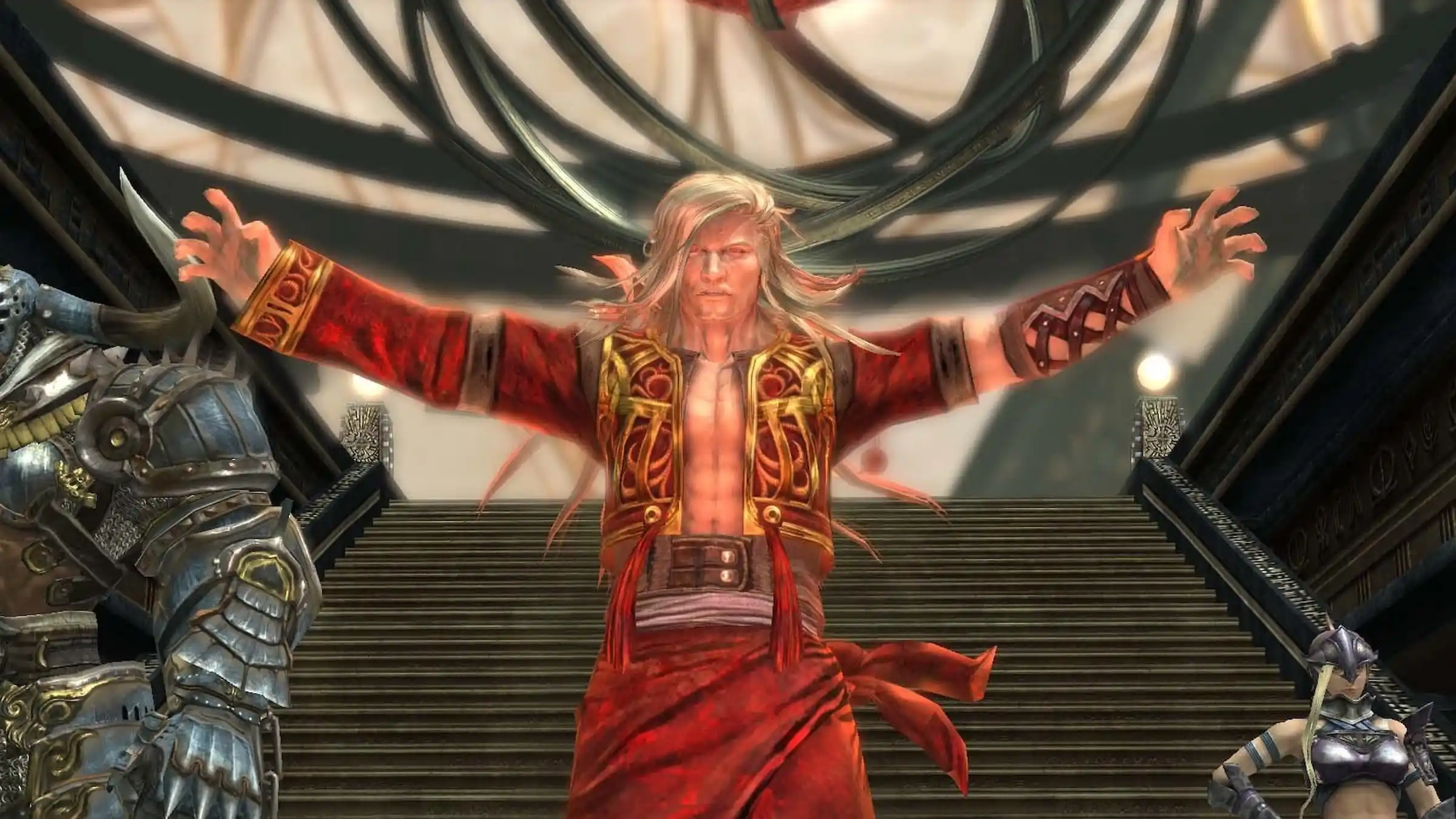
There are so many JRPGs out there, and a lot of them are truly great. But that also means it’s especially painful when a really innovative game doesn’t get the recognition it deserves. It’s frustrating to see a game try something new and different, and then be overlooked simply because it doesn’t spoon-feed the player everything. I’ve seen many promising RPGs fade away, not because they were bad, but because they were too forward-thinking or took chances that didn’t immediately appeal to everyone. Often, these games actually become more appreciated over time, proving their quality once trends shift and catch up.
Around the late 2000s, a fantastic game called The Last Remnant came out, but it didn’t quite connect with Western audiences. At the time, players expected games to hold their hand with tutorials, tell stories like movies, and follow predictable patterns. The Last Remnant, however, was a complex Japanese role-playing game (JRPG) that didn’t offer much explanation. Its challenging combat and subtle storytelling meant many Western players didn’t understand or appreciate it, even though it was a truly great game.
The Last Remnant Was Ahead Of Its Time
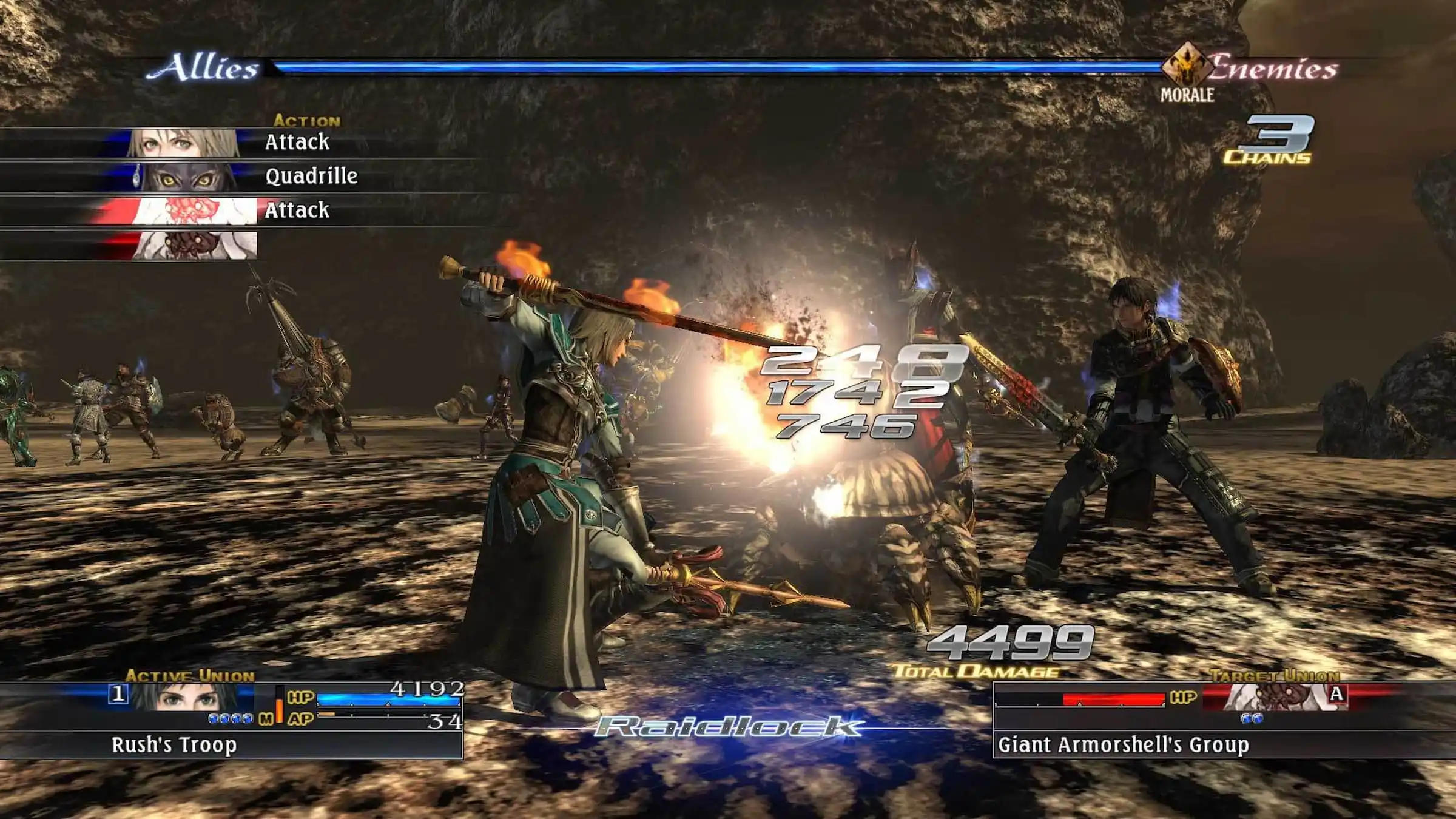
When The Last Remnant first came out, a lot of players quickly stopped playing. I remember my friends being among them. They were used to classic Square Enix JRPGs like Final Fantasy VII, VIII, and IX, which used traditional turn-based combat. The Last Remnant was different – instead of controlling single characters, you led groups of fighters called unions. The combat wasn’t as direct as in other RPGs, and it took more strategy and careful observation to learn how to win.
When it was first released, this game’s design felt unfriendly to players who preferred clear instructions. Looking back, it was actually ahead of its time. Many games today encourage players to discover systems for themselves, and Xenoblade Chronicles is a great example. However, The Last Remnant pioneered this approach years earlier. The game encouraged players to experiment and discouraged simple, surface-level strategies, making them think about the bigger picture. Though sometimes frustrating, this design offered a rewarding experience that wasn’t always immediately obvious.
The game’s story was told in a unique way. Instead of lengthy cutscenes explaining everything, it revealed details through the game’s environment, political maneuvering, and by showing events from different viewpoints. You didn’t play as the hero, but as someone caught up in a larger conflict. This approach wasn’t always clear to players, but it made the world feel incredibly real – a quality that’s still uncommon. I really appreciated having to carefully observe and piece together the story myself.
Modern JRPGs Owe A Lot To Last Remnant
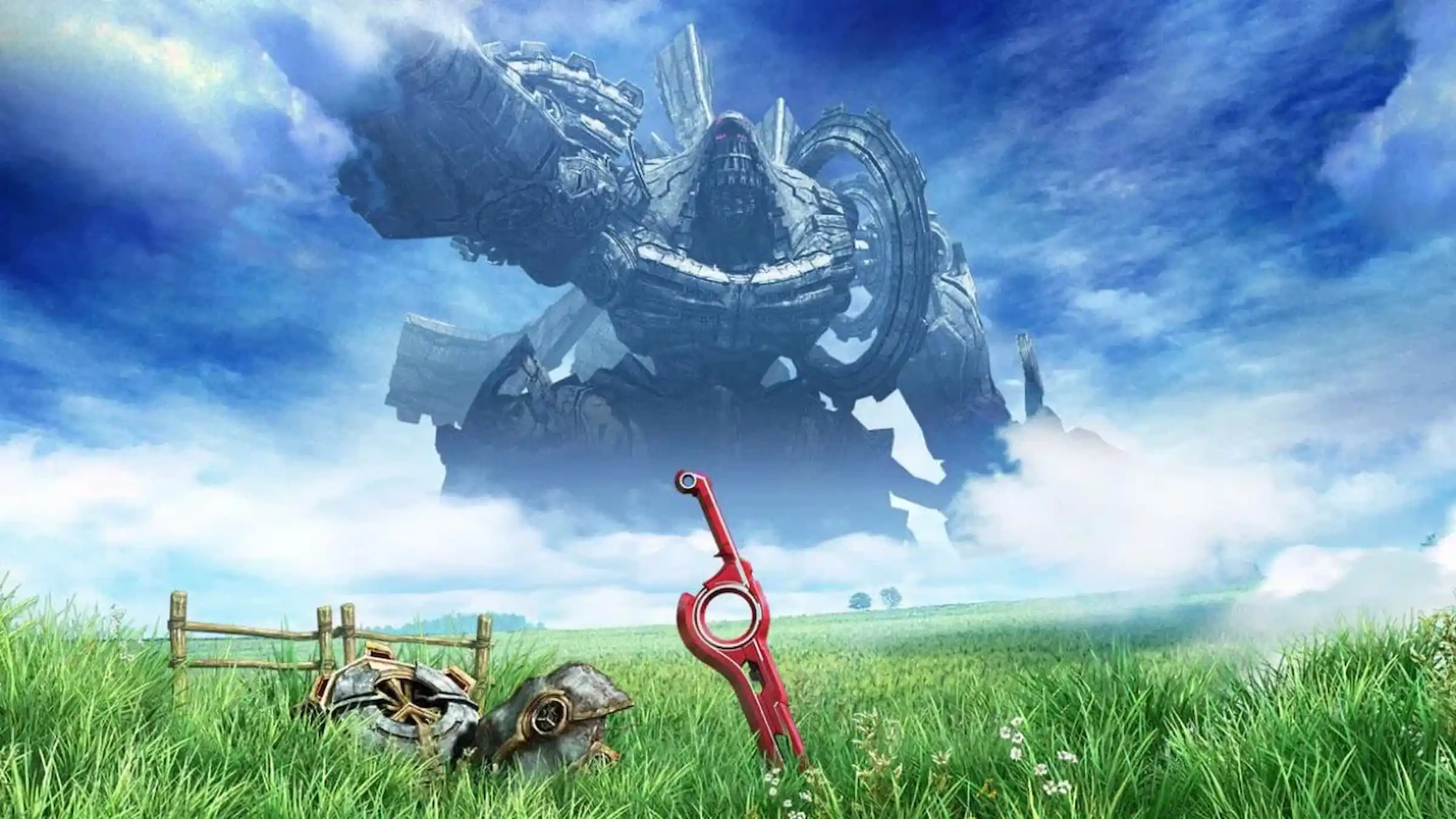
Looking at JRPGs today, it’s clear that The Last Remnant was ahead of its time and influenced many games that followed. Modern JRPGs are now commonly featuring deep, intricate systems, complex stories, and a style of storytelling that lets players figure things out for themselves. Xenoblade Chronicles, released a year later, clearly shows this influence, and games like Octopath Traveler and Triangle Strategy also share this approach – trusting players to piece the story together rather than having everything explained. The Last Remnant tried this same thing years ago, before players were quite ready for it.
I’ve noticed how much JRPG battles have changed lately. A lot of newer games don’t stick strictly to turn-based or real-time, and really focus on things like where your characters are positioned, how well they work together, and overall team strategy. Thinking about it, the battle system in The Last Remnant – where you build up groups to fight – doesn’t seem so strange now compared to what’s popular today. Actually, going back to play it now, it’s clear how ahead of its time it was! It makes me wonder if it had come out just a few years later, people would have really embraced it. It feels like it was released at the wrong moment.
As a long-time RPG fan, I keep seeing The Last Remnant and Xenogears brought up when people talk about hidden gems. It feels like Square Enix really took a chance with those games, even if it wasn’t always what fans expected at the time. Honestly, I miss that willingness to be bold! I’d love to see Square Enix – and other developers, really – start taking those kinds of risks again. Give me more games that aren’t afraid to try new things with how they play and tell their stories. Those games were special.
Its Needs A Better Remaster
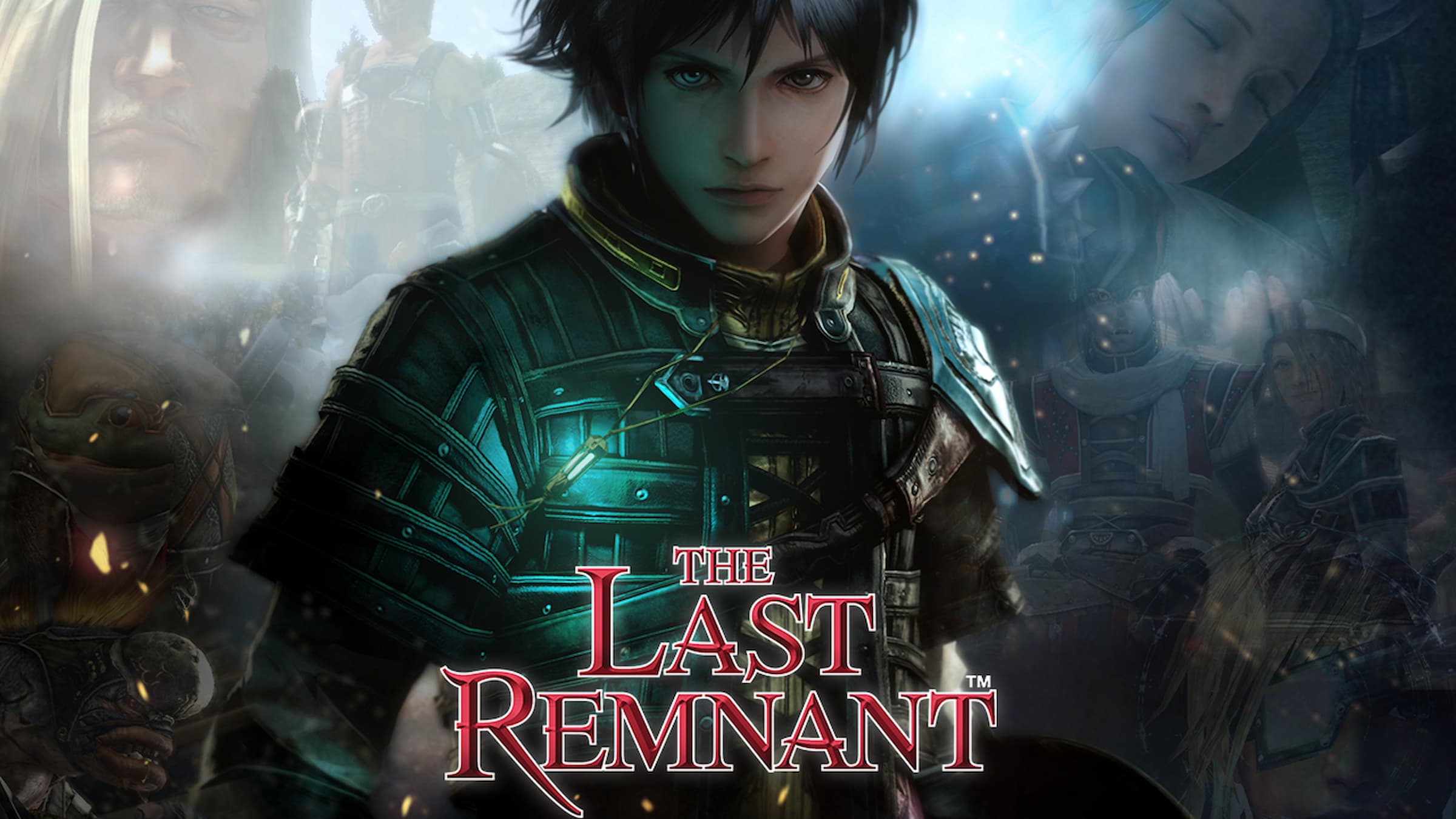
While The Last Remnant has a lot going for it, it definitely has some drawbacks. The menus and interface can be confusing, and the game doesn’t explain its mechanics very well. Early versions also suffered from performance problems. The recent remaster fixed some of these technical issues, but it didn’t solve the bigger problem of making the game accessible and easy to learn, which is why many players stopped playing it. A more thorough remaster, or even a complete remake, could really let this fantastic game shine.
A new version of The Last Remnant could really shine if it focused on making the game easier to understand and play. This means better tutorials, clearer feedback from the game’s interface, and small improvements that make the experience smoother without sacrificing the game’s complexity. A well-done remaster could finally let players appreciate the game’s unique ideas instead of being distracted by its technical flaws. With better presentation, the game could be seen in a completely new light.
I frequently suggest this game to fans of Japanese role-playing games who enjoy complex stories and gameplay. It wasn’t a bad game, but it was released at the wrong time. For players willing to invest the time, it’s still one of the greatest JRPGs ever made. While it has imperfections, The Last Remnant could become truly appreciated if it received a well-done remaster.
What do you think? Leave a comment below and join the conversation now in the ComicBook Forum!
Read More
- Marvel Officially Confirms Deadpool’s Most Brutal Redesign
- Nintendo Switch 2 Reportedly Getting Remake of One of the Best PS3 and Xbox 360 Games
- Crunchyroll Confirms New Isekai Anime Releases for 2026 and Beyond (With Major Returns)
- All 61 Episodes 90s Cult Classic Sci-Fi TV Show That Was Famously Canceled Twice Were Just Added to Tubi
- The Boys Season 5, Episode 2’s Soldier Boy Ending Twist Changes Everything for Homelander & Butcher
- 5 Best Open-World Games You Can Beat In A Weekend
- 10 Movies That Were Banned in Different Countries For Random Reasons
- Gold Rate Forecast
- Invincible Creators Offer Promising Update on Season 5 Release Date
- The Boys Season 5, Episode 5 Ending Explained: Why Homelander Does THAT
2025-12-28 02:15