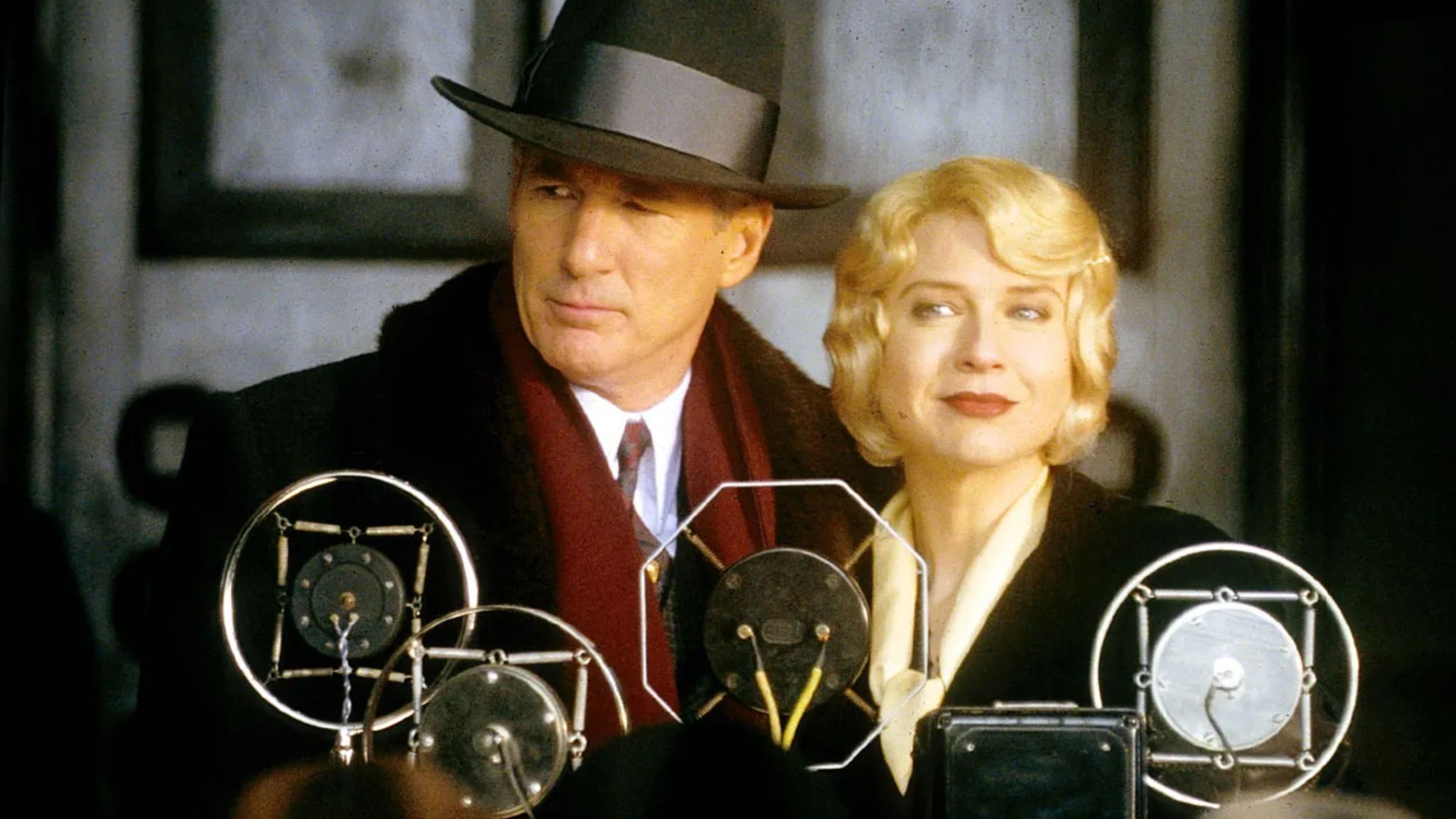
Most movie lovers know musicals haven’t been popular in Hollywood for quite a while. For years, they were seen as old-fashioned and difficult to market, and studios worried they wouldn’t appeal to a wide enough audience to justify big budgets. While recent successes like the upcoming Wicked movie, Disney’s Frozen and Moana, and musical biopics like Elvis suggest things are changing, someone had to take the first step to bring musicals back.
At the start of the 2000s, creating a musical for grown-ups, with a bit of an edge, and hoping for broad appeal felt like a big risk. Any successful show was considered a lucky outlier, not a sign of things to come. While Moulin Rouge! was highly regarded, it couldn’t really change the landscape. Then a particular film proved the issue wasn’t musicals themselves, but how they were being made. It was a complete shift in approach for a genre that wasn’t taken seriously, and it ultimately proved incredibly successful.
Chicago Was the Biggest Musical of the 2000s
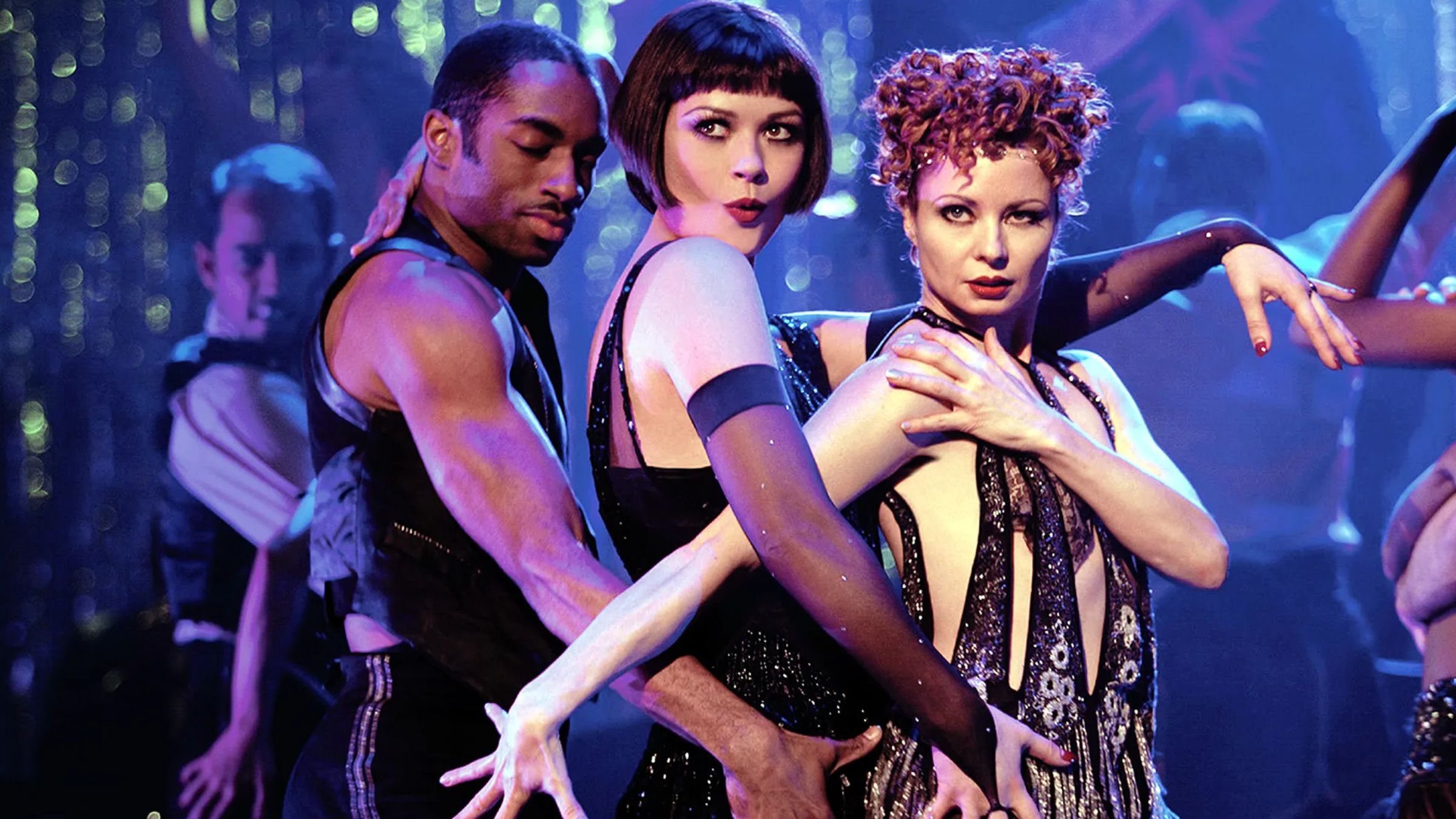
Everyone knows the name Chicago. Even if you haven’t seen the movie, the title is famous. Released in 2002, the film was based on the popular 1975 Broadway musical, but it didn’t follow the typical Hollywood formula for musicals. The story centers on Roxie Hart (Renée Zellweger), a woman desperate for fame who murders her lover and sees her trial as a chance to become a celebrity. She’s joined by Velma Kelly (Catherine Zeta-Jones), another woman accused of murder, and Billy Flynn (Richard Gere), a lawyer who’s a master at turning crime into a spectacle. The film isn’t about forgiveness or glorifying its characters; it’s a sharp look at a system where the person who controls the story always wins, regardless of the truth.
What makes Chicago stand out? It has a clear vision: it’s direct, unpretentious, and doesn’t apologize for being what it is. Unlike Moulin Rouge!, which used flashy visuals, romantic tropes, and pop songs to feel modern, Chicago takes a simpler, more focused approach. It’s also very self-aware, offering a clear commentary on its subject matter. Each musical number feels like a natural extension of what the characters are doing in public, rather than a distraction from the plot. This makes the musical format accessible even for those who don’t usually enjoy musicals. The songs aren’t just added for spectacle; they are the story, revealing how the characters perceive themselves and their roles within it.
This creative decision is key: instead of aiming for heartwarming romance or dramatic moments, the film deliberately makes the audience uneasy. Roxie and Velma aren’t portrayed as innocent victims; they understand how the system works and skillfully use it to their advantage. They don’t need to be likeable or virtuous—just compelling to watch. This creates a funny, impressive, yet unsettling feeling, as you recognize how obviously they’re manipulating everyone around them. This ironic twist keeps the musical feeling new and original, something many other musicals fail to achieve by sticking to predictable formulas.
As a huge musical fan, I really appreciate how Chicago gets the technical stuff right. It doesn’t try to overwhelm you with flashy effects – something that can turn a lot of people off. Rob Marshall’s direction is amazing; everything feels so rhythmic and the choreography is spot-on. He clearly loves the stage origins of the story, but it never feels like you’re just watching a filmed play. And the editing? Fantastic! Every song feels like it moves the story forward, and you know there’s a reason for everything you’re seeing – it’s not just eye candy. The movie keeps a great pace throughout. Basically, it understands that energy comes from storytelling, not just big visuals. Movies like Cats, Dreamgirls, or The Greatest Showman are fun and visually impressive, but sometimes the story gets lost in all the spectacle.
How Chicago Took the Crown from Moulin Rouge! as the Greatest Musical Ever
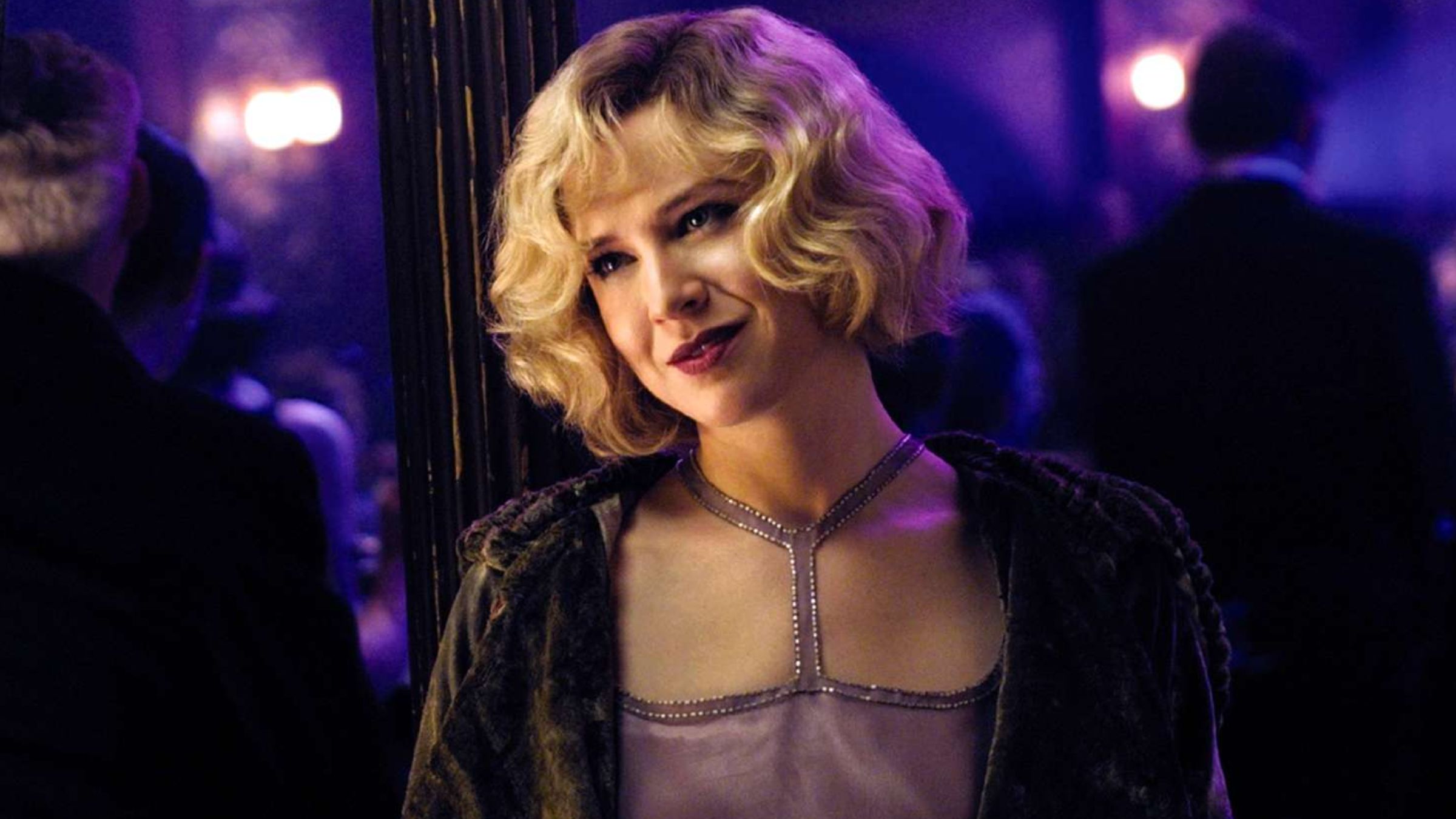
When you compare Moulin Rouge! and Chicago, the contrast becomes clear over time. Moulin Rouge! definitely played a big role in bringing musicals back into popularity, but its fast-paced style and many pop culture nods haven’t held up as well. Chicago, however, still feels fresh because it doesn’t depend on fleeting trends. It explores themes of sensationalized news, the pursuit of quick fame, and the way violence can be turned into spectacle—topics that are just as relevant now as they were when the film was first released.
Beyond being loved by audiences and critics, Chicago received major industry awards, including the Oscar for Best Picture – something no musical had done in over three decades. This historic win proved musicals could compete with – and beat – traditional dramas and big-budget films. The success wasn’t due to sentimentality or flashy effects; it was a complete package – a strong script, great acting, well-integrated musical numbers, and a consistent artistic vision that made the film compelling from beginning to end.
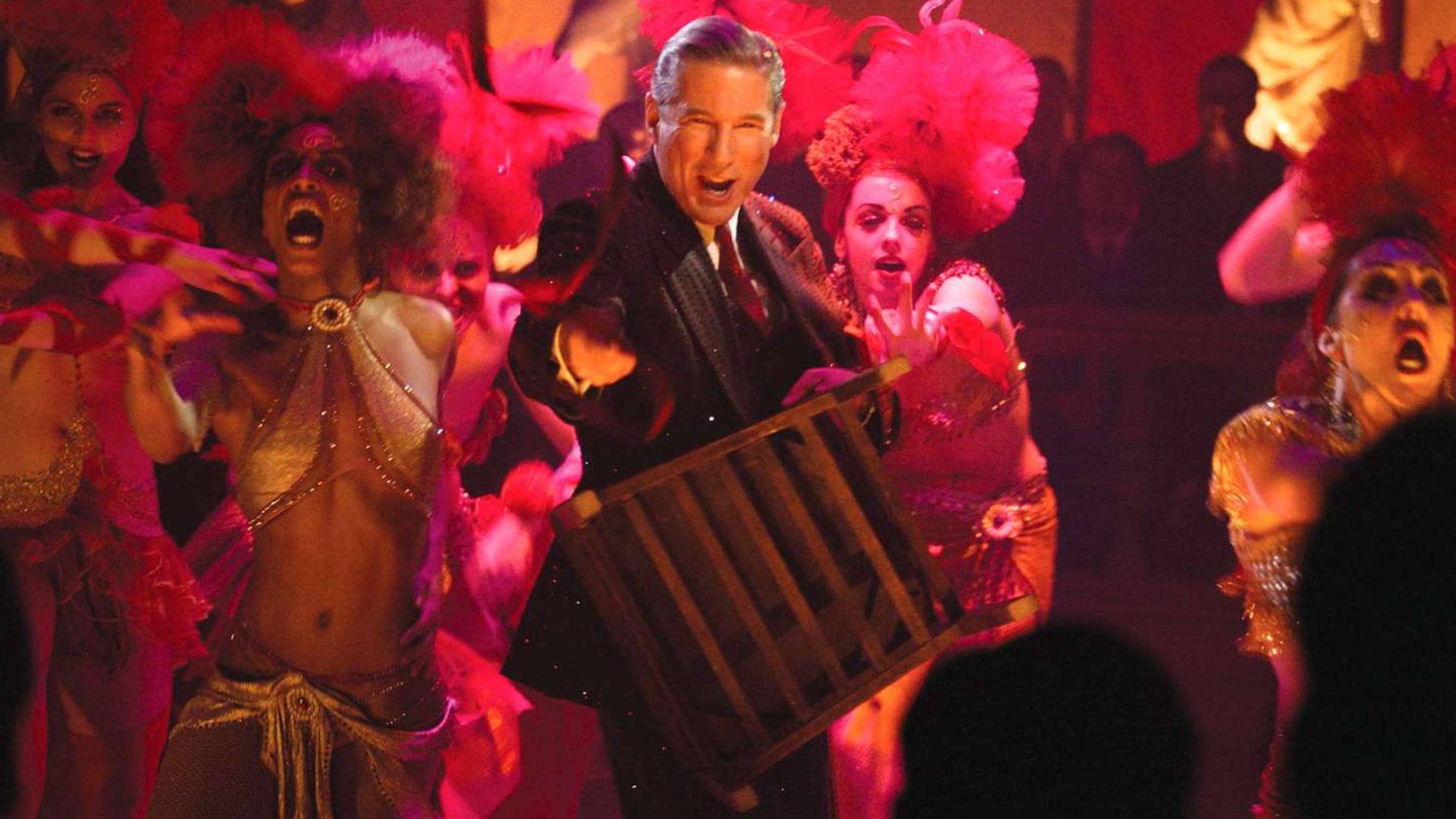
Let me tell you, Chicago wasn’t just a dazzling film, it was a game-changer. It proved audiences were hungry for musicals that dealt with more adult themes, and weren’t afraid to be a little different. The film was a huge hit, showing studios that you could make a profitable musical without resorting to the usual over-the-top silliness or tired tropes – and it actually attracted a new audience while doing it. Honestly, I think we’d be seeing a lot fewer modern musicals if Chicago hadn’t paved the way. Films like Mamma Mia!, La La Land, Tick, Tick… Boom!, and Wicked – even the bolder Broadway adaptations – all benefited from the confidence Chicago instilled in studios. It showed them that taking risks with original stories and a unique visual style could actually pay off. Without it, a lot of these projects might still be sitting on a shelf, deemed too risky for today’s audiences.
After twenty-three years, it’s obvious that the movie Chicago has had a huge influence. It didn’t just surpass Moulin Rouge! in terms of lasting power, it essentially defined what people now expect from a musical film. The filmmakers clearly understood the genre, followed its conventions perfectly, and did so without trying to be overly innovative. This is why it continues to resonate with audiences today, and why it remains the benchmark for modern musical films.
Do you like the city of Chicago? What are your thoughts on the movie? Share your opinion in the comments and join the discussion on the ComicBook Forum!
Read More
- Marvel Officially Confirms Deadpool’s Most Brutal Redesign
- Nintendo Switch 2 Reportedly Getting Remake of One of the Best PS3 and Xbox 360 Games
- Welcome to Demon School! Iruma-kun season 4 release schedule: When are new episodes on Crunchyroll?
- Michael Jackson Biopic’s Record-Breaking Debut Unseats 2026’s Biggest Box Office Hit On U.S. Chart
- Crunchyroll Confirms New Isekai Anime Releases for 2026 and Beyond (With Major Returns)
- The Boys Season 5, Episode 5 Ending Explained: Why Homelander Does THAT
- Did Lauren Sánchez Bezos Hint at Baby Plans With Jeff Bezos? The Truth
- 5 Best Open-World Games You Can Beat In A Weekend
- The Boys Season 5, Episode 2’s Soldier Boy Ending Twist Changes Everything for Homelander & Butcher
- 10 Movies That Were Banned in Different Countries For Random Reasons
2025-12-28 05:11