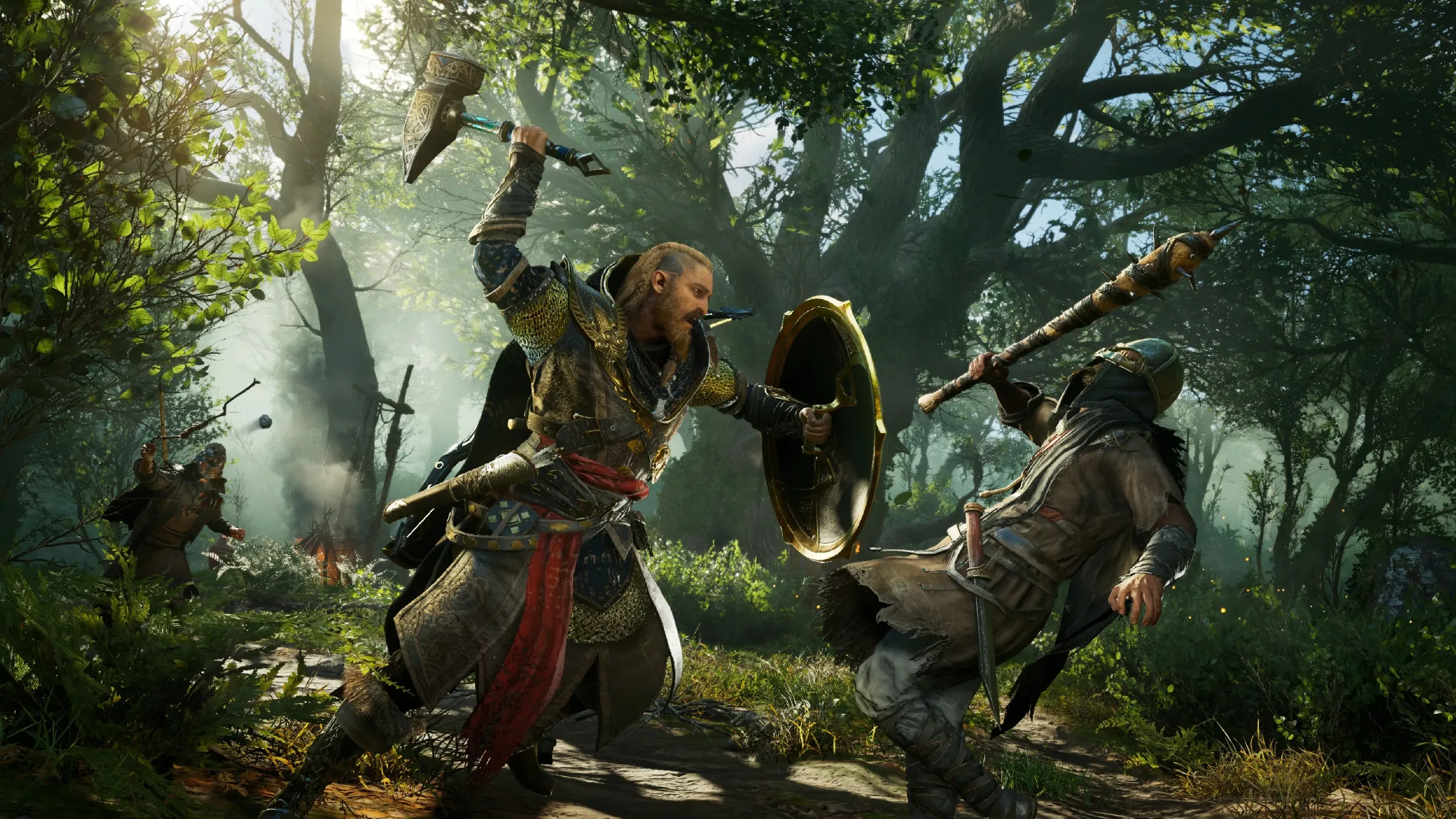
Open-world role-playing games have always appealed to players because they offer freedom and the feeling that there’s always something new to discover. For a long time, the vastness of these games was a key part of their appeal, encouraging players to explore, find stories, and stay engaged. But recently, the focus has shifted from creating truly expansive worlds to simply making games longer, with length becoming a primary feature advertised to players.
It’s become common for large, open-world role-playing games to take 80, 100, or even 150 hours to complete. This isn’t simply due to a long story; it’s because developers are deliberately designing these games to be played for extended periods. Sometimes this adds enjoyable content, but other times it can feel repetitive or tedious. These design choices are major factors driving the incredibly long playtime of modern open-world RPGs.
4. Massive Maps That Prioritize Travel Time
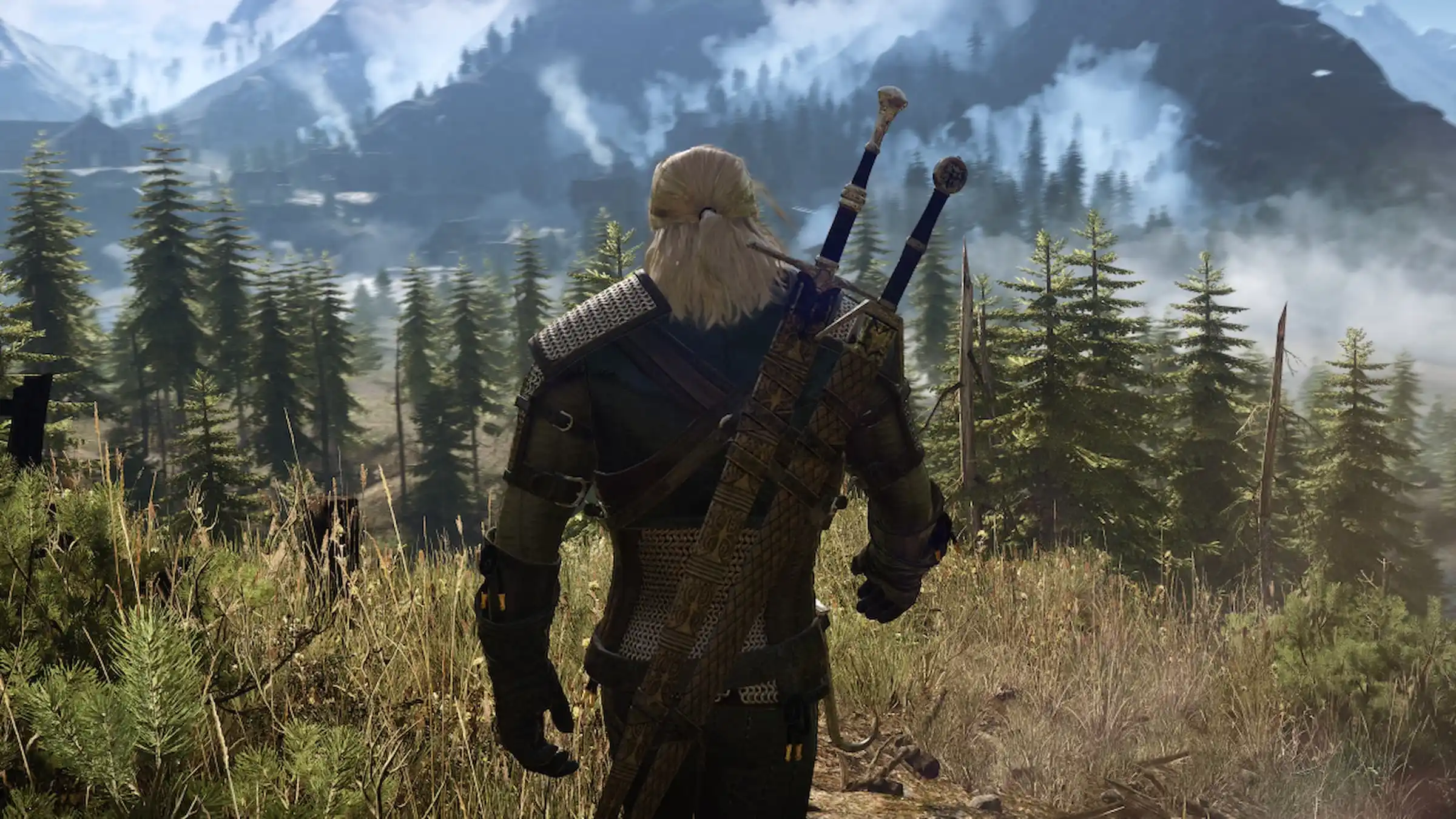
Today’s open-world RPGs often feature massive game maps, much bigger than the story needs. This is meant to create a sense of epic scale. Because these worlds are so large, simply getting around takes a significant amount of time, adding hours to the overall game length. Even with quick travel options, players often spend a lot of time traveling just to reach distant goals. When done effectively, players love this expansive feel, but sometimes it can become tedious and detract from the experience.
Throughout a game, all the travel time really adds up. Constantly going back and forth across the same areas for different tasks and between important locations significantly increases how long it takes to finish the game, though you often don’t realize it when you’re enjoying yourself. A lively and engaging world makes travel feel worthwhile, but when large areas are just empty space you have to cross, that vastness becomes a major reason why the game takes so long to complete.
3. “Optional” Side Content That Is Designed to Be Unavoidable

Many open-world RPGs present side quests as optional, but often they become necessary to keep moving forward. Systems like enemy difficulty that adjusts to your level, and gear requirements, frequently force players to spend time leveling up or finding better equipment. While you can technically finish the main story without these side activities, doing so makes the game much more manageable and allows you to actually progress at a reasonable pace. So, while labeled as optional, they often feel essential.
The game is designed so that players encounter a lot of content simply by playing, even if they don’t actively seek it out. Players will spend many hours completing tasks, like contracts and faction missions, just to keep up with the challenges. Strong side content makes the game world feel richer and more immersive, often subtly improving the experience. However, if this content becomes repetitive, it still succeeds in making the game longer, but it can significantly detract from the overall fun.
2. Progression Systems That Constantly Demand Your Attention

Modern open-world RPGs are designed to keep you playing for a long time. They don’t really have an ending point for character development – there’s always another skill to unlock, a better piece of gear to find, or something to craft. Instead of simply getting stronger as you follow the story, improving your character becomes a constant activity. This means you’re always focused on making your character more powerful, using all the different options the game offers, and staying engaged in building and improving your character if you’re enjoying the experience.
However, this leads to gameplay that focuses heavily on getting ready for what’s next, rather than actually moving the story forward. Players will likely spend a lot of time improving their gear, gathering materials, and unlocking small upgrades that feel essential for surviving later challenges. While some players who like to customize and refine things will enjoy this, others may find it slows down the game and makes the experience feel much longer than the story warrants.
1. Live-Service Influences That Redefine Completion
The biggest change in massive, hundred-hour open-world RPGs is the use of techniques borrowed from online games designed to keep players engaged for years. These techniques – like ongoing reputation systems, things to do repeatedly, and never-ending progress paths – are now standard. This is a potentially controversial trend, as it suggests some developers intentionally create games that don’t really have an ending, aiming to keep players hooked indefinitely.
Many games now make it feel like the story isn’t really over when you reach the end. Completing the main quest often just unlocks more content, leading players into a much longer experience. These games encourage you to keep playing for extended periods, and fully finishing everything can take a huge amount of time. While some players enjoy this endless gameplay, it means the ‘real’ end of the game is a significant commitment.
What do you think? Leave a comment below and join the conversation now in the ComicBook Forum!
Read More
- Marvel Officially Confirms Deadpool’s Most Brutal Redesign
- Invincible Creators Offer Promising Update on Season 5 Release Date
- Gemma Arterton spy thriller Secret Service based on hit novel gets release date confirmed on ITV
- The Boys Season 5, Episode 5 Ending Explained: Why Homelander Does THAT
- See King Charles & Queen Camilla’s Royal Looks for State Dinner
- Frieren: Beyond Journey’s End Gets a New Release After Season 2 Finale
- 10 Movies That Were Banned in Different Countries For Random Reasons
- Apex soundtrack: Every song featured in the Netflix thriller
- Gold Rate Forecast
- ‘You Can Play Your Purchased Games As Usual’: Sony Breaks Silence on PS5, PS4 Game Expiry DRM
2025-12-29 19:40