
War games are a curious case in gaming. They naturally lend themselves to the idea of powerful fantasies, letting players experience dramatic battles against countless enemies without feeling personal responsibility. However, this can sometimes diminish the impact of stories trying to realistically portray the harshness of war.
While games like Spec Ops: The Line and Call of Duty: Modern Warfare tackle war directly, Nintendo’s Advance Wars quietly delivers a powerful message. Though appearing as simple, colorful strategy games for handheld devices, Advance Wars actually explores the serious side of conflict. It’s a compelling series that effectively communicates anti-war themes without sacrificing engaging gameplay.
Just Because Advance Wars Is Cartoony Doesn’t Mean It Isn’t Serious

Despite its colorful and playful appearance, the Advance Wars series tackles surprisingly serious themes and tells dramatic stories. Starting as Famicom Wars, the franchise gained popularity in the West with the 2001 release of Advance Wars on the Game Boy Advance. The game’s bright, cartoon-style graphics made the turn-based strategy easy to follow, clearly showing tanks, ships, and planes on the battlefield. But beneath the cheerful exterior lies a narrative that’s often much more complex and weighty.
I’ve always loved how the Advance Wars games don’t shy away from the darker side of war. It’s not just about battles; the campaigns really dig into the complicated relationships between countries and the things that can cause conflict. The original Advance Wars set the stage with this looming threat of the Black Hole Army trying to stir up trouble, and the sequels, Black Hole Rising and Dual Strike, went even deeper. They tackled really heavy stuff like unethical experiments, people profiting from war, and even weapons of mass destruction. It’s surprisingly thought-provoking, showing how countries can be driven apart by their own interests, but also come together when facing a common enemy. What’s amazing is that it does all this without losing its fun, colorful style. That blend of charm and serious themes is what makes the series so special and enjoyable for me.
Advance Wars’ Most Dramatic Game Almost Killed The Franchise
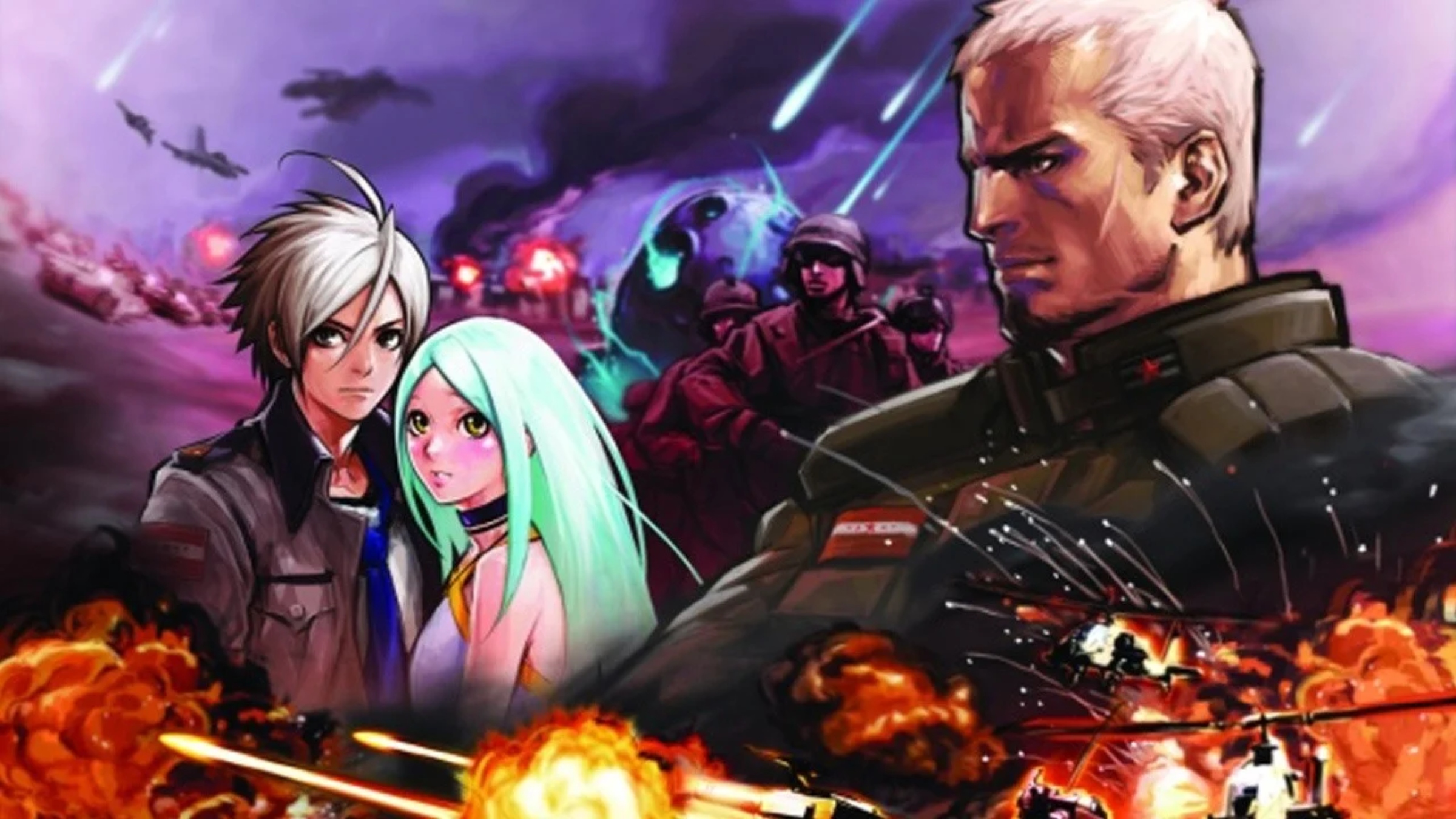
As a big fan of the Advance Wars series, I was really let down when Days of Ruin came out in 2008. It felt different from the other games, like it took place in its own separate timeline. The story focused on people trying to survive after a huge disaster that basically wiped out most of the world. While it touched on similar ideas as Dual Strike and the others, it did so in a much darker and more serious way.
Overall, Days of Ruin was a much darker game than its predecessors, with a grittier art style and tone. While critics generally liked the gameplay improvements, the game’s bleak and serious storytelling was its biggest weakness. The lack of likeable characters and lighter moments made the story feel distant and less engaging. Characters felt generic, and the narrative lost its impact. By taking itself too seriously, Days of Ruin ultimately lost its audience.
Advance Wars Balances Military Gameplay With Darker Storytelling

What I’ve always appreciated about Advance Wars is its honest portrayal of war, despite not showing its most gruesome aspects. The game demonstrates how quickly conflicts can spiral out of control, even from minor disagreements, resulting in massive loss of life. It also cleverly portrays the flaws of commanders like Olaf and Eagle, showing how their biases could cloud their judgment. Ultimately, the threat of the Black Home Army emphasized the dangers of unchecked industrialization and expansion, and how easily they can erase cultures and cause widespread devastation.
The game’s appealing style helped draw young players into the story, and its important themes were clear throughout. Many war-themed games struggle to balance realistic complexity with fun gameplay. It’s common for these games to simply celebrate battles instead of showing how war should be a last option. Advance Wars does this exceptionally well; it’s a fun game to play, but also tells a story that resonates with a wide audience, particularly younger players, in a meaningful way.
Read More
- Trails in the Sky 2nd Chapter launches September 17
- HBO Max Just Added the Final Episodes of a Modern Adult Swim Classic
- Paradox codes (April 2026): Full list of codes and how to redeem them
- PRAGMATA ‘Eight’ trailer
- Crimson Desert’s Momentum Continues With 10 Incredible New Changes
- Pragmata Shows Off Even More Gorgeous RTX Path Tracing Ahead of Launch
- How Could We Forget About SOL Shogunate, the PS5 Action RPG About Samurai on the Moon?
- Hulu Just Added One of the Most Quotable Movies Ever Made (But It’s Sequel Is Impossible To Stream)
- Why is Tech Jacket gender-swapped in Invincible season 4 and who voices her?
- Dragon Quest Smash/Grow launches April 21
2025-12-31 08:10