
With the release of Avatar: Fire and Ash, James Cameron’s Avatar saga officially becomes a trilogy after more than fifteen years. Following the events of Avatar: The Way of Water, Fire and Ash resolves several unresolved storylines and brings the main themes and overall story of the franchise to a conclusion.
James Cameron and his team largely succeed with the new film. Avatar 3 is the most visually impressive movie in the series so far, and provides a satisfying conclusion to the story many viewers have followed. However, Avatar: Fire and Ash also has significant issues, particularly with its ending and the ideas it presents.
Avatar: Fire and Ash Overplays The Franchise’s “White Savior” Theme
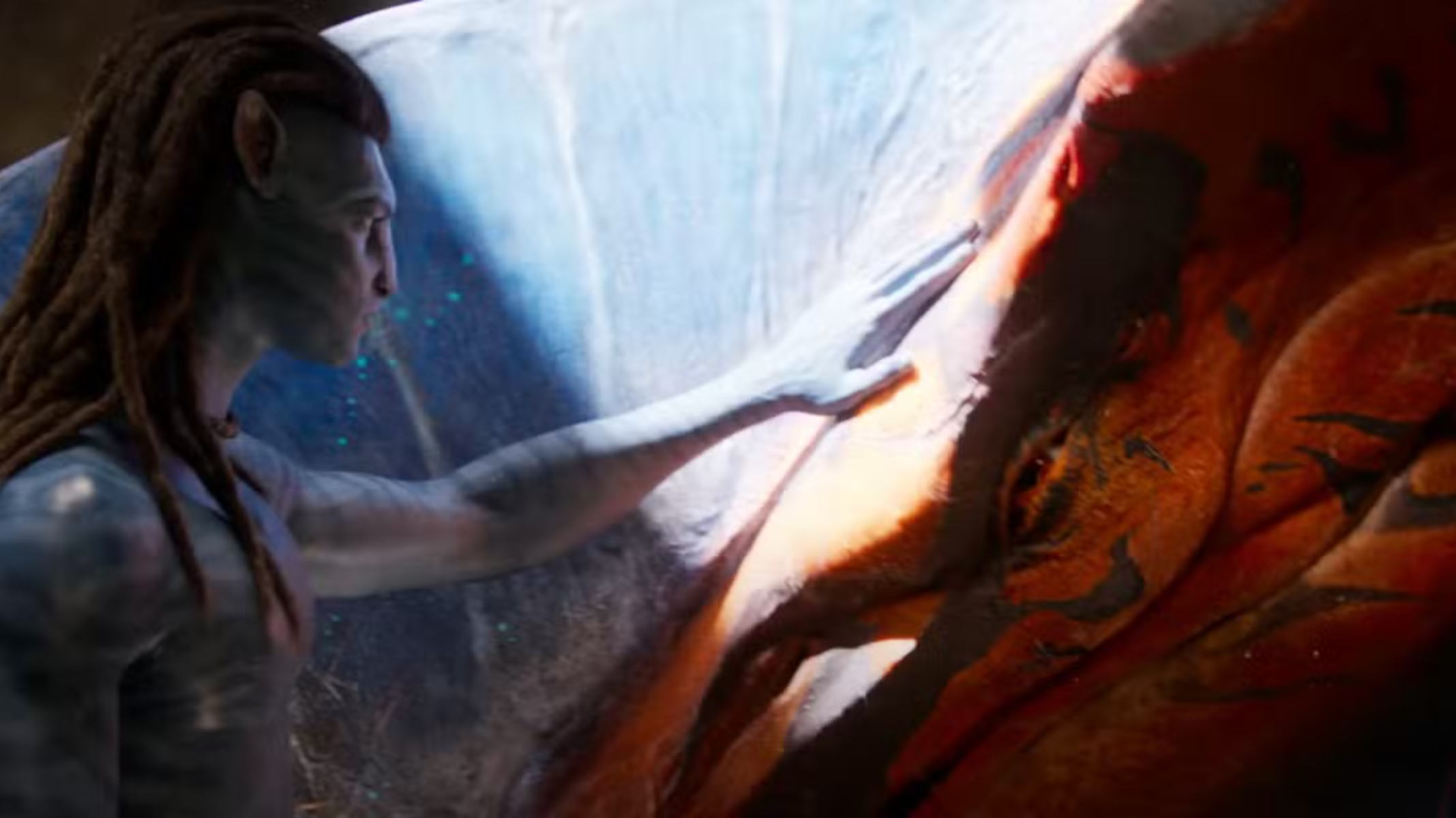
Since its release in 2009, the Avatar franchise has sparked considerable discussion. While many viewers immediately noticed similarities between Cameron’s story and films like Dances With Wolves, Pocahontas, or FernGully, critics delved deeper. They argued that Cameron walked a fine line between respectfully portraying Indigenous cultures and falling into the trope of a “white savior” narrative, updated for modern audiences and presented through immersive 3D technology.
Beware, spoilers ahead! Avatar: Fire and Ash makes it clear where Cameron’s Avatar trilogy stands – on the problematic side. The number of ‘white savior’ characters increases from one (Jake Sully) in the first movie to three (Jake, Kiri, and Spider) by the third. In the climactic battle, Jake returns as ‘Toruk Makto’ to lead the Na’vi as the prophesied warrior, while Kiri becomes Eywa’s spiritual avatar, summoning Pandora’s creatures to defend their home.
The central conflict in Fire and Ash revolves around Spider (Jack Champion), the son of Miles Quaritch. When his protective mask fails, Kiri saves him by infusing him with mycellia, which fundamentally changes his body, allowing him to breathe Pandora’s air and connect with the planet’s lifeforms like the Na’vi. Later, it’s discovered that this transformation can be replicated for all humans, essentially ensuring the RDA’s success in colonizing Pandora. Jake (Sam Worthington) and Neytiri (Zoe Saldana) consider killing Spider to save their world, but ultimately decide against it, feeling it goes against the will of Eywa (a parallel to the story of Abraham). In the end, Spider fights alongside Pandora’s inhabitants and is accepted by the Tree of Souls, where he’s welcomed by the spirits of the deceased Na’vi, including Grace Augustine.
Avatar: Fire and Ash Takes Cultural Tourism to the Next Level

The ending of Avatar: The Way of Water has sparked a lot of discussion, particularly among people whose families have experienced colonization, forced assimilation, or being forced to leave their homes. I even had to ask my brother while we were watching: “Did James Cameron really think he could just weigh in on this topic?”
That saying highlights a valid point. Spider isn’t a central figure in Avatar, and his actions aren’t particularly heroic or admirable enough to earn him the status of an honorary Na’vi. Jake Sully truly immersed himself in another culture to grow, while Spider remained an outsider, often appearing foolish rather than insightful in The Way of Water. It’s surprising, then, to see him play such a significant and respected role in Fire and Ash. This is further complicated by the film’s portrayal of the Ash people as simple, villainous figures, instead of exploring the complexities of a Na’vi group that has lost its faith and is caught between the invading humans and the rest of their people and planet.
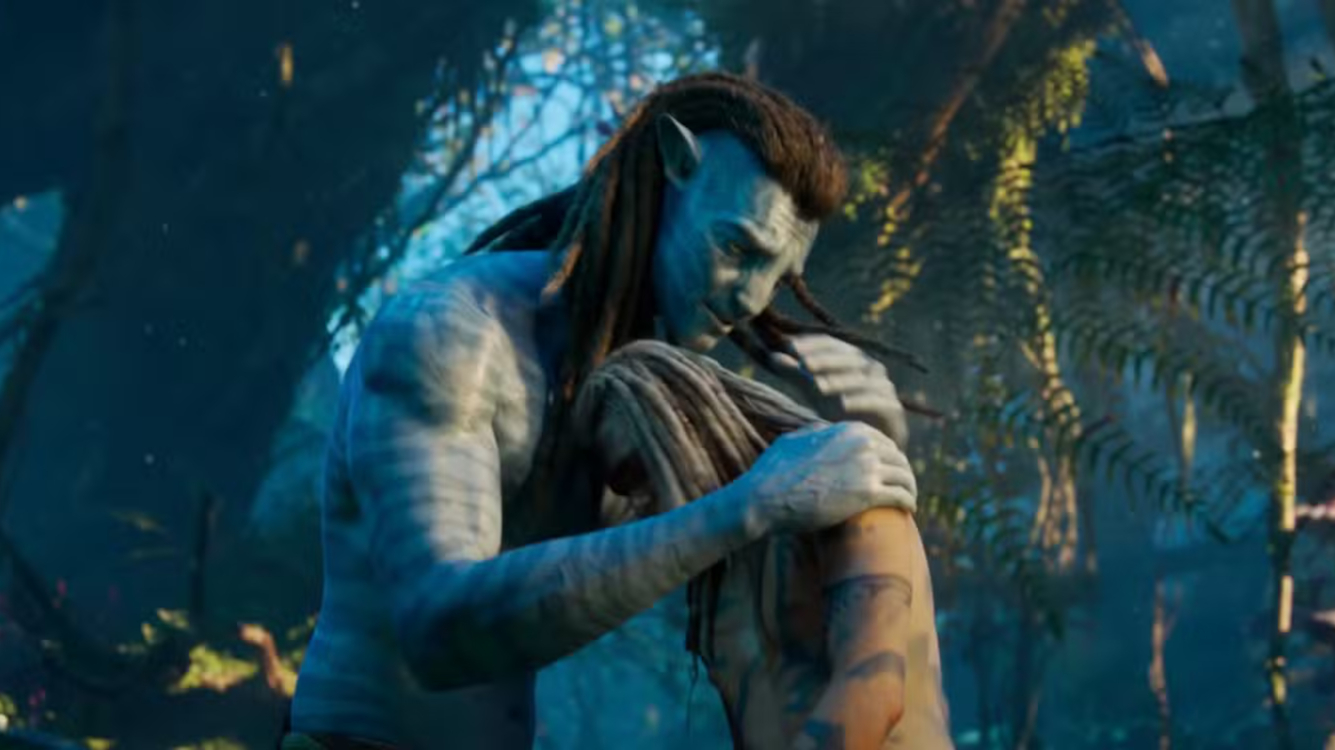
As a movie lover, one thing that really bothered me about Avatar: The Way of Water wasn’t just that Pandora’s fate rested on Jake and Kiri, but Spider’s storyline felt… problematic. It almost felt like James Cameron was giving himself – and by extension, Spider – permission to claim a deeper connection to Na’vi culture than actual Na’vi. It’s this idea that someone from the outside could somehow become more authentically connected to a culture than those born into it, and honestly, it felt really off-putting.
It’s risky to build the future of the Avatar franchise on the idea of offering cultural commentary. James Cameron needs to realize that spending 16 years creating stories about Pandora doesn’t automatically make him an expert on other cultures – it just means he’s been immersed in a fictional world for a long time. And that lack of real-world insight is apparent in Avatar: Fire and Ash.
Read More
- Everything You Need To Know About Nikki Baxter In Stranger Things’ Animated Spinoff
- The Boys Season 5, Episode 5 Ending Explained: Why Homelander Does THAT
- Miranda Kerr Shares “Quick” Procedure She Got Before Met Gala 2026
- Welcome to Demon School! Iruma-kun season 4 release schedule: When are new episodes on Crunchyroll?
- ‘The Bride!’ Review: Jessie Buckley Breathes Life into a Monstrous Mess
- After 11 Years, Black Clover Officially Ends With Final Release (& Crowns a New Wizard King)
- STABLE PREDICTION. STABLE cryptocurrency
- How Lauren Sánchez Bezos’ Met Gala Dress Claps Back at Fashion Scandal
- New Look at The Punisher: One Last Kill Hypes Jon Bernthal’s R-Rated Violence
- Entangling Matter and Gravity: A New Path to Quantum Observation
2026-01-01 20:40