It’s likely my first article of 2026 focuses on artificial intelligence because AI will probably continue to be a major topic in the news all year.
You can’t really escape it, especially if you use Microsoft products. Microsoft has added AI features to absolutely everything they offer – every app, service, and product – even if those features aren’t always well-made or helpful.
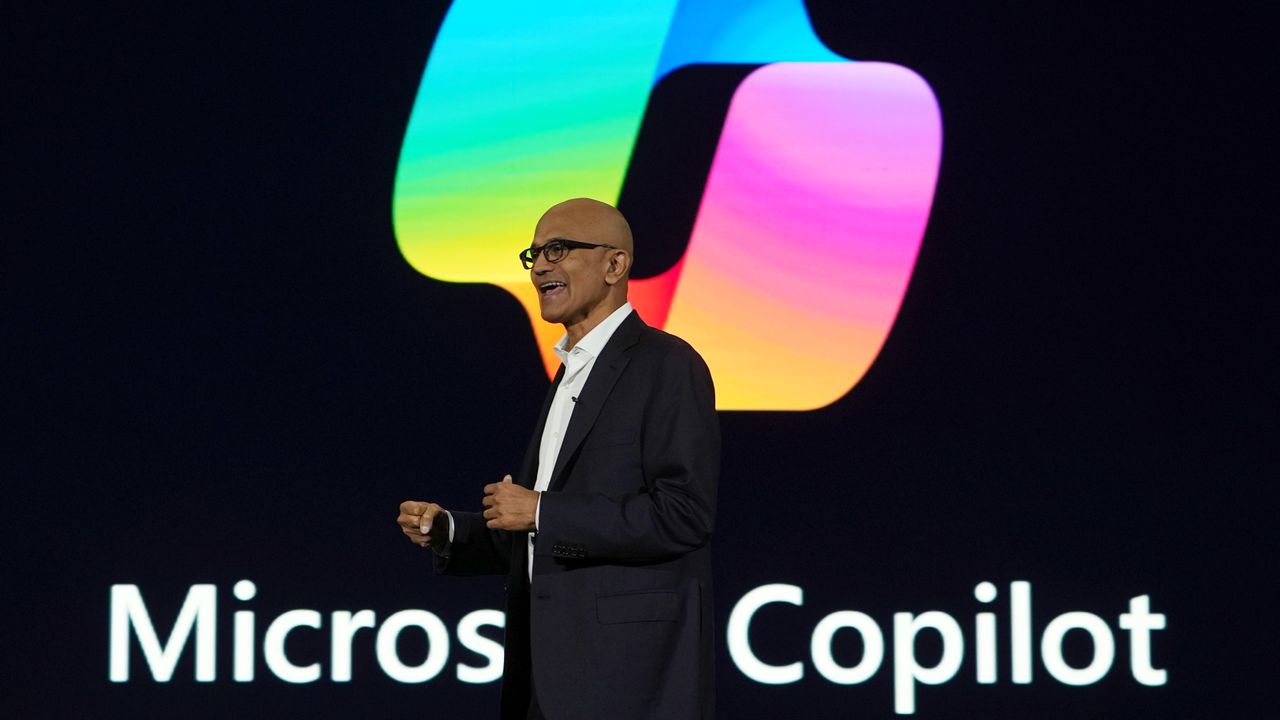
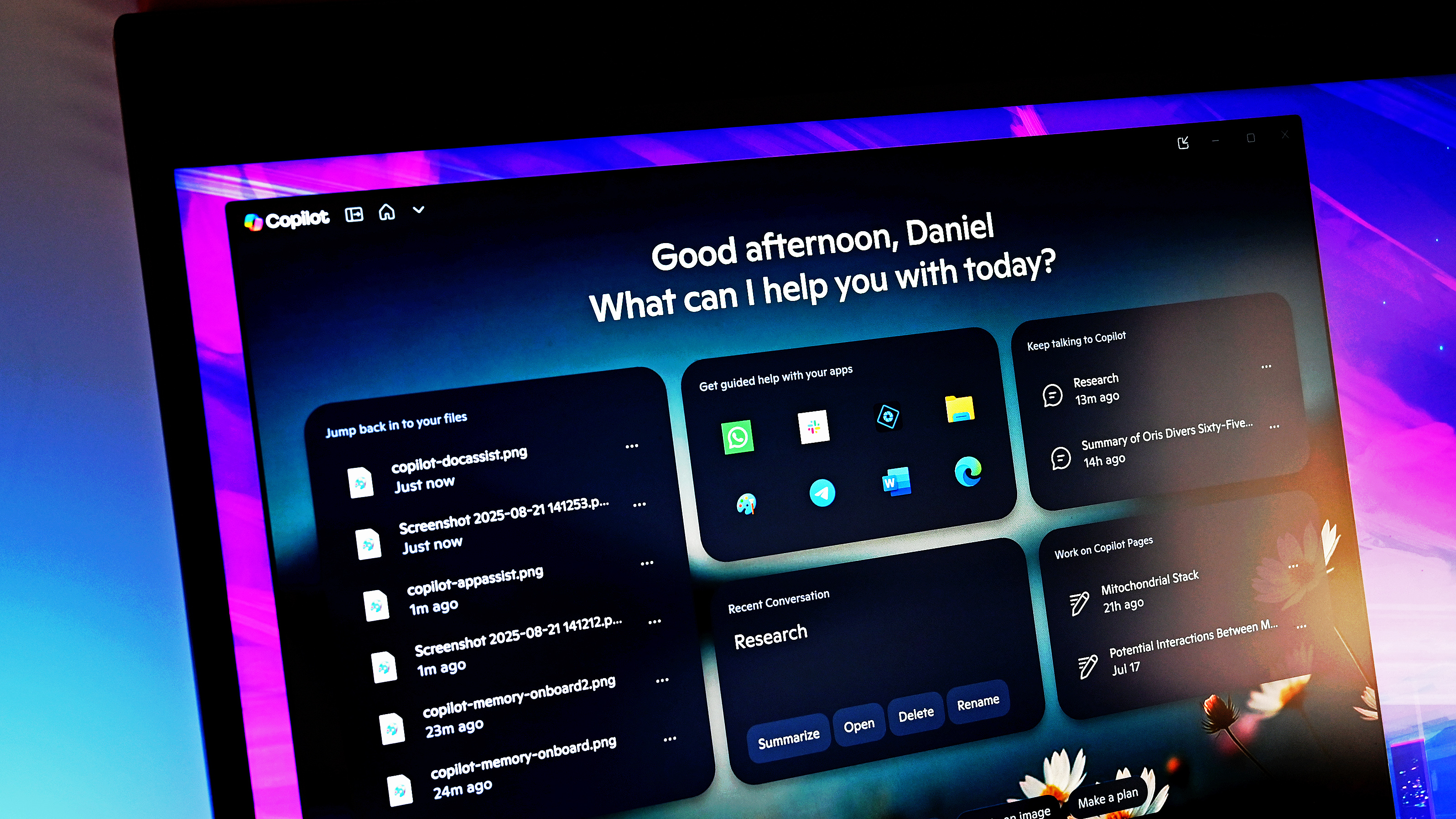
Microsoft Copilot is a key offering for the company, built using the power of ChatGPT and Microsoft’s initial investment in OpenAI. It’s already available on Windows computers and is prominently featured in mobile app stores. However, it’s not as popular overall as ChatGPT itself. Google’s Gemini is quickly becoming a strong competitor, especially in providing solutions for businesses, which is where Microsoft is focusing its efforts.
I’ve noticed a lot more people looking for alternatives to Microsoft lately. The constant push for Copilot, which many find unhelpful, seems to be driving them away. I’m even hearing about entire governments switching to Linux! There’s a real buzz around user-friendly Linux versions that I haven’t seen before. It’s interesting because, despite concerns about Windows quality, Xbox prices, and Microsoft seemingly dropping support for Surface devices, CEO Satya Nadella didn’t address any of that in his recent year-end LinkedIn post.
If you were hoping Microsoft would tackle issues with its core products in 2026, Satya Nadella’s recent article makes it clear: the company is overwhelmingly focused on artificial intelligence for the year ahead.
Satya Nadella believes 2026 will be a critical year for artificial intelligence, though he acknowledges that every year feels important in this field. However, he notes that this time, the situation feels distinctly different.
We’ve moved beyond simply exploring this technology and are now seeing it become more widely adopted. We’re starting to understand the difference between hype and real value. While we have a better idea of where the technology is going, the bigger challenge is figuring out how to use it responsibly and make a positive impact.
Satya Nadella is right – AI is rapidly becoming a part of everyday life. It’s estimated that over a billion people already use AI tools daily, and that number is expected to grow. However, I’m not convinced we’re past the hype stage. Discussions about AI are still filled with viral trends, misleading information, and instances where AI makes mistakes – and there’s a real concern that many AI companies aren’t making money. Billions of dollars have been invested based on promises, creating what some economists call an ‘AI bubble,’ and that’s causing a lot of worry.
Nadella argues that AI will help *enhance* human abilities, not replace them, but I find that hard to believe – it seems either overly optimistic or deliberately misleading. The huge amount of money being invested in AI is clearly driven by a desire to automate jobs and cut labor costs by replacing people with cheaper technology. Microsoft, for example, laid off a large number of employees last year, even while claiming AI was writing a significant portion of their code. So far, this hasn’t resulted in any noticeable improvements in how much is accomplished, the quality of work, or how satisfied customers are.
Satya Nadella predicts a shift from basic AI “models” to more complete “systems” by 2026, systems that will deliver practical benefits. He emphasizes that unlocking AI’s true value will require significant technical skill. Hopefully, this means Microsoft’s AI features in Windows will finally become genuinely helpful. Right now, getting even basic use out of Copilot at home requires specialized knowledge or custom setups, and you always need to double-check its accuracy. Simple features like automatic editing in Microsoft Photos or creating subtitles in Clipchamp currently don’t function as expected.
Ultimately, Nadella acknowledges that AI currently lacks broad public acceptance, pointing to the ongoing criticism and ridicule it faces.
Satya Nadella believes we need to move past the debate about whether AI is simple or complex. He’s optimistic that people will embrace AI – which he calls tools that enhance our thinking – and find a new understanding of how we relate to each other now that we have these tools. He suggests we need to update our understanding of how minds work to account for these cognitive enhancements.
There is research that AI use may actually harm cognitive ability by the way. But I digress.
AI is important for the company’s future — but the hyper-fixation is almost weird
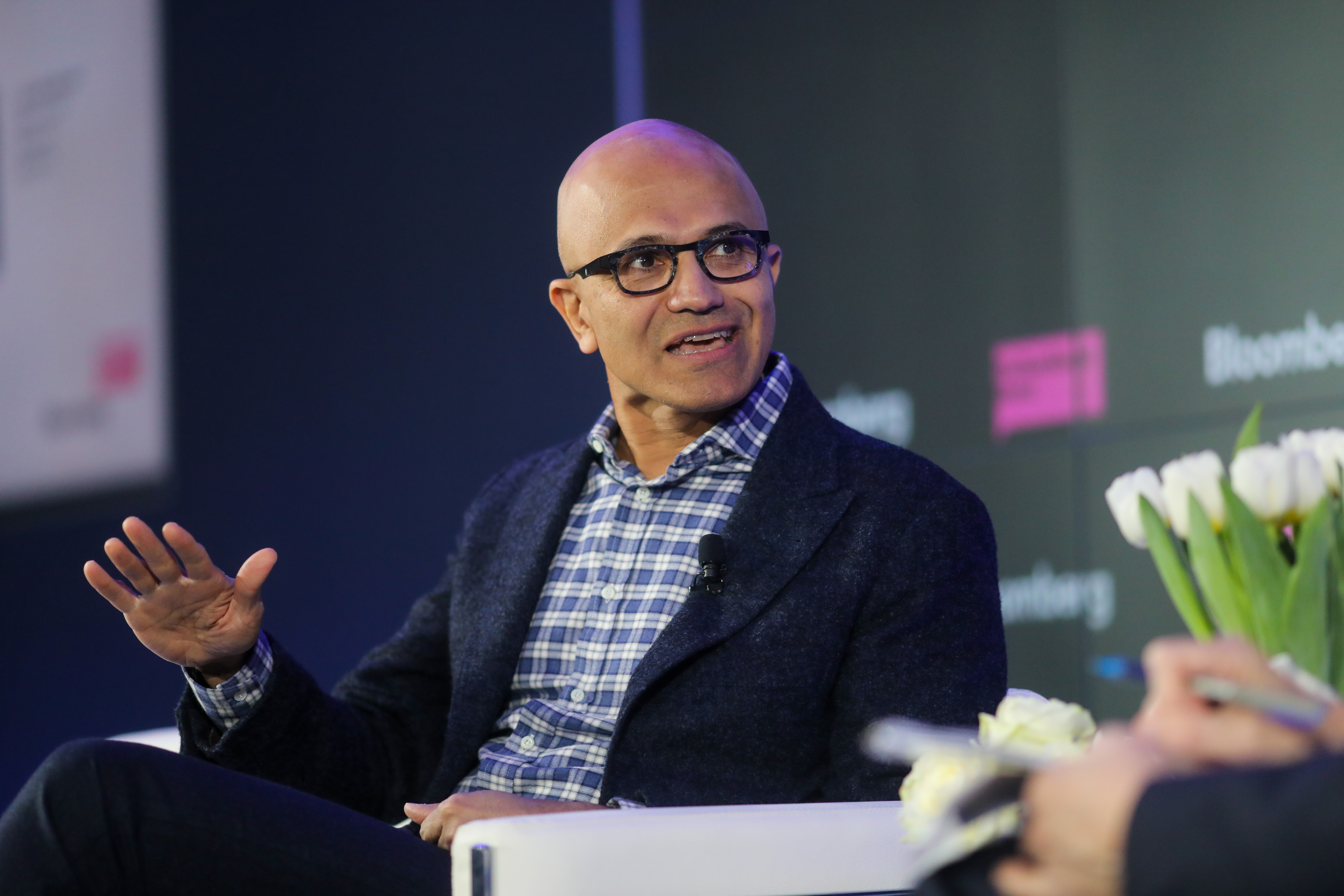
According to Nadella, we need to carefully consider how we introduce this technology globally to address problems facing both people and the environment. He emphasizes that for AI to be widely accepted, it must demonstrate tangible, positive effects in the real world.
I might be overly skeptical, but when I hear discussions about this technology, Satya Nadella seems a bit out of touch. It reminds me of his past enthusiasm for the “Metaverse” – another hyped-up trend that quickly faded, just like NFTs and LaserDisc before it.
Looking back at what Satya Nadella said about the “metaverse” a few years ago reveals a clear pattern. He focused on things like holograms and heads-up displays, technologies that didn’t really go anywhere. It was a lot of optimistic, technical jargon designed to give investors the impression that Microsoft was a leader in this emerging field.
It’s clear now that the hype around virtual reality was overblown, just like the technology itself. Even Apple has scaled back its Vision Pro headset, and Meta – the company that bet big on VR with its rebranding – is now shifting its focus and resources to AI, essentially abandoning its VR ambitions after spending billions. Microsoft deserves some credit for not fully committing to VR, probably realizing it wouldn’t last. However, they don’t seem to be approaching AI with the same level of caution.
Satya Nadella is a skilled business leader who has successfully appealed to investors with optimistic visions built on Microsoft’s strong cloud business. However, the intense focus on stock price, instead of the positive changes Nadella discusses, is making some customers consider leaving. In my opinion, Microsoft isn’t just complacent – it’s at risk of repeating mistakes that have led to the downfall of other successful companies.
Artificial intelligence is crucial to Microsoft’s future, but the company can’t forget the core products – like Office and Windows – and the customers who rely on them. Satya Nadella’s leadership seems to have overlooked this vital connection. Without prioritizing the needs of existing customers and listening to their feedback, Microsoft won’t succeed with AI.
Just like with the “metaverse,” it’s possible Microsoft isn’t fully committed to these integrations. For now, it seems likely we’ll continue to describe them as messy or poorly executed for quite some time.
Read More
- Adam Levine Looks So Different After Shaving His Beard Off
- Trails in the Sky 2nd Chapter launches September 17
- After AI Controversy, Major Crunchyroll Anime Unveils Exciting Update
- PRAGMATA ‘Eight’ trailer
- Xbox Game Pass Users “Blown Away” by New Exclusive Game
- Why is Tech Jacket gender-swapped in Invincible season 4 and who voices her?
- Dragon Quest Smash/Grow launches April 21
- Dialoop coming to Switch on June 17
- How Could We Forget About SOL Shogunate, the PS5 Action RPG About Samurai on the Moon?
- Hulu Just Added One of the Most Quotable Movies Ever Made (But It’s Sequel Is Impossible To Stream)
2026-01-02 16:11