Man, the late 90s were the golden age for platformers. So many amazing games came out then! Developers were really pushing boundaries – trying out 3D levels, new ways to control your character, and even making games look like movies, all while still making sure the gameplay was tight and fun, like the classics we all loved. Some of these games totally blew up and everyone knew them, but honestly, there were a bunch of other really good ones that just didn’t quite get the recognition they deserved.
Released almost thirty years ago, Klonoa: Door to Phantomile recently celebrated a significant anniversary and continues to be a standout platformer from its era. Though it may have been missed by some at the time, players who’ve experienced it often consider it a favorite.
Klonoa Perfectly Balances Simplicity & Emotions
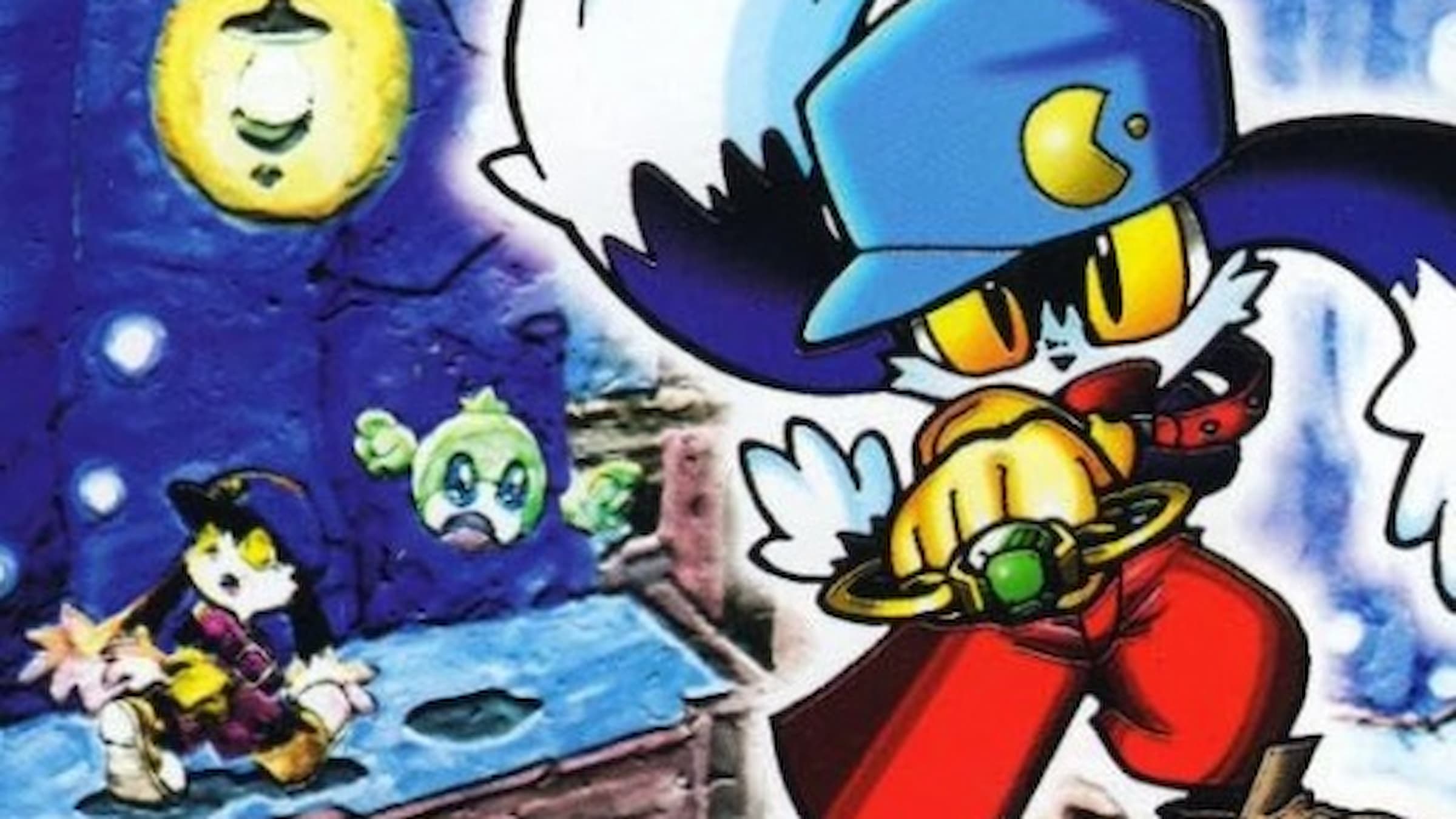
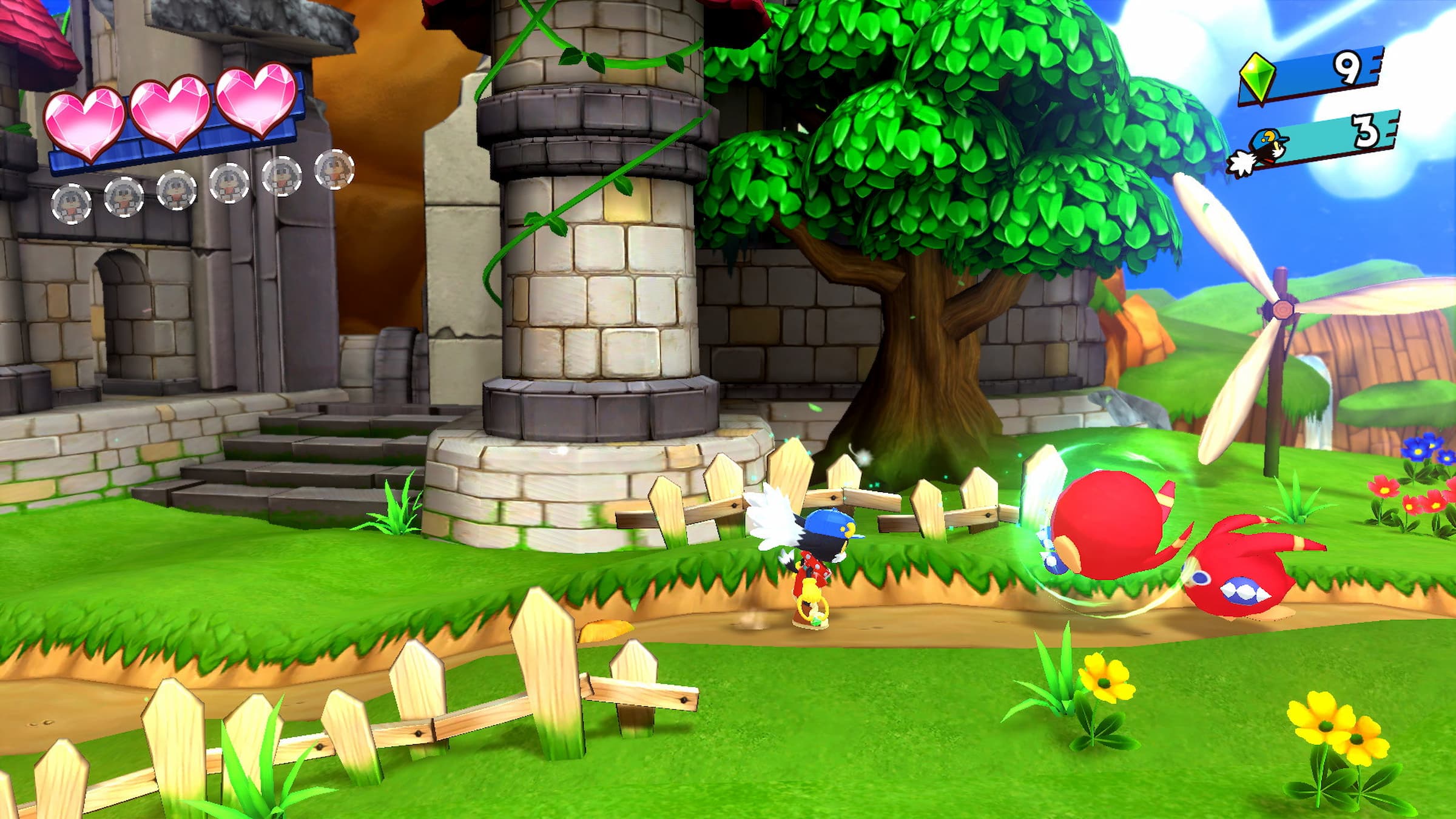
When Klonoa: Door to Phantomile came out on the original PlayStation, many game developers were experimenting with fully 3D platformers. However, Namco took a unique path. They used 3D graphics, but kept most of the gameplay moving on a 2.5D plane. This gave players accurate control while still making the game world feel vibrant and immersive, and the result was fantastic.
Klonoa was a game that was simple to pick up but offered surprising depth. Its unique ring-based weapon let players creatively capture enemies, toss them around, and link together jumps. The controls felt smooth and precise, and the levels were thoughtfully designed, gradually introducing new concepts without being overwhelming. This approach was a welcome change, especially since many other platform games at the time focused heavily on being difficult.
What really made Klonoa: Door to Phantomile special was its unique atmosphere. The game told a surprisingly moving story with very little spoken dialogue, instead relying on beautiful animation and a made-up language that you understood through the context of the scenes. Even now, the ending is powerfully emotional and stays with me. It was rare for platformers of that time to try such heartfelt storytelling, and even rarer for them to pull it off. Klonoa perfectly balanced the fun of the platforming genre with a genuinely impactful story.
Klonoa’s Place In A Crowned Era
The gaming world was full of platformer games all vying for players’ attention. Titles like Crash Bandicoot, Spyro the Dragon, and Super Mario 64 were huge hits and topped the sales charts. Compared to those giants, Klonoa: Door to Phantomile was easy to overlook. It didn’t have the same level of advertising, and it wasn’t part of a well-known series. Essentially, it asked players to take a chance on something fresh, rather than stick with a familiar favorite or a heavily promoted game.
Despite this, the game became well-regarded by both critics and players. It successfully blended the familiar feel of classic side-scrolling games with the newer possibilities of 3D adventures. This balance helped it hold up over time better than many games of that era, which often struggled with the challenges of early 3D graphics and controls. It also stood out from games that stayed entirely 2D, feeling like a stepping stone into the world of 3D platforming.
The Klonoa games weren’t massive hits, but they developed a dedicated fanbase. The second game built upon what made the first one special, and Klonoa became a well-known character for Namco. Back then, the series showed that you could be innovative without completely reinventing the wheel. Now, looking back, Klonoa: Door to Phantomile feels surprisingly modern. Many popular indie platformers today, such as Celeste, clearly draw inspiration from its easy-to-learn gameplay and heartfelt story, and are praised for those very things.
Klonoa Still Matters Today
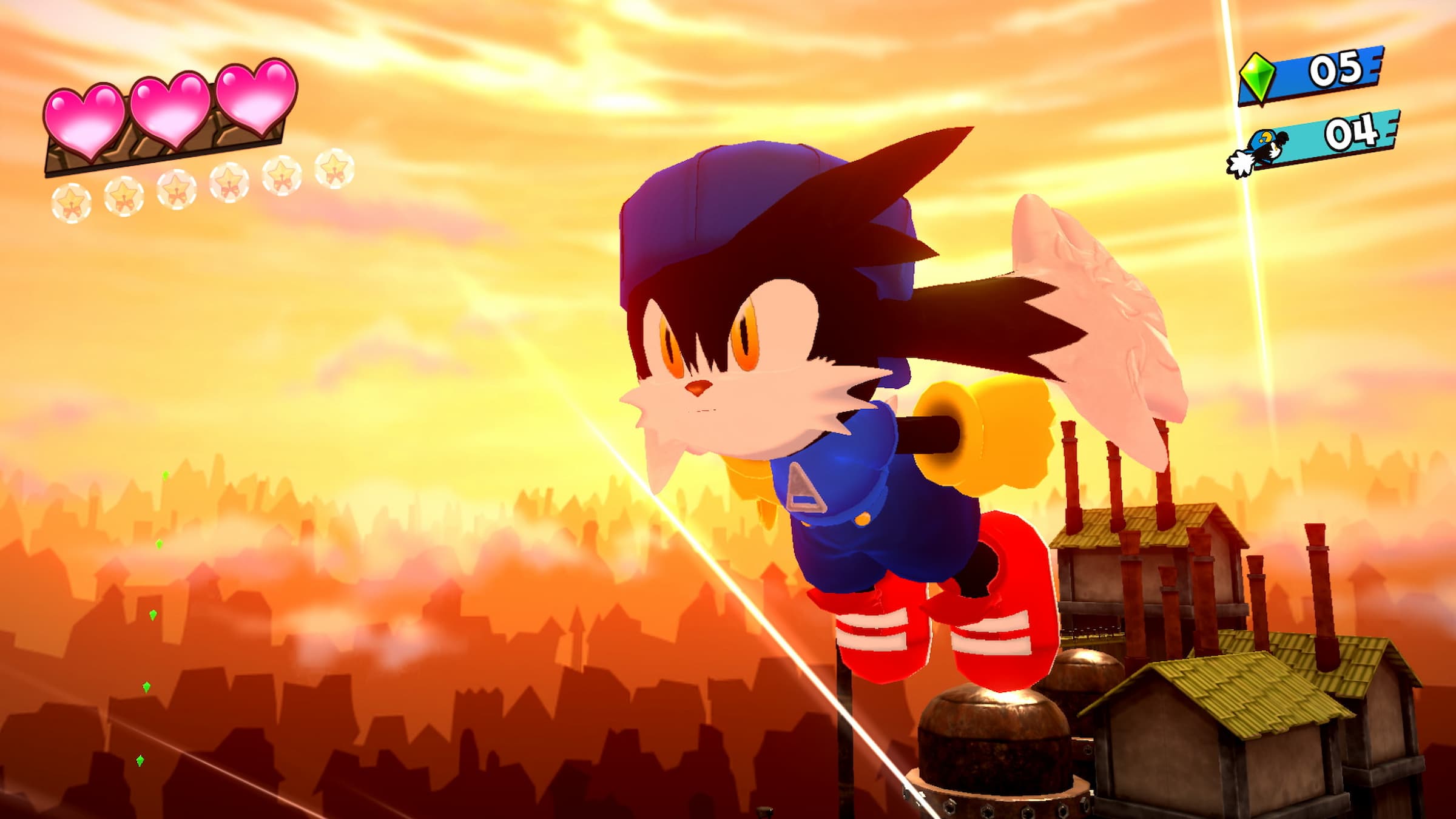
Playing Klonoa: Door to Phantomile again shows how well it has aged. The controls still feel great, and the levels are clearly designed with purpose. Importantly, the game doesn’t waste your time with pointless filler – a quality that’s still rare even in newer games. The recent remake proves this point, offering updated graphics and improvements while keeping the original gameplay experience intact.
This remake wisely avoids major changes to the original game. It stays true to the core experience, letting newcomers discover what made it so beloved, and offering a beautifully updated version for existing fans. In a time when many remakes simply rely on nostalgia, Klonoa: Door to Phantomile is a great example of well-crafted game design from the 90s.
Okay, so maybe Klonoa‘s anniversary slipped by without much fanfare, but honestly, it still feels incredibly fresh, even with the remake out. What really stands out to me is how it focuses on feeling good to play – the emotions and the pure joy of movement – instead of just trying to be flashy. Nowadays, everyone’s chasing massive open worlds and super-long games, but this little platformer from the PlayStation days reminds you that if you nail the basics, it’ll always be fun, no matter how much things change.
What do you think? Leave a comment below and join the conversation now in the ComicBook Forum!
Read More
- FRONT MISSION 3: Remake coming to PS5, Xbox Series, PS4, Xbox One, and PC on January 30, 2026
- Taylor Sheridan’s Gritty 5-Part Crime Show Reveals New Final Season Villain
- The Boys Season 5, Episode 5 Ending Explained: Why Homelander Does THAT
- ‘The Bride!’ Review: Jessie Buckley Breathes Life into a Monstrous Mess
- From season 4 release schedule: When is episode 2 out on MGM+?
- Mark Zuckerberg & Wife Priscilla Chan Make Surprise Debut at Met Gala
- Ashley’s Powers in The Boys Season 5 Explained & Why They Don’t Work On [SPOILER]
- Welcome to Demon School! Iruma-kun season 4 release schedule: When are new episodes on Crunchyroll?
- Why There’s No Ghosts Tonight (Nov 27) & When Season 5, Episode 7 Releases
- Invincible Season 4 Episode 4 Post-Credits Unveils a Demonic Return & More
2026-01-03 01:14