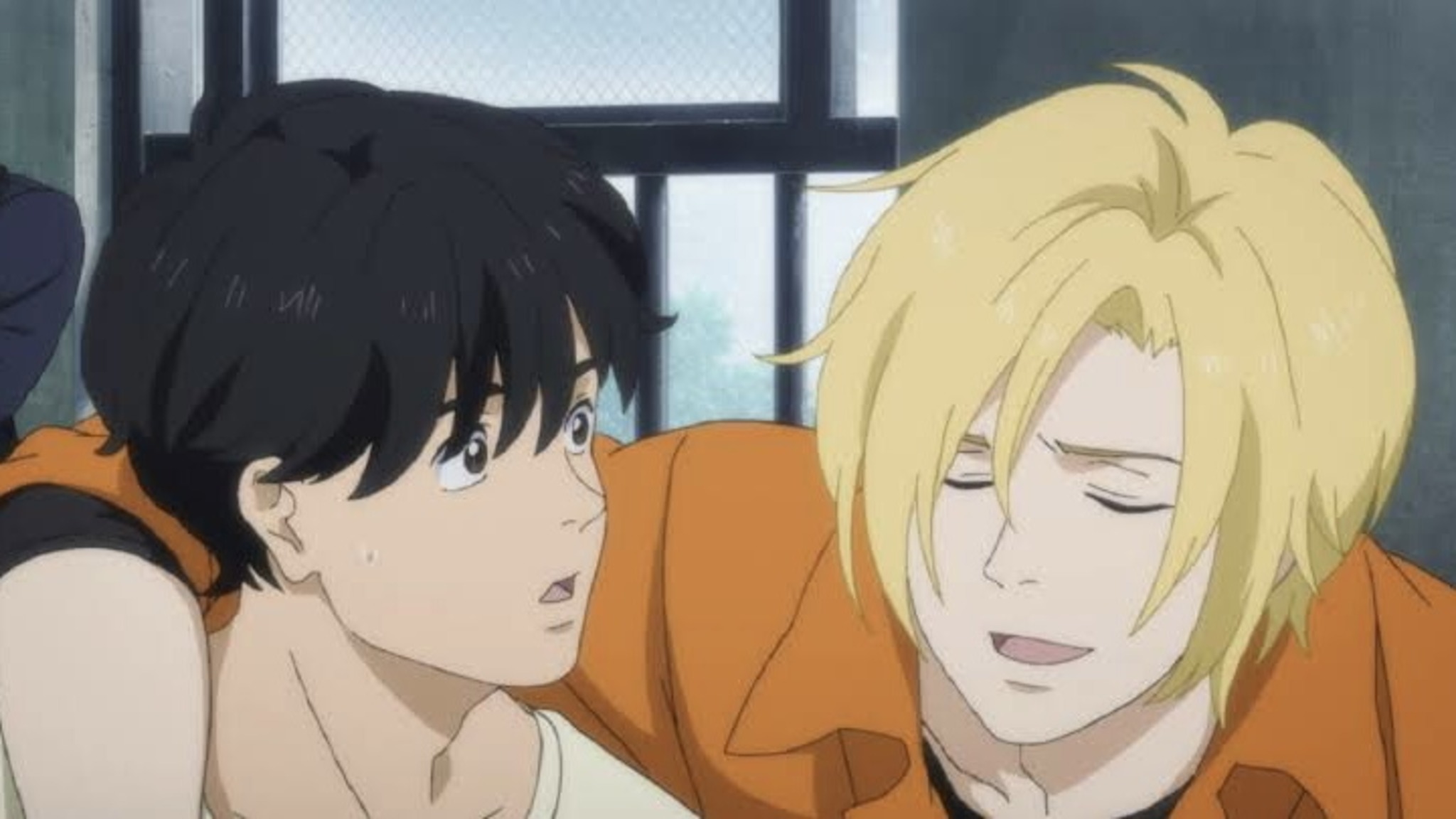
Generally speaking, when someone hears “shojo anime,” they often picture romantic tales with a sparkle, school life dramas, and blushing characters dealing with their first loves, or softer fantasy realms. However, notable exceptions include works like Yona of the Dawn. This genre primarily appeals to teenage girls, offering narratives centered around relationships, personal growth, and coming-of-age stories, presented in pastel-themed settings. But don’t be fooled – shojo anime is not limited to these themes. For instance, MAPPA’s 2018 adaptation of Banana Fish, originally published in Bessatsu Shojo Comic from 1985 to 1994, breaks all expectations associated with the genre while still fitting within its classification.
Banana Fish is about Ash Lynx, a young leader of a New York City gang, who encounters Eiji Okumura, an assistant photojournalist, and finds himself embroiled in a web of intrigue involving mind-altering substances, government deceit, and the haunting echoes of his past. The narrative is bleak, raw, sorrowful, yet questionable, and clearly a product of its era. This anime depicts gangs, drug abuse, murder, multiple scenes of sexual violence, child mistreatment, organized crime, and mental manipulation in ways that are startling for the genre. However, these elements only serve to make this animated series more compelling and essential viewing.
The Shojo Classification Comes as a Surprise

The categorization of “Banana Fish” as shojo manga originated from its debut in the “Bessatsu Shojo Comic” magazine back in 1985, a publication intended for teenage girls and young women. However,
Shojo fiction, similar to the dismissive Western views of anything deemed “girly”, was often disregarded as frivolous and juvenile for a long period. Early shojo narratives lacked depth or aspirational themes, primarily offering stereotypical, escapist content for girls. However, the late 1960s feminist movement in Japan inspired women to question traditional gender roles. This sparked a change within shojo creators, who started crafting more complex, mature stories that ventured close to seinen territory, demonstrating the potential for this demographic to expand its boundaries.
The manga titled “Banana Fish” significantly deviates from conventional shojo style, eschewing common elements such as sparkles, flowers, and instead focusing on action lines, firearms, and violence. Unlike typical shojo mangas, it presents a gritty, non-romanticized image, demonstrating the evolution of shojo genre over time. This transformation is also apparent in later works like “Nana” and “Princess Jellyfish”, where characters grapple with real-world issues such as identity, relationships, and combatting sexist norms.
Seinen Themes in a Shojo Package

The manga or anime titled “Banana Fish” might seem unusual to be categorized as shojo due to its intense and somber narrative. Unlike the typical romance found in shojo genres, this work delves into themes of violence, narcotics, and harrowing pasts that are more commonly associated with seinen or josei productions. The portrayal of complex relationships within it also deviates from the norm, making it all the more captivating and distinctive, as it defies traditional shojo expectations.
This particular classification issue isn’t exclusive to “Banana Fish” but is rather a broader problem with how the anime industry categorizes content. Despite being initially published in a shojo (girls’) magazine, its mature themes are clearly intended for an older audience. The aesthetic and themes suggest it belongs to the seinen or possibly josei genre, which cater more to adult males and females, respectively.
To grasp why the manga “Banana Fish” was labeled as shojo, it might be helpful to examine the manga industry in the 1980s, an era when genre lines were significantly less rigid. At this time, the industry was still refining what each demographic should and could encompass, resulting in trailblazing works that challenged traditional norms. The shojo scene of the 1980s was particularly daring, with creators experimenting beyond established boundaries and tackling themes that would be deemed taboo by today’s standards. This helps explain how a story dealing with such grim subject matter could originate from a magazine traditionally known for lighter romantic content.
The Ending That Proves Not All Stories Get Happy Closures

Titled “Banana Fish,” this captivating series revolves around Ash, a young leader of a New York gang, who was nurtured by a formidable mafia figure. As he delves deeper into his past, he uncovers the intricate links between the mafia, his mentally ill brother, and a potent new substance known as Banana Fish. To shed light on this vast conspiracy that involves both the mafia and U.S. government, Ash allies with his street gang, a pair of journalists including Eiji, an assistant photojournalist whom he develops feelings for. The narrative offers a compelling exploration of themes such as corruption, conspiracies, war, trauma, loss, BL relationships, and profound friendships.
Apart from everything else, the anime titled “Banana Fish” boasts one of the most heart-wrenching conclusions that leaves viewers in a state of deep emotional distress. This series skillfully constructs a profound bond between Ash and Eiji, only to shatter it through grief and unavoidable circumstances. The poignant conclusion underscores concepts of loss, sacrifice, and the futility of escaping one’s past.
Banana Fish deviates from the typical comfort and resolution found in shojo stories, instead painting a raw, authentic picture of how trauma and violence can dismantle deep relationships, earning its reputation as one of the most emotionally impactful anime available. MAPPA’s adaptation masterfully breathes life into this heart-wrenching narrative through exceptional animation that amplifies each tear-jerking scene, making it an essential watch for any anime enthusiast.
Read More
- FRONT MISSION 3: Remake coming to PS5, Xbox Series, PS4, Xbox One, and PC on January 30, 2026
- The Boys Season 5, Episode 5 Ending Explained: Why Homelander Does THAT
- Taylor Sheridan’s Gritty 5-Part Crime Show Reveals New Final Season Villain
- Mark Zuckerberg & Wife Priscilla Chan Make Surprise Debut at Met Gala
- ‘The Bride!’ Review: Jessie Buckley Breathes Life into a Monstrous Mess
- From season 4 release schedule: When is episode 2 out on MGM+?
- Welcome to Demon School! Iruma-kun season 4 release schedule: When are new episodes on Crunchyroll?
- Ashley’s Powers in The Boys Season 5 Explained & Why They Don’t Work On [SPOILER]
- Why There’s No Ghosts Tonight (Nov 27) & When Season 5, Episode 7 Releases
- Invincible Season 4 Episode 4 Post-Credits Unveils a Demonic Return & More
2025-07-14 22:43