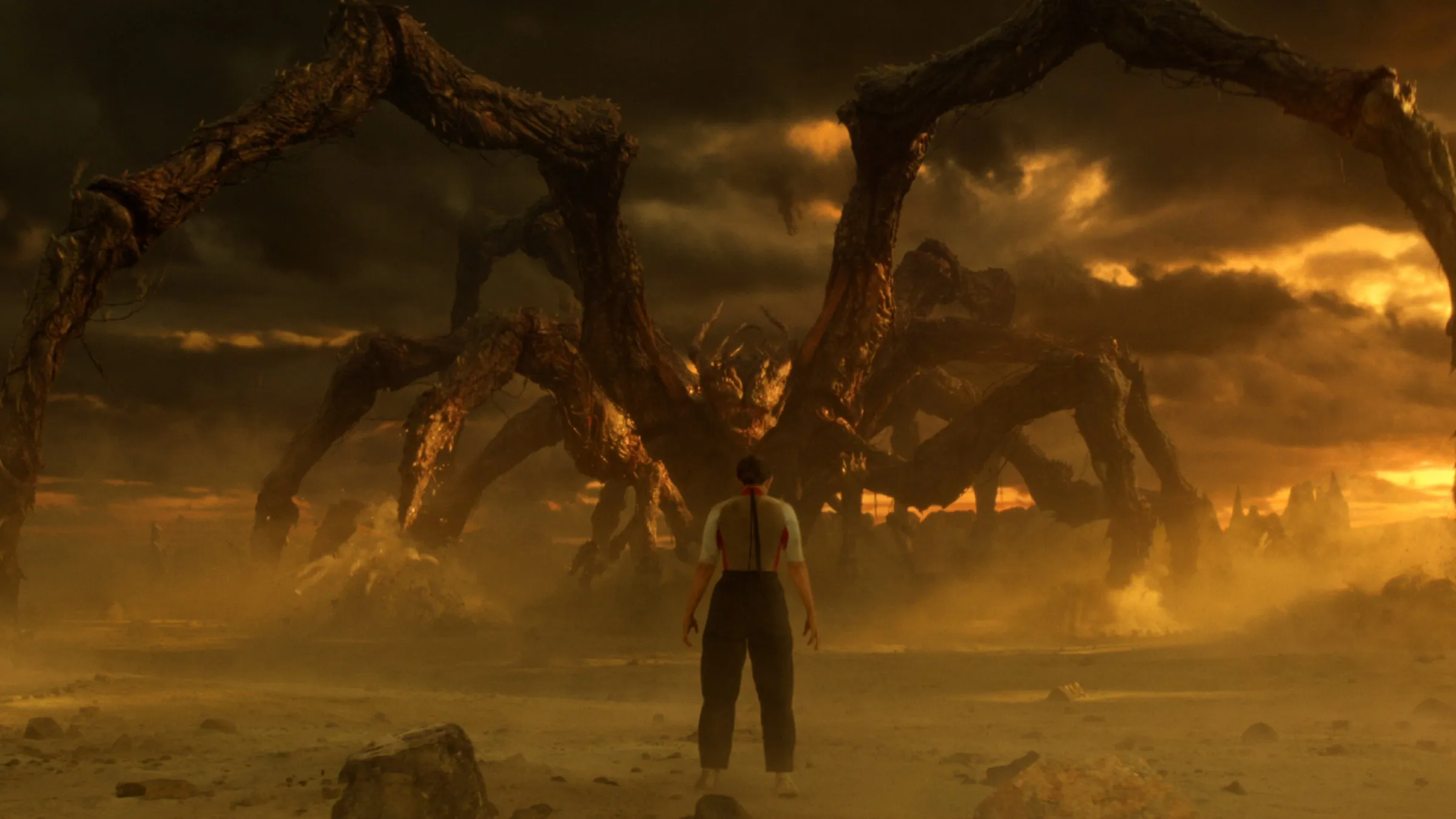
The major reveal in Stranger Things Season 5 – that the Mind Flayer was the true antagonist all along – wasn’t much of a surprise. Season 4 ended by suggesting a big shift in the story, with Vecna asserting he was the real villain and the creator of the Mind Flayer. The first scene of Season 5 reinforced this change to the show’s history, connecting Vecna to the very beginning by showing he was present when Will was originally taken by the Demogorgon.
It turned out all of this was a distraction – Vecna had been fooling himself. He’d actually been controlled by the Mind Flayer the entire time. Unlike a character seeking redemption, Vecna was too far gone and believed he and the Mind Flayer had become a single entity. However, hints about this twist were present throughout both the Stranger Things Broadway play and the original TV series.
7. The Mind Flayer First Encountered Henry Creel When He Was Eight
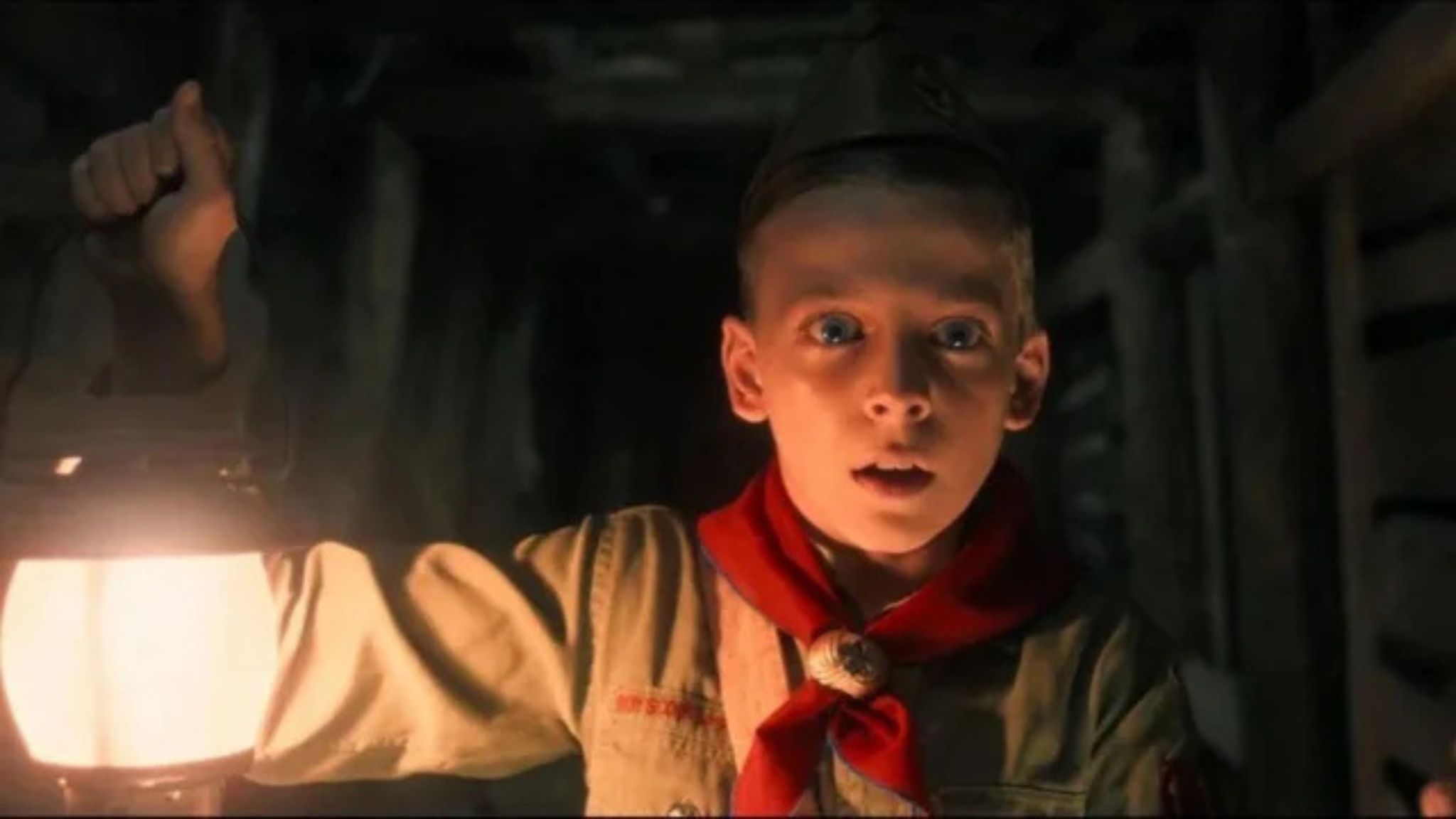
The biggest hint about what’s next comes from The First Shadow, the official Stranger Things Broadway play. While not all related content has been officially acknowledged by the show – some comic book storylines were essentially ignored after the reveal of Vecna in Season 4 – the Duffer brothers, who created Stranger Things, were directly involved in writing The First Shadow. This suggests the play’s story will be important to the main show’s narrative.
In The First Shadow, we learn that a young Henry Creel, age eight and living in Nevada, met a Soviet spy who had stolen research from Dr. Brenner’s work with other dimensions. This encounter sent Henry to a dark dimension (later known as the Abyss in Season 5), where he was exposed to the Mind Flayer. This is how Vecna gained his powers: Henry returned with a rare blood type and extraordinary abilities.
This new information clashes with what Vecna says in Stranger Things Season 4. He claims Eleven banished him to the Abyss, where he found and controlled the hive mind, eventually turning it into the Mind Flayer. This difference immediately suggests Vecna was either untruthful… or that the Mind Flayer was secretly controlling him, changing his memories.
6. The Mind Flayer was Present in Henry Creel’s Childhood

Season 4 of Stranger Things subtly hinted that Vecna wasn’t revealing the whole story. A flashback showed young Henry, after moving to Hawkins from Nevada, sketching the Mind Flayer. This felt like a strange coincidence, as it was an entity he would later bring into existence. The scene echoed Will’s experience in Season 2, suggesting Henry may have gone through something similar – possibly being influenced or even possessed.
This idea is backed up by the book The First Shadow, which shows the Mind Flayer was already watching Henry. For example, Bob Newby’s father was hurt badly when Henry’s powers suddenly appeared, and the father later said Henry actually protected him from a creature – a creature he described as the Mind Flayer.
5. Vecna Was Terrified of Returning to the Cave Memory

This was confirmed when Season 5 showed Vecna avoiding a specific memory – one set in Nevada – which clearly connected to his backstory as explored in The First Shadow. While Max and Holly remained hidden in the cave, Vecna couldn’t access his earliest encounter with the Mind Flayer, because facing it would have shattered his self-created narrative of control – the idea that he was the one pulling the Mind Flayer’s strings.
4. Vecna’s Spyglass Was Always a Major Clue

While exploring a recreation of Vecna’s childhood home in Camazotz, Holly found a spyglass. This is another connection to the story of Henry Creel; he’d left the spyglass behind in the Nevada tunnels when he escaped, and it later helped Dr. Brenner track him down. As expected, this recreated spyglass proved to be a useful clue, guiding Max and Holly into the tunnels.
3. Dustin’s D&D Lore Claimed Vecna Was the Mind Flayer’s “Five Star General”

Throughout its run, Stranger Things has frequently drawn inspiration from Dungeons & Dragons, often using the game as a symbolic device. For example, a D&D game in the Season 4 premiere hinted at the importance of Vecna, foreshadowing the season’s storyline. Similarly, the series finale concluded with a D&D game that suggested Eleven might still be alive. This makes one detail from Season 4 stand out: Dustin correctly identified Vecna’s power within the D&D world, but surprisingly described him as the Mind Flayer’s second-in-command, rather than the ultimate villain.
2. Camazotz Alluded to the Mind Flayer as the Real Villain
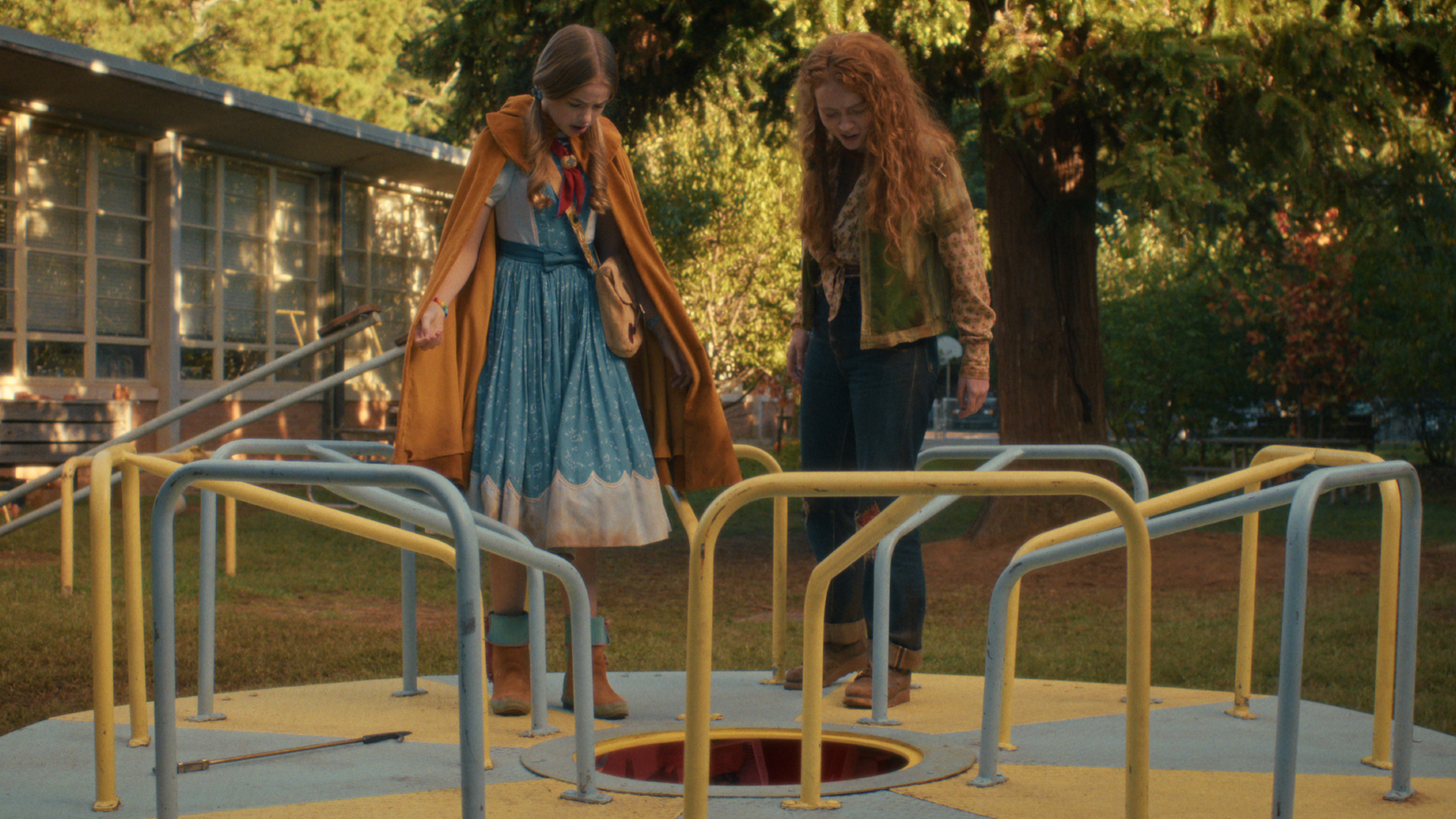
Max and the missing children ended up in a strange world Holly named Camazotz, a reference to the book A Wrinkle in Time. This was a significant hint, as Camazotz was actually controlled by a mysterious force called “It.” Similarly, Vecna is secretly controlled by the Mind Flayer, which dominates everything in its realm.
1. Vecna Implied a Part of Him was Afraid of the Shadow

The last piece of evidence revealing the Mind Flayer’s real purpose is quite understated. When speaking with the children he’d taken, Creel claimed he was gathering them to battle the Shadow. While this was a lie, it’s noteworthy that he automatically thought of the Shadow – a clear representation of the Mind Flayer – as something frightening. This suggests the connection between Henry Creel and the Mind Flayer was far more complex than Creel admitted.
What did you think of the final episode of Stranger Things? Share your thoughts in the comments and join the discussion in the ComicBook Forum!
Read More
- FRONT MISSION 3: Remake coming to PS5, Xbox Series, PS4, Xbox One, and PC on January 30, 2026
- Best Controller Settings for ARC Raiders
- Mark Zuckerberg & Wife Priscilla Chan Make Surprise Debut at Met Gala
- Meet the cast of Good Omens season 3: All the actors and characters
- 7 Great Marvel Villains Who Are Currently Dead
- ‘The Boys’: 6 Characters Most Likely To Die in Season 5
- Wistoria: Wand and Sword Season 2 release schedule: When are new episodes out?
- The Boys Season 5 Officially Ends An Era For Jensen Ackles’ Soldier Boy
- AVAX PREDICTION. AVAX cryptocurrency
- JUP PREDICTION. JUP cryptocurrency
2026-01-05 20:44