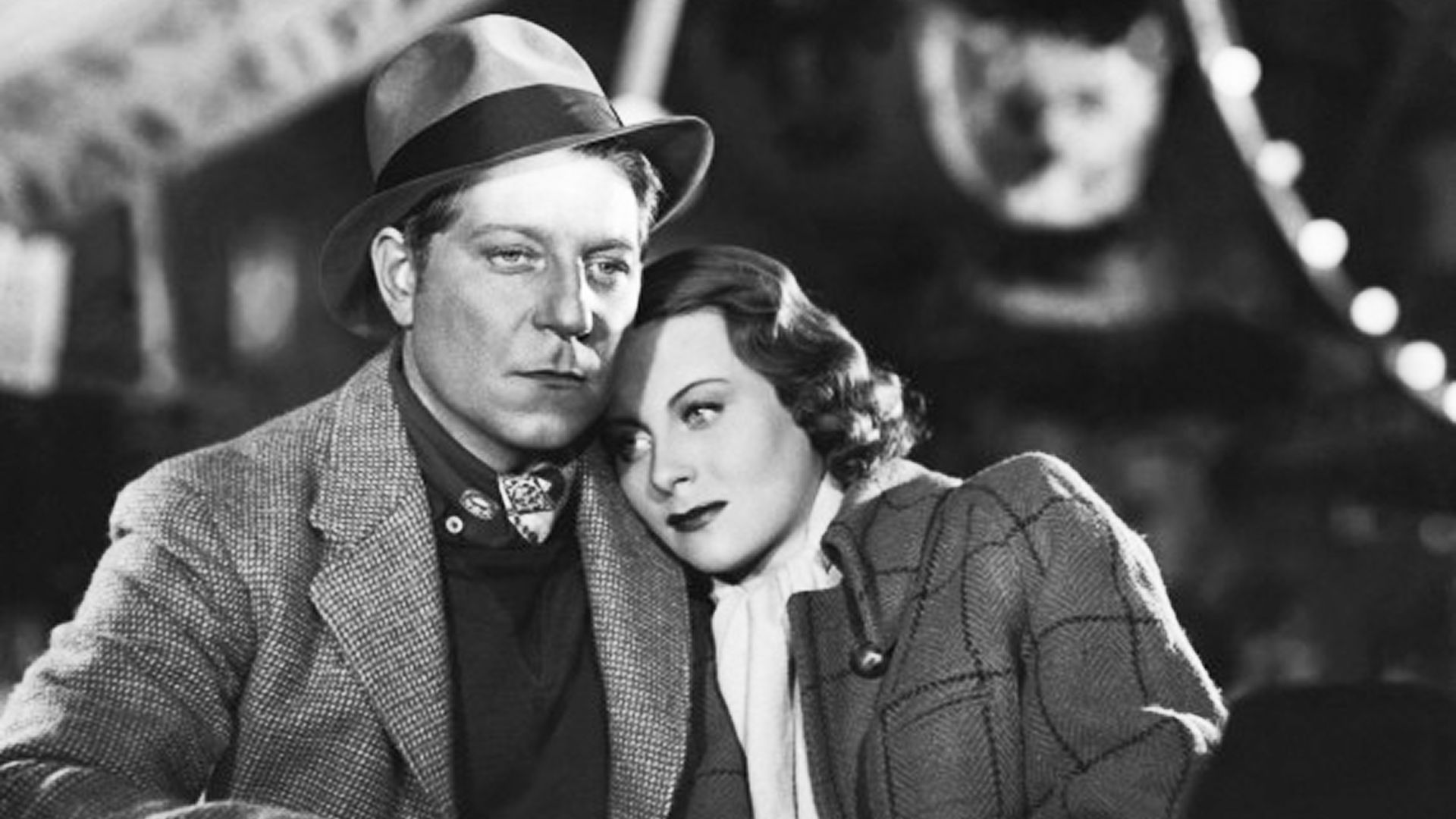
Before the dark, stylish films known as film noir became popular in 1940s America, there was the French film Port of Shadows, released in 1938 as Le Quai des Brumes. This romantic tragedy helped shape a filmmaking approach focused on realism and atmosphere. The black-and-white film still feels true to its poetic roots, creating a sense of dread and hinting at the difficult destinies of its characters within a gritty, believable world.
The film had a dark and bleak atmosphere, exploring themes of hopelessness in love and a sense that fate controls everything. After France was defeated by Nazi Germany, the government looked for someone to blame for what they saw as a weakening of the French people, and the film became an easy target. Now, the film offers a glimpse into how people nearly a century ago thought about love, society, and destiny.
Watching this film is a really heartbreaking experience. It reminded me a lot of classics like Les Enfants du Paradis and even, surprisingly, Drive. But unlike those movies, it doesn’t really offer a clear moral message – it’s intentionally ambiguous. I think the film almost encourages you to just accept things as they are, to stop getting so caught up in your feelings and ambitions – to, as they say in the film, ‘not blame the weather on the barometer.’ But honestly, the characters are so messed up and self-destructive that it could easily make you feel the opposite – like everything does matter, and it’s all just incredibly sad.
Port of Shadows Can be Summed up as Romantic Fatalism

The French are often considered very romantic, but the film Port of Shadows challenges that idea. Writer Jacques Prévert and director Marcel Carné suggest that tenderness doesn’t offer true, lasting protection. At best, it’s a temporary comfort, and at worst, it can lead to disaster. This is exactly what happens to the soldier Jean (played by Jean Gabin) in the film.
Right from the start, when we first see Jean as a reserved, intense man traveling to the misty port city of Le Havre in northern France, there’s a sense that something isn’t right. Everyone he meets feels it too. Through conversations with people like the driver who gives him a ride and a dockworker named Raymond Aimos, it becomes clear that Jean isn’t simply on leave – in fact, he never says he is. He’s actually deserted and is trying to start a new life in Venezuela.
Just as Jean hopes for a better life, he falls in love. It’s not with a typical dangerous woman, but with Nelly (Michèle Morgan), a 17-year-old trying to escape her menacing godfather, Zabel (Michel Simon). She’s hiding in a rundown bar by the water, owned by Chez Panama (Édouard Delmont). As Zabel says, the bar is a haven for people with secrets and troubled pasts – including himself, who is running from a gangster named Lucien Lagardère (Pierre Brasseur) and a sad artist, Michel Kraus (Robert Le Vigan). When Jean meets Nelly and tries to protect her, it ultimately leads to his ruin.
Film Noir Elements Are Spilt All Over Port of Shadows Thanks to Poetic Realism

Okay, so Port of Shadows isn’t a movie that grabs you with deep character studies or a lot of explaining. Honestly, we don’t get much backstory on anyone – Jean had a time in Indochina, but that’s about it, and most characters don’t even have last names! What really makes this film special, though, isn’t who these people are, but the atmosphere surrounding them. It’s all about the mood, and that’s thanks to the poetic realism that French filmmakers were aiming for before the war. Director Marcel Carné and his cinematographer, Eugen Schüfftan (who would later win an Oscar!), absolutely nailed it.
Along with Jean Renoir, whose 1937 film The Great Illusion is a landmark of the poetic realist movement, Marcel Carné is considered one of its most important directors. Unlike Soviet filmmakers like Sergei Eisenstein, who used fast-paced editing to convey political messages in films like Battleship Potemkin, Carné and Renoir focused on creating meaning through dark, realistic imagery. In Port of Shadows, for example, a heavy fog hangs over the city of Le Havre, almost like a physical representation of the characters’ despair. The title itself – Port of Shadows rather than Port of Light – hints at the film’s gloomy atmosphere and foreshadows an unhappy ending for the main characters, Jean and Nelly. The sense of dread begins almost immediately.
Like many characters in poetic-realist films, the people in this story are held back by their social class, longings, or memories as they search for brief moments of comfort that they know won’t last. This sense of being trapped is clear with Jean, who simply wants peace and to be left alone, but ironically draws attention to himself by continuing to wear his old military uniform. We also see it in the stray dog he rescues at the beginning. Jean doesn’t offer the dog any kindness, constantly pushing it away, yet the dog follows him relentlessly, seemingly reflecting Jean’s own inescapable destiny. While Jean and the dog silently demonstrate this fate, the painter Kraus directly acknowledges it, believing everyone is simply waiting for the same inevitable end.
With its sharp, understated wit, Port of Shadows encapsulates many of the key themes that would define film noir. Even though it came before the classic American noir films, it already showcased many of the characteristics that would become central to the genre.
Read More
- FRONT MISSION 3: Remake coming to PS5, Xbox Series, PS4, Xbox One, and PC on January 30, 2026
- Best Controller Settings for ARC Raiders
- Taylor Sheridan’s Gritty 5-Part Crime Show Reveals New Final Season Villain
- The Boys Season 5, Episode 5 Ending Explained: Why Homelander Does THAT
- Mark Zuckerberg & Wife Priscilla Chan Make Surprise Debut at Met Gala
- The Boys Season 5 Officially Ends An Era For Jensen Ackles’ Soldier Boy
- ‘The Bride!’ Review: Jessie Buckley Breathes Life into a Monstrous Mess
- Invincible Season 4 Episode 4 Post-Credits Unveils a Demonic Return & More
- Welcome to Demon School! Iruma-kun season 4 release schedule: When are new episodes on Crunchyroll?
- From season 4 release schedule: When is episode 2 out on MGM+?
2026-01-09 11:58