Intel announced its newest Core Ultra Series 3 chips (Panther Lake) and ARC B390 graphics at CES 2026. These powerful new components are expected to compete directly with AMD for the lead in the growing handheld gaming market, sparking what many are calling a ‘handheld war’.
Most popular handheld gaming devices, like the ASUS ROG Ally X, Legion Go 2 (both Windows and SteamOS versions), and the Steam Deck, run on processors made by AMD.
Intel and AMD are competing to make the most powerful processors for handheld gaming devices, which is leading to better and better hardware—but also higher prices.
There are already a lot of great handheld gaming devices available, and even more advanced versions are on the way. To succeed in this competitive market, companies need to prioritize new ideas and keep prices reasonable, when possible.
I’m talking about unique, fun, and perhaps even weird designs that offer new handheld experiences.
It all started with a unique and surprisingly affordable handheld gaming PC that sparked a whole trend. Interestingly, these devices haven’t evolved much since then – most still feel like variations on the same basic design.
It’s time for a change, and I have a few ideas I’d love to see in future gaming handhelds.
Surprising innovations and weird new designs are what launched the gaming handheld craze
Before I share my ideas for future handheld devices, let’s quickly review how the handheld gaming trend began. If you’re already familiar with this history, feel free to jump ahead.
The Nintendo Switch, released in 2017, wasn’t a traditional portable gaming computer, but it was a groundbreaking console. It uniquely allowed players to use detachable controllers and play games in several ways – as a handheld device, on a tabletop, or connected to a TV.
Although it wasn’t immediately popular, this design was revolutionary when it first came out. Many people found it strange and difficult to understand at first, and it took several months for its brilliance to become clear and sales to take off. Now, it’s the third best-selling game console ever, and it’s on track to become second (you can find more information on Wikipedia).
Nintendo proved that high-quality gaming on handheld devices could be a reality. Soon after, other tech companies began creating similar devices. AYANEO released its first handheld in 2021, followed by the Steam Deck in 2022, and then a wave of new options like the ASUS ROG Ally and Legion Go in 2023 and continuing today.
We’re hoping to see truly new ideas in gaming handhelds by 2026 – the kind that might seem a little far-fetched today, but could become standard features in the future. Right now, most handhelds are too similar to each other.
However, many companies are currently experimenting with innovative approaches. It’s impossible to name them all, so here are a few notable examples.
The Lenovo Legion Go and its successor offer incredibly flexible designs for a handheld gaming PC, borrowing ideas like detachable controllers and touchpads from devices like the Nintendo Switch and Steam Deck. Lenovo did add some nice touches, like a fingerprint reader and an FPS mode on the right controller that works like a mouse – a really cool addition! However, we’d like to see even more original ideas in the future.
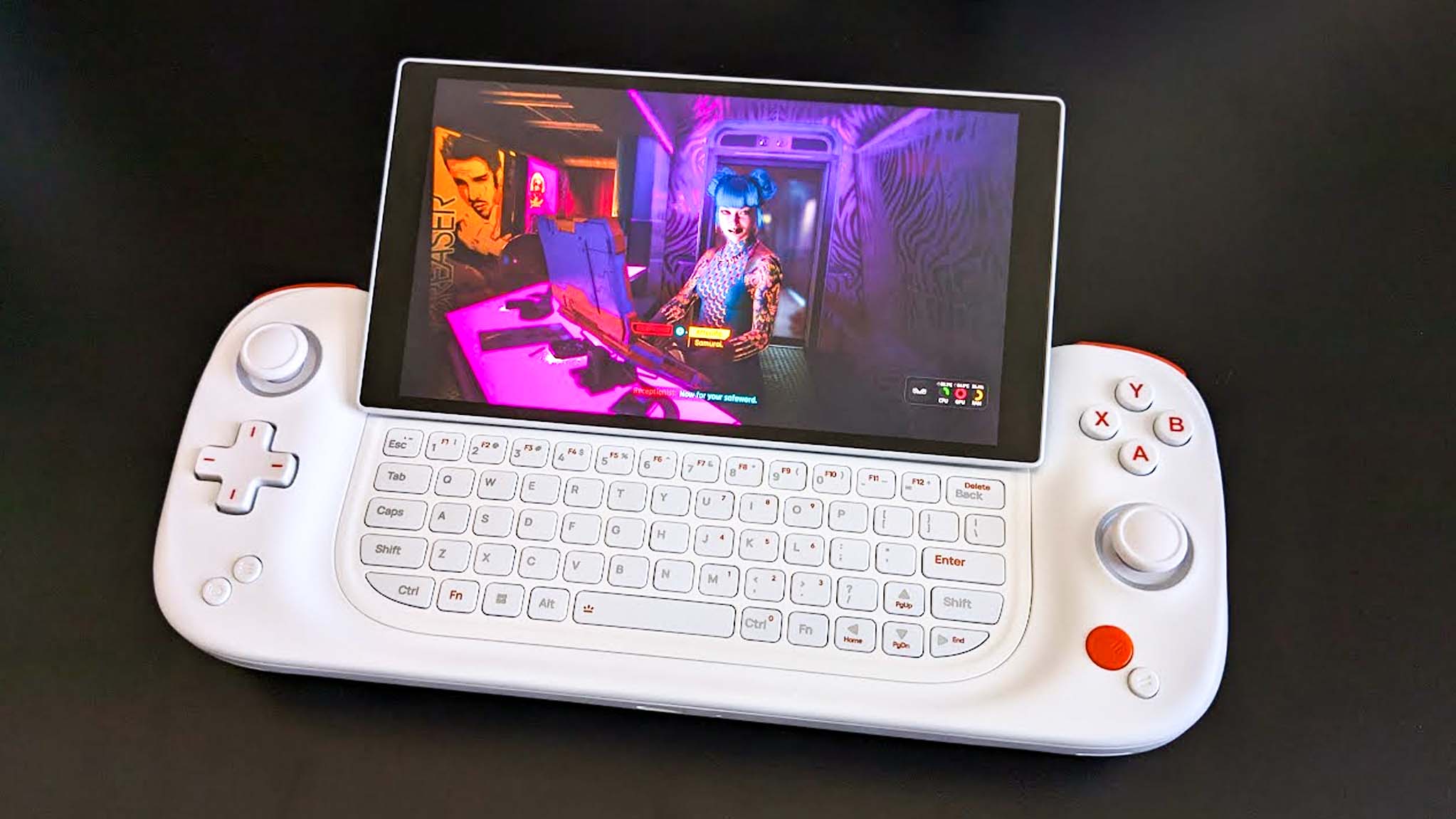
I’ve been watching AYANEO closely, and they’re definitely not afraid to try new things with their handheld designs. They’ve released some really interesting devices, like one with two screens and another – the AYANEO Slide, which I recently reviewed – that has a full keyboard that slides out from underneath the screen. That keyboard is a game-changer for certain games that just don’t work well with a touch-based interface.
Handheld gaming devices could really benefit from embracing surprising and unusual designs – things that stand out and are fun. Without this kind of innovation, they risk becoming outdated and losing popularity, ultimately becoming just a temporary trend.
There are plenty of powerful handheld gaming devices available, but what’s missing are more playful, innovative options. We need devices that prioritize being truly portable, are easy on the wallet, and focus on fun, casual gaming experiences.
We’ve seen a lot of high-end handheld devices lately, and now it’s time for something different. What we really need are more playful and original options that prioritize innovative features, genuine portability, reasonable prices, and games for casual players.
I want to share some thoughts on what I’d like to see in the next generation of handheld gaming PCs, and I’m also interested in hearing your suggestions! Feel free to share them in the comments.
Bring back small clamshells — they’re nostalgic, convenient, and actually portable

If you spend a lot of time online or fondly remember older technology, you may have noticed the Nintendo 3DS is becoming popular again.
It’s surprising to see how much the 3DS is now worth, considering it first came out in 2011 and stopped being made in 2020. Because Nintendo no longer manufactures the 3DS, prices on sites like eBay and Facebook Marketplace have jumped significantly – sometimes by as much as 76% over the original price (as noted by Tom’s Hardware).
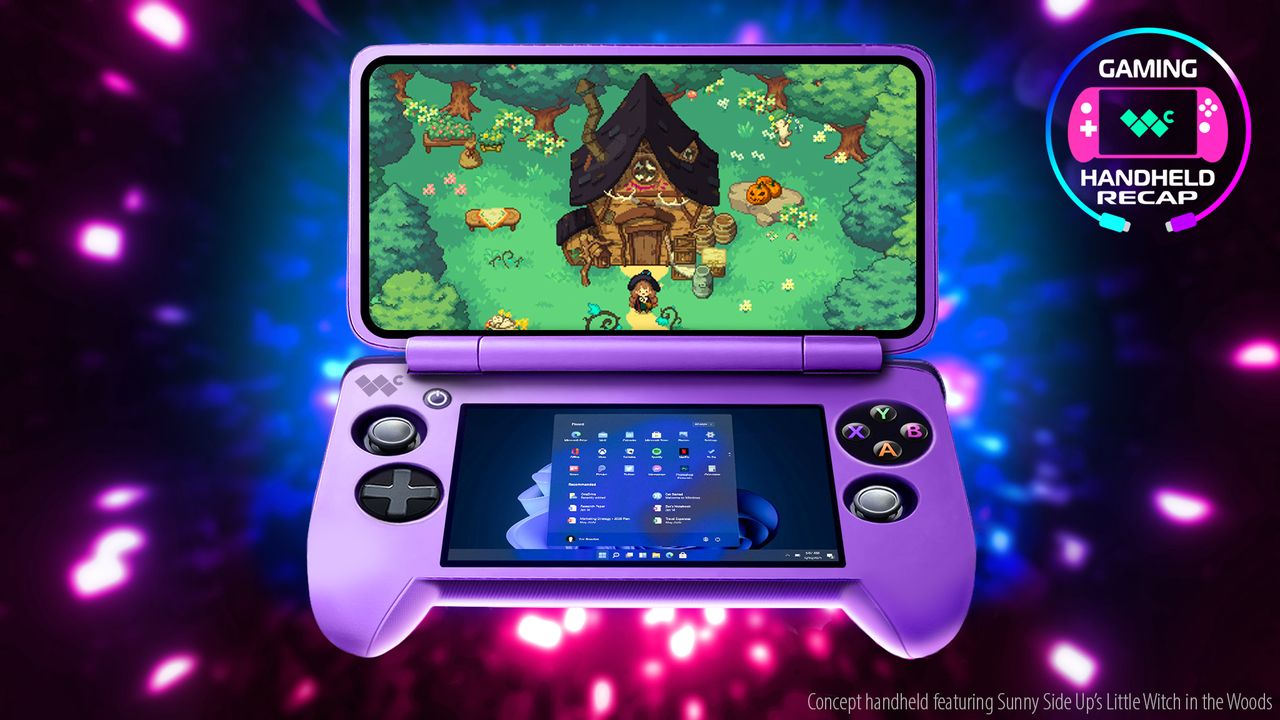
I could go on and on about what makes the 3DS so great, but the important thing is that some of its features would actually work really well on newer handheld gaming PCs running Windows or SteamOS, as I’ve shown in some concept images I created using Photoshop (see above).
From my analysis, the dual screens are a real benefit. Having two displays significantly improves multitasking – I can easily work with two applications at once. For example, I can watch a gameplay tutorial on one screen while actually playing the game on the other, which is a huge advantage.
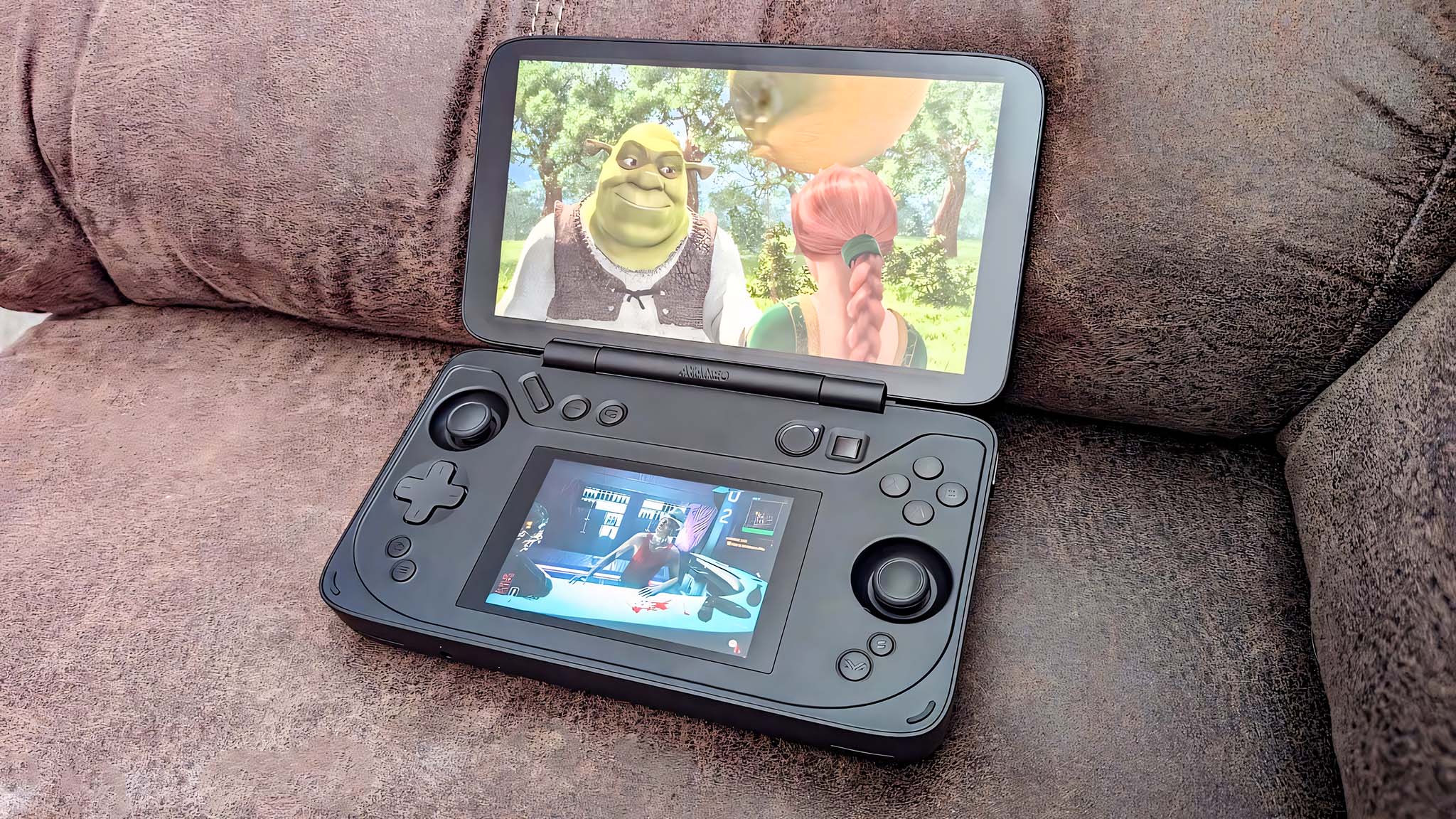
The device features a compact, folding design that protects its screens, joysticks, and buttons when closed. Its small size also makes it easy to carry in a pocket or when traveling, so you don’t need a separate case or bag.
Most handheld gaming PCs are quite bulky, and I’m always concerned about damaging mine while traveling. It would be fantastic to have more compact options that are genuinely portable and offer better protection.
AYANEO does make a traditional folding Windows handheld (like the Flip DS I reviewed), but it’s quite pricey. It would be great to see more choices available at various prices, and that leads me to what I want to discuss next.
We need more low-cost handhelds designed for casual gaming, not just afterthoughts
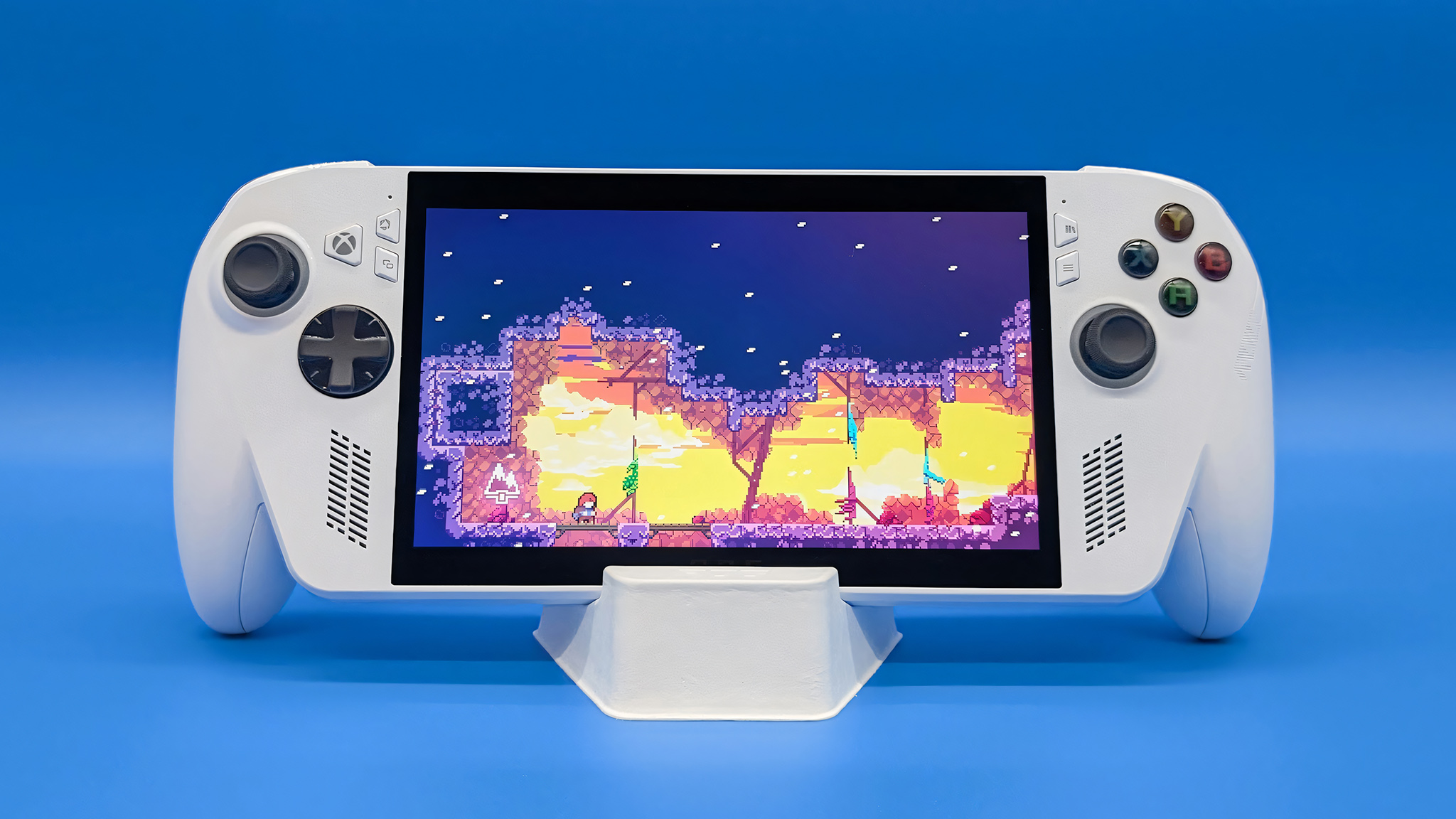
We’re seeing a lot of high-end gaming handhelds available right now, which is great for serious gamers. But as an analyst, I’ve noticed a gap in the market. There’s a real need for more affordable, simpler handhelds for casual players – people who enjoy lighter, pixel art-style games like *Little Witch in the Woods*, *Witchbrook*, or *Stardew Valley*. They don’t necessarily need all that power, just a convenient and budget-friendly way to play.
While some cheaper handhelds are available, they often seem like companies just threw something together for budget-minded buyers. What the market really needs are well-made, affordable devices designed specifically for casual gamers.
I really like ASUS ROG’s newest, more affordable handheld gaming device, which I reviewed as the Xbox Ally. However, at a starting price of $599.99, and with ASUS planning price increases in 2026, it’s no longer a great budget option.
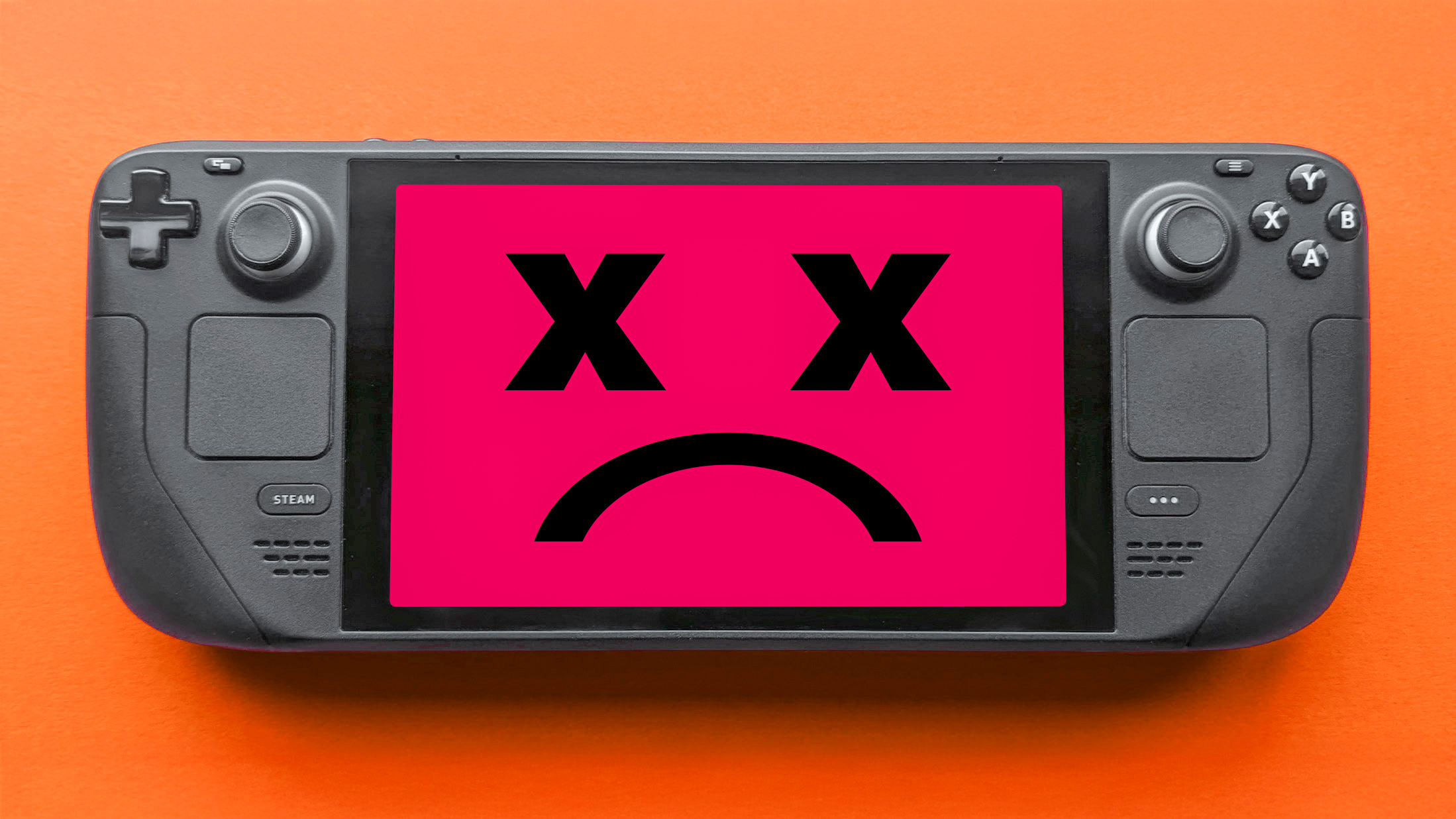
As an analyst, I’ve been watching the handheld gaming PC market closely, and for years the Steam Deck was the clear leader in affordability. However, with Valve discontinuing the $399 LCD model, the least expensive Steam Deck now starts at $549 with the OLED version. This price increase is definitely a pain point for many gamers.
A major computer manufacturer like ASUS or Lenovo could easily create a more affordable handheld gaming PC – potentially running Windows or SteamOS – to replace the Steam Deck as the best budget option. Ideally, it would cost around $300. However, despite wanting to see this happen, it doesn’t seem likely before 2026, especially at that price point.
Companies generally favor making high-end gaming devices because they tend to be more profitable. Valve, however, might be okay with selling hardware at a loss – it’s a way to attract users to its game store and generate long-term revenue, something most other manufacturers can’t do. Additionally, rising costs due to global issues are impacting tech prices this year. Considering all this, the concept of affordable handheld gaming PCs seems particularly attractive for 2026.
Just a heads-up: because of the continuing trade disputes between the US and China (where most tech devices are manufactured), rising RAM costs, and the ongoing shortage of graphics cards, expect to see the price of technology increase overall this year if things don’t improve.
More crazy (and not-so-crazy) handheld ideas
Having a great idea or a cool design for a new handheld device isn’t enough to make it a reality. The internal components need to physically fit *and* function well together, or the design simply won’t work.
Here are a few of my ideas for future handheld devices, ranging from ambitious to practical, that I hope become possible and affordable with advancements in technology.
- Smaller, truly portable handhelds that don’t take up a lot of room
- A handheld where the actual computer is a keyboard (like HP EliteBoard G1a) with controllers that attach to a screen
- Alternatively, a handheld that comes with a carrying case that has a built-in keyboard and touchpad
- A fingerprint reader on the grip for convenient login that requires minimal movement
- Magnetic modular handhelds for swappable parts and maximum customization
- A dual-screen handheld where one display attaches to the other magnetically
- Rollable, expanding display (like Lenovo ThinkBook Plus Rollable proof of concept)
- A handheld that is technically a controller connected to AR glasses (like ROG XREAL R1)
- A built-in height-adjustable kickstand that can tilt and pivot
- Support for handwriting recognition and an included tiny stylus that can be used like a mouse, so a keyboard isn’t needed
- Bonus points if the stylus is magnetic or there’s a stylus slot on the handheld
- Wireless charging support (we’re a long way off from this one; gaming takes a lot of power)
- A physical button or dial for adjusting screen brightness
As I’ve been researching handheld gaming PCs, one thing that really stands out is the lack of color options. Most of them are either white, black, or a very dark purple that basically reads as black. The MSI Claw 8 AI+ Glacier Blue Edition is a welcome exception, though – it’s nice to see something different!
It would be great to see handheld gaming consoles available in bright colors, or with the clear purple and blue designs that were popular in the early 2000s.
Focusing more on innovation and affordability will help handhelds stand out in 2026
Handheld gaming PCs first appeared a few years ago, taking inspiration from Nintendo’s original Switch, released nine years ago, and the Steam Deck, which is nearing its fourth anniversary. Now, there are many high-end handhelds available.
Intel and AMD will keep competing to offer the fastest processors, but the handheld gaming market also needs new ideas beyond just hardware improvements to stay fresh and exciting.
To stay competitive, these devices will need innovative and unexpected features. Additionally, companies should prioritize offering more affordable choices to satisfy a wider range of customers.

I’m really curious to hear what people prioritize when it comes to the next generation of handheld gaming PCs. Are you most interested in getting a device that’s affordable, easy to carry around, packed with new features, super powerful, or just really comfortable to hold? I’d also love to know what kinds of innovative features *you* think would be awesome to see in a handheld gaming PC. Let’s chat about it!
Read More
- Marvel Officially Confirms Deadpool’s Most Brutal Redesign
- Invincible Creators Offer Promising Update on Season 5 Release Date
- The Boys Season 5, Episode 5 Ending Explained: Why Homelander Does THAT
- Gemma Arterton spy thriller Secret Service based on hit novel gets release date confirmed on ITV
- Gold Rate Forecast
- ‘You Can Play Your Purchased Games As Usual’: Sony Breaks Silence on PS5, PS4 Game Expiry DRM
- After 11 Years, Black Clover Officially Ends With Final Release (& Crowns a New Wizard King)
- 10 Movies That Were Banned in Different Countries For Random Reasons
- See Arnold Schwarzenegger’s Rare Date With Girlfriend Heather Milligan
- 5 Best Open-World Games You Can Beat In A Weekend
2026-01-10 17:12