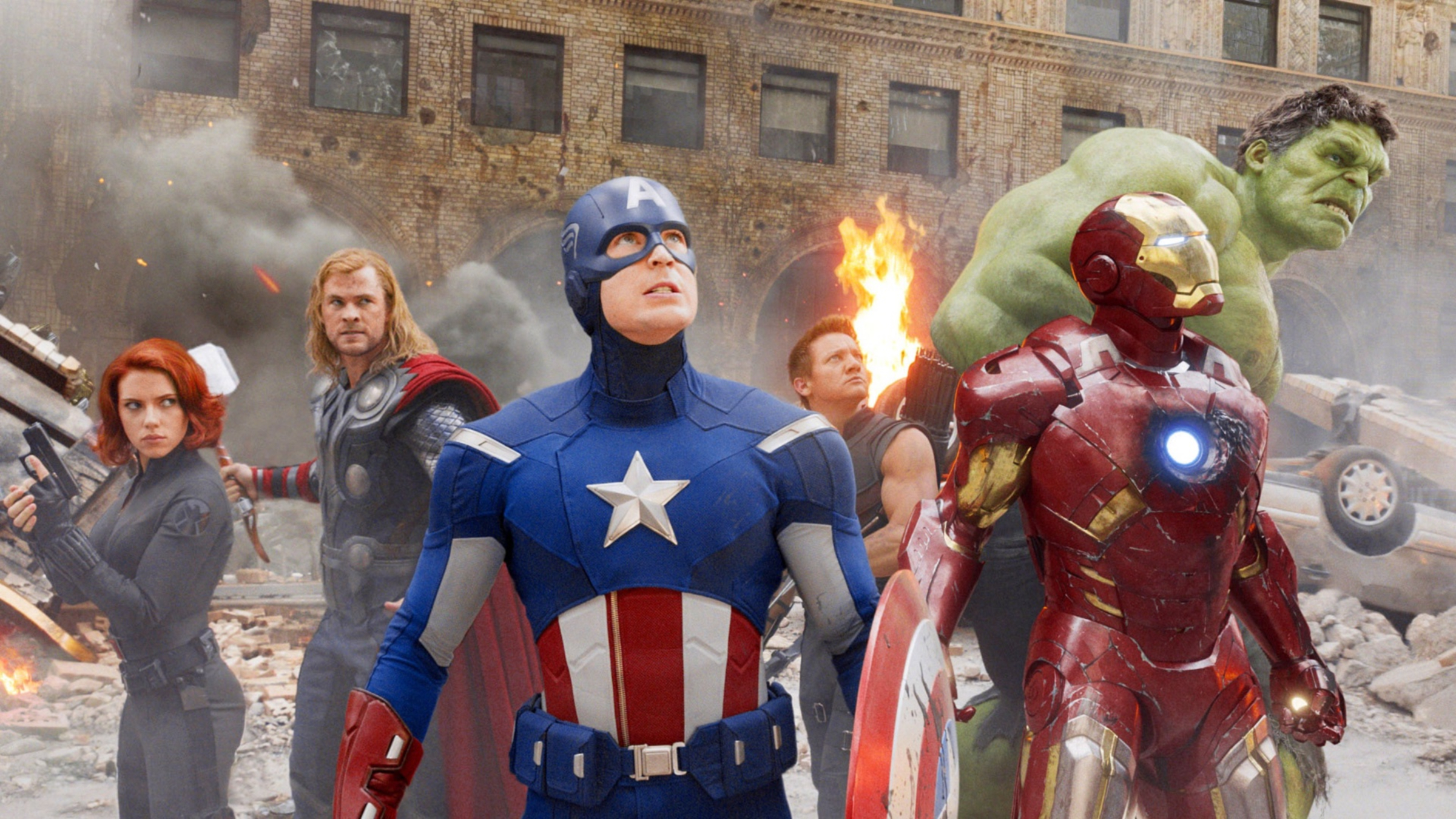
When the Marvel Cinematic Universe began, Marvel didn’t own the rights to many of its most famous characters. This meant the early films had to focus on lesser-known heroes and villains. In 2010’s Iron Man 2, audiences met Black Widow, who quickly became one of Marvel’s most compelling characters. Portrayed by Scarlett Johansson, Natasha Romanoff started as a SHIELD agent and rapidly gained popularity. She played a crucial role throughout the first ten years of the MCU, significantly impacting the overall storyline. In fact, many fans were upset with how Marvel handled her character, which demonstrates just how beloved and important she had become.
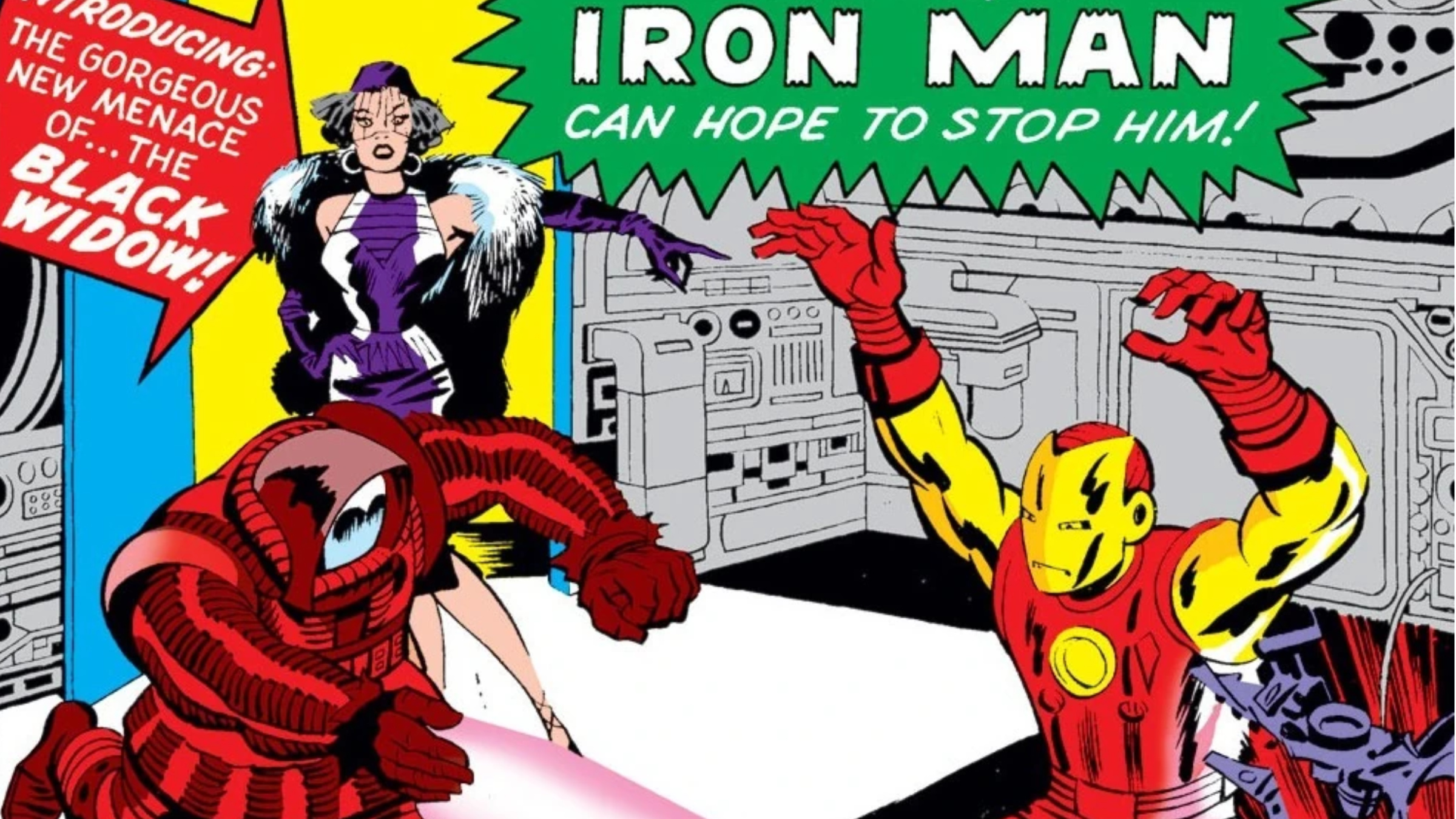
Sixty-two years ago, the comic book debut of Black Widow, a character who would become a pop culture icon, was quite different from her portrayal in the movies. In Tales of Suspense #52, created by Stan Lee, Don Rico, and Don Heck, she was introduced as a Soviet spy within an Iron Man story—but initially as an enemy, not an ally. These early comic book appearances set Black Widow on a very different path than what movie fans know, ultimately leading her to fame.
Tales of Suspense #52 Introduced Black Widow as a KGB Agent
The Marvel Cinematic Universe (MCU) is well-known for successfully updating classic Marvel stories for modern audiences. However, a key difference between the early comics and the films lies in how they portrayed the Cold War. In the 1960s Marvel Universe, characters like the Fantastic Four, Hulk, and Iron Man were often depicted as strong supporters of capitalism and American ideals, frequently battling villains who were Soviets or communists. This was particularly true for Iron Man, where Tony Stark was presented as a symbol of American innovation and a champion of the country’s strength.
As a longtime fan, it’s fascinating to look back at how Iron Man’s early stories really leaned into the Cold War. He was constantly facing off against villains from the communist bloc. I remember reading about him getting hurt in a conflict that was clearly inspired by Vietnam, and his nemesis, the Mandarin, was portrayed as a Chinese communist aiming to build his own empire. There was a whole wave of armored Soviet baddies he fought, too! And then there was Black Widow – she wasn’t about overpowering him with strength, but using her skills to infiltrate Stark Industries and steal his tech for the Soviets. She was a really clever and dangerous opponent.
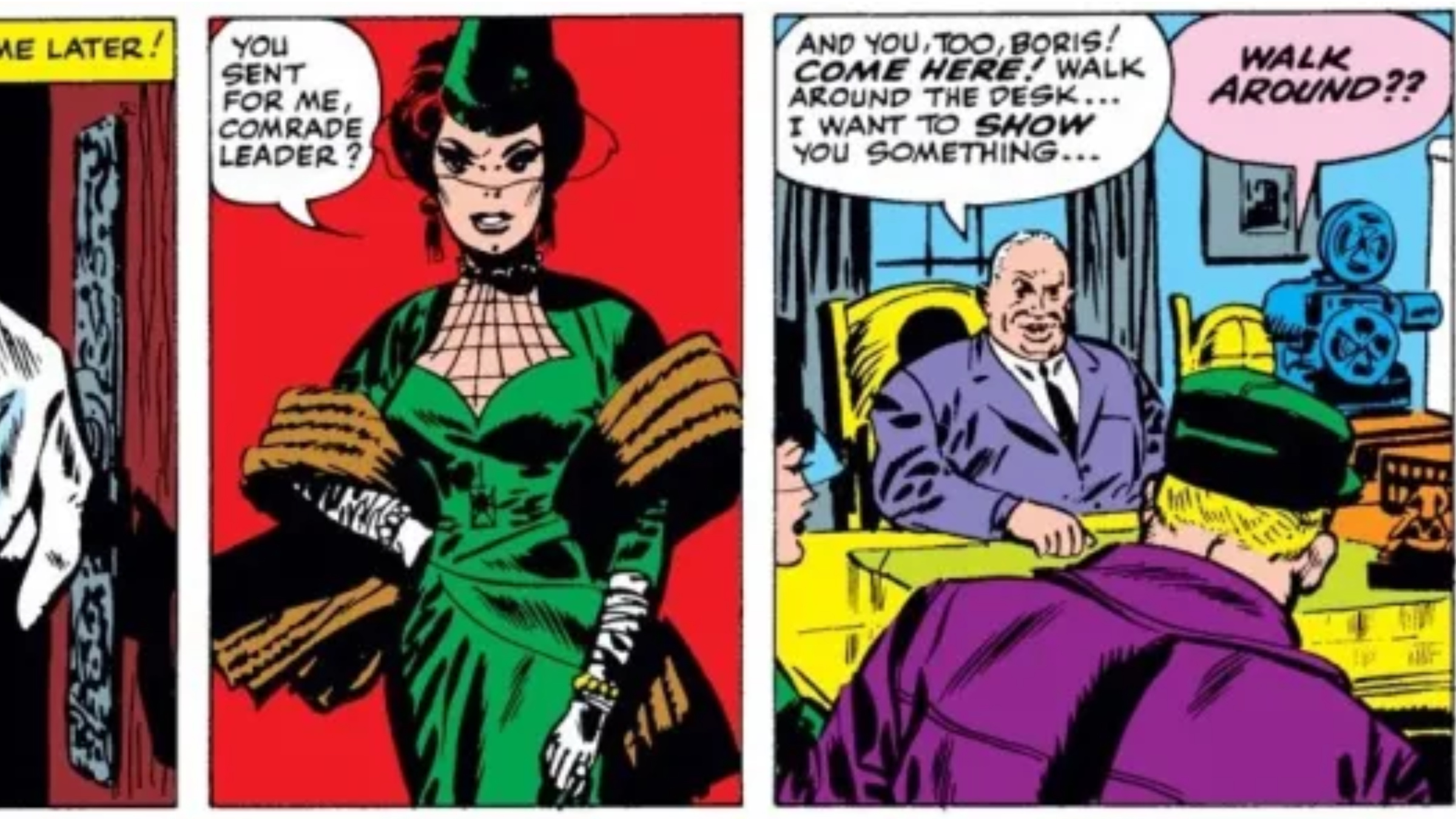
In issue #52 of Tales of Suspense, Iron Man clashed with his armored enemy, the Crimson Dynamo, inside a Stark factory—a classic showdown for fans. Meanwhile, in 1960s Moscow, Soviet Premier Nikita Kruschev dispatched his top agents, Boris and Black Widow, to target Tony Stark and steal Iron Man’s technology. They successfully tricked Tony; Black Widow used seduction while Boris captured the Crimson Dynamo, who had stolen his armor from the Soviet army. This deception ultimately led to a fight, with Black Widow managing to escape Iron Man.
While the story shares some elements with the film adaptation, there are key differences. In both versions, the character initially captivates Tony Stark with her charm while secretly gathering information. However, the movie reveals she wasn’t intending to harm him, a departure from the comic books. She reappeared in the comics soon after, this time teaming up with Hawkeye. They repeatedly clashed with Iron Man, and eventually, Hawkeye joined the Avengers, paving the way for Black Widow to prove herself and become a major Marvel heroine. She even took on a leadership role with the Avengers on several occasions – quite a journey for a character who began as a typical spy trope.
Black Widow’s Road to the Big Screen Was a Circuitous One
As a big Marvel fan, I always thought Black Widow had the potential to be just another Cold War spy character – something we’d seen a million times. She probably would have stayed a niche favorite for those who loved the classic comics, but honestly, she needed that shift in her character. It’s amazing to see how she’s evolved – from a villain, to a supporting character, and finally into the incredible, vital hero we know today. She wasn’t an instant hit, but she was compelling enough to deserve her moment, and getting her own film really cemented her status as a true icon.
Marvel comics from the 1960s offer a fascinating glimpse into what the publisher was like back then. From the very beginning, Marvel stories aimed for a sense of realism, and even though Black Widow is a fantastical character, she contributed to that approach. She’s become a well-known icon, and her backstory is one of the most interesting in Marvel’s history.
https://comicbook.com/comics/list/10-marvel-comics-you-need-to-read-in-2026/embed/#
Read More
- Everything You Need To Know About Nikki Baxter In Stranger Things’ Animated Spinoff
- ‘The Bride!’ Review: Jessie Buckley Breathes Life into a Monstrous Mess
- Miranda Kerr Shares “Quick” Procedure She Got Before Met Gala 2026
- Welcome to Demon School! Iruma-kun season 4 release schedule: When are new episodes on Crunchyroll?
- After 11 Years, Black Clover Officially Ends With Final Release (& Crowns a New Wizard King)
- Echoes of the Early Universe: Hunting Dark Matter’s Relativistic Ghosts
- The Boys Star Addresses Original Supe’s Major Betrayal In Shocking Season 5 Death Scene
- Untangling Anyons: A New Framework for Quantum Control
- Guide: NTE Launch Guide: Release Times, Free Pulls, Codes, and More
- Jujutsu Kaisen: Studio MAPPA Unveils Sequel Anime
2026-01-10 19:40