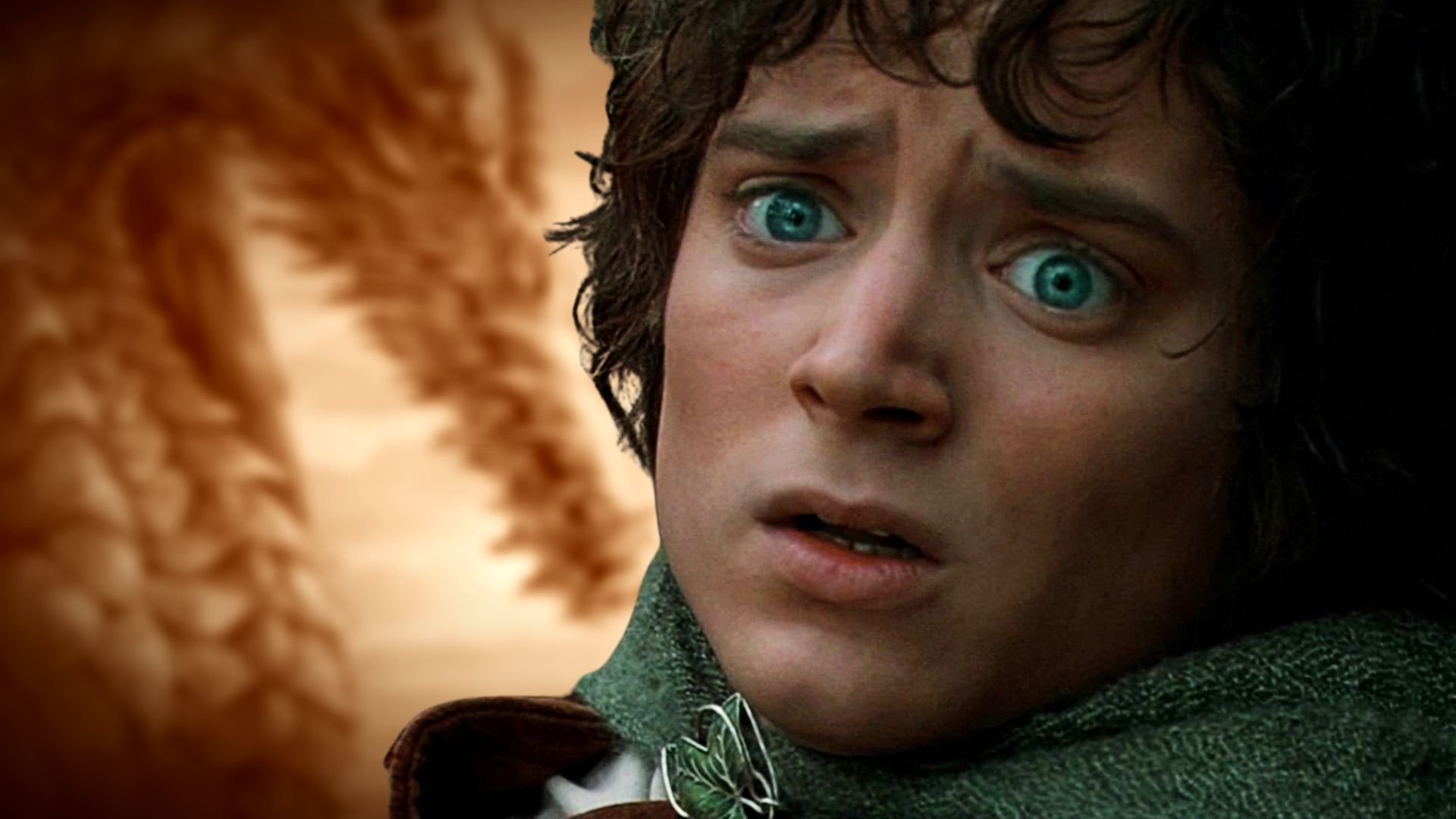
Few fantasy series are as widely praised and successful as The Lord of the Rings. J.R.R. Tolkien’s books about Middle-earth aren’t just fan favorites – they’re considered some of the most important and impactful works of literature ever written. Tolkien’s style continues to shape the fantasy genre, and modern series like the anime Frieren: Beyond Journey’s End clearly draw inspiration from his work.
Despite its popularity, The Lord of the Rings proved challenging to adapt for animation. Early efforts by directors like Ralph Bakshi and studios like Rankin/Bass weren’t able to fully capture the story’s wonder and scope.
Peter Jackson’s Lord of the Rings trilogy felt like a remarkable achievement. Although the films changed parts of Tolkien’s story, they successfully captured the heart and core ideas of the books. The trilogy was incredibly popular at first, but it proved difficult to maintain that level of success over time.
The Lord of the Rings Has Been on the Decline For More Than a Decade Now
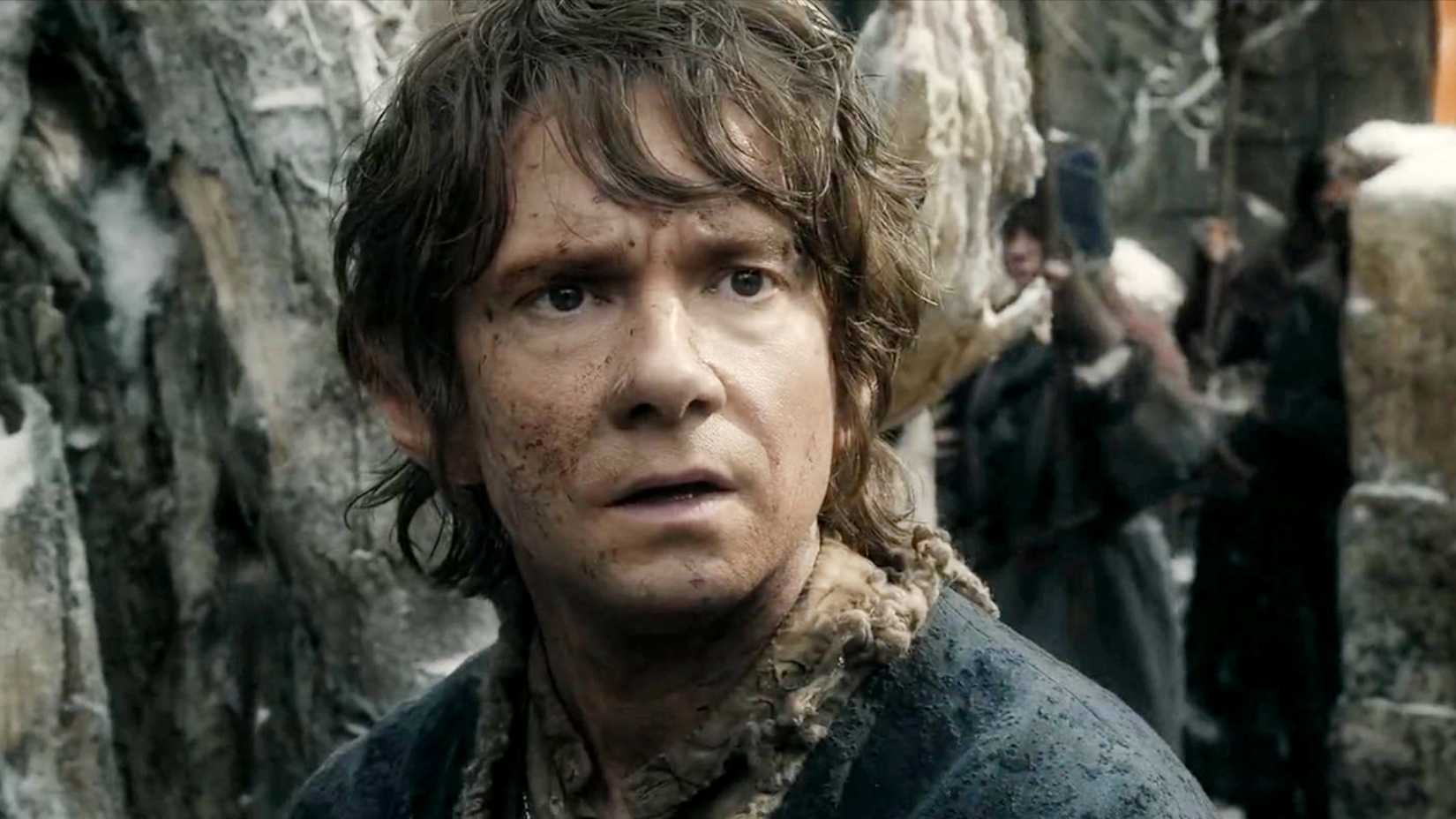
Problems began to surface with the release of the Hobbit trilogy in 2012. While the films, directed by Peter Jackson, received a lukewarm response and moderate success at the box office initially, opinions have become much more critical over time.
Even with a strong performance by Martin Freeman and many well-known actors, the Hobbit movie trilogy is now seen as too long and ultimately not needed.
The Hobbit films suffered because they attempted to mimic the style of The Lord of the Rings, even though the original book has a much different, smaller-scale feel than the later stories.
Even though opinions were divided, the world of The Lord of the Rings expanded into other forms of entertainment. Some of these ventures were successful, like the groundbreaking game Middle-earth: Shadows of Mordor and the Magic: The Gathering set The Lord of the Rings: Tales of Middle-earth.
Things aren’t looking great for Middle-earth right now, and the statistics clearly show it’s facing significant challenges, although there are a few positive signs.
The Lord of the Rings Is Still Stuck In a Rut

Prime Video’s The Lord of the Rings: The Rings of Power is currently the main focus for Middle-earth content. The show is a prequel, meaning it tells a story that happens before the events of The Lord of the Rings, and it draws heavily on historical information found in the appendices of Tolkien’s other writings about Middle-earth.
Despite costing a huge amount of money and starting with a lot of viewers, the first season of The Rings of Power ended up causing a lot of disagreement. Some of the criticism wasn’t really about the show’s quality; complaints about diversity and the prominence of female characters overshadowed the actual issues with the series.
The original Lord of the Rings movies connect with audiences through heartfelt and relatable characters. However, the human stories in The Rings of Power don’t quite have the same impact. This, along with the show’s inability to fully develop characters like Sauron due to rights limitations, creates a somewhat disjointed experience.
Despite receiving a respectable 82% score from critics on Rotten Tomatoes, viewership for season 2 of The Rings of Power has significantly dropped.
Luminate, an analytics firm, reports that the premiere of The Rings of Power season 2 had 60% fewer viewers than the first season’s premiere.
Although Amazon seemed caught off guard by the decline in viewership, followers of the fantasy genre likely predicted it, pointing to a single quote from a highly respected author in the field.
The Lord of the Rings Is Now a Shadow Of Itself

Ursula K. Le Guin, a highly acclaimed fantasy and science fiction author, made a surprising decision 25 years ago: she went back on a promise. While J.R.R. Tolkien may be more widely known, Le Guin is a giant in the field, having won numerous Nebula and Hugo awards for her imaginative writing.
Ursula K. Le Guin is best known for her Earthsea books, which began with A Wizard of Earthsea in 1968. After a long break from the series, she returned to Earthsea and published Tehanu in 1990, initially presented as the final book in the cycle.
In 2001, she continued the series with a new collection of short stories called Tales From Earthsea. The book included a foreword where Le Guin explained her reasons for writing more Earthsea stories and shared her thoughts on the fantasy genre at the time.
The writer’s introduction contains a lot of valuable insights from their years of experience, but a few paragraphs stand out as particularly insightful and forward-thinking.
Modern fantasy often plays it safe, focusing on imitation rather than innovation. It simplifies classic stories, stripping away their depth and turning them into shallow action sequences with one-dimensional characters. Meaningful dilemmas are glossed over to make things more palatable, and complex ideas are reduced to simple, marketable tropes. Like mass-produced toys, these stories are copied, sold, and easily discarded, prioritizing profit over substance. The original vision of great storytellers is lost in a cycle of replication and consumerism.
Those who profit from fantasy rely on and take advantage of the reader’s powerful imagination – whether that reader is a child or an adult. This imagination briefly brings even lifeless concepts to life.
Sadly, Ursula K. Le Guin’s concerns about fantasy literature are still very relevant today. The Hobbit movies are a prime example of fantasy becoming overly focused on profit—they were a calculated attempt to copy The Lord of the Rings, but they lacked the genuine emotional depth that made the original so impactful and beloved for generations.
Even though The Rings of Power is a bit more skillfully made, it still lacks heart. It’s technically stronger, but it feels empty.
Ursula K. Le Guin’s Earthsea Series Shows How To Resurrect Fantasy

It’s disappointing to see The Lord of the Rings struggling now, especially since we’ve seen successful revivals of other fantasy series. Ursula K. Le Guin, for instance, brilliantly reintroduced Earthsea not once, but twice, both times with fantastic results.
When Ursula K. Le Guin published The Farthest Shore in 1972, many readers felt it wrapped up the series nicely. The book ended with Ged, the main character, losing his magical abilities, which felt like a fitting conclusion to his story.
Luckily, Le Guin didn’t end the series there. She came back to it in 1990 with the book Tehanu.
Unlike Ursula K. Le Guin’s earlier Earthsea books, Tehanu takes a different approach. The first three novels were aimed at young adults and featured powerful heroes fighting against evil, but Tehanu is a story for adults that focuses on everyday people dealing with realistic, human challenges.
Rather than simply bringing back familiar characters and themes in Tehanu, Ursula K. Le Guin uses the story to ask deeper questions. She explores why women are excluded from magical training, what happens to wizards when they lose their abilities, and what fundamentally separates humans from dragons.
Tehanu isn’t a feel-good story. After an 18-year break from writing about this world, Ursula K. Le Guin revisits her earlier work, creating a very personal and thought-provoking narrative that complicates and enriches what she’d written before.
This gets to the heart of the problem with the modern state of The Lord of the Rings as a franchise.
Even though some fantasy fans criticize shows like The Rings of Power for not sticking closely to the original stories, that’s not the real issue. The Lord of the Rings movies also made significant changes from Tolkien’s books, and people still love them.
I think the biggest issue with recent Middle-earth shows, like The Rings of Power, isn’t necessarily whether they’re good or bad, but that they just aren’t pushing any boundaries or really making viewers think. They’re not offering anything truly challenging.
Perhaps in the future, a new large-scale The Lord of the Rings adaptation will finally succeed in creating something genuinely remarkable. However, even if it does, it will still primarily serve to keep the franchise going, despite its somewhat unnatural longevity.
As Ursula K. Le Guin points out, popular series like these tend to lose steam eventually. Maybe it’s best to let The Lord of the Rings have its moment and allow fresh, new stories to emerge.
Read More
- FRONT MISSION 3: Remake coming to PS5, Xbox Series, PS4, Xbox One, and PC on January 30, 2026
- Best Controller Settings for ARC Raiders
- Welcome to Demon School! Iruma-kun season 4 release schedule: When are new episodes on Crunchyroll?
- Taylor Sheridan’s Gritty 5-Part Crime Show Reveals New Final Season Villain
- From season 4 release schedule: When is episode 2 out on MGM+?
- Mark Zuckerberg & Wife Priscilla Chan Make Surprise Debut at Met Gala
- The Boys Season 5 Officially Ends An Era For Jensen Ackles’ Soldier Boy
- ‘The Bride!’ Review: Jessie Buckley Breathes Life into a Monstrous Mess
- Invincible Season 4 Episode 4 Post-Credits Unveils a Demonic Return & More
- Meet the cast of Good Omens season 3: All the actors and characters
2026-01-11 18:06