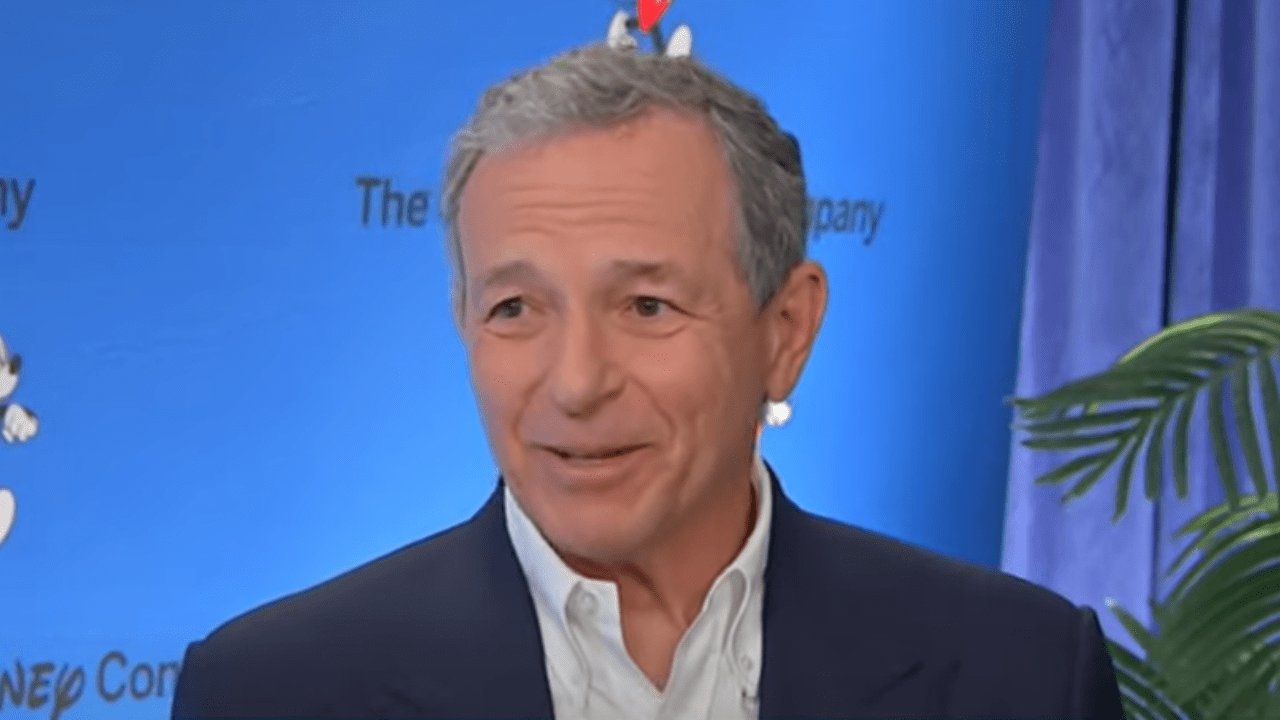
For many years, Walt Disney Imagineering was the team responsible for the incredible experiences at Disney parks. They didn’t simply bring movies to life – they built entirely new worlds. Beloved attractions like Pirates of the Caribbean, Haunted Mansion, Space Mountain, and Expedition Everest weren’t created by following strict orders or focusing on what would simply make the most money. They were the result of artists, engineers, and storytellers being given the freedom to experiment and take chances.
Over time, as visitors enjoyed these attractions, they evolved into unique experiences found only at Disney Parks.
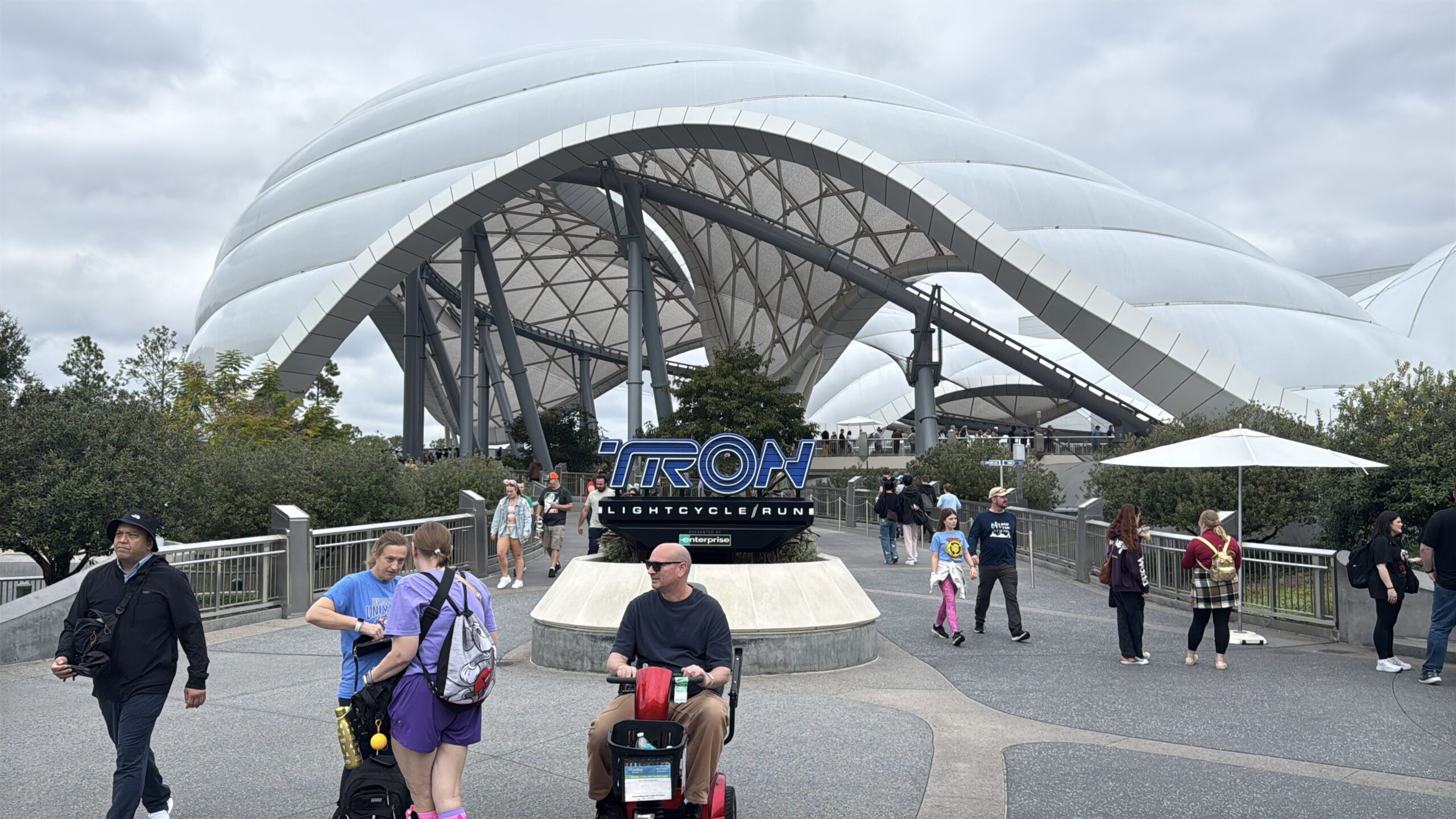
That creative spirit at Disney is now a thing of the past. While many in the media focus on Bob Chapek as the one responsible, the reality suggests the decline of Disney’s Imagineering division actually started during Bob Iger’s earlier leadership, not after he left.
Imagineering Was Never Meant to Be a Corporate Department
Walt Disney Imagineering started as a creative workshop, rather than a typical business department. Even when it became part of the larger Walt Disney Company in the 1960s, it kept a special atmosphere – a blend of research, artistic expression, and technical innovation.

For many years, the creative team at Disney—known as Imagineers—had a lot of freedom. They didn’t just take existing movie ideas and turn them into rides. They developed completely new ideas, stories, and attractions. In fact, some of Disney’s most successful creations came from these original concepts, because the Imagineers weren’t limited by existing brands.
That independence is what created the golden age of Disney parks.
Bob Iger Changed the Mission
That all shifted when Bob Iger took over as CEO in 2005.
When Bob Iger led Disney, the company began focusing heavily on its existing franchises. Instead of creating original park experiences, Disney parks were redesigned to showcase and expand on its popular movies and TV shows. The main goal became building rides and attractions based on well-known Disney brands.
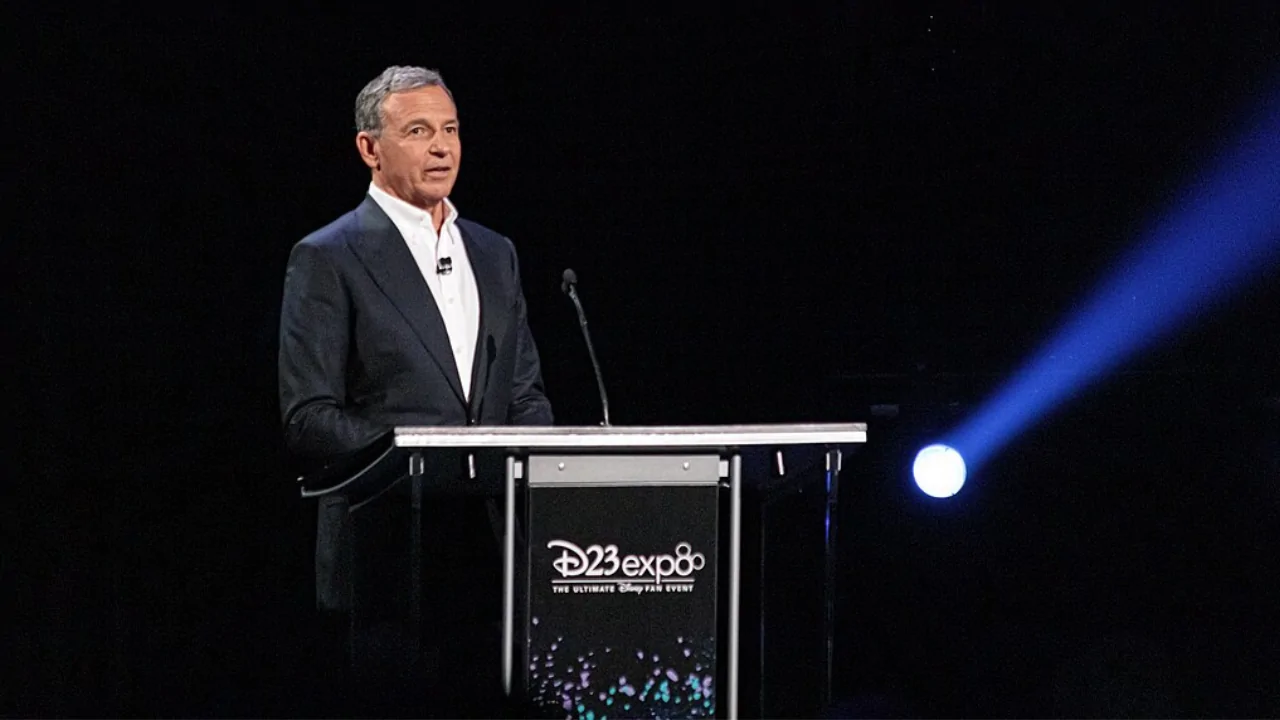
With the focus shifting to Marvel, Star Wars, and Pixar, Disney parks likely won’t see original characters achieve the same legendary status as classics like Madame Leota or Figment again.
This policy wasn’t introduced by Chapek; it actually began over ten years before his time. The creative direction shifted, and Imagineering was no longer the driving force – instead, they were tasked with supporting marketing and overall brand strategy.
Existing attractions began to suffer and progress stalled, despite increasing budgets and advancements in technology. The freedom to innovate had already been severely limited.
Fans Blamed the Wrong People
When the theme parks started feeling less unique, many fans began to criticize the Imagineers. However, this criticism wasn’t really fair – it didn’t address the core issue.
It wasn’t a lack of creativity that hindered Imagineers; they simply weren’t given the freedom to implement their ideas.

As a movie lover, it really frustrates me how everything these days feels like it has to be based on something that already exists. It’s gotten to the point where genuine creativity feels like just window dressing. They’re not trying to create the next classic like The Haunted Mansion; they’re just taking a familiar concept and slapping a new coat of paint on it to match whatever the studio is pushing right now.
That environment was created from the top down — not from inside Imagineering.
Chapek Didn’t Create the System — He Enforced It
Many people criticize Bob Chapek for making Disney seem focused solely on profits. However, he didn’t create that environment – it existed before he became CEO.
After becoming head of Parks in 2015, Chapek focused on improving financial control within a system that Bob Iger had already successfully overhauled.

After Imagineering’s role shifted to simply implementing existing ideas, it became easier for financial leaders to control the creative process. This led to tighter budgets, project delays, and the cancellation of many concepts. As a result, many experienced Imagineers left the company – some even joined Universal to help create their new Epic Universe park. Several important planned updates to existing parks were also cancelled without much public notice.
Those years really hurt the team’s spirit and left the department weakened, but the underlying issues were already present beforehand.
Bob Chapek Was Iger’s Human Shield
This is the part Disney media almost never confronts.
Bob Chapek was hand-picked by Bob Iger to take over as CEO. He developed his career at Disney while Iger was in charge, and successfully managed the Parks division using Iger’s strategy of focusing on popular brands. When Chapek became CEO, he took over a company that was already geared towards maximizing profits from existing franchises, controlling costs, and delivering short-term results, rather than investing in long-term creative projects.

Chapek didn’t have the chance, or the authority, to change the company’s direction. He was unexpectedly fired one Sunday and replaced by Bob Iger, who presented himself as the one who would fix things. Interestingly, Iger didn’t actually reverse any of Chapek’s most controversial decisions.
That made Chapek the perfect human shield.
The negative results of Disney’s current business strategy – like a lack of original ideas, reluctance to take chances, and theme parks focused on existing brands – were unfairly blamed on the person simply carrying out the plan.
Iger wrote the rules. Chapek took the heat.
“Restoring” Imagineering Is an Admission of Guilt
Now Disney is publicly talking about “restoring” Imagineering. That word alone is revealing.
You don’t restore something unless it was broken.

Company leaders are talking about restoring trust, fostering innovation, and helping Imagineers rediscover their passion for creativity. However, these efforts wouldn’t be needed if Bob Iger hadn’t previously prioritized established intellectual property over the unique culture that originally made Imagineering so successful.
Bob Iger Imagineering: The Real Legacy
Bob Iger is often celebrated as a brilliant leader for Disney. However, his impact on the company’s creative development team, Walt Disney Imagineering, is seen by many as much more negative.
He transformed a once-innovative studio into a department focused on maintaining brand consistency. He prioritized avoiding risks over artistic expression, and when problems arose, he allowed Bob Chapek to be blamed.

That’s why the story being told now — of Bob Iger heroically restoring Imagineering — rings hollow.
You don’t get credit for fixing what you broke.
Read More
- Best Controller Settings for ARC Raiders
- FRONT MISSION 3: Remake coming to PS5, Xbox Series, PS4, Xbox One, and PC on January 30, 2026
- Mark Zuckerberg & Wife Priscilla Chan Make Surprise Debut at Met Gala
- Meet the cast of Good Omens season 3: All the actors and characters
- 7 Great Marvel Villains Who Are Currently Dead
- Welcome to Demon School! Iruma-kun season 4 release schedule: When are new episodes on Crunchyroll?
- Nippon Sangoku Is The Best New Post-Apocalyptic Anime of Spring 2026
- Wistoria: Wand and Sword Season 2 release schedule: When are new episodes out?
- The Boys Season 5 Officially Ends An Era For Jensen Ackles’ Soldier Boy
- Khloe, Kourtney Kardashian Call Out Kylie Jenner for Mother’s Day Post
2026-01-12 16:59