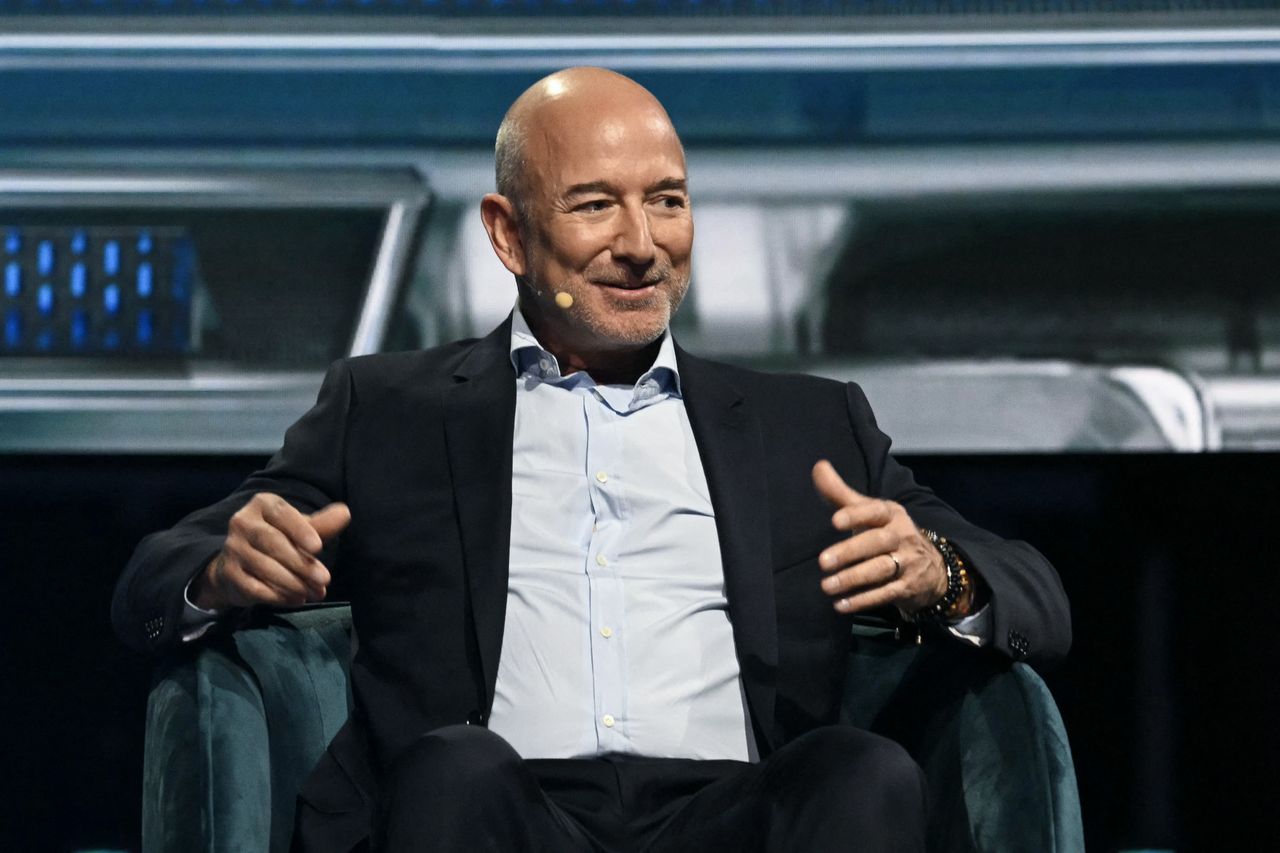
I recently remembered something Jeff Bezos, the founder of Amazon, said in a speech a while back. Considering how rapidly artificial intelligence is developing, it feels especially important now.
Microsoft has been very open about wanting to make Windows centered around artificial intelligence, and this has caused a lot of frustration among both its users and investors recently. Lately, Microsoft – sometimes jokingly called “Microslop” due to its AI efforts – has been adding its OpenAI-powered Copilot chatbot to many of its products, but these additions haven’t always been well-received or fully developed.
Microsoft is adding Copilot to a lot of its apps – like Outlook and even simple programs such as Paint and Notepad. It’s appearing in places where it doesn’t seem particularly useful, and the additions keep coming.
I’ve been trying to figure out Microsoft’s plan for Copilot, but it’s been difficult. The current version of Copilot just isn’t very good, and that’s being generous. Usually, Microsoft would label something this buggy as a ‘beta’ version. However, they’re actively promoting Copilot, even though many of the examples and features shown in their advertising don’t work as expected.
Is there more to this than meets the eye? Jeff Bezos might have hinted at one possible reason.
I’ve been reading about Bezos, and he points out something really interesting: people often worry too much about what could go wrong and don’t fully see the possibilities. He’s definitely made some incorrect predictions over the years, but his success with things like online shopping and cloud computing proves he has a remarkable ability to see what’s coming. After all, he’s one of the most successful tech entrepreneurs ever, and that foresight has been key to his achievements.
In 2024, Jeff Bezos predicted that traditional computers will become outdated. He believes the future of computing lies in cloud services – essentially renting computing power from companies like Amazon Web Services or Microsoft Azure – which feels especially relevant now.
To illustrate his point, Bezos shared a story about visiting an old brewery. The brewery had a museum showcasing its history, including a 100-year-old generator they used before widespread electricity. Bezos explained he views this generator like today’s local computing systems – believing users will eventually shift from owning their own hardware to using cloud-based services, like those offered by Amazon, that are always available online.
Bezos described a future that is already coming true in various ways.

The thought of just owning the basic hardware – a screen, keyboard, and mouse – and then paying a subscription to use Windows remotely might seem strange, but it’s important to think about where technology is heading.
Many of us already stream music, TV shows, and movies through services like Spotify and Netflix, which rely on companies like Amazon Web Services. Cloud gaming – services like Amazon Luna, NVIDIA GeForce Now, and Xbox Cloud Gaming – is also becoming increasingly popular, and this trend extends beyond just gaming.
Most of the apps and services we use today, like Fortnite and TikTok, run entirely online. Given this, is it really surprising to think that many people would be comfortable paying companies like Microsoft and Amazon to handle all their computing needs?
It’s certainly a viable option right now. However, I’m concerned about the future – what if our options become severely limited in the years ahead? I’m starting to wonder if we should be preparing for a scenario where we have very little flexibility.
DRAM prices have been rising rapidly, making it increasingly expensive for consumers to buy computer memory. As a result, companies like Dell and ASUS have announced upcoming price increases for PCs. Major memory manufacturers, including Micron and Samsung, are limiting or even stopping the sale of DRAM specifically for consumers. In fact, Micron has completely stopped selling DRAM to consumers.
And why? The answer is AI. Or, well, the answer really is cloud.
Will the death of affordable PC components force regular folk to hunt for cloud computing solutions?

Artificial intelligence relies on remote data centers, often called the “cloud,” to function. Everything from answering questions with ChatGPT to creating images with tools like Grok and Copilot needs significant computing power from these data centers. This demand isn’t just for memory (DRAM) anymore; fast storage (SSDs) is becoming increasingly scarce, and this shortage is likely to drive up prices for consumers.
People with good computers, gaming consoles, and laptops are probably fine for now, but what happens down the road? Eventually, these devices will fail or break. What will the cost of replacing them be in a couple of years?
Experts predict RAM prices might level out in the next year or two, but everyday consumers are facing competition from governments when trying to buy certain computer parts. Supporters of artificial intelligence, like Sam Altman from OpenAI, have persuaded lawmakers that this technology is vital to national security, both for military uses and potential future breakthroughs. Fortunately for Altman and those invested in his company, achieving these goals requires massive investment – specifically, trillions of dollars – in cloud computing.
Currently, there’s a limited amount of computer chips that can be manufactured globally. Governments are essentially using funds to buy up these chips, competing with tech companies. This makes it unlikely that demand will decrease soon, unless investors and governments realize that most AI applications aren’t much more than rehashed online content like Reddit posts, memes, and blog articles.
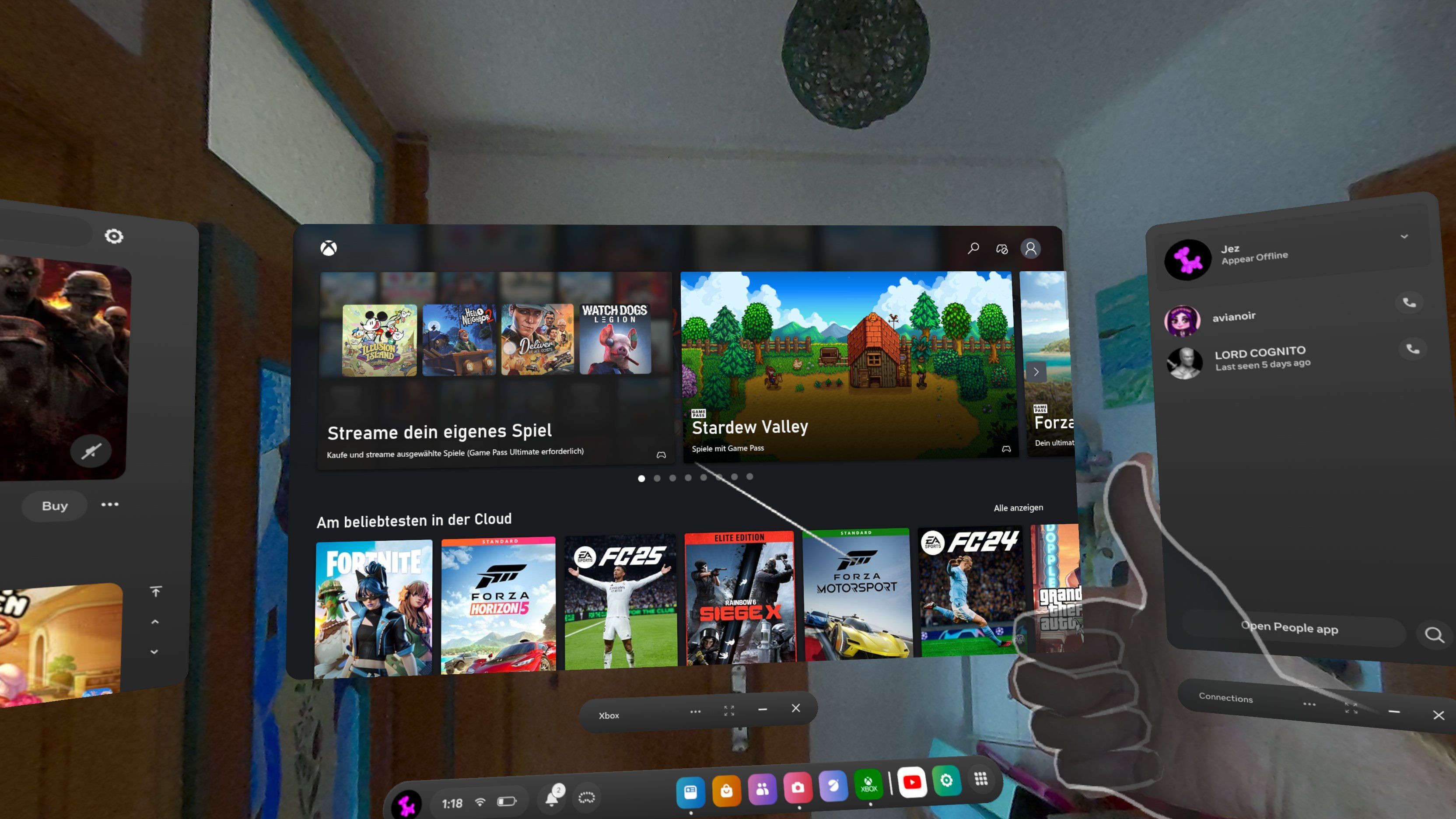
Microsoft had been developing a cloud-based Windows for everyday users, building on the technology behind its Windows 365 service for businesses. They’ve put this consumer version on hold recently, likely because affordable laptops are still readily available. However, with the way technology is changing, it’s possible Microsoft might try to launch a consumer version again in the future.
Cloud computing can be expensive, and that’s proving true for gaming and AI. Xbox Game Pass cloud gaming costs $30 per month for 1440p quality, and NVIDIA recently limited its cloud gaming to 100 hours per month, likely due to the high costs. This same issue – balancing cost with user willingness to pay – could affect AI services like ChatGPT and Copilot. Are these tools valuable enough for most people to justify a subscription fee?
Currently, services like ChatGPT and Copilot are free because companies like Microsoft are trying to get people hooked on them before introducing subscription fees. However, if they suddenly started charging $10 a month, many users would likely stop using them. These tools are incredibly expensive to operate – costing millions of dollars daily – and haven’t yet proven to be profitable for the companies providing them, which is a significant challenge.
As a researcher, I’ve been considering the future of computing and whether everything will move to the cloud. While companies like Amazon might prefer a model where users simply access services rather than owning hardware, I don’t believe that’s likely to happen soon, even for everyday computer users, unless the cost of owning and maintaining local devices dramatically increases. It’s tempting to think these companies would love to eliminate ownership altogether, but the popularity of services like Spotify and Netflix suggests that many people may not mind either way – they’re happy with access, regardless of *how* it’s delivered.
Read More
- Best Controller Settings for ARC Raiders
- The Boys Season 5 Officially Ends An Era For Jensen Ackles’ Soldier Boy
- Review: Final Fantasy Tactics: The Ivalice Chronicles (PS5) – Still the Benchmark for Turn-Based Tactics
- Nippon Sangoku Is The Best New Post-Apocalyptic Anime of Spring 2026
- Mark Zuckerberg & Wife Priscilla Chan Make Surprise Debut at Met Gala
- Elon Musk’s Mom Maye Musk Shares Her Parenting Philosophy
- 10 Greatest Manga Endings of All Time
- The Witcher 3 Officially Reveals Stunning New Ciri Figure Coming 2026
- The WONDERfools ending explained: What happened to the Child of Eternity?
- 7 Great Marvel Villains Who Are Currently Dead
2026-01-13 14:41