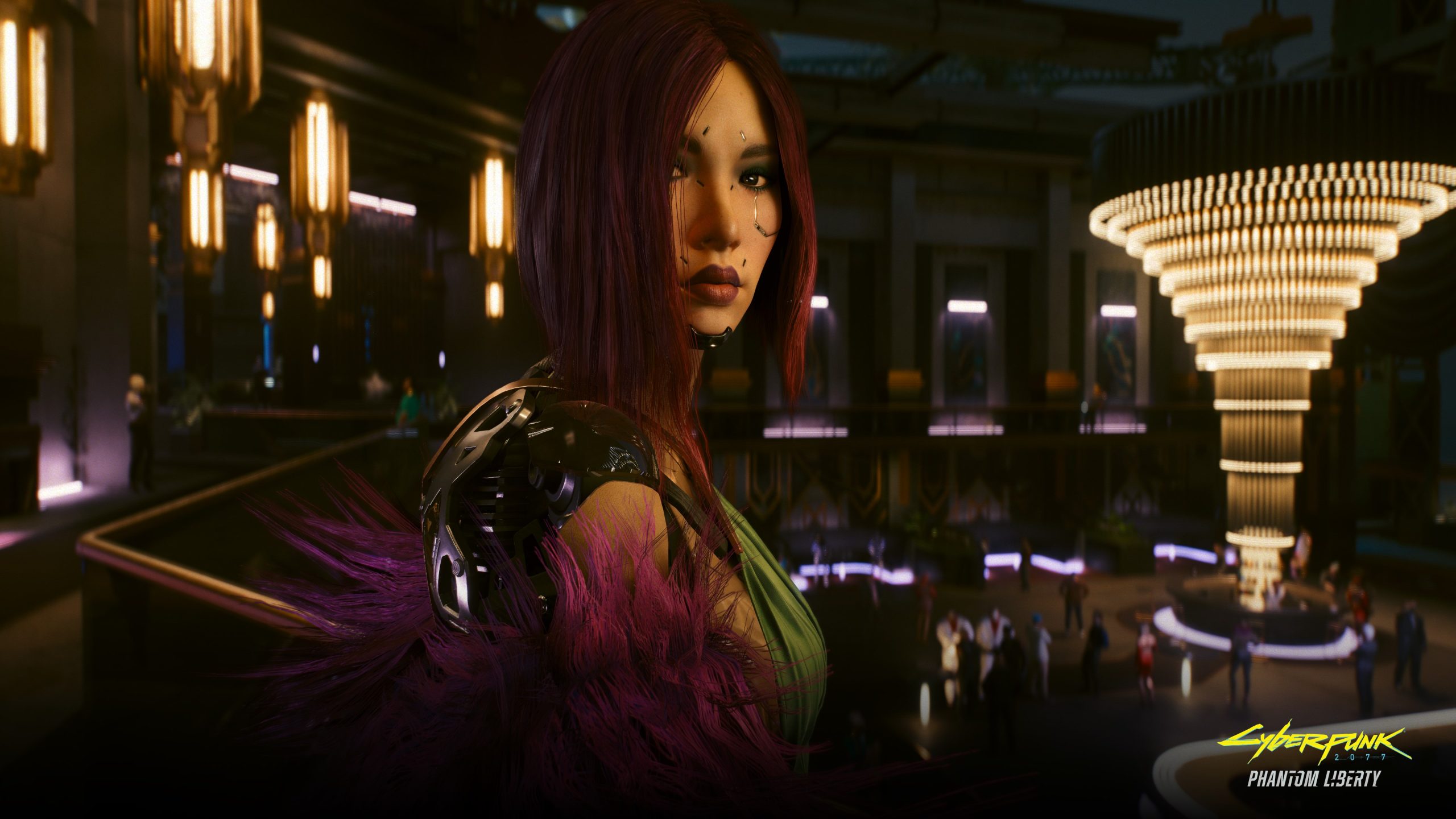
After discussion about whether Cyberpunk 2077 would have been improved with a less lengthy opening, Igor Sarzyński, creative director of Project Orion (also known as Cyberpunk 2), has shared his thoughts on removed content. He pointed out that movies aren’t usually compared in the same way, and that there’s…
In a recent discussion on Bluesky, Sarzyński shared that the epilogue of Phantom Liberty went through significant changes. He explained that an earlier version was much darker and stranger, but as the main story became more focused, it didn’t quite match the overall tone and themes, so they opted for the ending we see now.
The dance scene with Alex wasn’t originally planned; it was added later to provide a brief, lighter moment amidst all the serious tension. This highlights a key part of the game’s development process – discovering what’s missing and then adding it, whether it’s new content, interactions, or features, as Sarzyński explains.
He acknowledges that it’s easy to let personal aspirations fall by the wayside, especially when you’re focused on more urgent tasks. But he views a game as something far more profound – a complex, interactive work of art that creates a complete and captivating world, almost like a dream.
The process involves building something up, prioritizing tasks, and making adjustments along the way. The ultimate aim is always to deliver the highest quality result, and to do so on schedule. However, it’s important to remember this is a very basic overview. Every project is different, with its own complexities and exceptions, and there are countless approaches to getting things done.
Even though some players have mixed feelings about Cyberpunk 2077, and certain features like the Life Paths could have been better, the game has ultimately been a success. The base game has sold over 35 million copies in the five years since its release, despite a rocky start. The Phantom Liberty expansion also performed very well, selling 10 million copies and receiving excellent reviews.
Imagine throwing a hand grenade into a pot of gumbo – that’s kind of what making a game feels like! Basically, game development is all about constantly balancing what you want to include with what’s actually possible, given time and resources. You’ll add a lot of things, but you’ll also have to cut a lot, too – it’s a constant process of deciding what’s most important.
— igor.sarzynski (@srznsk.bsky.social) 2026-01-10T13:54:02.824Z
When people talk about parts of a film that didn’t make the final cut, they don’t usually call those scenes ‘cut content’. Directors make choices about what to include for good reasons – to keep the movie flowing well, make sense, and be high quality. A fantastic two-hour movie wouldn’t improve by adding another hour of footage.
— igor.sarzynski (@srznsk.bsky.social) 2026-01-10T13:54:02.825Z
It’s the same with games: you aim to get everything just right – not overly complex, but not too simple either, and with a clear, organized structure.
— igor.sarzynski (@srznsk.bsky.social) 2026-01-10T13:54:02.826Z
Creating a large RPG isn’t about having a flawless plan from the start. You can’t fully design one on paper. Instead, you learn through building and testing – figuring out what works, what’s essential, and what can be cut – through many versions. A lot of the best parts actually come from the way different complex systems interact with each other.
— igor.sarzynski (@srznsk.bsky.social) 2026-01-10T13:54:02.827Z
We keep track of all our work – both planned projects and things we identify along the way – in a prioritized list called a backlog. This list is constantly updated, with items being added, removed, or adjusted as development progresses.
— igor.sarzynski (@srznsk.bsky.social) 2026-01-10T13:54:02.828Z
As you work, continuously refine and rearrange things so that the art, story, gameplay, and technology all fit together and improve. Priorities shift – new ideas become important, and old ones may become less so. (If you’re interested in learning more about this approach, look into Agile and Product Ownership.)
— igor.sarzynski (@srznsk.bsky.social) 2026-01-10T13:54:02.829Z
The original ending for our story was quite different – much more unsettling and strange. As the main story took shape, we realized this ending didn’t match the overall tone and themes. We ultimately revised it into the ‘Tower’ ending we have now.
— igor.sarzynski (@srznsk.bsky.social) 2026-01-10T13:54:02.830Z
We did explore some ideas in the earlier design – things like different locations, scenes, and systems. While all of that content was ultimately removed, it helped us improve the game. For example, we streamlined our character progression system with a patch, and it’s now much more focused and effective. It just goes to show that adding more features doesn’t always make a game better.
— igor.sarzynski (@srznsk.bsky.social) 2026-01-10T13:54:02.831Z
While adding more features can be good, you’ll always face limitations. You can’t just keep adding endlessly – unless you have unlimited resources! You need to prioritize: what best supports your overall vision, what players will enjoy and find valuable, and when adding more actually becomes counterproductive.
— igor.sarzynski (@srznsk.bsky.social) 2026-01-10T13:54:02.832Z
Often, you realize a significant amount of extra work needs to be done – things like new art, gameplay features, story paths, or character interactions. For example, in Project Lead, we added the dancing scene with Alex fairly late in development. I felt the game needed a more relaxed, personal moment to balance out all the tension and espionage.
— igor.sarzynski (@srznsk.bsky.social) 2026-01-10T13:54:02.833Z
It’s common to not achieve everything you set out to do, and often, due to shifting priorities and managing a large workload, the things that get pushed aside are the less important or valuable ones. Everyone makes trade-offs, and it’s okay that not everything gets done.
— igor.sarzynski (@srznsk.bsky.social) 2026-01-10T13:54:02.834Z
Ultimately, a game is a remarkably complex and interactive work of art – a miniature world built through careful design. The development process involves constantly adding, refining, and prioritizing features. The core aim throughout is simple: to deliver the highest quality experience possible, and to do so on schedule.
— igor.sarzynski (@srznsk.bsky.social) 2026-01-10T13:54:02.835Z
Just so you know, this is a really basic overview. The details are much more complex, with lots of exceptions and different approaches depending on the specific project.
— igor.sarzynski (@srznsk.bsky.social) 2026-01-10T13:54:02.836Z
Read More
- Best Controller Settings for ARC Raiders
- FRONT MISSION 3: Remake coming to PS5, Xbox Series, PS4, Xbox One, and PC on January 30, 2026
- Mark Zuckerberg & Wife Priscilla Chan Make Surprise Debut at Met Gala
- Meet the cast of Good Omens season 3: All the actors and characters
- 7 Great Marvel Villains Who Are Currently Dead
- Welcome to Demon School! Iruma-kun season 4 release schedule: When are new episodes on Crunchyroll?
- Nippon Sangoku Is The Best New Post-Apocalyptic Anime of Spring 2026
- Wistoria: Wand and Sword Season 2 release schedule: When are new episodes out?
- The Boys Season 5 Officially Ends An Era For Jensen Ackles’ Soldier Boy
- Khloe, Kourtney Kardashian Call Out Kylie Jenner for Mother’s Day Post
2026-01-13 18:14