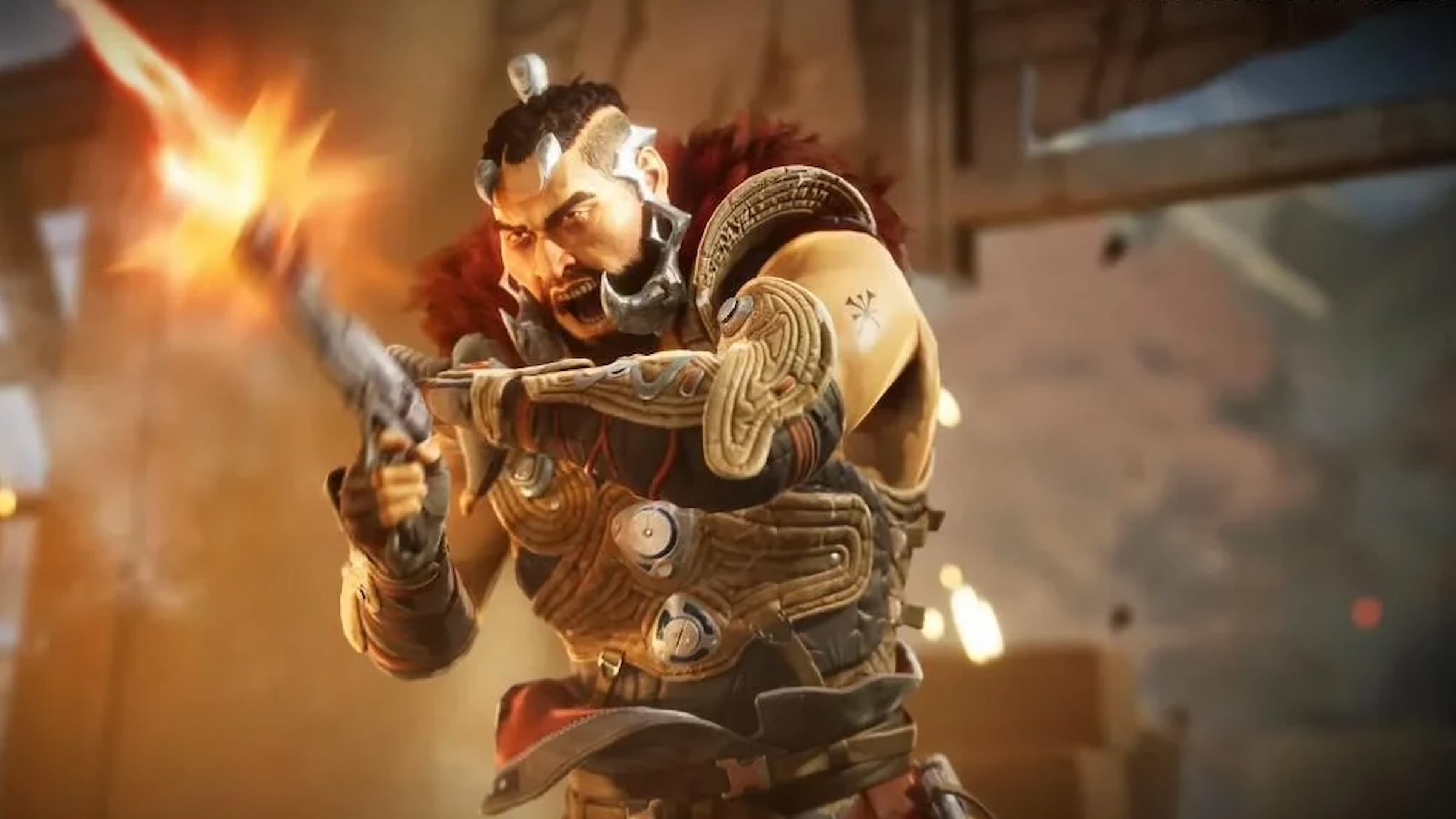
Shooter games are always evolving, and recently, the focus has been on making them faster, bigger, and more visually impressive. Games now feature quicker movement, larger maps, and faster combat. While some of these changes have been popular, they’ve also alienated some players. Many feel that modern shooters are becoming too similar, chasing trends instead of developing unique personalities. Popular features like battle royale modes, special character abilities, and games that are constantly updated often overshadow slower, more strategic gameplay and clear, precise controls.
In 2026, several new shooting games are set to launch, and they have the potential to redefine the genre. These games are innovating by bringing back classic gameplay elements, using level design to tell stories in new ways, and reimagining how players advance and keep coming back for more. With features like deliberate, tactical combat, roguelike elements, and unique multiplayer concepts, these five upcoming titles could significantly change the future of shooting games.
Highguard
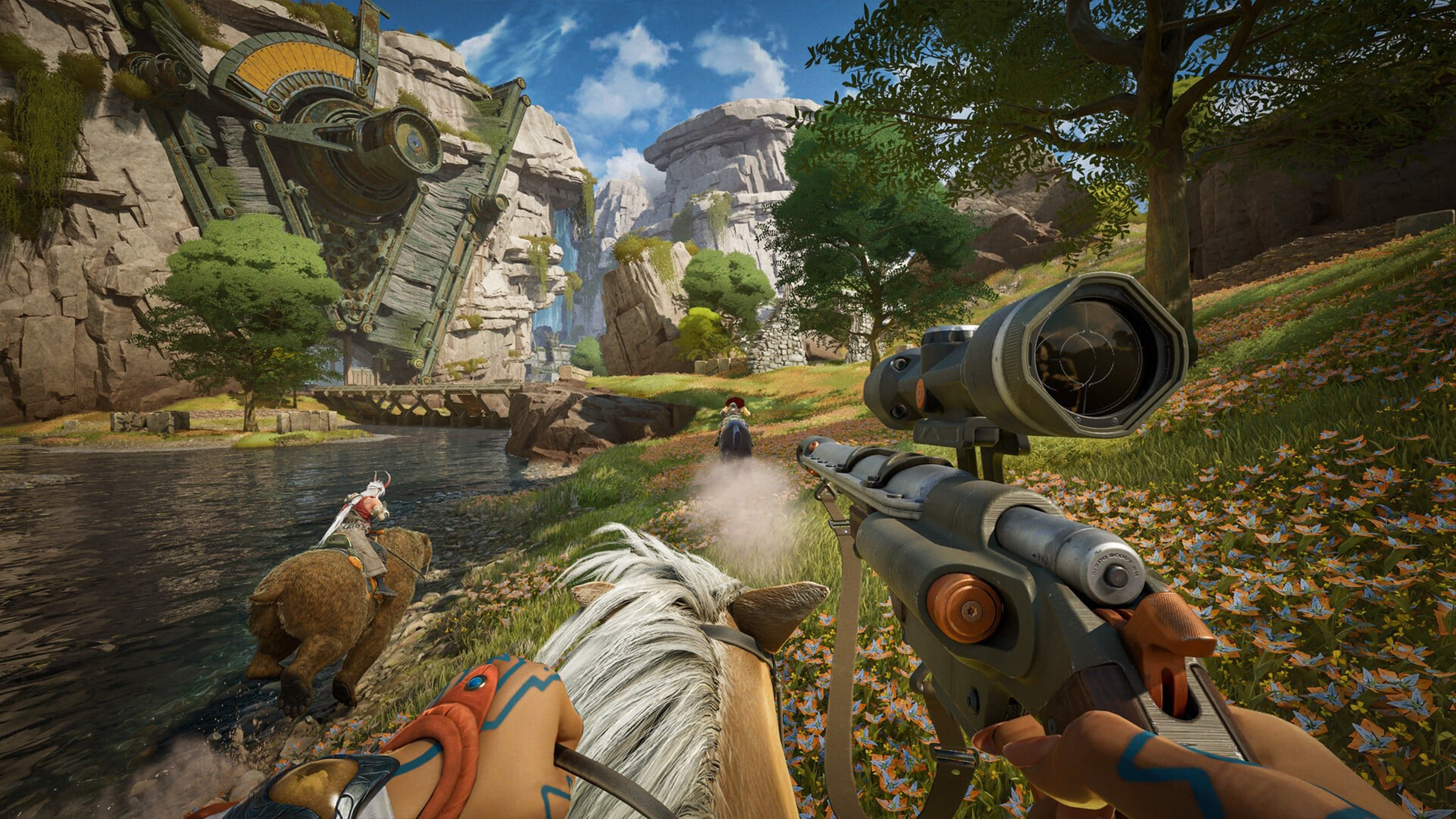
Highguard is a promising new shooter that offers a unique twist on the hero shooter genre. Instead of relying on flashy powers and constant action, it prioritizes teamwork, strategic positioning, and controlling the map. The game aims for deliberate, tactical battles where smart choices and good positioning are key to success.
This game is a team-based shooter where two teams compete against each other. The core gameplay revolves around capturing an objective, then using it to destroy the enemy team’s base. Players need to work together and utilize each character’s unique skills to win. The game’s design, with its focus on high ground, clear lines of sight, and narrow passages, is specifically made to reward teamwork over individual skill.
If Highguard does well, it could inspire a new wave of team-based shooters that emphasize smart tactics over quick reflexes. Marvel Rivals is currently popular, but it has some flaws. A game that rewards players for completing objectives, instead of just getting kills, could be a major step forward for the genre. Whether Highguard can deliver remains to be seen.
Witchfire
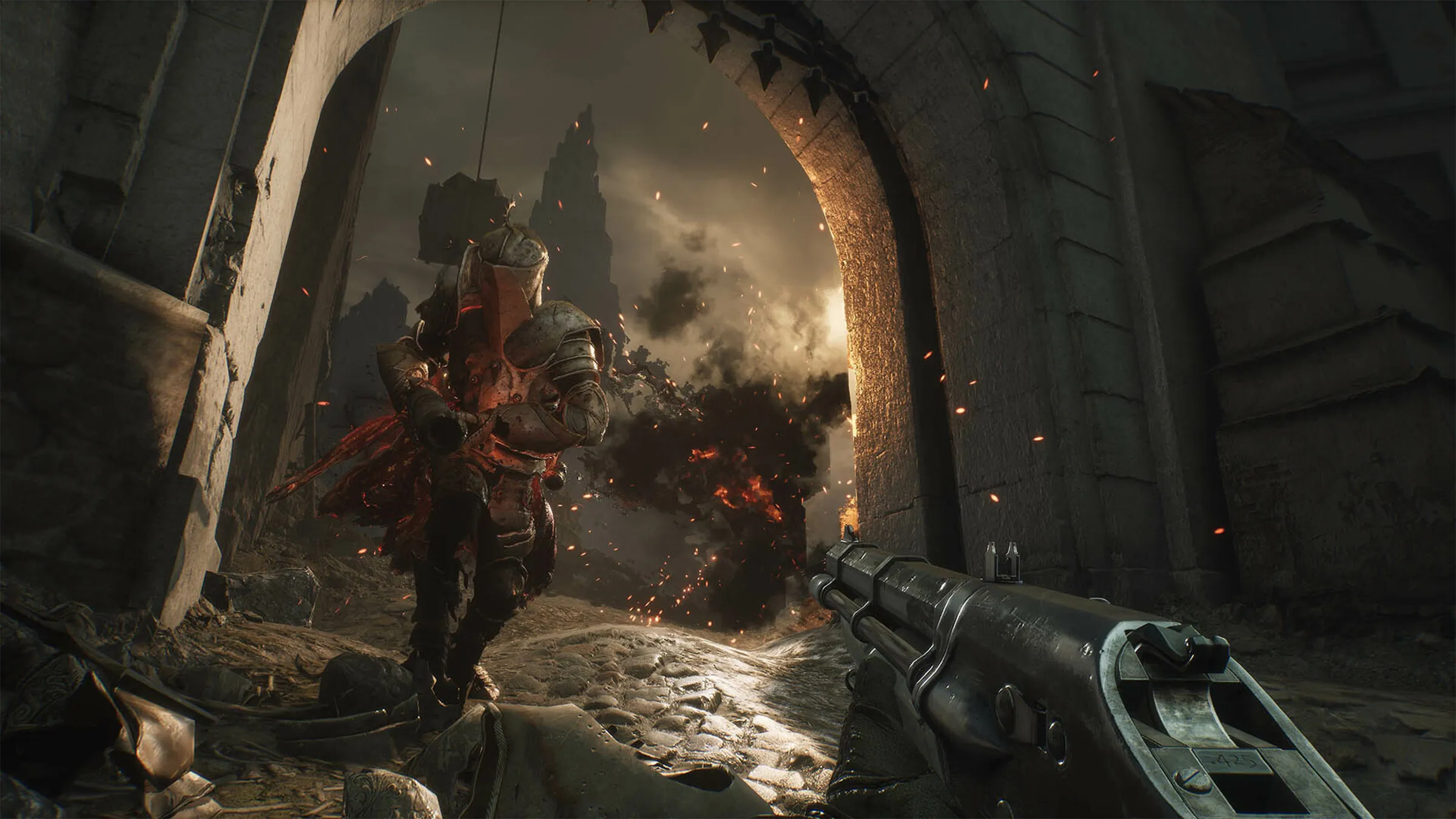
Witchfire combines the fast-paced action of a shooter with the challenging replayability of a roguelike. You’ll battle waves of enemies, improve your skills with each attempt, and explore a dark, immersive world. The game is designed to be difficult, but fair, demanding precision and rewarding persistence. Expect a tense experience with a deliberate pace that keeps you on the edge of your seat.
Everything in the game has a real impact. Weapons feel powerful and substantial, enemies pose a genuine threat, and errors can be severely punished. It’s not about feeling invincible; instead, it’s a game that rewards careful planning and knowledge of how enemies move and the layout of each area. This focus on strategy has become even clearer as the game has been developed and improved through early access.
Witchfire’s design, built around repeated runs with permanent upgrades, keeps the game consistently challenging. Every attempt helps you learn and improve your skills. Unlike games like Returnal and Saros which focus more on story, Witchfire prioritizes deep gameplay mechanics, letting its roguelike elements truly stand out.
Marathon
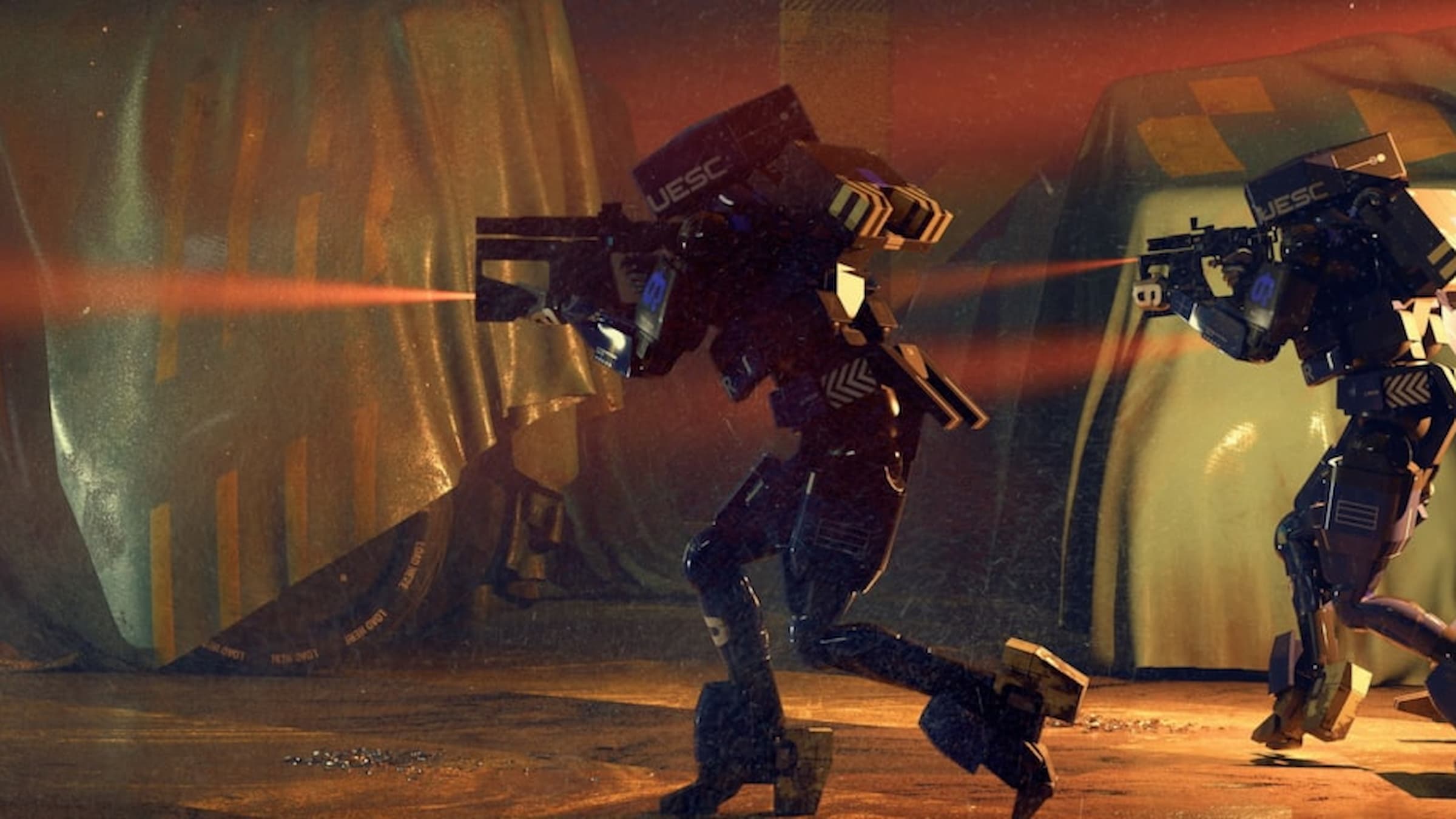
Marathon is a highly anticipated shooter, especially following the positive reception of Arc Raider. Despite some concerns about Bungie’s recent issues, many shooter fans are really looking forward to this game. The original Marathon series was known for its immersive story, told through in-game terminals and detailed environments, creating a rich sci-fi world. This new version keeps that storytelling spirit but reimagines it as a competitive extraction shooter.
What makes Marathon potentially groundbreaking is its innovative use of maps to tell a story. Bungie has made it clear that the game’s environments aren’t just places to battle—they’re rich with lore, history, and opportunities for players to influence the narrative. This builds on Bungie’s past successes while adapting them for a multiplayer experience.
I’ve always felt like a lot of extraction shooters focus too much on the intense player-versus-player action and not enough on actually telling a story. But this game, Marathon, seems different. It’s trying to blend that thrilling, high-stakes gameplay with a real narrative, and if it pulls it off, it could totally change how competitive shooters handle storytelling – without all the traditional cutscenes or single-player modes. As someone who loved Bungie’s old world-building, it honestly feels like they’re getting back to what they do best, but with a much more modern approach.
Saros
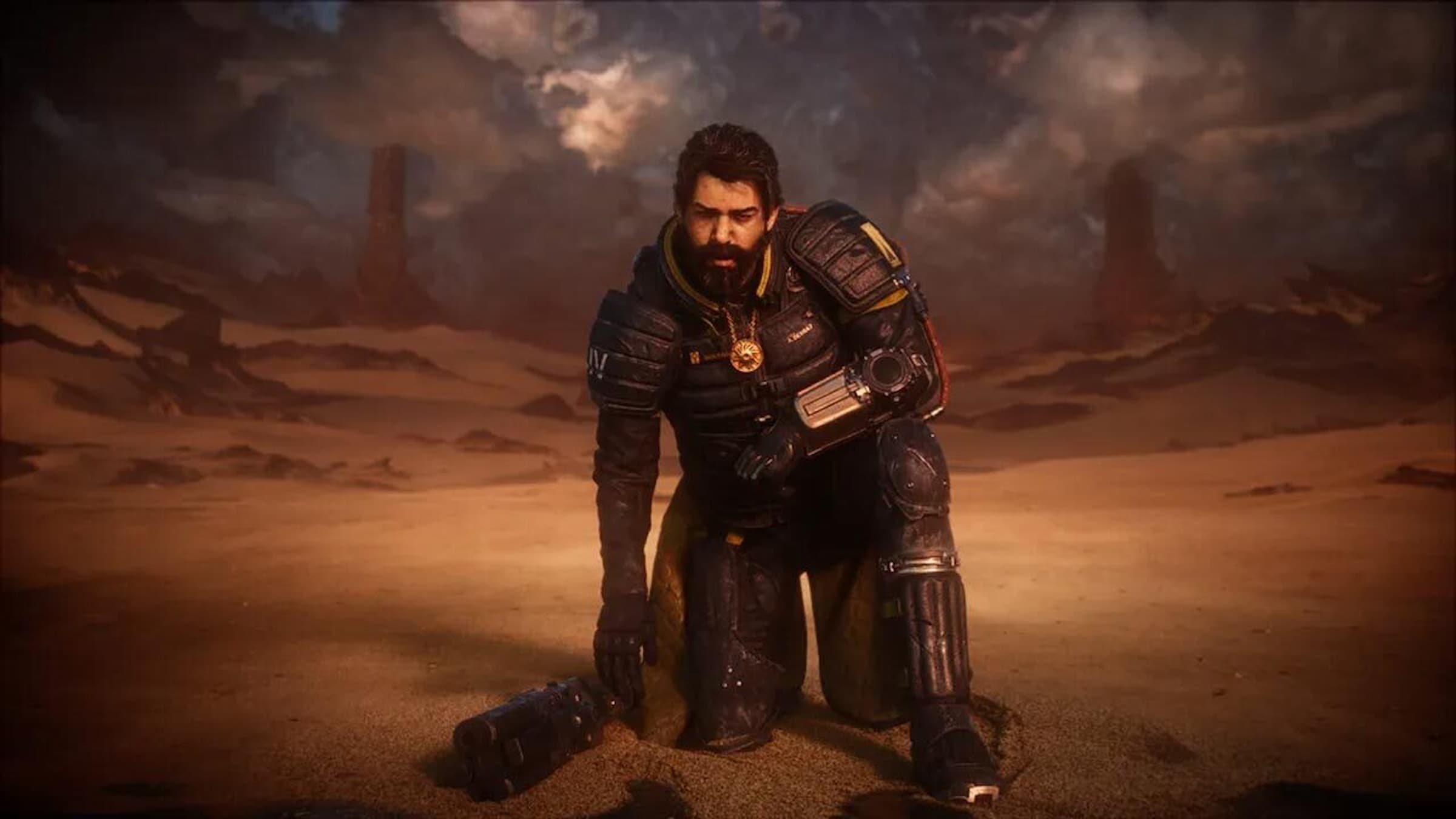
Saros is the upcoming sequel to Sony’s critically acclaimed game, Returnal. Returnal uniquely combined a compelling story with fast-paced shooter gameplay. Saros aims to build on that success by making the game easier to pick up and play while also offering a more expansive experience. If it’s as enjoyable as Returnal, fans of the shooter genre are in for something special.
One of the most appealing aspects of Saros is its unpredictable, roguelike world. Levels change constantly, forcing players to quickly assess their surroundings. Players will also need to become skilled with a diverse range of weapons, all of which can be customized. Each arena features puzzles to solve, and the game’s story is woven into its repeating gameplay loop. While details are limited, House Marque demonstrated with Returnal how well these concepts can be brought to life.
If the game Saros is similar to Returnal, players can anticipate a shooter where the levels, enemy positions, and surroundings all contribute to the story without relying on cutscenes or lots of explanation. In a genre that often uses obvious markers and pre-planned events, Saros has the potential to bring back a focus on more nuanced and atmospheric storytelling. If it does well, it could change how shooters tell stories in the future.
Gears of War: E-Day
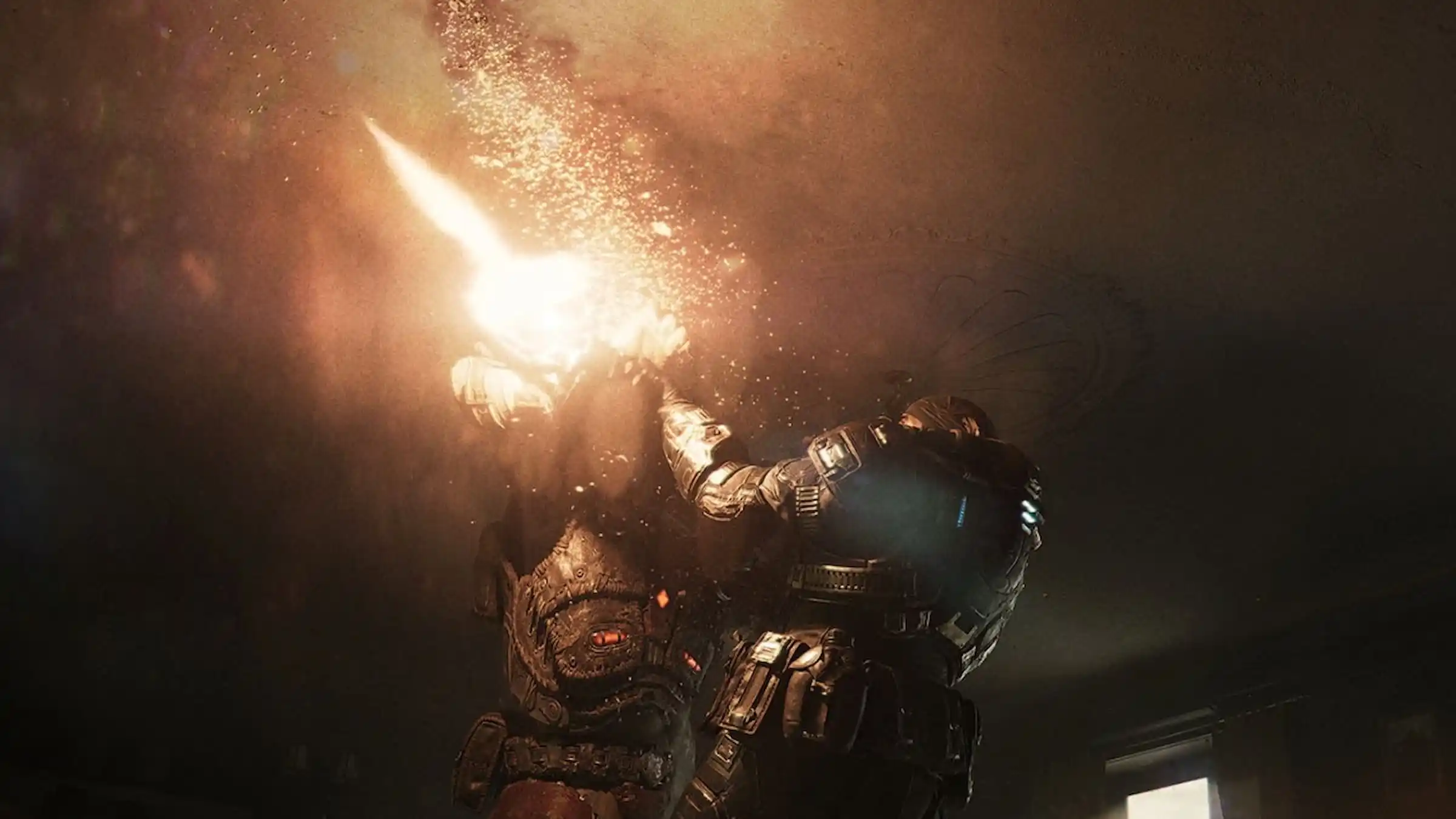
Gears of War: E-Day could bring back the strategic cover-based shooting that many modern games have moved away from. The original Gears of War was a pioneer in third-person shooters, focusing on smart positioning, careful movement, and a slower, more thoughtful pace. However, even the later games in the series started to prioritize faster, more action-packed combat.
Set at the very beginning of the Locust invasion, E-Day feels like a fresh start for the series, both in its story and how it plays. It emphasizes struggling to survive with few supplies, and working together as a team – elements that fans loved about the original games. Taking cover isn’t just helpful, it’s essential, which makes the gameplay more intense and strategic.
With many modern shooters focusing on fast movement and quick reactions, a return to the slower, more deliberate combat of Gears of War: E-Day could inspire other game creators to reconsider how they design gameplay. If the game is successful, it might show that players still enjoy shooters where careful planning and good positioning are more important than simply having fast reflexes.
What do you think? Leave a comment below and join the conversation now in the ComicBook Forum!
Read More
- Gold Rate Forecast
- 10 Greatest Manga Endings of All Time
- 10 Most Powerful Versions of Superman, Ranked
- 10 Best Free Games on Steam in 2026, Ranked
- Forza Horizon 6 Car List So Far: Confirmed Highlights, Cover Cars, DLC, and Rewards
- 38 Years Later, Murder, She Wrote’s Most Overlooked Episode Still Pulls Off TV’s Greatest Crossover
- Mark Zuckerberg & Wife Priscilla Chan Make Surprise Debut at Met Gala
- Elon Musk’s Ex Ashley St. Clair Reveals When Romance Became “Weird”
- Forza Horizon 6 PC Issues: Fix Crashes, Stuttering, Steam Errors, and Game Pass Problems
- Why There’s No New Episode Of From S4 This Weekend (May 24) & When The Show Returns
2026-01-14 02:14