Danny Boyle and Alex Garland’s original film, 28 Days Later, redefined the zombie genre with its fast-moving Rage virus. They continued to surprise audiences with 28 Years Later, introducing compelling new characters like Spike, Dr. Ian Kelson, and the followers of Jimmy. Now, director Nia DaCosta (known for Candyman and Hedda) takes the series in a completely new and captivating direction with The Bone Temple. I was hooked from beginning to end.
28 Years Later: The Bone Temple
Here are the details for the film: It will be released on January 16, 2026, and is directed by Nia DaCosta with a screenplay by Alex Garland. The film stars Ralph Fiennes, Jack O’Connell, Alfie Williams, Erin Kellyman, Chi Lewis-Parry, and Cillian Murphy. It is rated R for strong bloody violence, gore, graphic nudity, language, and some drug use, and has a runtime of 109 minutes.
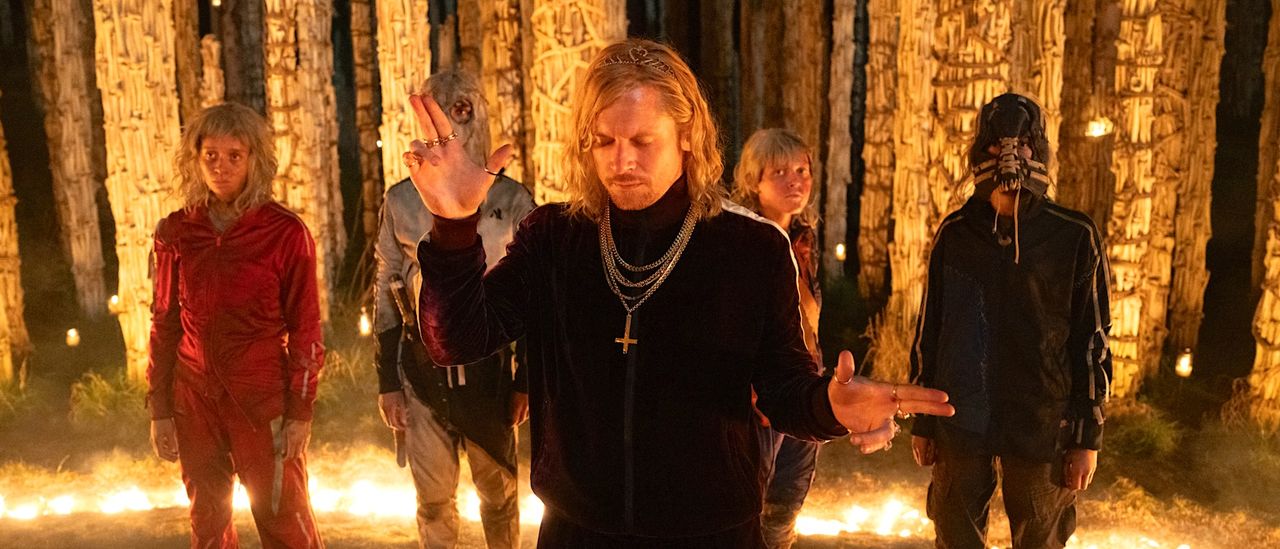
Where the previous film started in a completely unfamiliar setting, 28 Years Later: The Bone Temple immediately throws viewers back into the thick of things, focusing on the terrifying situation of Alfie Williams’ character, Spike, being taken under the control of Jack O’Connell’s Sir Lord Jimmy Crystal. It’s easy to relate to Spike’s struggles as he’s constantly facing danger, especially considering how erratic and ruthless the leader of the group is, continuing his reign of terror – which he ironically calls “charity.”
Most of the central characters from 28 Years Later didn’t survive, including Isla (played by Jodie Comer) and Jamie (Aaron Taylor-Johnson), as well as the rest of the group from the island. However, Ralph Fiennes returns as Dr. Kelson, and Chi Lewis-Parry reprises his role as the imposing infected alpha, Samson. The film also features graphic nudity, not just from Samson and other infected individuals, but also a new, uninfected character.
As the last film showed, this world is in chaos, and survival isn’t guaranteed. Luckily, moviegoers don’t share that fate. However, the film’s intense scenes were so unsettling that I might flinch the next time I see someone wearing a tracksuit and gold jewelry.
Nia DaCosta and Alex Garland know we’re familiar with this world’s horrors, and they successfully shift the focus accordingly.
It’s common for horror sequels to simply repeat the ideas from the first film, and that rarely results in a good movie. Considering how much effort went into establishing the world of 28 Years Later, I would have understood if the creators of The Bone Temple had played it safe and followed a familiar formula. However, they took a risk and created something completely fresh, sending even established characters and concepts in unexpected directions.
Do you remember the thrill of the infected rampaging through London, or watching Samson brutally tear an enemy apart? While those intense moments still happen, they’re now used more to connect scenes and highlight how much things have changed.
The confident and resourceful Spike from the first movie is now a broken version of himself, hiding under a wig he’s forced to wear. Like the second Star Wars film, this shows our hero at his weakest, struggling to fight off even his less powerful opponents. While it’s not always enjoyable to see him like this, it’s an important step in his development and the story’s progression – and the same is true for Dr. Kelson. But first, we need to talk about Sir Lord Jimmy Crystal.
I love hating the Jimmy cult, and Jack O’Connell’s Sir Lord Jimmy Crystal is now an all-time horror villain.
Jack O’Connell recently stood out in a summer film as Remmick, a disturbingly subtle vampire. This followed his portrayal of Jimmy Saville, a charismatic but deeply unsettling figure. O’Connell completely transforms for this new role, playing Sir Lord Jimmy, a selfish and arrogant con artist who pretends to be more intelligent than he is. The character is so openly unpleasant that it’s surprisingly enjoyable to root against him throughout the movie, as he seems to imagine his life as a true crime story.
Sir Lord Jimmy is a truly memorable movie villain, ranking among the best in any genre. From the very beginning, he aggressively challenges Spike’s loyalty, and throughout the film, we see the surprisingly human side of this charismatic but dangerous leader. He’s full of memorable lines, often delivered in a chilling group chant, and just when you think he can’t get any more ruthless, he proves you wrong – usually with shocking violence. His signature symbol, an inverted cross, appears frequently, and its presence is as predictable as the warmth of the sun.
The villain clearly contrasts with the group of troubled young people he leads, all of whom have been damaged by difficult experiences. Jimmy Ink, played by Erin Kellyman, is likely the most intelligent of the group, though his past and beliefs reveal a generally low level of critical thinking. Jimmima, portrayed by Emma Laird, seems the most deeply hurt, which leads her to act out, sometimes expressing herself through dances reminiscent of the children’s show Teletubbies.
One of the joys of this story is seeing why everyone despises each other. Jimmy Fox, Jimmy Snake, and Jimmy Jones all represent different types of villains, and the story doesn’t shy away from showing them getting what they deserve. Viewers will find themselves feeling much more sympathy for those targeted by the particularly ruthless Sir Lord Jimmy.
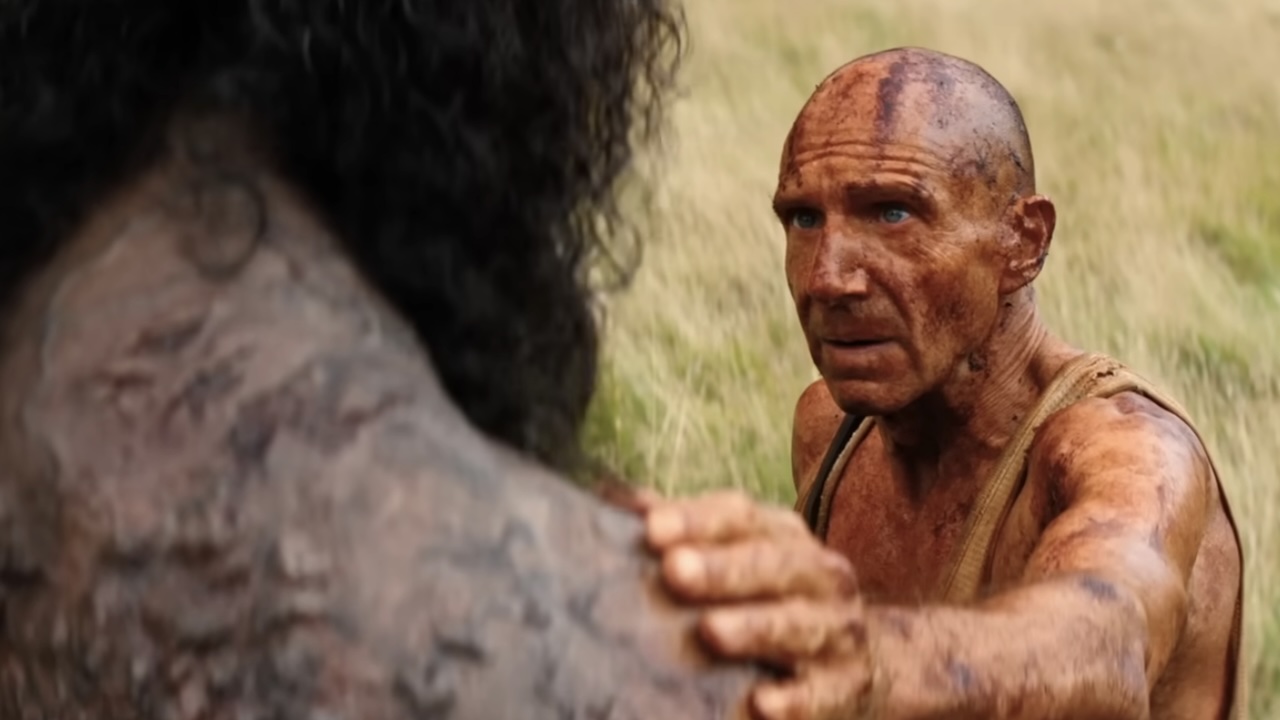
Ralph Fiennes Dr. Kelson takes the story into hallucinatory and unexpected directions that make future sequels all the more welcome.
Comparing these characters to films, Spike’s story feels like a trafficking thriller, Sir Lord Jimmy embodies the chaotic negativity of The Purge, and Dr. Kelson’s journey is similar to Oliver Stone’s The Doors, but with a comedic twist reminiscent of the Doorsparody scenes in Wayne’s World 2. Alternatively, thinking about Danny Boyle’s style, it’s like Nia DaCosta took Ralph Fiennes’ character from a film about collecting bones and placed him in a dreamlike world similar to Trainspotting*, but with a more significant and meaningful goal than simply indulging in drugs.
Kelson is still trying to connect with the dangerous Samson, hoping to find any signs of remaining human compassion. He struggles to remember his life before the virus, but continues his difficult mission for reasons beyond mere survival. This provides some compelling possibilities for where the story could go next.
Ralph Fiennes delivers a stunning performance, building on the mysterious and unsettling energy that made his character so memorable last year. This time, however, he also brings a surprising, almost childlike joy to his interactions with everyone – even those who oppose him. There’s one scene in the final act that’s already a strong contender for the best of the year, and if Fiennes doesn’t receive an award nomination for it, I’ll be seriously upset.
Honestly, if 28 Years Later: The Bone Temple had just stayed focused on that incredible skull pile Kelson built, I probably would have given it the same rating. But Nia DaCosta really expanded the scope, and I’m so glad she did. It’s a genuinely tense, surprisingly emotional, and even darkly funny film – and yes, it’s also got some seriously shocking moments, including… well, let’s just say things get graphic. It’s so good, I’d jump to my feet and applaud, but honestly, I’m a little too worried about attracting any nearby infected!
P.S. Cillian Murphy. That’s the post-script.
Read More
- Adam Levine Looks So Different After Shaving His Beard Off
- Trails in the Sky 2nd Chapter launches September 17
- After AI Controversy, Major Crunchyroll Anime Unveils Exciting Update
- Xbox Game Pass Users “Blown Away” by New Exclusive Game
- Dialoop coming to Switch on June 17
- Japan’s No. 1 Spring 2026 Anime Is the True Successor to an All-Time Great
- Gold Rate Forecast
- Steam Makes Sci-Fi Game 100% Free for 72 Hours
- Upcoming Movie Based on 10/10 Fantasy Masterpiece Gets a Release Date & Exciting Cast Update
- Paradox codes (April 2026): Full list of codes and how to redeem them
2026-01-14 03:43