
Think about how many stories feature a “Chosen One.” For years, science fiction has presented this idea – a special person destined to save the day – as reliably uplifting and satisfying. We watch them fulfill their destiny, defeat the bad guys, and restore order, often without considering the bigger picture. But this formula has become predictable. Few stories bother to ask what happens after the hero succeeds. What if an entire civilization blindly follows a single leader? What if faith, power, and conflict become mixed up in the name of being saved? That’s when the story moves beyond simple entertainment and actually makes you think.
The story of Anakin Skywalker – the ‘Chosen One’ destined to bring balance to the Force – is well-known in Star Wars. While the idea was compelling, the main films never fully delved into the complexities of that prophecy, focusing instead on Anakin’s personal struggles and eventual redemption. A highly anticipated new film is now attempting to explore this potentially rich and mature storyline in a more thorough and meaningful way.
Dune: Part Three Will Deliver the Most Mature Take on the Chosen One Story

Following the success of Dune and Dune: Part Two, Denis Villeneuve’s epic saga will continue in 2026 with its third installment. This film will conclude the planned trilogy, adapting Frank Herbert’s Dune Messiah. The story will directly address a crucial point many viewers hadn’t fully considered: Paul Atreides (Timothée Chalamet) isn’t a typical hero. Set several years after the previous film, the new movie shows Paul as a firmly established emperor and the central figure of a galaxy-wide religious war. Billions have died in his name, and the film will focus on the consequences of this, making it the central conflict of the story.
What really grabbed me about this story isn’t the usual space battles or taking over planets. It’s about watching Paul, this guy who gets the monster he unintentionally unleashed, slowly fall apart. He’s not some innocent pushed around by destiny, either. He knows his whole heroic image was built on centuries of religious trickery, but he used it anyway to get ahead. Now, he’s stuck playing the part, and he’s starting to realize you can’t rule an empire founded on blind faith without making awful choices. It’s all just calculating the cost in lives, not about what’s right or wrong. Dune: Part Two did a fantastic job setting this up – especially with Paul’s incredible speech to the Fremen and those moments where he acknowledges his family history and warns his mother about the dark path ahead.
These moments are key because they represent a major shift in how the audience sees the character. After this point, the story isn’t about whether the character accepts their fate, but about them realizing and intentionally using their power. The narrative emphasizes that any upcoming conflict won’t be caused by external forces or naiveté, but by deliberate decisions made to maintain order and control. This setup allows a potential sequel to focus on the aftermath of the character’s choices, rather than explaining how they arrived at that point.
Why Star Wars Never Quite Pulls Off the Same Approach

It’s hard not to compare this story to Star Wars, but the comparison doesn’t favor George Lucas’s epic. Star Wars is simply the most well-known example of this type of story. Like Anakin Skywalker, this character is also prophesied to be special and causes widespread destruction. However, Star Wars consistently portrays Anakin’s downfall as a personal tragedy, minimizing the broader political and social consequences of his actions. His suffering ultimately serves as an excuse for what he did, particularly as the story focuses on his eventual redemption. In contrast, Dune offers no such redemption.
Herbert’s continuation of the Dune story doesn’t offer Paul a simple redemption or a glorious death to resolve the conflict. The consequences of the holy war he initiated continue to impact the universe, despite his personal turmoil. The narrative doesn’t focus on Paul’s morality, but rather on whether the circumstances that led to his power inevitably resulted in this outcome. It’s a pointed commentary on the tendency to view charismatic leaders as miraculous fixes – a theme that resonates even outside the realm of science fiction.
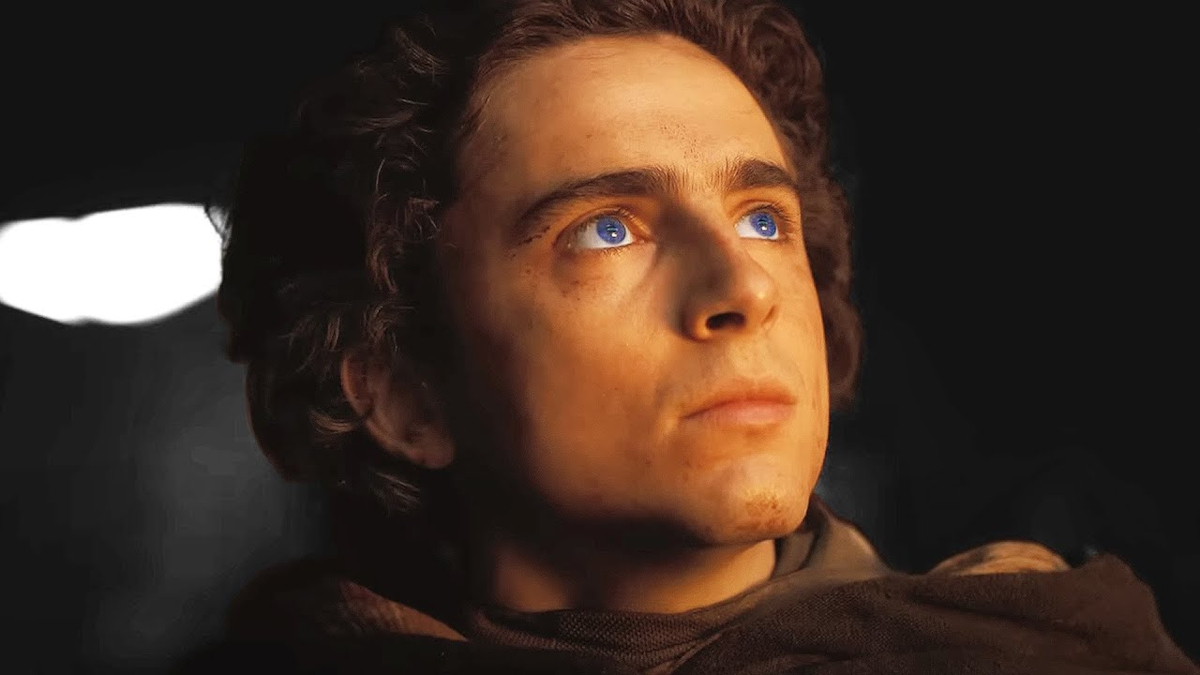
What really struck me about Dune is how the characters surrounding Paul aren’t just there for emotional support – they actively challenge his beliefs. Chani, Zendaya’s character, isn’t just a love interest; she represents the growing distance between the Paul we first met and the powerful figure he’s becoming. And Irulan, Florence Pugh’s character, is all about politics – she’s willing to do anything to preserve the empire, even if it means supporting a religious charade. What’s so compelling is that these relationships aren’t idealized at all. They’re often strained, awkward, and feel like calculated moves, really highlighting how power can destroy even the closest connections. It’s a stark contrast to Star Wars, which often uses love and loyalty to save the day. Dune sees relationships as losses in the pursuit of power, not solutions.
Even before the new movie comes out, we can already predict its direction. The first film, Dune: Part Two, made it clear it wouldn’t shy away from difficult themes. It already showed a significant and believable change in its main character, moving him beyond the typical ‘anti-hero’ label. By the end, Paul wasn’t just a hero – he was portrayed as a threat because he was more aware of the political landscape than anyone else. This shift turns Dune into more of a political thriller than a standard space opera, which is a major reason it stands out from other big franchises. This unique approach explains why audiences loved it and why the next installment is so eagerly awaited.
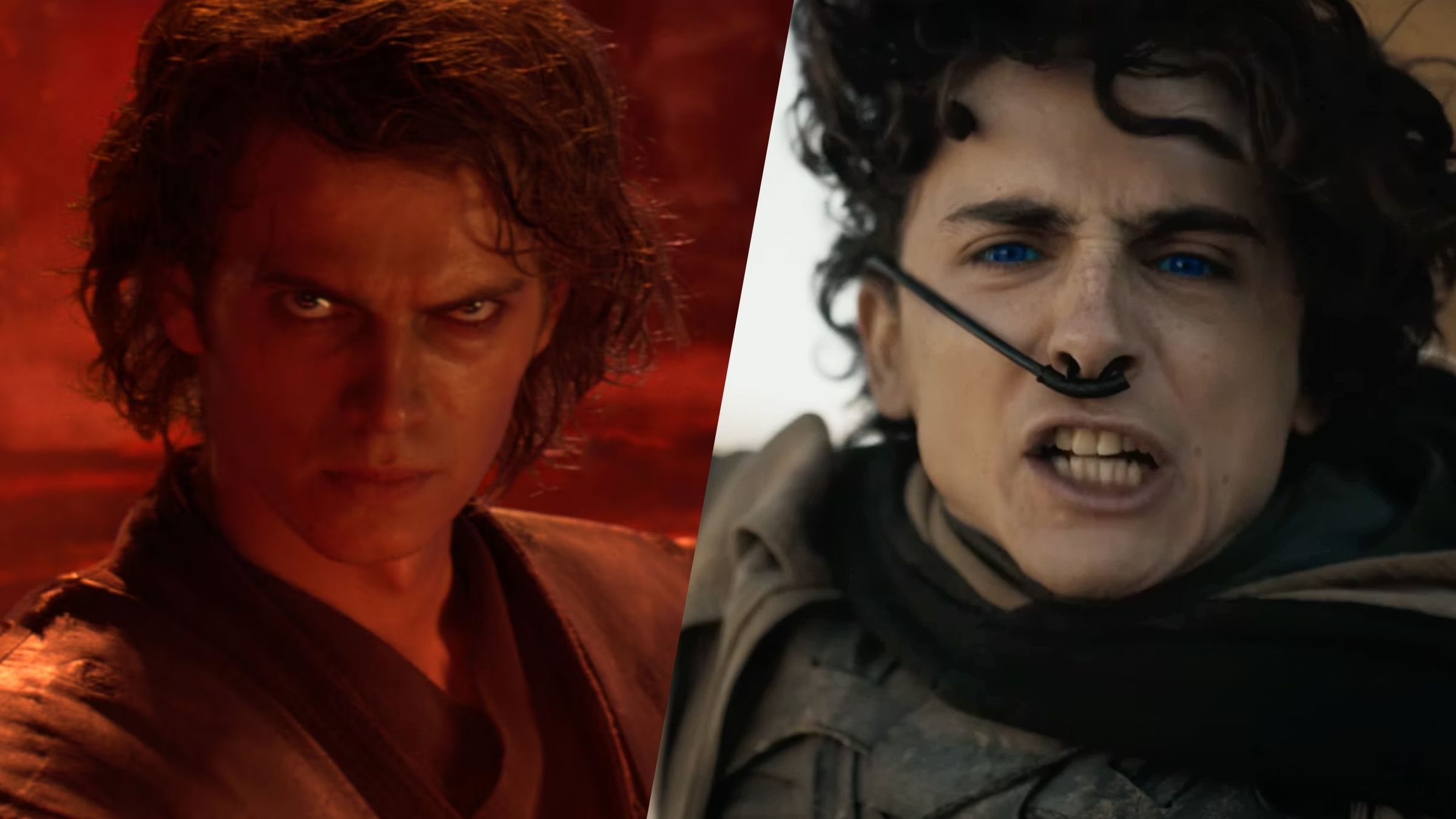
Unlike Star Wars, which focused on themes of hope and finding balance, Dune: Part Three seems determined to challenge those very ideas. The film suggests that what appears to be balance is actually a kind of oppressive standstill, and that faith isn’t about comfort, but about power. It also rejects the idea of a single hero, portraying it instead as a sign of a society clinging to false hope. This willingness to be honest with the story and the audience could make Dune truly stand out, elevating it beyond a typical trilogy conclusion and potentially setting a new benchmark for science fiction.
As a huge movie fan, I’m telling you, Dune: Part Three isn’t just good, it’s special. It manages to be a blockbuster that also has depth, which is rare these days. It proves you can entertain a wide audience without dumbing things down. But what really struck me is how it handles the ‘Chosen One’ trope. So many films try this, but Dune actually digs into the consequences and the damage that kind of destiny can leave behind. It’s brave, and it’s what makes it truly stand out. It feels like Denis Villeneuve isn’t just making a movie; he’s making a statement.
Dune: Part Three hits theaters on December 18.
What do you think? Leave a comment below and join the conversation now in the ComicBook Forum!
Read More
- FRONT MISSION 3: Remake coming to PS5, Xbox Series, PS4, Xbox One, and PC on January 30, 2026
- Taylor Sheridan’s Gritty 5-Part Crime Show Reveals New Final Season Villain
- The Boys Season 5, Episode 5 Ending Explained: Why Homelander Does THAT
- ‘The Bride!’ Review: Jessie Buckley Breathes Life into a Monstrous Mess
- Mark Zuckerberg & Wife Priscilla Chan Make Surprise Debut at Met Gala
- From season 4 release schedule: When is episode 2 out on MGM+?
- Welcome to Demon School! Iruma-kun season 4 release schedule: When are new episodes on Crunchyroll?
- How to Build Water Elevators and Fountains in Enshrouded
- Ashley’s Powers in The Boys Season 5 Explained & Why They Don’t Work On [SPOILER]
- Anna Wintour Reacts to Rumors She Approves All Met Gala Looks
2026-01-14 20:13