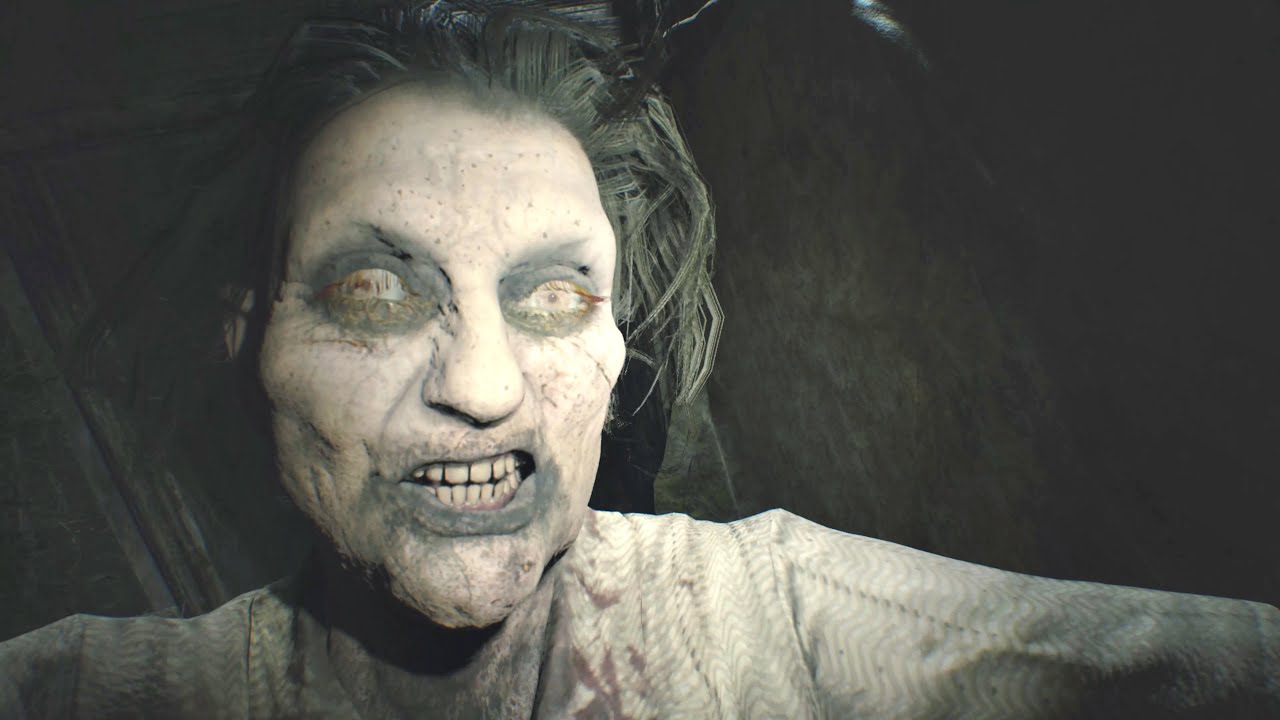
The Resident Evil series is a true legend in the gaming world, with over a dozen games released over the past two decades. It continues to be popular, with several new installments planned for the next few years. This article will take a look back at Resident Evil 7.
This isn’t a typical look back at the game. Instead, we’re evaluating it as if it were released today, in 2026. We’re setting aside its historical impact on the series and how it changed things, and focusing solely on how it holds up as a game in the current market.
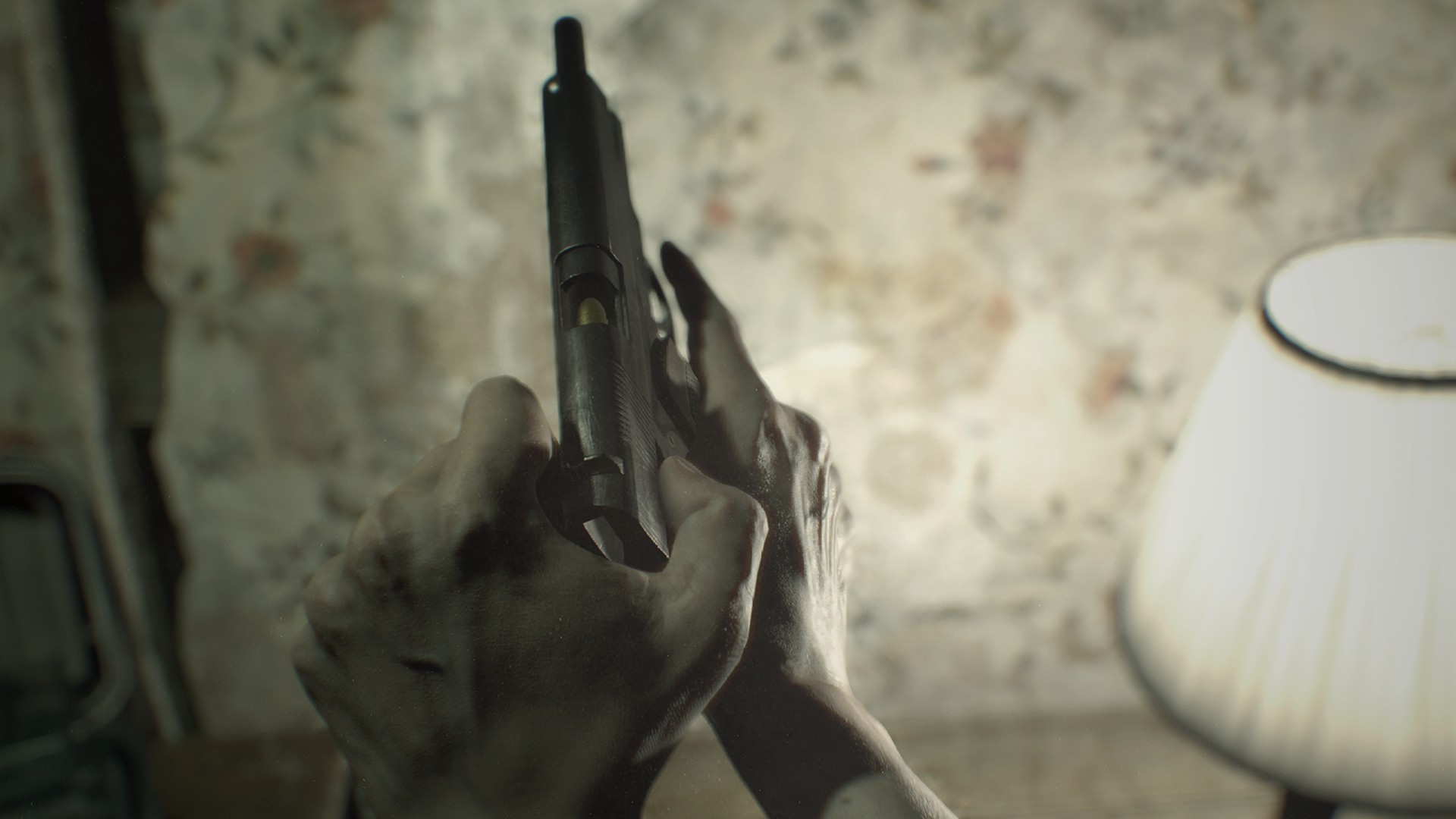
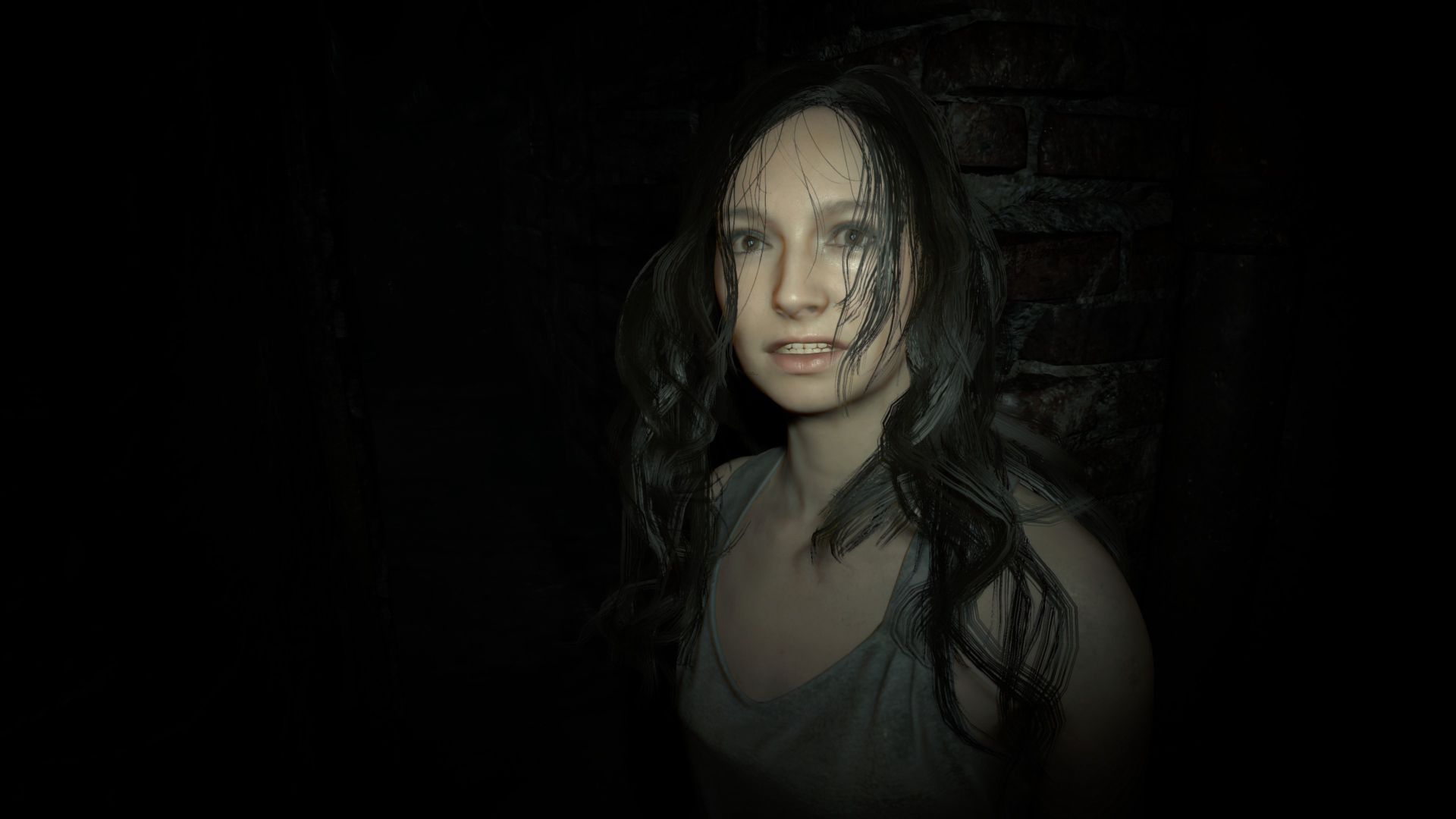
Resident Evil 7 takes players to the eerie Baker Mansion, a rundown plantation hidden in the Louisiana swamps. You play as Ethan Winters, an ordinary man searching for his wife, Mia, who disappeared years ago. What starts as a rescue mission soon turns into a terrifying experience as Ethan encounters the dangerous Baker family and a horrifying biological threat hidden within the mansion’s decaying walls.
The story will feel instantly recognizable to fans of the Resident Evil series, and it works very well. It starts as a deeply personal search for Ethan’s wife, Mia, but predictably expands into something much bigger. Like previous RE games, it soon involves the Umbrella Corporation and transforms a scary situation into a widespread biohazard outbreak.
Okay, so the writing isn’t going to win any prizes, and sometimes the dialogue feels a little cheesy and predictable. But honestly, I didn’t mind at all! What this story does really well is create a creepy, unsettling atmosphere that just builds and builds, and that’s what kept me invested. The story flowed really well, and there were enough surprises along the way to keep me totally hooked. It’s not perfect, but it’s a really effective and enjoyable ride.
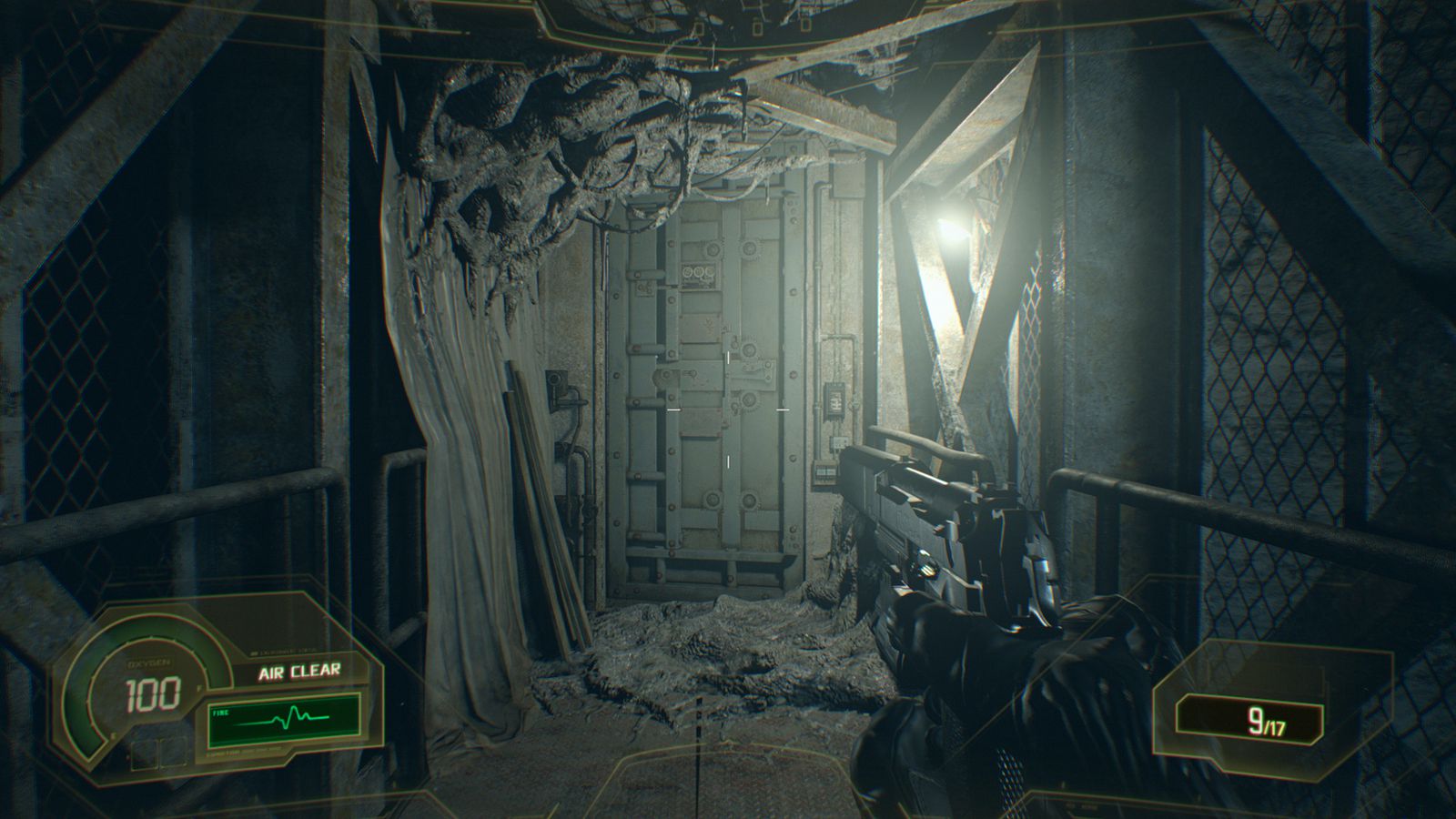
In terms of moment-to-moment gameplay, Resident Evil 7 focuses on exploring, solving simple puzzles, and fighting to survive. This core loop is still engaging today. Ammunition is limited, which fits the survival horror theme, and healing items are valuable, making each fight feel deliberate – you really have to think before acting. Unlike some of the more action-packed games in the series, Resident Evil 7 doesn’t let you feel strong or overpowered. Even towards the end, you’re constantly struggling, finding creative solutions, and carefully managing your resources. This feeling of vulnerability is something many modern horror games try to achieve, but Resident Evil 7 maintains it remarkably well.
When it first came out, using a first-person viewpoint was a risky move, but now it feels like a smart design choice. Many modern horror games have adopted this approach, and it’s clear why. It creates a strong sense of immersion, perfectly matching the game’s personal story. Everything—tight hallways, quick turns, and disturbing details—feels intensely close and unsettling. Even now, in 2026, with first-person horror being common, this game remains notable for how carefully it builds tension using perspective, avoiding simply overwhelming players with too much stimulation.
Even though the game isn’t focused on quick action or many enemies, the controls feel good. Movement is slower and a bit rigid on purpose – this actually adds to the tense atmosphere, making you feel vulnerable and hunted. While managing your items can be a little awkward at times, it emphasizes the struggle to survive without being overly frustrating. A quick turn feature helps keep you agile during chases and tough boss battles.
The game’s enemy design remains a strong point. While the Molded aren’t very different in appearance, they appear infrequently enough to stay interesting. What really stands out is the Baker family, who feel like a constant, looming threat instead of typical boss battles – similar to Mr. X from the original Resident Evil 2. Jack Baker’s early appearances are particularly effective; he’s an invincible enemy who relentlessly pursues you. His unpredictable movements, taunting lines, and ability to invade seemingly safe areas create a truly unsettling experience that’s hard to find in many newer games.
The combat in Resident Evil 7 isn’t about fast-paced action. Instead, it’s intentionally clunky, stressful, and often feels uncomfortable – and that’s actually one of the game’s best features, even if it takes some getting used to. Unlike many modern shooters, aiming feels deliberate, guns have strong recoil, and enemies don’t always react immediately to being shot. This often leads to messy, close-quarters fights where you’ll constantly question whether taking on an enemy is worth the trouble. This design extends to boss battles, which focus more on surviving a prolonged encounter than on skillful shooting. Fighting the Baker family emphasizes smart movement, positioning, and using your surroundings to stay alive. While some later bosses are a bit more traditional, the game consistently reinforces the idea that combat should be a last resort.
The game’s overall design strongly influences its limited but effective weapon system. While the number of weapons is small, each one has a specific use, emphasizing the game’s focus on survival. The handgun is good for keeping enemies at bay, the shotgun excels in close combat, and weapons like the grenade launcher offer temporary advantages rather than overwhelming power. Limited ammo makes even the strongest weapons feel fragile, and upgrades improve their usefulness without making the player too powerful. Unlike many modern horror games that lean into action, Resident Evil 7‘s deliberate, sometimes challenging combat and restricted weapon choices build tension and keep fear at the center of every encounter.
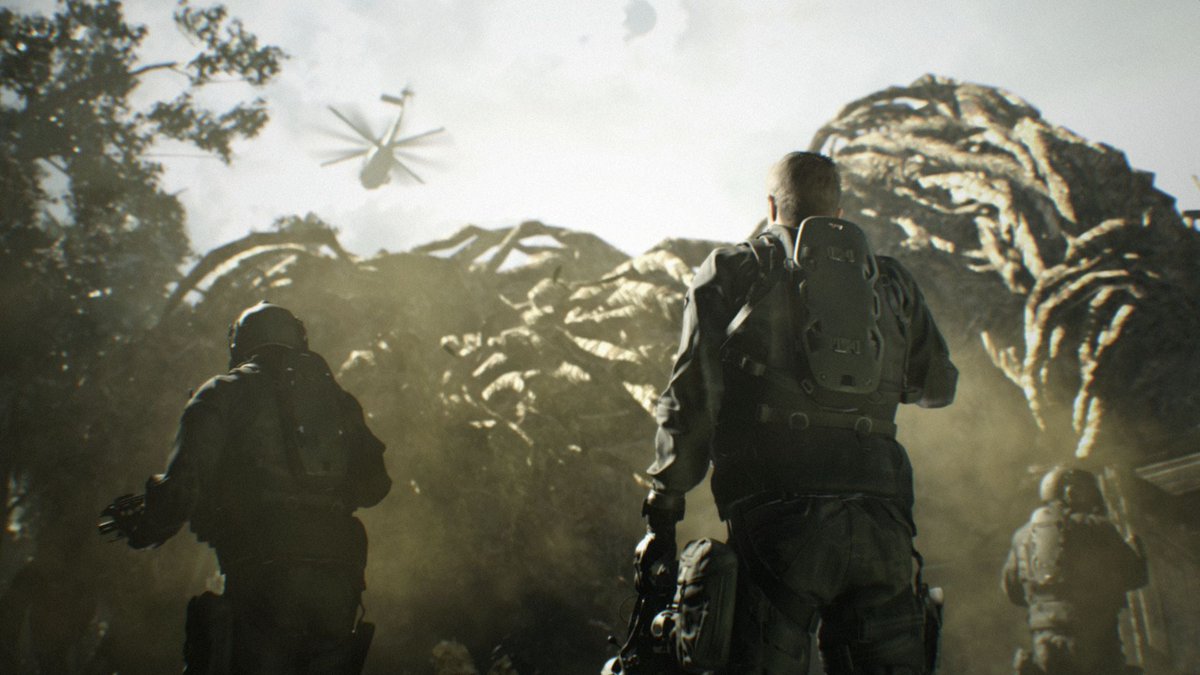
The game still looks fantastic, even years after its release. The RE Engine was a technical achievement when it first came out, and that’s even more obvious now. The lighting is still excellent, and the use of shadows really helps create a strong atmosphere. The textures, environments, and animations are surprisingly good, especially on today’s computers and consoles. While the character models aren’t as detailed as those in the newest games, that’s not a problem. The game’s overall art style is strong enough to keep everything visually engaging.
The sound design in Resident Evil 7 is particularly effective. It uses sound—from distant footsteps to creepy background noises—to build suspense and keep players on edge. The music is used sparingly, and sometimes isn’t there at all, which actually increases the feeling of dread. When music does play, it emphasizes scary moments without being overbearing. Even now, the game demonstrates a strong understanding that horror relies just as much on sound—and silence—as it does on visuals.
Looking at Resident Evil 7 on its own, it’s impressive how the developers created a genuinely good game instead of relying on familiar faces, nostalgia, or fan appeal. In a time when many horror games depend too much on cheap jump scares or flashy visuals, Resident Evil 7’s clear focus feels exceptional. Revisiting the game in 2026 shows it hasn’t just aged well – it’s still thriving. Even if you ignore its influence on the series and the horror genre as a whole, it remains a prime example of excellent survival horror design. Its incredibly tense atmosphere, careful pacing, and constant build-up of dread make it stand out as one of the best modern horror games available.
While the game has a few small issues, especially towards the end and some moments where the pace slows down, they’re easily overlooked considering its many strengths and well-planned design. Resident Evil 7 proves that solid gameplay holds up better than just relying on impressive visuals, and I’d give it a 9 out of 10. It’s a fantastic game worth playing, and you’ll likely enjoy it even more if you play it again.
The opinions shared in this article are the author’s own and don’t reflect the official stance of GamingBolt.
Read More
- Adam Levine Looks So Different After Shaving His Beard Off
- Trails in the Sky 2nd Chapter launches September 17
- After AI Controversy, Major Crunchyroll Anime Unveils Exciting Update
- Gold Rate Forecast
- Xbox Game Pass Users “Blown Away” by New Exclusive Game
- Dialoop coming to Switch on June 17
- Japan’s No. 1 Spring 2026 Anime Is the True Successor to an All-Time Great
- Upcoming Movie Based on 10/10 Fantasy Masterpiece Gets a Release Date & Exciting Cast Update
- PS2 Exclusive RPG Series Returning 20 Years Later With New Release
- New Reveal Proves Windrose Isn’t The Only Promising Pirate Game Coming Out In 2026
2026-01-15 14:13