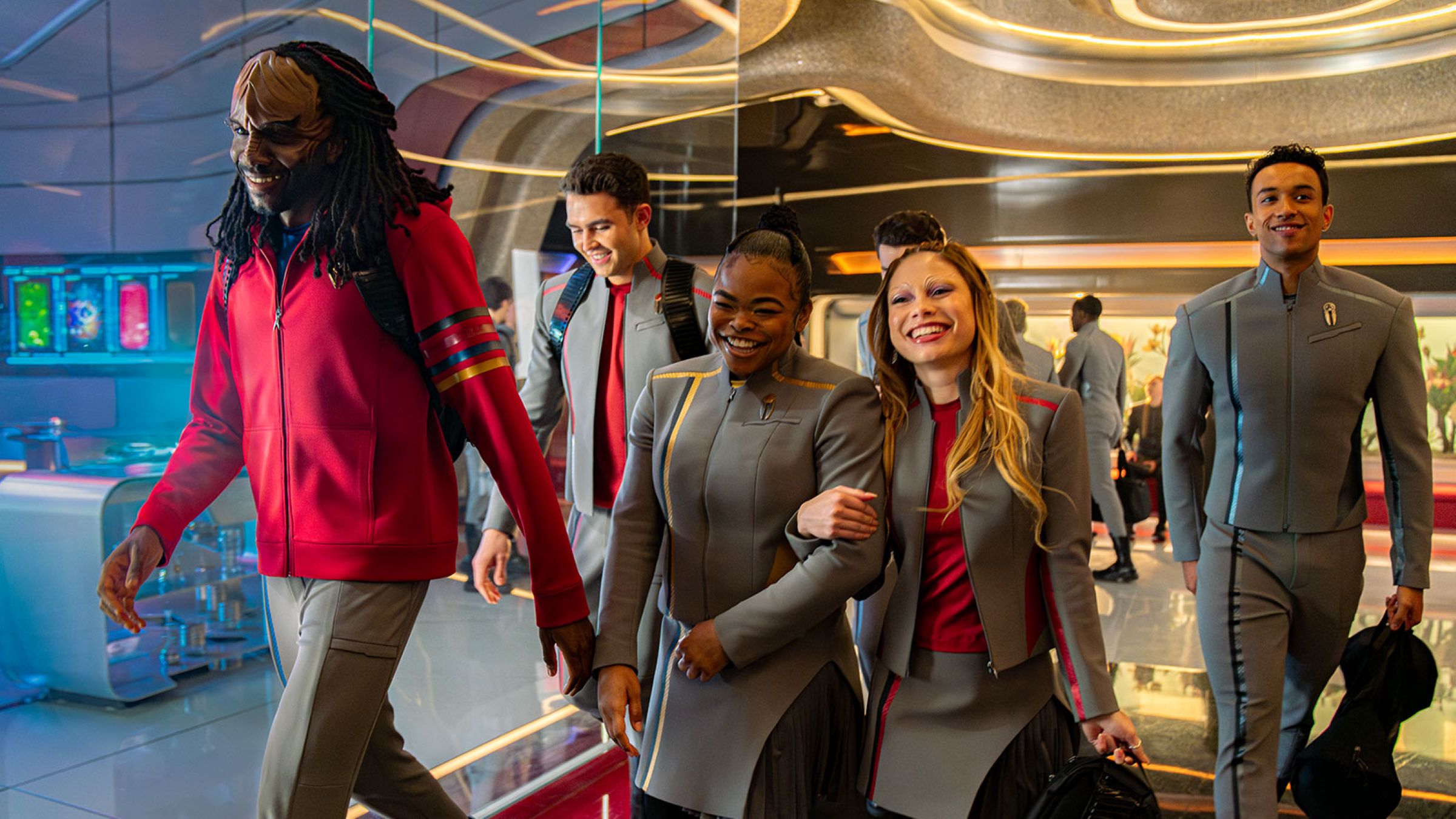
From the moment trailers and casting announcements for Star Trek: Starfleet Academy were released, the show faced the usual online criticism. Some fans immediately complained it was too different from previous Star Trek series, or that the franchise was losing its core identity. This kind of reaction has become predictable with every new Trek show. However, it’s not unique to Star Trek; major franchises like Doctor Who and Star Wars consistently face similar scrutiny when launching new content. While everyone is entitled to their opinion, and some criticism may be valid, it’s hard to believe that every new series is as terrible as some people claim.
It was too early to criticize the new series before anyone had even seen it, but now that the first two episodes are out, it’s clear this show isn’t a departure from what made Star Trek great. In fact, it feels like one of the most faithful interpretations of Gene Roddenberry’s original ideas the franchise has seen in a long time.
Gene Roddenberry’s Philosophy Was Never Neutral
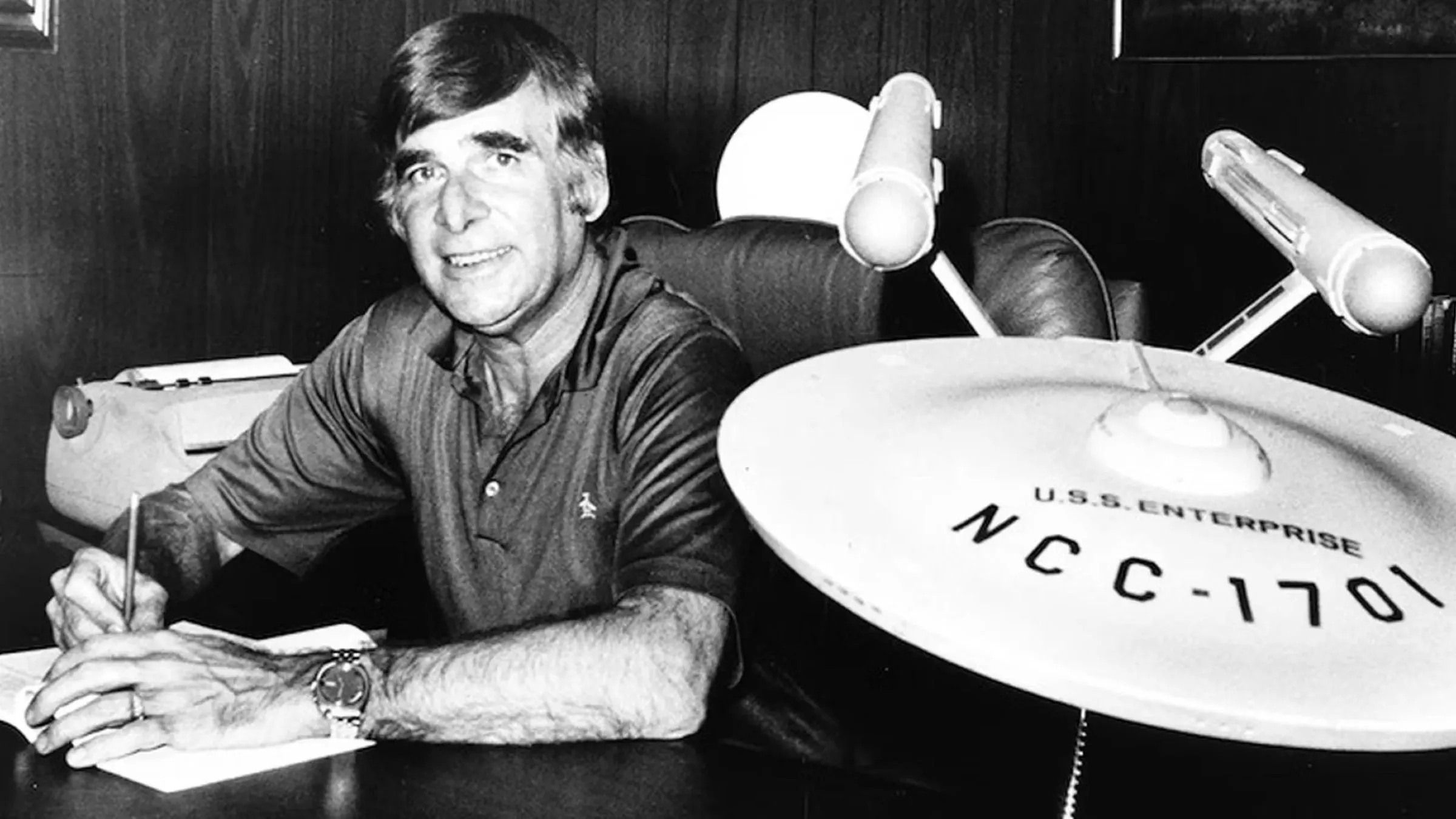
Everyone has their own idea of what makes a great Star Trek show, but it’s helpful to remember what the original series was designed to be. From the very beginning, Star Trek wasn’t shy about its messages. Gene Roddenberry didn’t want to create just another typical sci-fi adventure; he wanted to build a forward-thinking series that used a hopeful vision of the future to reflect on issues we face today.
Gene Roddenberry, the creator of Star Trek, once explained his vision for the show: it was about humanity growing up and celebrating differences – not just accepting them, but truly enjoying them, whether in thoughts or in life itself. This idea is really at the heart of everything Star Trek does, from the diverse United Federation of Planets to the varied crew working together on the USS Enterprise. It’s a show built on inclusivity and acceptance.
In the 1960s, when most American TV shows lacked diversity, Star Trek was groundbreaking. At the peak of the Cold War and the Civil Rights Movement, it boldly featured a Russian officer, a Japanese helmsman, and a Black woman in prominent roles. Nichelle Nichols’ character, Uhura, wasn’t simply about including diverse faces on screen; it was a powerful message about who deserved to be part of the future.
Roddenberry believed that making progress meant openly acknowledging our differences. You can’t build a future where everyone celebrates diversity by ignoring what makes us unique. Instead, you achieve it by highlighting those differences and demonstrating how common values and teamwork can turn them into advantages.
Why Starfleet Academy Is a Natural Extension of That Vision
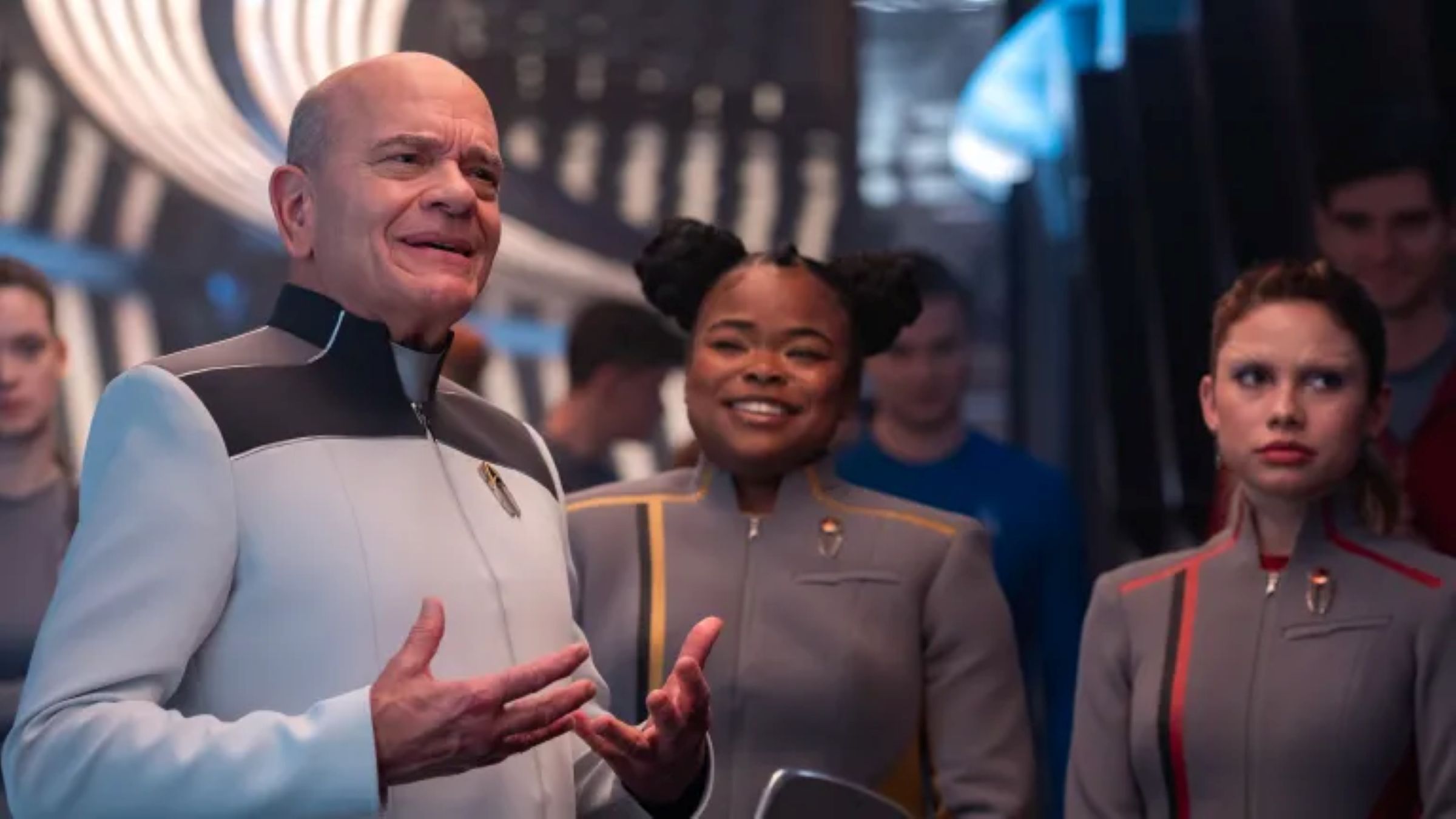
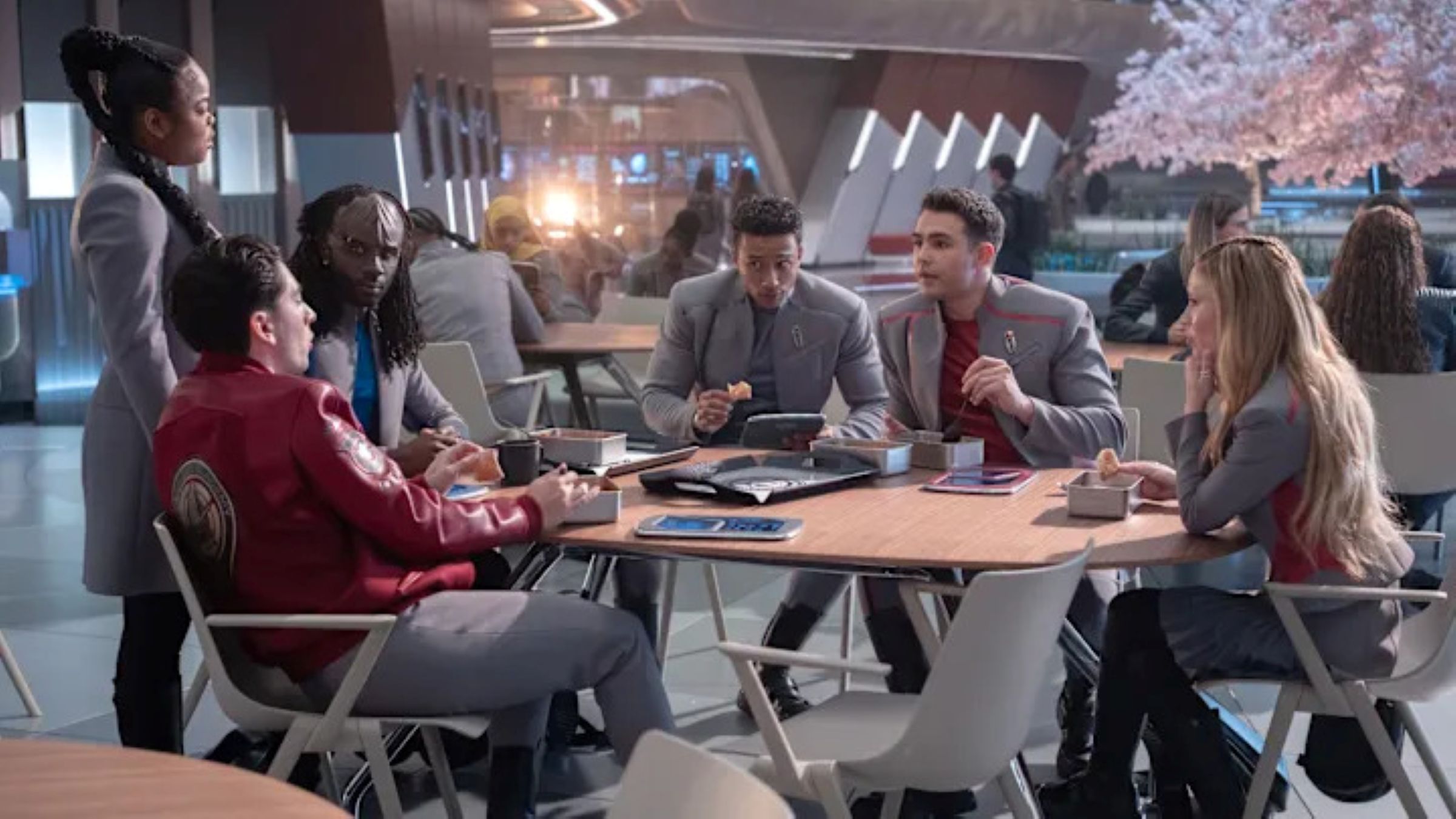
Considering everything that came before, Starfleet Academy doesn’t feel like a surprising change for Star Trek, but rather a natural step forward. Given the show’s hopeful vision, it was inevitable that it would explore the training ground for Starfleet officers. A series about this school was always going to highlight diversity – in species, origins, beliefs, and personal journeys. It’s a place of learning where different perspectives meet, and where young people from vastly different backgrounds are challenged to learn from each other, make mistakes, and ultimately, develop and mature together.
Starfleet has always offered a hopeful vision of the future, showing what humanity could achieve if we overcame bias and limited resources. A series focusing on a diverse group of students is a clever way to build a believable world reflecting a future where everyone has enough and different cultures thrive.
Gene Roddenberry’s Star Trek wasn’t about imagining a world without conflict; it was about showing how advanced societies deal with it. Characters like Spock, torn between logic and emotion, and Worf, balancing Klingon heritage with Federation principles, have always created compelling stories and sparked thought-provoking discussions. Starfleet Academy takes that idea a step further by exploring these conflicts when characters are still figuring things out – a raw, unresolved stage that many fans find particularly interesting.
Star Trek “Used to Be Subtle”
The claim that the franchise was once more understated in its messaging doesn’t really stand up to scrutiny. The original series dealt with issues like racism, and The Next Generation directly addressed topics such as apartheid, torture, and the ethics of forced displacement. In many ways, Star Trek hasn’t changed at all – it’s simply evolved in how it presents these ideas.
Today’s audiences are used to seeing diverse stories, so themes that once felt groundbreaking in shows like Star Trek can now feel predictable or even condescending. Franchises often lose their freshness over time, but it’s important to remember how meaningful these themes can be for new viewers. While Star Trek will always adapt and push boundaries, we shouldn’t lose sight of its fundamental messages.
Roddenberry often disagreed with network and studio heads because he was determined to keep the show’s core message intact. He felt science fiction should inspire hope for a brighter future. So, when the show portrays even Starfleet Academy as imperfect, it’s not a sign of failure—it actually demonstrates that the show is fulfilling its purpose.
Is Starfleet Academy noticeably different from previous Trek series? Yes, and that’s a good thing. Trek has always evolved, and a franchise can’t last for six decades without continuing to change and reflect the complexities of real life.
It’s still unclear what direction the series will take, but Starfleet Academy offers an opportunity to refocus Star Trek on its core principles: the belief that humanity’s biggest success will be future generations learning to embrace diversity. This concept is still powerfully relevant today – and that’s precisely why it continues to resonate.
What do you think? Leave a comment below and join the conversation now in the ComicBook Forum!
The first two episodes of Star Trek: Starfleet Academy are streaming now on Paramount+, and new episodes will be released every Thursday.
Read More
- Best Controller Settings for ARC Raiders
- FRONT MISSION 3: Remake coming to PS5, Xbox Series, PS4, Xbox One, and PC on January 30, 2026
- Mark Zuckerberg & Wife Priscilla Chan Make Surprise Debut at Met Gala
- Meet the cast of Good Omens season 3: All the actors and characters
- Review: Final Fantasy Tactics: The Ivalice Chronicles (PS5) – Still the Benchmark for Turn-Based Tactics
- Nippon Sangoku Is The Best New Post-Apocalyptic Anime of Spring 2026
- 7 Great Marvel Villains Who Are Currently Dead
- Welcome to Demon School! Iruma-kun season 4 release schedule: When are new episodes on Crunchyroll?
- Wistoria: Wand and Sword Season 2 release schedule: When are new episodes out?
- The Boys Season 5 Officially Ends An Era For Jensen Ackles’ Soldier Boy
2026-01-15 20:42