
For a long time, television was considered a less sophisticated form of entertainment, often relying on predictable plots and characters. However, that began to change as some shows started prioritizing strong writing, complex characters with flaws, and carefully developed storylines. These series moved away from simple, self-contained episodes and instead offered intricate character development, realistic dialogue, and conflicts that unfolded gradually over multiple seasons. This approach proved that television isn’t just comparable to film—it can sometimes be even better, offering the room to fully explore characters, motivations, and ideas without feeling rushed or resorting to easy solutions.
We’ve chosen 7 TV shows with exceptionally well-crafted writing, and ranked them from very good to outstanding. The quality of the writing in each show truly stands out—often becoming clear only after you’ve seen it.
7) The Bear
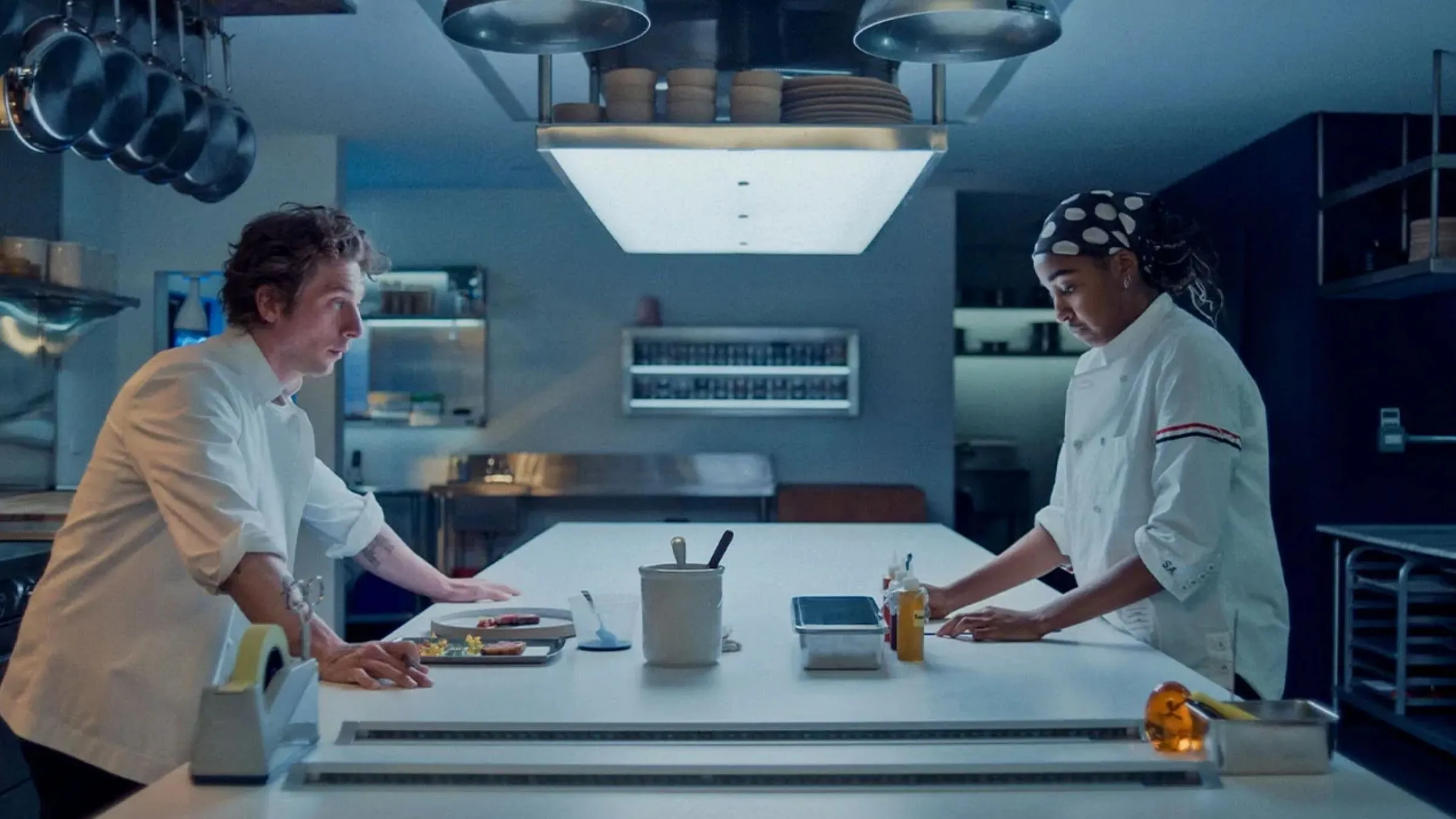
Okay, so everyone’s heard of The Bear, right? But honestly, if you haven’t watched it, you’re missing out. What really struck me was how brilliantly they control the speed and timing of the story – it builds this incredible tension you can practically feel. It centers around Carmy, played by Jeremy Allen White, who comes back to Chicago to run his family’s sandwich shop after a really tough loss. The writing is amazing; it perfectly captures the absolute craziness of a professional kitchen. You’re right there with the characters, feeling all the stress, the mistakes, the yelling, and even those small wins. It just pulls you in and makes you genuinely invested in what happens.
As a huge fan, what really gets me about The Bear is how every single line and plot point feels intentional. You start to notice, especially as the seasons go on, just how carefully crafted the whole story is. Nothing ever feels like it’s just happening – everything serves a purpose, whether it’s showing how vulnerable people can be or how they change. That’s really what the show is about, I think. It’s amazing how they can take everyday stuff – like dealing with vendors or managing a kitchen crew – and turn it into these incredibly tense and emotional scenes. And it’s so clever – they always avoid falling into predictable tropes with a perfect touch of humor. Each episode is structured so well, it just pulls you in, and it all feels so real because the characters are so flawed, relatable, and genuinely human.
6) Severance
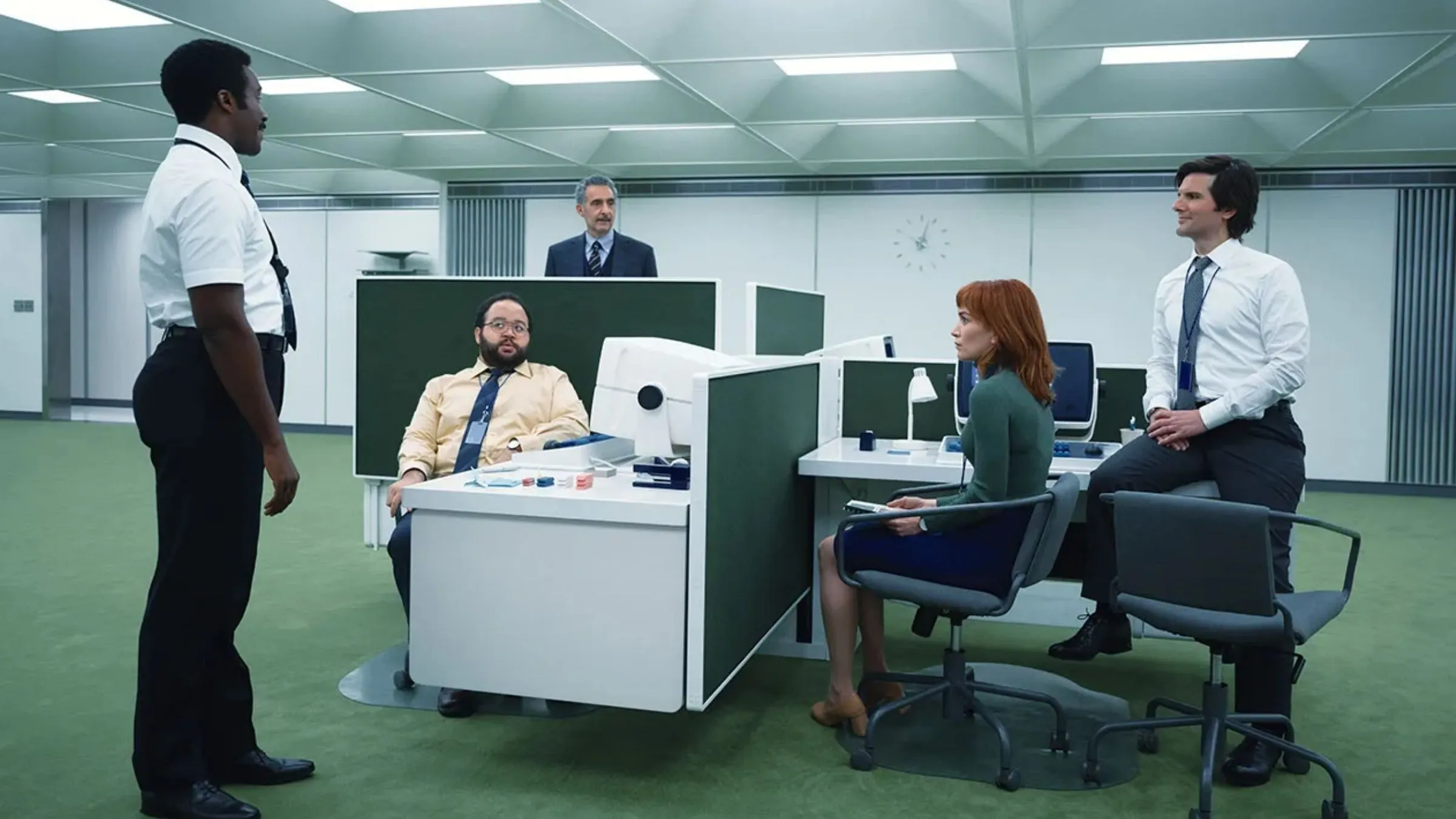
The show Severance demonstrates how a straightforward concept, when thoughtfully developed, can result in a captivating and layered story. It centers on workers at Lumon Industries whose memories are divided between their jobs and personal lives. The series is full of mystery and suspense, but it also encourages viewers to ponder deeper questions about who we are and whether we truly have free will. Severance reveals its secrets gradually, using each scene to emphasize its core themes. What’s particularly striking is that the show builds tension not through action or special effects, but through intelligent writing and the characters’ strange actions. Soon, you’ll find yourself completely drawn in, wondering what’s genuine and what’s not.
What truly sets Severance apart is its skillful blend of a strange, dreamlike premise with relatable human emotions. The characters are all grappling with their own flaws, and their decisions are rarely simple or easy. Each episode builds suspense, steadily increasing the pressure. Ultimately, the show’s excellent writing comes from its efficiency – every detail, from the set design to the dialogue, serves a purpose and drives the story forward.
5) Fleabag

From the moment it launched, Fleabag became incredibly popular, and rightfully so. The show excels at character development, offering a true masterclass in the art. It centers on a young woman (played by Phoebe Waller-Bridge) navigating grief, relationships, and life’s big questions in London. What makes her so captivating is her complex personality – she’s witty, flawed, and often acts impulsively, but always feels authentic. The show’s frequent breaking of the fourth wall isn’t just a quirky style choice; it’s a clever technique that draws viewers into her inner world, blending humor and drama into a story that feels both complete and deeply honest.
Beyond its humor, Fleabag is brilliantly written with carefully chosen words and timing that subtly reveal the character’s complexities without lengthy explanations. The show excels at seamlessly blending quick, witty banter with moments of genuine emotional depth, creating a connection with the audience. It’s a prime example of how strong storytelling, humor, and character growth can come together when every line of dialogue serves a purpose, enhancing the show’s overall message, mood, and pace.
4) Breaking Bad

As a critic, I keep coming back to Breaking Bad, and it’s easy to see why it’s so highly regarded. The writing is just phenomenal – meticulously planned, almost flawlessly so. The show follows Walter White, a chemistry teacher facing a cancer diagnosis who turns to making meth to provide for his family. That’s a dark premise, and it could have easily become a mess, but Breaking Bad handles it with incredible skill. Walter’s transformation feels complete and earned, with every choice he makes having serious consequences. What really impressed me was how the show built suspense – not just through what characters said, but also through what they didn’t say, and through the powerful visuals. Even the slower episodes felt purposeful, consistently ratcheting up the emotional stakes.
I have to say, watching Breaking Bad felt incredibly satisfying because of how tightly woven the story is. Nothing feels random; every event, every character’s arc, feels like a direct result of what came before. It’s rare to find a show where the storytelling is this flawless. What truly impressed me wasn’t just the complexity, but how everything connected so logically. It’s a rich, immersive experience, and the show never once felt rushed or lost its momentum. It’s a masterclass in construction, really.
3) Mad Men

At this level of quality, the shows truly excel at writing dialogue – it might seem like a small thing, but it’s what sets them apart. Mad Men remains a prime example of how to write compelling television. The show centers on Don Draper (Jon Hamm), a creative director navigating work and life in 1960s New York. While the basic storyline sounds straightforward, the show’s brilliance lies in its attention to detail. Mad Men expertly uses subtle storytelling, with characters developing gradually through small moments and choices, rather than dramatic plot twists. This is why the conversations and interactions feel so important and memorable.
The conversations in Mad Men are rich with unspoken meaning, so you need to really listen to understand what characters are actually saying. The show explores complex themes like identity, gender, and ambition in a smart way, trusting the audience to pick up on these ideas without being explicitly told. What truly makes the writing exceptional is how consistently it connects the characters, the 1960s setting, and the show’s overall message about success, appearances, and human nature – all without resorting to over-the-top drama. It requires careful viewing and attention to detail, but the result is incredibly rewarding: you’re left with the feeling that you’ve experienced a true work of art.
2) Succession

Comparing shows on HBO is tough because they consistently deliver high quality, and Succession really embodies that. The show follows the Roy family’s ruthless battle for control of their media empire, and it’s brilliantly done. One minute you’re shocked by their behavior and laughing, and the next you’re on the edge of your seat. The characters are incredibly well-developed and serve the story perfectly – you always understand the power dynamics, but it never feels artificial. The writing is also excellent at building suspense, using calm scenes to create dramatic tension and unexpected twists. This keeps you hooked, even when things seem quiet.
What truly sets Succession apart and makes it so highly regarded is its skillful blend of intense family dynamics with a biting satire of corporate power struggles. It’s a difficult combination to get right, but the show manages it flawlessly, maintaining a consistent and engaging pace. The dialogue is particularly strong, with each line revealing a character’s personality, motivations, and flaws. Each episode is thoughtfully crafted to examine themes of power, jealousy, and emotional fragility. While it’s undoubtedly captivating television, at its core, Succession is a deep and insightful character study.
1) The Sopranos
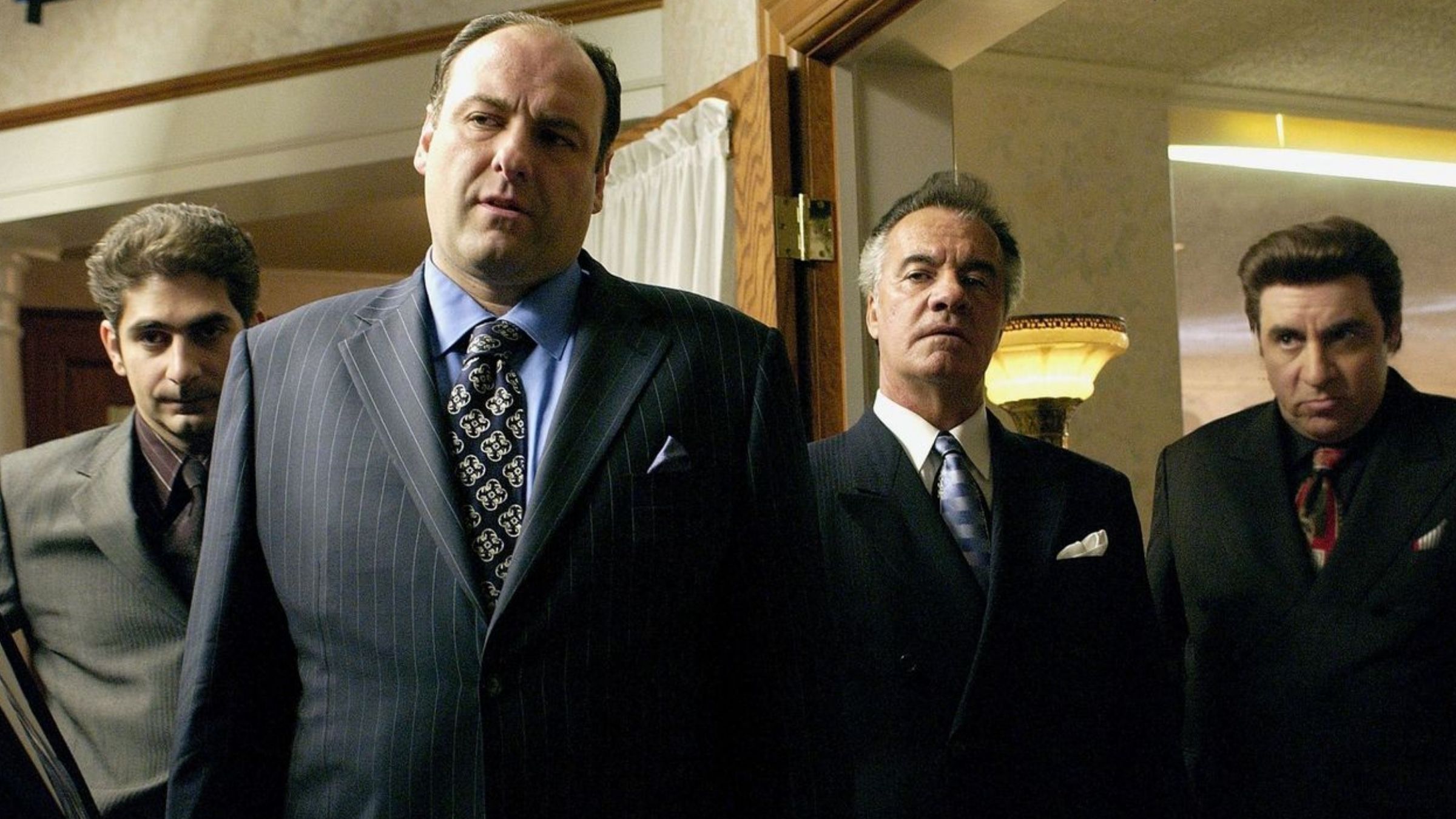
The Sopranos demonstrated that television could be as skillfully written as any movie – and that’s not hyperbole. The show masterfully combines crime stories, family issues, and deep dives into characters’ minds, creating a remarkably well-controlled experience. It centers on Tony Soprano (James Gandolfini), a New Jersey mob boss who’s dealing with both his criminal life and his anxiety through therapy. Tony is a complex, morally gray, and unpredictable character, and the series develops him and the other characters through realistic dialogue, quiet moments, and everyday life, avoiding tired tropes. Ultimately, The Sopranos achieved something unique: it balanced all these elements consistently and successfully over a long period, something few other shows have been able to do.
Unlike many shows, The Sopranos doesn’t try to offer easy answers or tie everything up neatly. Characters are complex and don’t always change in predictable ways, and consequences aren’t always just. Instead, the show realistically portrays the messy contradictions of human life. It’s incredibly skilled at using subtle hints and unspoken meaning, making even everyday scenes feel tense and significant. The writing recognizes that conflict doesn’t always need to be dramatic to be powerful. The series is unflinchingly honest, presenting life as it is without explanation or simplification—simply observing with remarkable precision. This approach is likely a major reason for its incredible success, including around 127 awards, over 20 Emmys, 5 Golden Globes, and more than 300 nominations—a testament to its quality.
What do you think of the writing in these series? Share your thoughts in the comments below and join the discussion on the ComicBook Forum!
Read More
- Best Controller Settings for ARC Raiders
- Review: Final Fantasy Tactics: The Ivalice Chronicles (PS5) – Still the Benchmark for Turn-Based Tactics
- Nippon Sangoku Is The Best New Post-Apocalyptic Anime of Spring 2026
- Mark Zuckerberg & Wife Priscilla Chan Make Surprise Debut at Met Gala
- Elon Musk’s Mom Maye Musk Shares Her Parenting Philosophy
- 10 Greatest Manga Endings of All Time
- The Witcher 3 Officially Reveals Stunning New Ciri Figure Coming 2026
- The WONDERfools ending explained: What happened to the Child of Eternity?
- 7 Great Marvel Villains Who Are Currently Dead
- FRONT MISSION 3: Remake coming to PS5, Xbox Series, PS4, Xbox One, and PC on January 30, 2026
2026-01-16 02:13