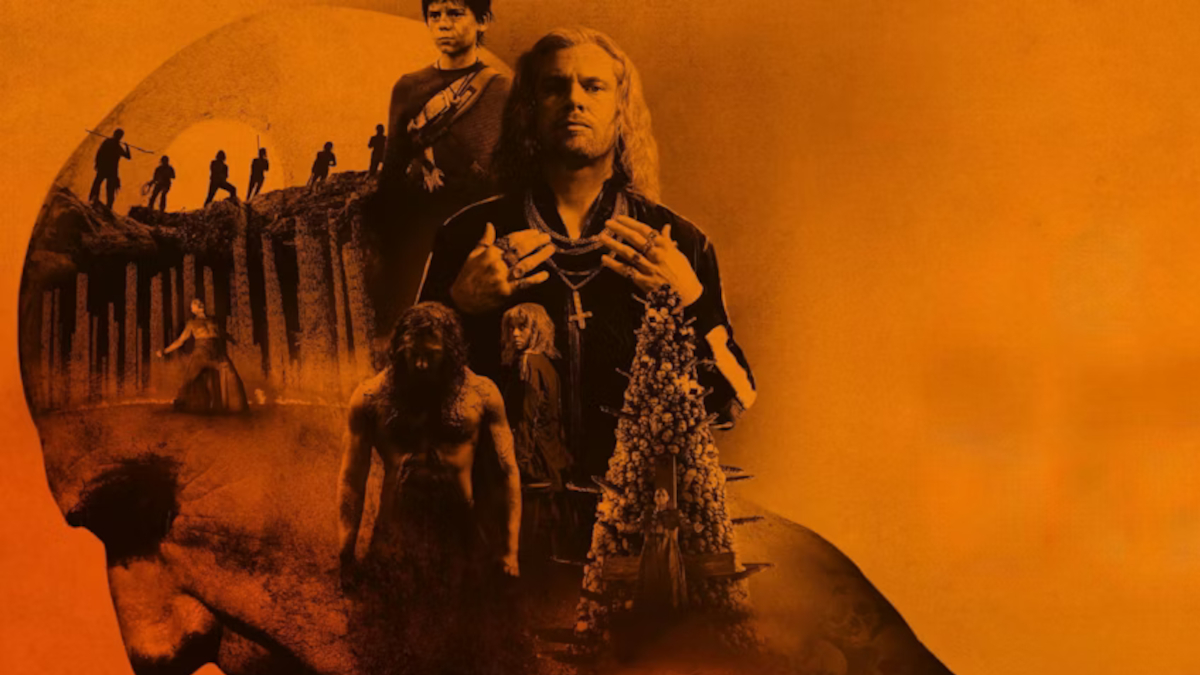
28 Years Later: The Bone Temple is the follow-up to 28 Years Later, and fans of the first film will likely be eager to see what happens next with Spike (Alfie Williams). After leaving his island home, Spike previously ventured into a dangerous, virus-ridden Britain, and this new chapter continues his story. The Bone Temple reveals that the biggest threats aren’t the infected themselves, but the dangerous ideologies of other survivors. The film also expands on the story of Dr. Ian Kelson (Ralph Fiennes) and his ongoing research into the deadly Rage Virus.
At the end of 28 Years Later: The Bone Temple, Kelson discovers something that could fundamentally alter the world depicted in these movies. Warning: Major spoilers ahead! Continue reading only if you’re okay with learning the details.
28 Years Later: The Bone Temple Reveals The Truth About the Rage Virus
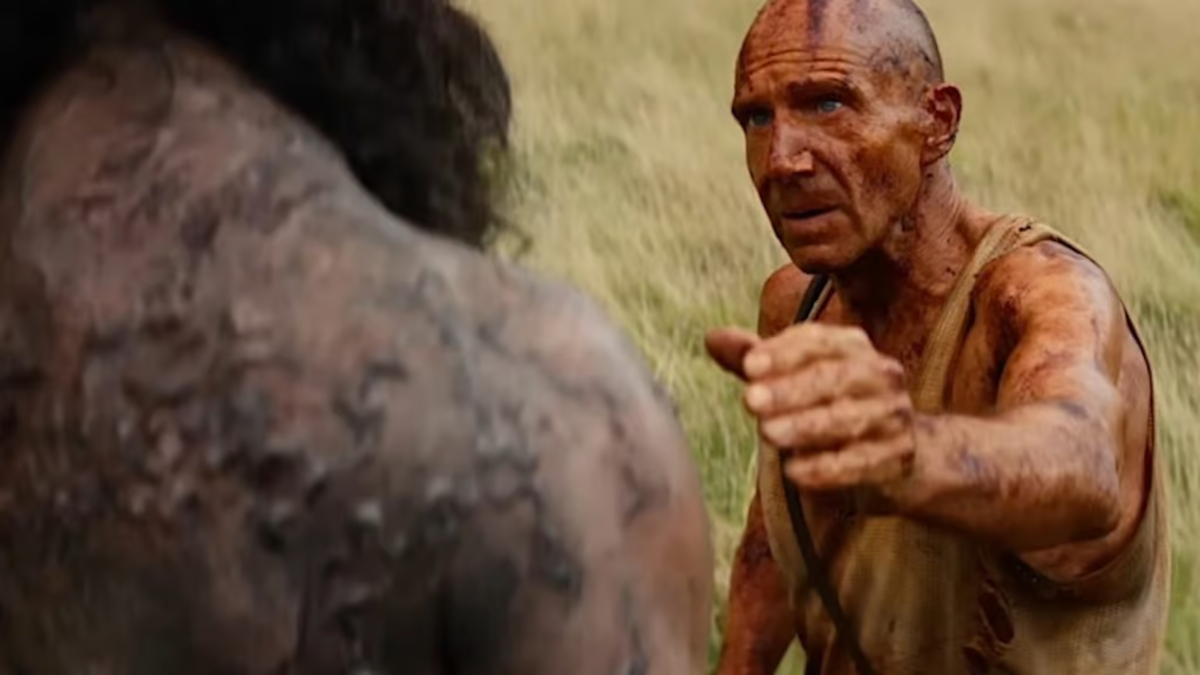
In the film, Dr. Kelson continues his efforts to connect with Samson (Chi Lewis-Parry), the leader of the infected population. After witnessing Samson’s mate give birth to a human baby, Kelson starts to believe his theory is correct: the Rage Virus doesn’t simply kill and reanimate people. Instead, he thinks it’s similar to rabies, causing not just physical aggression, but also severe psychological trauma. This trauma leads the infected to experience overwhelming psychosis, making them believe they are battling demons rather than other people.
I was completely gripped watching Kelson work with Samson. He slowly used medication – a combination of painkillers and antipsychotics – to gently coax Samson into a calmer state, almost like he was luring him with the comfort of each dose. Kelson kept trying to reach him, to talk, to teach, just searching for any flicker of awareness. It was so tense because Kelson was running out of both time and medication! Then, just when things seemed hopeless, Samson remembered the word “moon” – a real sign he was still in there! Kelson took a huge risk and gave Samson a massive dose of the medication, and it actually worked. It broke through the psychosis and, unbelievably, brought Samson back to being… well, himself again. It was an incredible moment.
It’s confirmed when the other infected people instantly attack Samson in the train car where he’s hiding. He also proves, after fighting through a large group of them, that he won’t be affected by the Rage Virus if he’s bitten, scratched, or exposed to infected blood – a helpful benefit.
After seeing 28 Years Later: The Bone Temple, it all clicks. I finally understand why Danny Boyle and Alex Garland always insisted the creatures weren’t zombies – they’re truly infected, and that makes all the difference. It’s not just a semantic point; it fundamentally changes how I see the whole story.
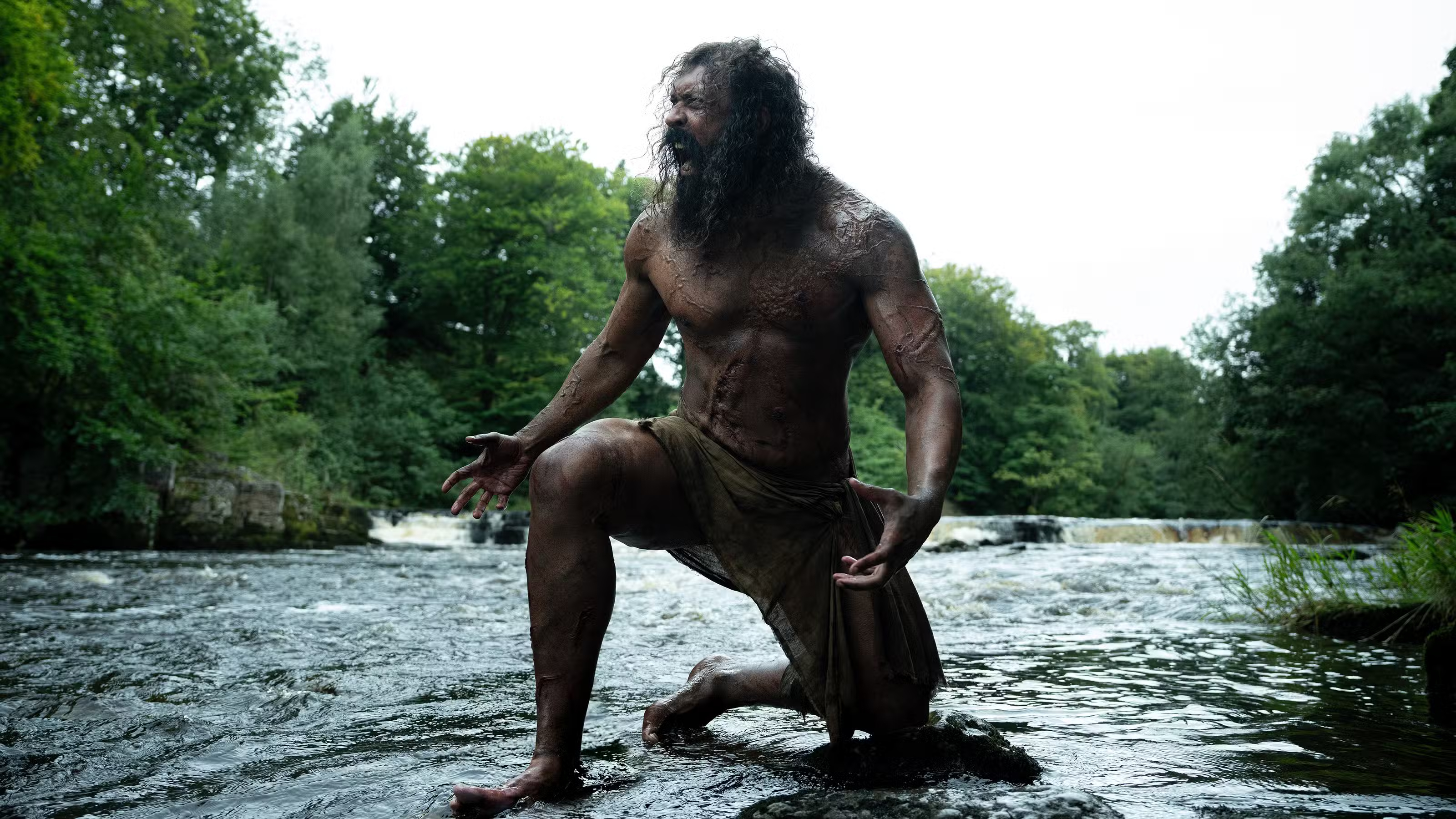
Even though Samson found a way to reverse the infection, it’s not a complete cure. He knew the drug combination that worked, but whether Spike, Jim, or anyone else can recreate it remains uncertain. It’s also unclear if everyone can be saved, or if the most severe cases are even curable. Interestingly, the other Infected attacked Samson immediately after he cured himself. Despite these challenges, if just one person can share the information, scientists might be able to develop a widespread solution.
The often-criticized film 28 Weeks Later actually fits into the series much better now. The surprising plot twist involving the mother character—who appeared to survive infection while carrying the virus—caused a lot of confusion, but many of those questions now have answers.
28 Years Later: The Bone Temple is now in theaters.
Read More
- 4 TV Shows To Watch While You Wait for Wednesday Season 3
- Gold Rate Forecast
- 40 Inspiring Optimus Prime Quotes
- PlayStation Plus Game Catalog and Classics Catalog lineup for July 2025 announced
- Chill with You: Lo-Fi Story launches November 17
- 10 Most Memorable Batman Covers
- Best X-Men Movies (September 2025)
- All 6 Takopi’s Original Sin Episodes, Ranked
- 10 Best Buffy the Vampire Slayer Characters Ranked
- Every Creepy Clown in American Horror Story Ranked
2026-01-17 17:16