I love awards season! It always makes me want to watch (or rewatch) the year’s best films before the Oscars. After the Golden Globes last weekend, I remembered I hadn’t seen Sinners in a while – and I was surprised it didn’t win more awards. So, I decided to watch it again and see what I thought.
I saw Sinners nine months ago, and honestly, it’s still one of my favorite movies of 2025. I just watched it again, and it confirmed everything I loved about it the first time. I remember walking out of the theater in April completely blown away by the incredible sound and visuals, and that feeling hasn’t faded at all. It’s still a truly amazing film!
Even on a small screen, Sinners is a truly impactful film. Horror movies were a standout in 2025, and Ryan Coogler’s film is a major reason why. After seeing it, I felt like I’d experienced something special and truly original, deserving of high praise. Revisiting the film later, I appreciated its genre choice even more.
Sinners Uses Vampires To Explore Cultural Erasure

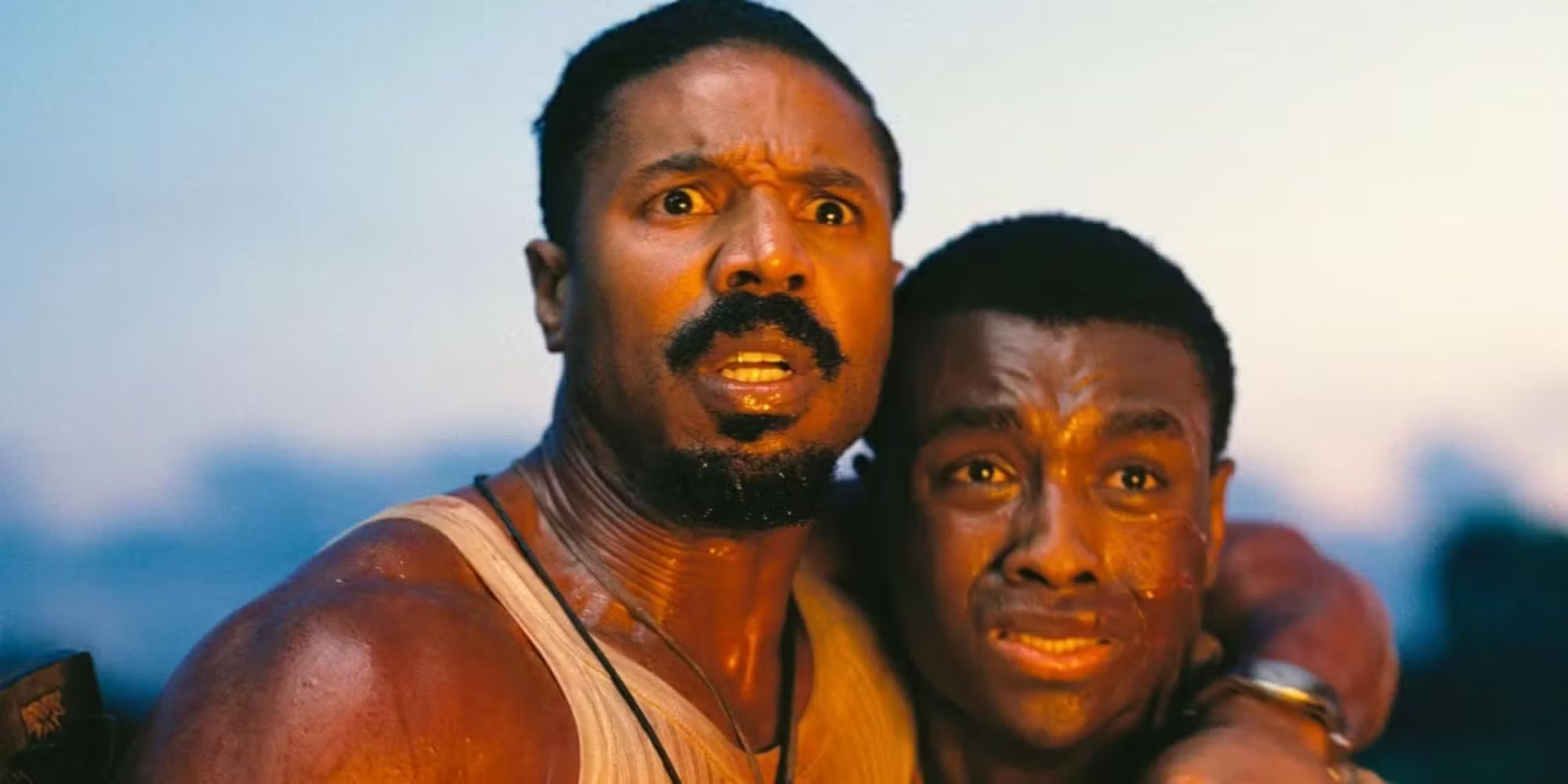
In the film Sinners, Michael B. Jordan delivers a standout performance playing both Smoke and Stack, identical twins who return to their Mississippi hometown of Clarksdale after living in Chicago for years. They aim to open a lively music venue, a ‘juke joint,’ and plan to hire their old friends to help get it running on opening night – serving customers, playing music, and getting the space ready.
Okay, so there’s this amazing scene at a barn party, and things get intense when three vampires show up, led by this guy, Remmick – Jack O’Connell plays him. What really struck me is that Remmick isn’t just there for blood; he’s genuinely drawn to the music and the whole vibe of the party. It turns out he’s looking for a connection, a little peace, by being part of something… something cultural. It’s a really interesting layer because we later find out he’s Irish and his family lost their land a long time ago. It adds so much depth to his character, you feel for him, even though he’s a vampire!
Remmick has suffered because his culture was taken from him. After his father lost his land, he and his family were forced to adopt Christianity. He’s now a wounded person trying to reclaim his heritage, but his actions also pose a danger: the loss of unique identity. By turning people into vampires, he strips them of their individuality, merging them into a single, collective consciousness.
The Link Between Vampirism And Bloodshed Complements Sinners’ Themes

Becoming a vampire, in this story, starts with bloodshed. This violent act isn’t literal, but symbolizes the loss of personal identity when one culture absorbs another. History shows us that even peaceful relationships often begin with conflict. The character Remmick embodies this repeating pattern of violence – he inflicts on others the same harm that was done to him, continuing the cycle.
In the film Sinners, the character of Remmick draws parallels to classic vampires like Dracula, and his Irish heritage is central to the movie’s themes of lost culture and the repeating pattern of violence. The film presents a unique rule: those turned into vampires must drink the blood of their maker. This vampirism serves as a metaphor for the blending of cultures, and recognizes that Remmick himself is a victim of cultural loss.
The Invitation Element Makes Vampirism Ideal For The Metaphor

Vampires aren’t the only creatures who alter who you are and turn you into one of them – zombies do it too! But why did Ryan Coogler’s film specifically focus on vampires when exploring the idea of cultural loss? It’s because those who often erase cultures don’t appear malicious; they often present themselves as helpers while subtly imposing their own culture on others.
Vampires can’t enter a person’s home unless explicitly invited. This is why Mary (Hailee Steinfeld) is able to turn Stack – he was vulnerable because he let her in. Later, Mary’s sadness over Annie’s death hints that the vampires in this story still possess some human qualities, drawing a parallel to how people who commit harmful acts during colonization are sometimes manipulated into doing so.
The Vampires Add A Layer To Smoke’s Arc’s Satisfying Conclusion

Image via Warner Bros.
The movie concludes with Smoke eliminating the Klansmen who intended to attack the juke joint. A striking image shows Michael B. Jordan standing over a defeated Klan leader, gun in hand – a powerfully satisfying scene. Knowing that he’s one of just two survivors of the vampire attacks makes this victory even more impactful.
Remmick, who suffered because he was forced to abandon his own culture, lashes out at the other community, vowing to kill Klan members – a reflection of how colonization often worked. Historically, people within a community would frequently be pitted against each other, even when facing a shared enemy. Therefore, when Smoke kills the Klan members, it’s more than just protecting his people; he’s seeking revenge for all the vampires who have been harmed, including Remmick himself.
Stack And Mary’s Fate Reflects On The Fight For Freedom
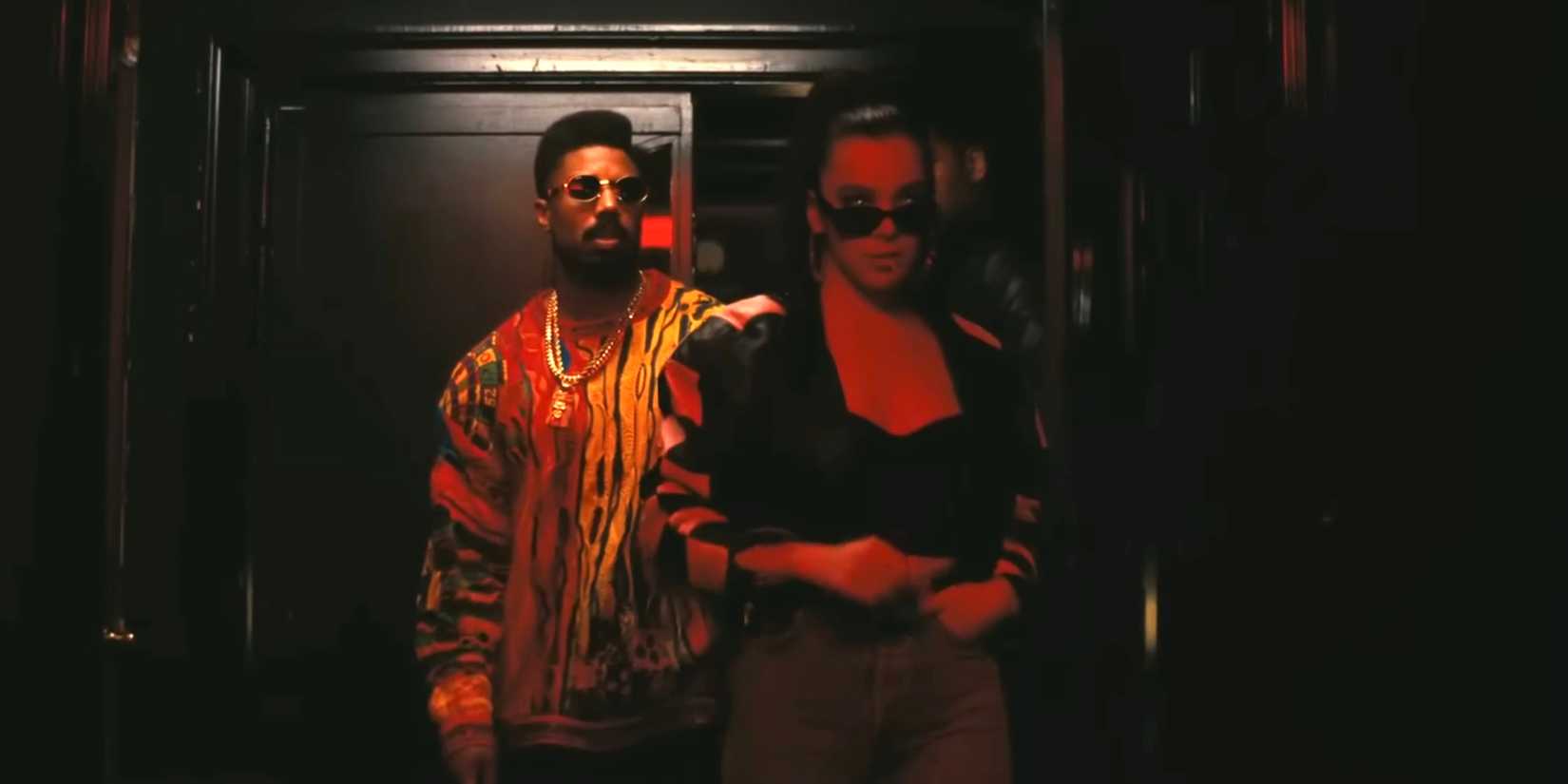
In a post-credits scene from Sinners, Stack is shown happily living with Mary, the woman he fled with during the fight at the juke joint. Smoke let him live, and Stack’s survival suggests he learned from the mistakes caused by hatred and greed, turning those experiences into a strength that allowed him to build a long and satisfying life.
When people fight for freedom, especially through rebellion, they frequently end up using the very tools and weapons of their oppressors against them. In the story Sinners, Sammie’s guitar symbolizes a collective act of defiance – choosing to live life independently. Stack and Mary, however, demonstrate a more direct approach: they actively take the things used to control them and use those same things to liberate one another.
Read More
- Best Controller Settings for ARC Raiders
- The Boys Season 5 Officially Ends An Era For Jensen Ackles’ Soldier Boy
- Review: Final Fantasy Tactics: The Ivalice Chronicles (PS5) – Still the Benchmark for Turn-Based Tactics
- Nippon Sangoku Is The Best New Post-Apocalyptic Anime of Spring 2026
- Mark Zuckerberg & Wife Priscilla Chan Make Surprise Debut at Met Gala
- Elon Musk’s Mom Maye Musk Shares Her Parenting Philosophy
- 10 Greatest Manga Endings of All Time
- The Witcher 3 Officially Reveals Stunning New Ciri Figure Coming 2026
- The WONDERfools ending explained: What happened to the Child of Eternity?
- 7 Great Marvel Villains Who Are Currently Dead
2026-01-17 18:12