
DC Comics is the oldest publisher of superhero comics, consistently innovating in the genre over its 88-year history. Many of the core elements we enjoy in superhero stories originated with DC, and despite periods of fluctuating popularity, they’ve delivered some of the most memorable moments in comic book history. DC is responsible for creating countless iconic characters – heroes, villains, and everything in between – who have profoundly shaped the world of superheroes and pop culture. 2025 was a particularly strong year for DC fans, with the successful release of the Superman movie and the new Absolute line of books topping sales charts.
DC Comics has a fascinating history, captivating fans for decades with its expansive multiverse. The company has produced some of the most memorable stories not only in the world of comics, but across all forms of storytelling in the 20th and 21st centuries. Certain key moments over the years have been particularly impactful, fundamentally changing DC Comics and the comic book industry as a whole.
10) Dark Knights: Death Metal

2025 was a fantastic year for DC Comics, and it all started with the comic book series Dark Knights: Death Metal by Scott Snyder and Greg Capullo. This epic story, featuring a battle between the Trinity and villains like Perpetua and The Batman Who Laughs, showcased DC’s talent for large-scale, imaginative storytelling. More importantly, it marked a turning point, bringing back beloved characters and concepts from DC’s history – including Golden Age heroes – and re-establishing a truly limitless multiverse. Essentially, everything DC has accomplished since 2021 builds upon the foundation laid by this series.
9) The Dark Knight Returns and Watchmen

As a DC fan, 1986 feels like a turning point for everything. It was the year DC decided to shake things up completely, essentially ending the old multiverse and starting fresh with all their characters – a big move! But even more importantly, it gave us The Dark Knight Returns and Watchmen, two comics that still blow me away. The Dark Knight Returns completely redefined Batman, making him darker and more complex, and Watchmen felt like the ultimate take on superheroes, really dissecting the whole idea. DC had been trying out longer, more novel-like stories for a few years, but these two proved how much people loved that format. They paved the way for everything DC did with its main heroes, and even led to the creation of Vertigo, their line of more mature, horror-focused comics. Honestly, those two stories changed DC Comics forever.
8) Flashpoint and the Birth of the New 52

When Geoff Johns and Andy Kubert’s Flashpoint was first announced at the end of The Flash: Rebirth #6, it didn’t appear destined to dramatically change DC Comics continuity. However, Dan DiDio’s decision to reboot the entire DC Multiverse – after years of building it up without a clear long-term vision – turned Flashpoint into a pivotal story. This reboot, known as the New 52, had both significant triumphs and failures, all stemming from the events of Flashpoint. While Flashpoint itself was a fairly typical event series – it could have been a standalone Flash story, much like Blackest Night was for Green Lantern – its impact has been far-reaching. We’ve been living with the consequences of this story for almost two decades now.
7) DC Rebirth
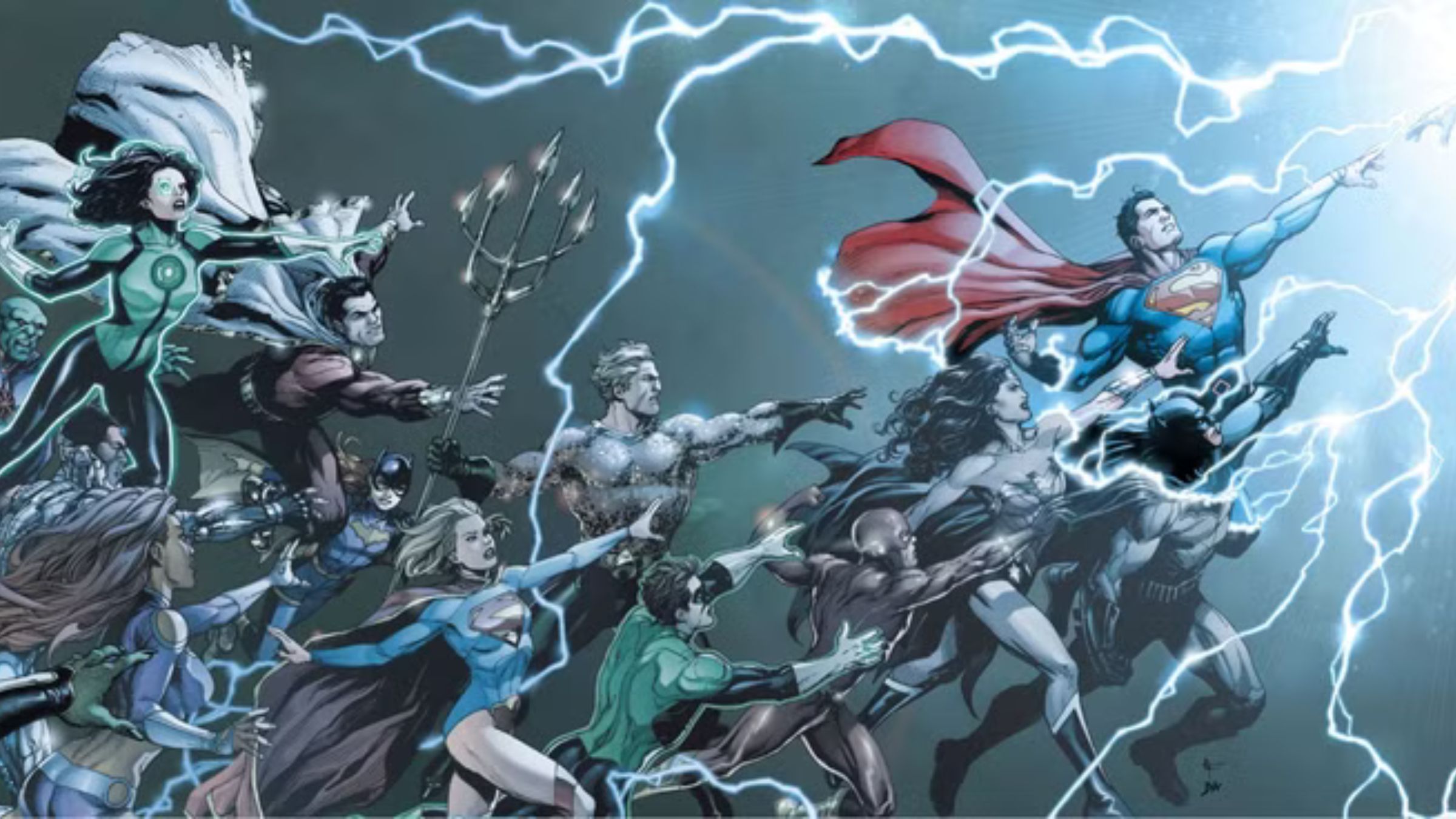
As a long-time DC fan, I remember everyone was pretty burned out after the five years of the New 52. It felt like DC listened, and they really tried to course-correct with DC Rebirth #1. That issue, by Geoff Johns and a fantastic team of artists, was a game changer! It brought back so much of what we loved from before the Flashpoint event – things like the classic Superman, Lois Lane, and even their son, Jon, plus the return of Wally West. Honestly, it was a huge hit! That first issue was an amazing deal – 80 pages for just $2.99! – and it led to some really great storylines in the Rebirth books. Looking back, it wasn’t a perfect fix – the New 52’s shadow still loomed – and things did eventually slow down, but it was definitely a step in the right direction when we really needed it.
6) Infinite Crisis
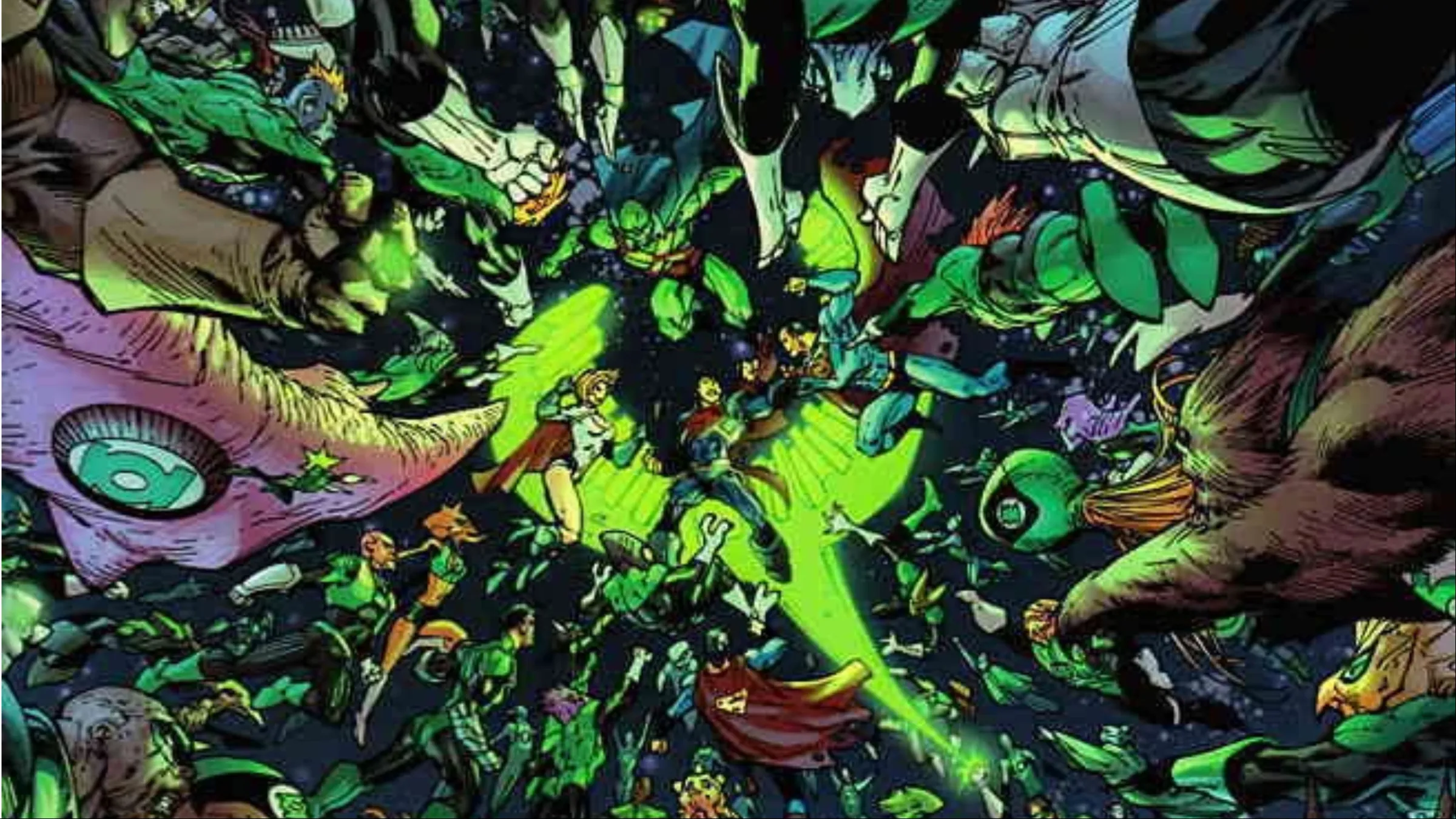
Infinite Crisis was a brilliantly crafted event that significantly changed the DC Universe. DC Comics started teasing the story—planned as a 20th-anniversary follow-up to Crisis on Infinite Earths—years before its release in late 2005, carefully building anticipation. No matter which DC comic you were reading, you knew something big was coming. The story beautifully referenced the original Crisis, mirroring key moments while effectively reversing many of its effects. It reintroduced the concept of the Multiverse and brought back characters like Superboy and the original Legion of Superheroes, enriching DC’s history. This event ushered in a new era for DC, often called the “neo-Bronze Age,” where veteran creators revisited and reimagined the DC of their youth in a modern context, with varying degrees of success. Ultimately, Infinite Crisis shaped the direction DC Comics continues to follow today.
5) Justice League of America #21
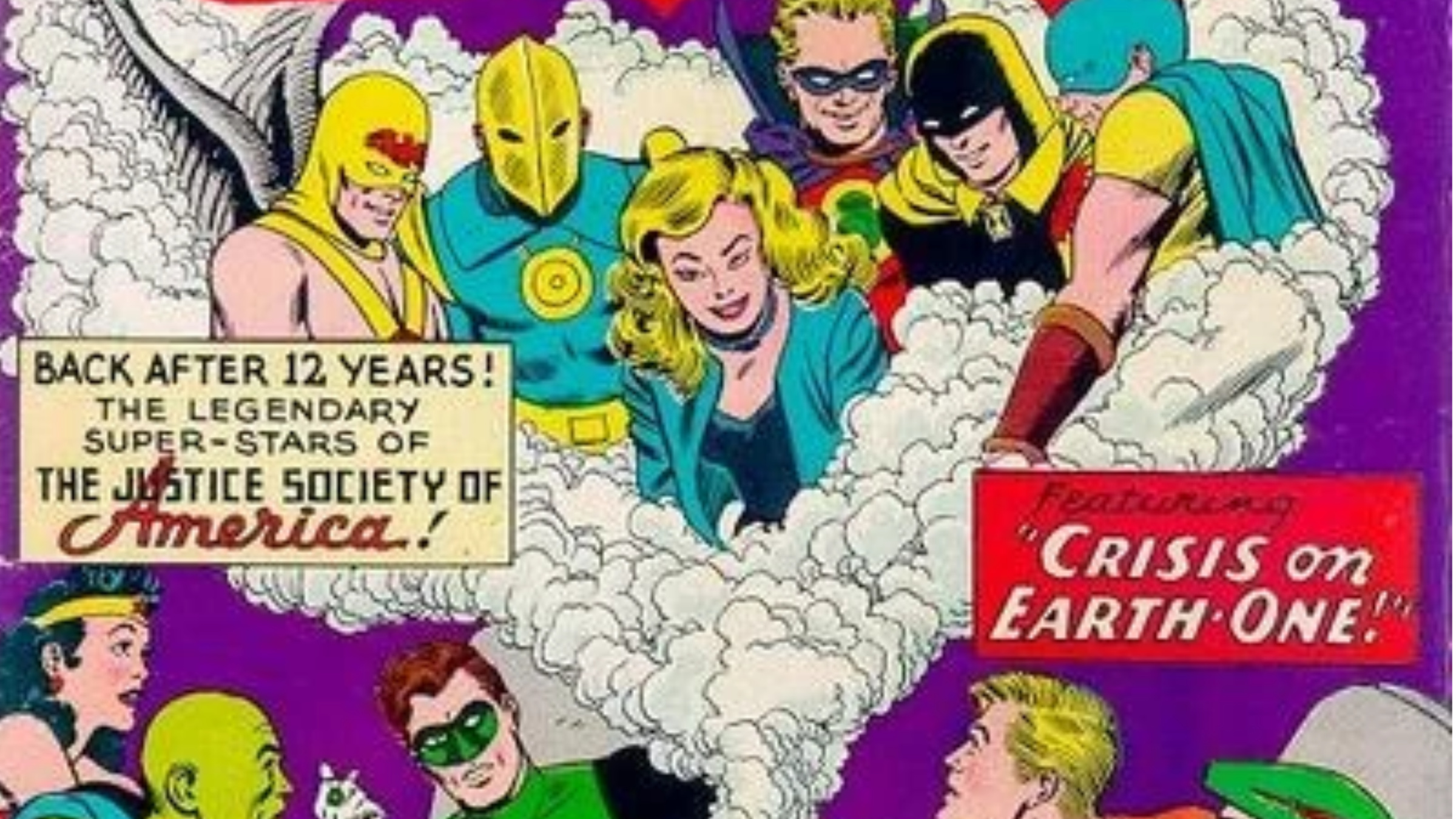
The Silver Age of DC Comics kicked off with issue #4 of Showcase, which introduced a new wave of DC heroes and eventually led to the creation of the Justice League. Justice League of America quickly became the central focus of the DC universe, and issue #21, by Gardner Fox and Mike Sekowsky, hinted at even bigger things to come. Fox combined his two super-teams in what was, at the time, the largest crossover event in comic book history. This groundbreaking story was the first to explore the idea of a multiverse within DC, establishing the foundation for the expansive DC Multiverse fans know and love today. It remains a legendary and beloved comic for many.
4) The Flash (Vol. 1) #123
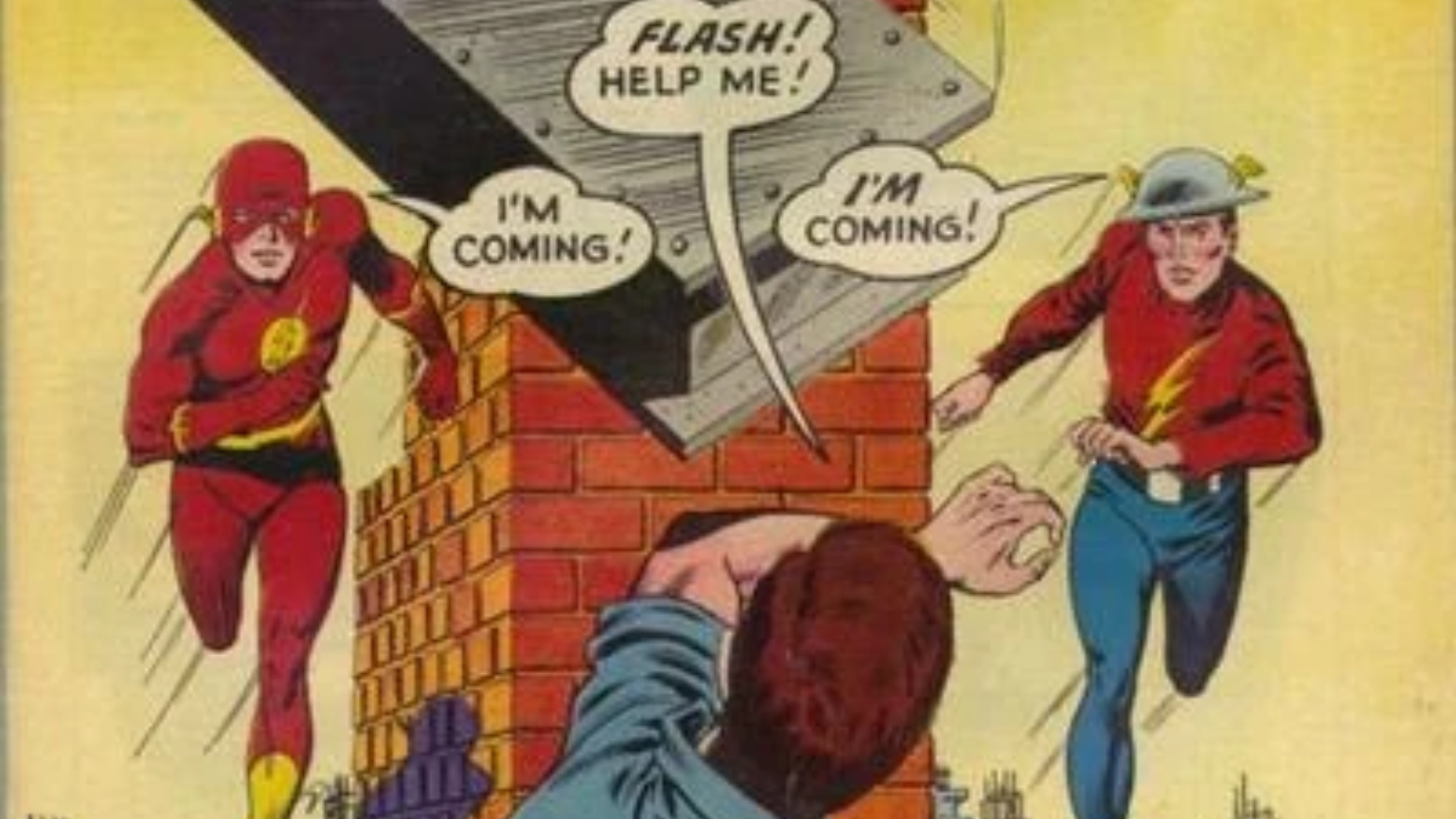
DC Comics has always had a complicated history with its characters, and a prime example is how they handled their original, Golden Age heroes. Instead of creating a universe where multiple generations of heroes coexisted, DC placed these older heroes on a separate Earth called Earth-Two – a bit confusingly, it was introduced as the second Earth, but felt like the first. The comic The Flash (Vol. 1) #123, created by Gardner Fox and Carmine Infantino, brought back the Golden Age Flash, Jay Garrick, and revealed that he and his teammates, the Justice Society, lived on this alternate Earth. This innovative idea set DC apart and ultimately inspired the creation of every superhero multiverse we see today. It was a truly groundbreaking moment in pop culture that profoundly changed storytelling, yet it often goes unnoticed.
3) All-Star Comics #3
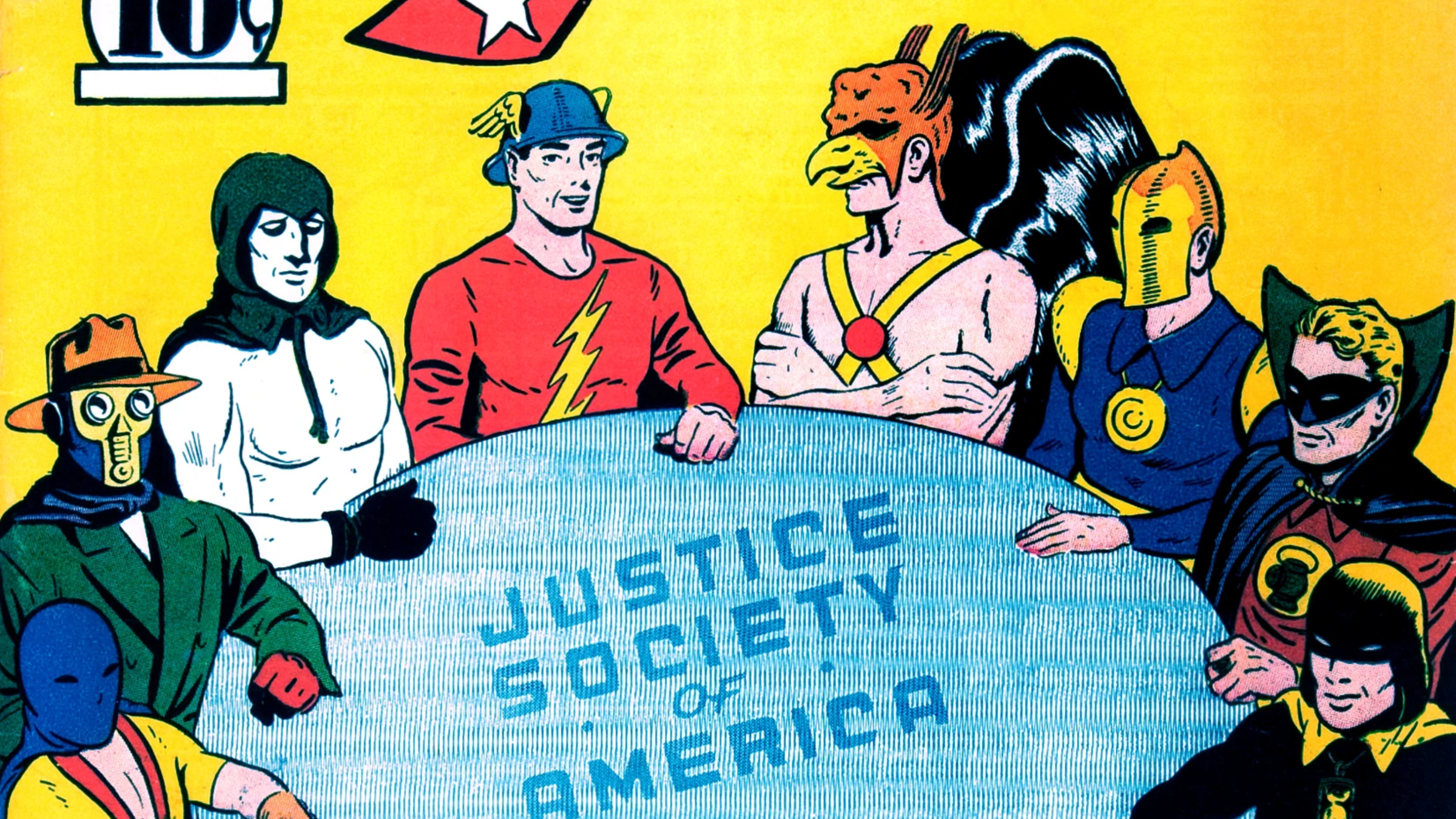
Some fans consider All-Star Comics #3 a landmark achievement in comic book history, and it’s easy to see why. Published in 1940 and created by a team of artists including Gardner Fox and Jerry Siegel, this comic brought together the most popular heroes of the time to form the Justice Society of America – the very first superhero team. It set the stage for all the superteams that followed, like the Justice League and the Avengers, and remains a pivotal moment in DC’s early years as a superhero publisher.
2) The Brave and the Bold (Vol. 1) #28
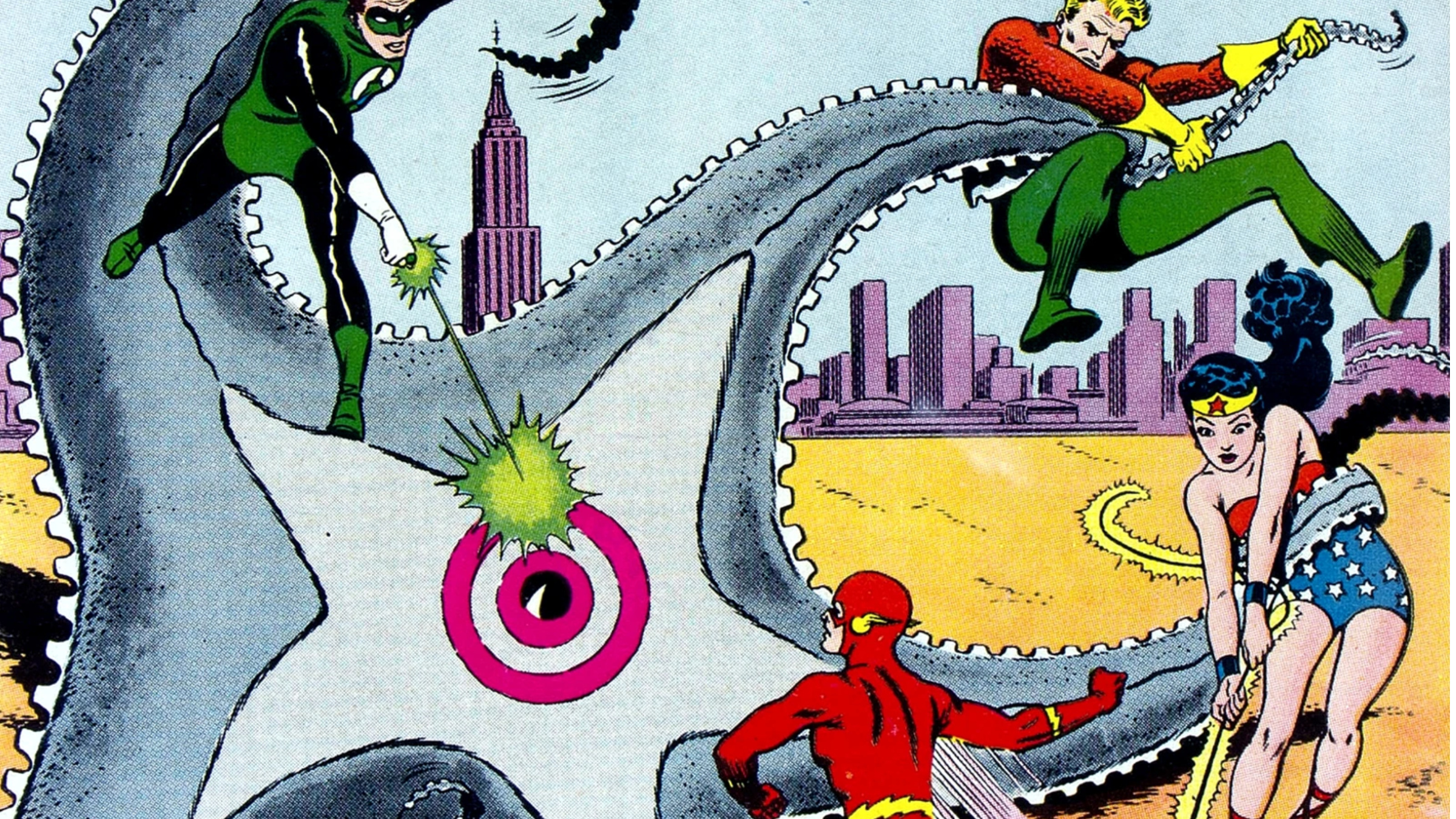
With issue #28 of The Brave and the Bold, writer Gardner Fox and artist Mike Sekowsky introduced what many consider the greatest superhero team ever: the Justice League of America. While inspired by the earlier Justice Society, the League quickly became groundbreaking. During the Silver and Bronze Ages of comics, Justice League stories were like today’s major crossover events, with the team facing universe-level threats. The League’s instant success was so significant that it prompted Marvel Comics to revive its superhero line. This single issue fundamentally altered the comic book industry and shaped the landscape we see today.
1) Crisis on Infinite Earths
As a huge comic book fan, I remember when Crisis on Infinite Earths came out – it absolutely blew my mind, and it completely reshaped DC Comics. Created by Marv Wolfman, George Perez, and Jerry Ordway, this 12-issue series was all about the end of the entire DC multiverse, with heroes facing off against this incredibly powerful villain, the Anti-Monitor. What really hit hard was seeing characters like Barry Allen (the Flash) and Supergirl gone – they felt like the heart of that older, Silver Age DC. The story didn’t just wrap up their arcs, though; it took all those different worlds and merged them into one single Earth, effectively closing the door on an entire era. At the time, it was the biggest event comics had ever seen, and it really showed publishers what they could achieve with these large-scale stories – how much they could change things up and set the stage for the future.
https://comicbook.com/comics/list/10-dc-series-you-should-read-in-2026/embed/#
Read More
- Review: Final Fantasy Tactics: The Ivalice Chronicles (PS5) – Still the Benchmark for Turn-Based Tactics
- Mark Zuckerberg & Wife Priscilla Chan Make Surprise Debut at Met Gala
- Elon Musk’s Mom Maye Musk Shares Her Parenting Philosophy
- 10 Greatest Manga Endings of All Time
- The WONDERfools ending explained: What happened to the Child of Eternity?
- The Witcher 3 Officially Reveals Stunning New Ciri Figure Coming 2026
- Nippon Sangoku Is The Best New Post-Apocalyptic Anime of Spring 2026
- New One Piece Live-Action Rumor Teases Netflix TV Show’s Season 4
- The Best Action Movie of 2022 Is Finally Streaming Free (Just in Time for the Sequel’s Release)
- FRONT MISSION 3: Remake coming to PS5, Xbox Series, PS4, Xbox One, and PC on January 30, 2026
2026-01-18 04:11