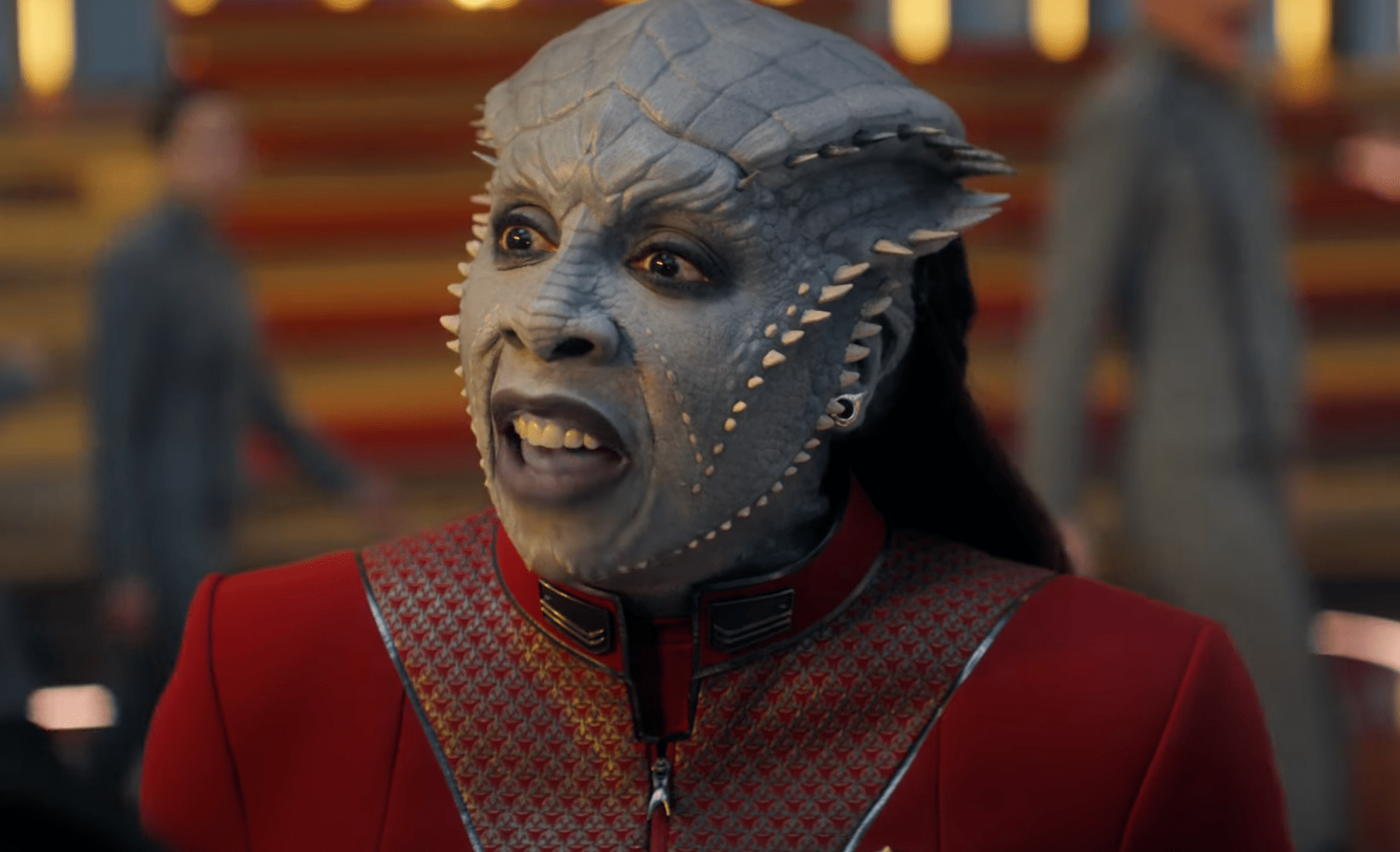
Whenever a popular movie or TV series doesn’t do well, those in Hollywood often blame the audience, not the show itself. This is happening again with the new series Star Trek: Starfleet Academy, with many media sources quickly labeling negative reactions as simply unfair “review bombing.”
As a huge movie fan, I’ve noticed something frustrating with the latest Star Trek film. Instead of trying to figure out why so many people aren’t enjoying it, a lot of the conversation has turned to questioning whether the audience’s reaction is even valid! It feels like a perfect example of how out of touch professional critics and the people who actually watch movies are becoming. They claim to represent us, but it doesn’t feel that way sometimes.
A Widening Critics–Audience Divide
Currently, Star Trek: Starfleet Academy has an 87% approval rating from critics on Rotten Tomatoes. However, the audience score is much lower, at just 43%. This significant 44-point difference isn’t a fluke; it shows a clear disagreement between what critics and viewers think of the show.
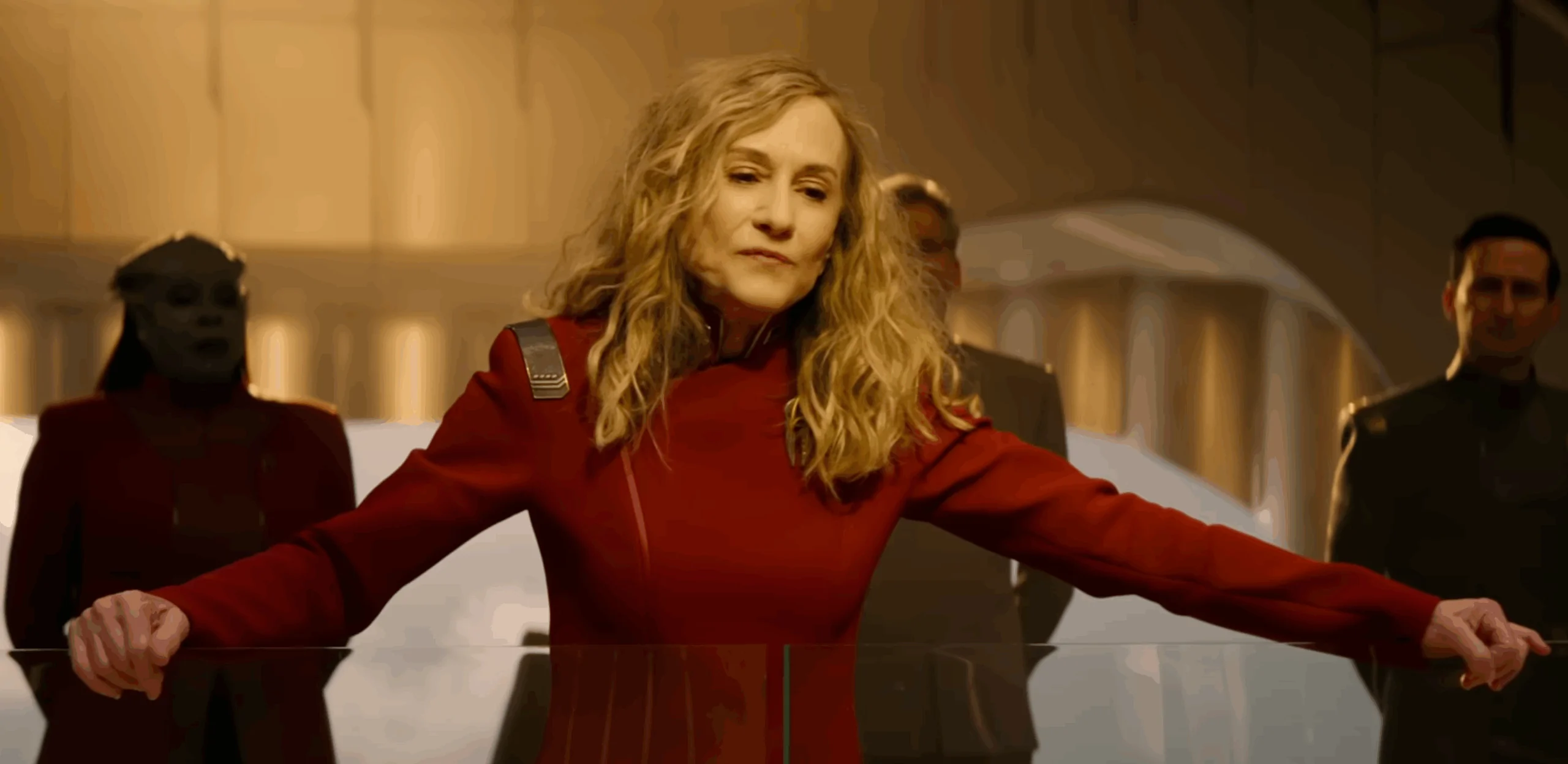
It’s become a frequent trend in big franchise movies and shows: critics often love them during previews, but general audiences aren’t so impressed. Instead of recognizing this difference in opinion, the industry often dismisses any negative reaction as unfair or misguided.
It seems like some people believe that if audiences disagree strongly with professional critics, they must be intentionally trying to be difficult or dishonest.
“Review Bombing” as a Narrative Shield
Originally, “review bombing” meant deliberately manipulating online review scores, usually without any connection to the actual quality of the item being reviewed. More recently, the term is often used simply to describe when audiences express strong disapproval.
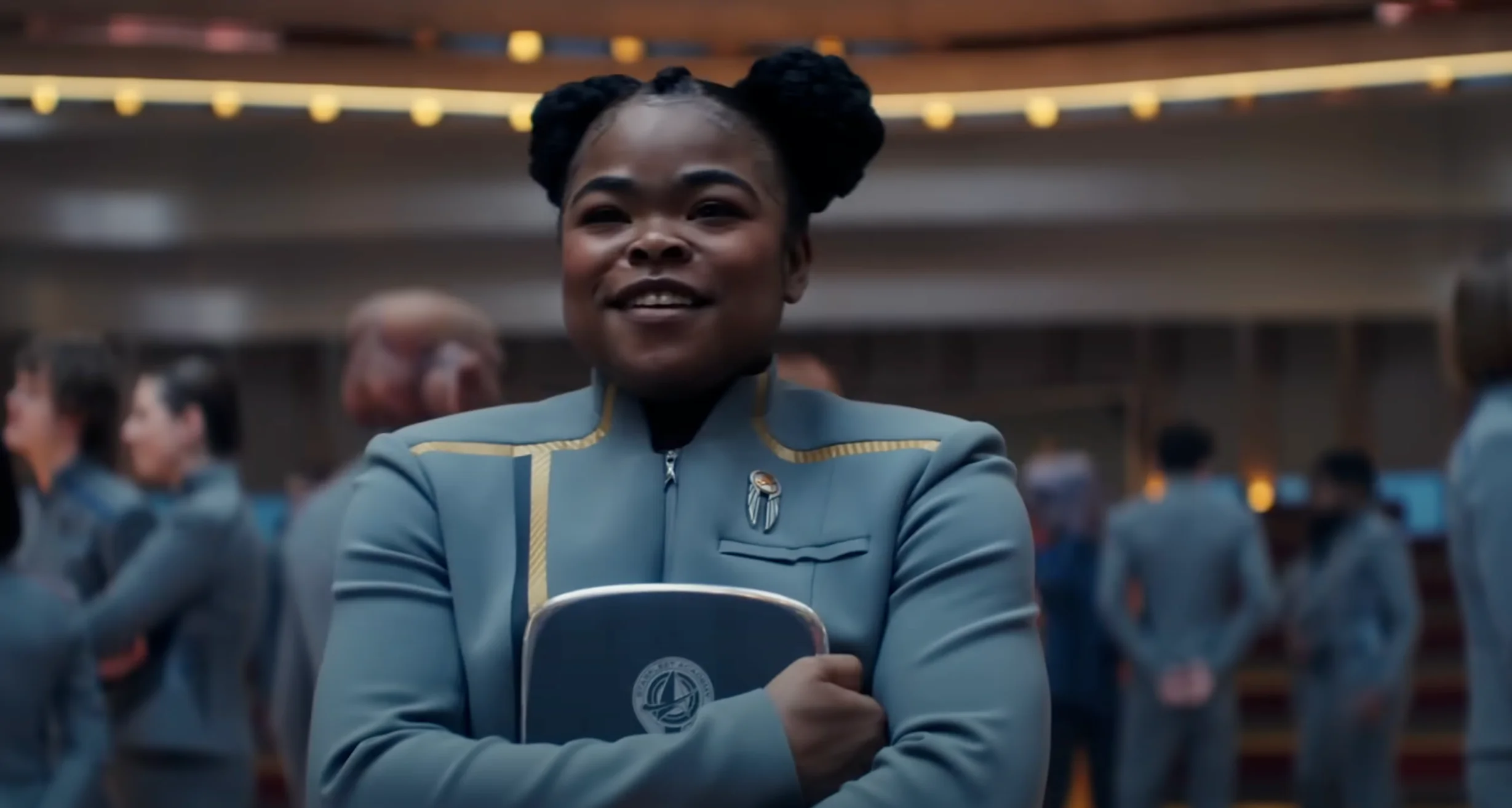
If a video receives a lot of negative feedback, it’s often labeled as problematic automatically—even if there’s no proof of organized effort, bots, or outside influence. Essentially, the label is used more to deflect criticism than as a genuine assessment of the situation.
We’ve observed this same pattern with several ambitious projects from major studios, including Snow White, The Marvels, Stranger Things, and The Last of Us.
When media outlets dismiss criticism as simply mean-spirited, they sidestep tougher questions about why a franchise might be losing popularity, if creative choices are turning off dedicated fans, or if newer versions are only succeeding because of the brand’s name, not their own merit.
Audience-Only Platforms Tell the Same Story
It’s difficult to argue that negative reactions are manufactured when you look at sites that rely solely on audience opinions. For example, on Criticless—a platform that tracks only what viewers think, and doesn’t include professional reviews—Starfleet Academy currently has an 8% rating, which is the lowest possible score on the site.

That score represents honest feedback directly from viewers, without any influence from the studio or industry promotions. It indicates a clear and consistent dislike of the product, not simply confusion about it.
If several different and reliable sources are all saying the same thing, it becomes harder to simply dismiss them as dishonest or biased.
The YouTube Premiere Undermines the Claim Entirely
Paramount+ made the first episode of Starfleet Academy available on YouTube for free, likely to attract new viewers and create positive buzz.
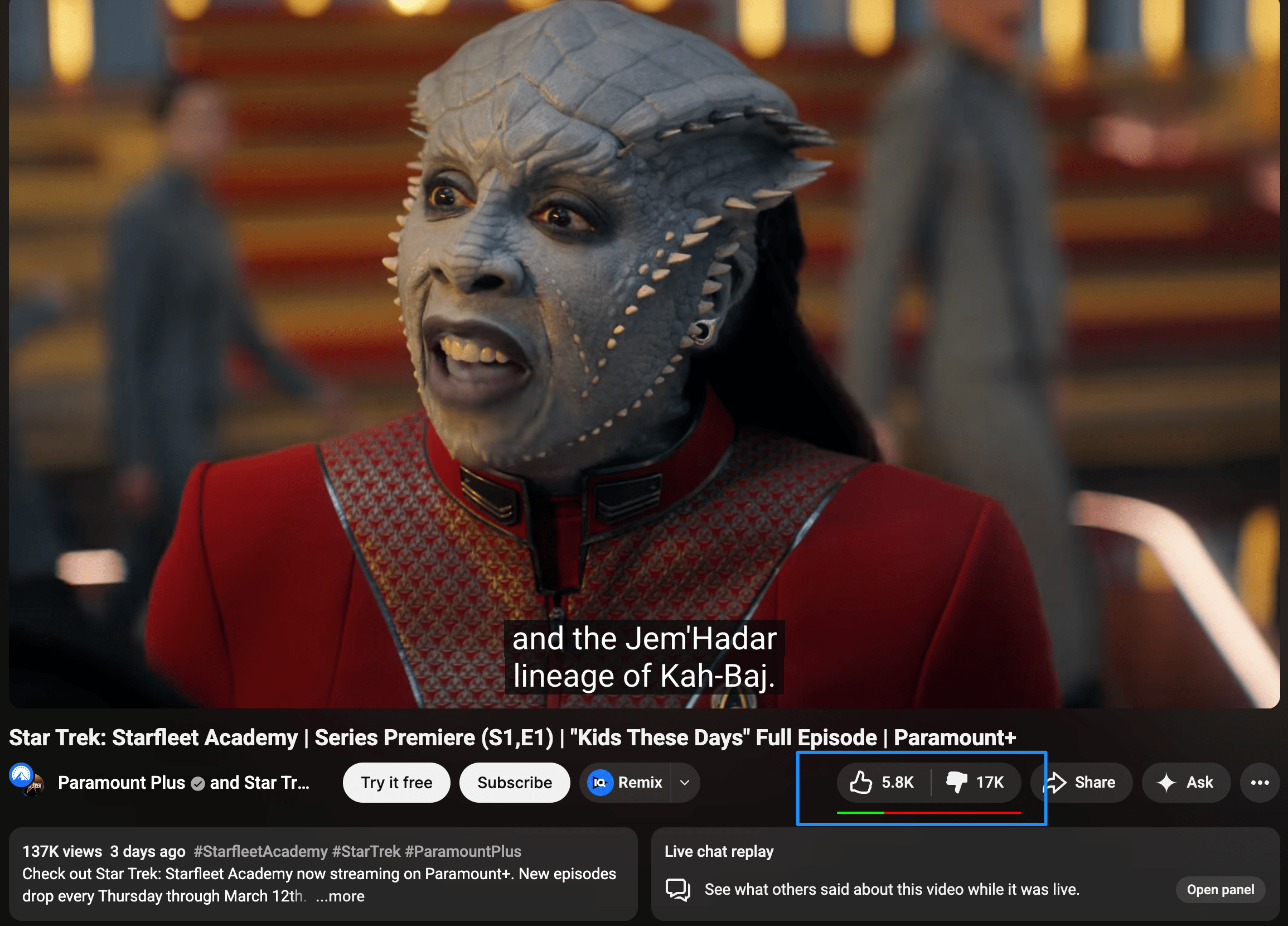
Currently, the official YouTube video has around 5,800 likes, but over 17,000 dislikes. This means about 74.6% of viewers have disliked the video – almost three out of every four reactions are negative.
This measurement is important because reactions on YouTube happen instantly and are very easy to do. Viewers don’t have to write lengthy reviews, create accounts on other websites, or even discuss the video with others – they can simply react to it right away.
A response that lopsided is not easily dismissed as manipulation.
Audience Fatigue Is Not a Conspiracy
The most likely reason for the show’s struggles is simple: many viewers tried Starfleet Academy and didn’t enjoy it. The franchise hasn’t been consistently good for years, which has worn down fans. Now, new shows aren’t necessarily disliked on purpose, but people are just tired and more critical after so many ups and downs.
It’s understandable to be wary of a new show if it feels similar to something you didn’t enjoy before. Dismissing that concern as criticism just makes the problem worse.
What the Media Still Refuses to Confront
The issue isn’t just negative reviews for Starfleet Academy; it’s that many viewers have lost faith in how the media covers big franchise releases.
People don’t have to agree with what critics say. They shouldn’t feel pressured to like something just because it fits with what the industry wants or how a show is being marketed. And it’s unfair to assume they’re being intentionally difficult just because their reaction doesn’t go as planned by the publicity team.

If critics, audience reviews, fan communities, and even reactions on YouTube all agree on a particular opinion, claims that the negative feedback is simply a coordinated attack—or “review bombing”—begin to seem like a way to avoid honestly addressing the issues.
Whether the industry chooses to acknowledge that reality remains to be seen.
Read More
- Mark Zuckerberg & Wife Priscilla Chan Make Surprise Debut at Met Gala
- Elon Musk’s Mom Maye Musk Shares Her Parenting Philosophy
- 10 Greatest Manga Endings of All Time
- GBP CNY PREDICTION
- Forza Horizon 6 Car List So Far: Confirmed Highlights, Cover Cars, DLC, and Rewards
- Review: Final Fantasy Tactics: The Ivalice Chronicles (PS5) – Still the Benchmark for Turn-Based Tactics
- Miranda Kerr Shares “Quick” Procedure She Got Before Met Gala 2026
- Ranking the 5 Best Spring 2026 Anime So Far (Mid-Season Update)
- A Major PlayStation Delisting Exposes a Sony Problem
- 10 Best Free Games on Steam in 2026, Ranked
2026-01-18 18:58