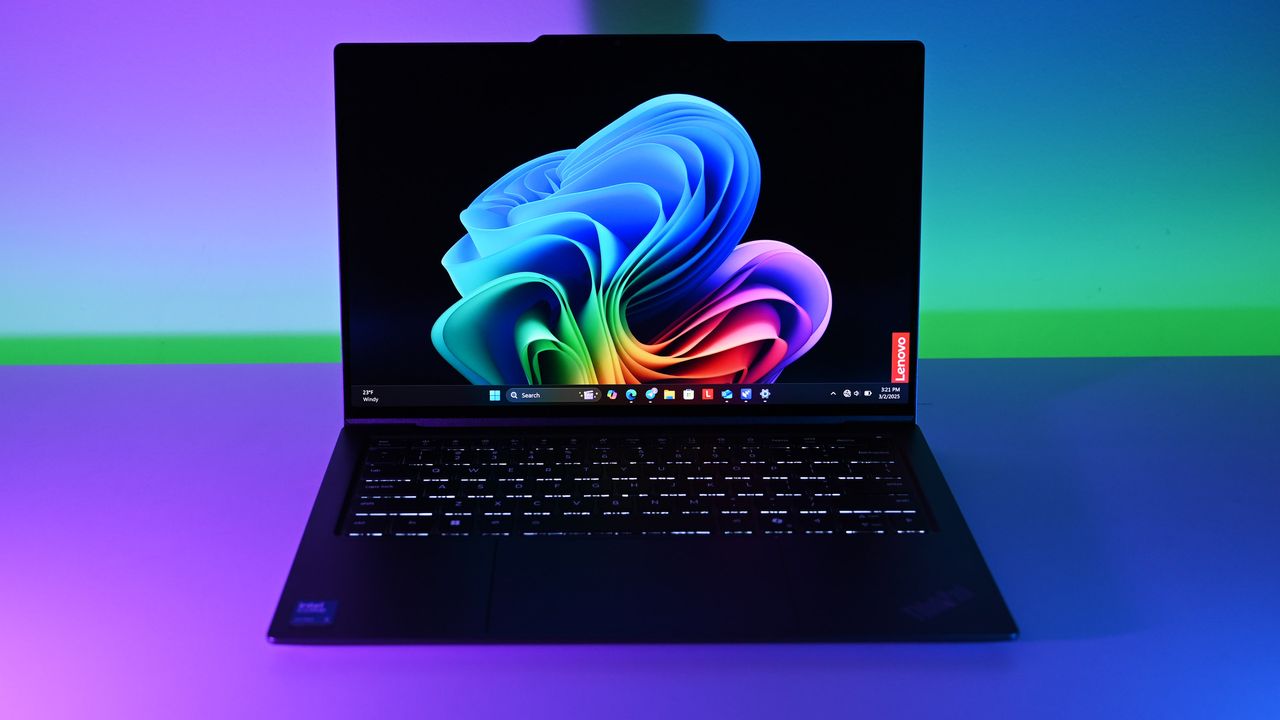
Microsoft is heavily promoting a new type of computer called the “AI PC,” suggesting it’s the next big thing. These laptops, featuring special chips called NPUs, are advertised as being able to perform AI tasks directly on your device, without relying on the internet.
As we move further into 2026, I have a nagging feeling we’ve seen this situation before – a lot of excitement about a new technology that isn’t quite living up to expectations. Even Dell recently admitted that the idea of ‘AI PCs’ hasn’t really resonated with customers.
The AI PC promise
AI PCs seem incredibly promising. They have special processors designed to make AI tasks faster and more energy-efficient, all while keeping your data private. Microsoft’s Copilot is intended to be a helpful, always-available assistant that can summarize information, create images, and simplify your work. Microsoft believes this is a major leap forward, bringing PCs fully into the age of artificial intelligence.

The idea is appealing to anyone who works, studies, or creates content. Picture this: Windows could instantly transcribe audio, translate languages on the fly, or even create images – all without needing subscriptions or relying on internet connections. It would be powerful, local AI, readily available whenever you need it.
Features like blurred backgrounds and noise cancellation used to strain your computer’s graphics card during video calls. Now, these tasks are handled by a dedicated processor, the NPU, so your system runs smoothly without slowing down.
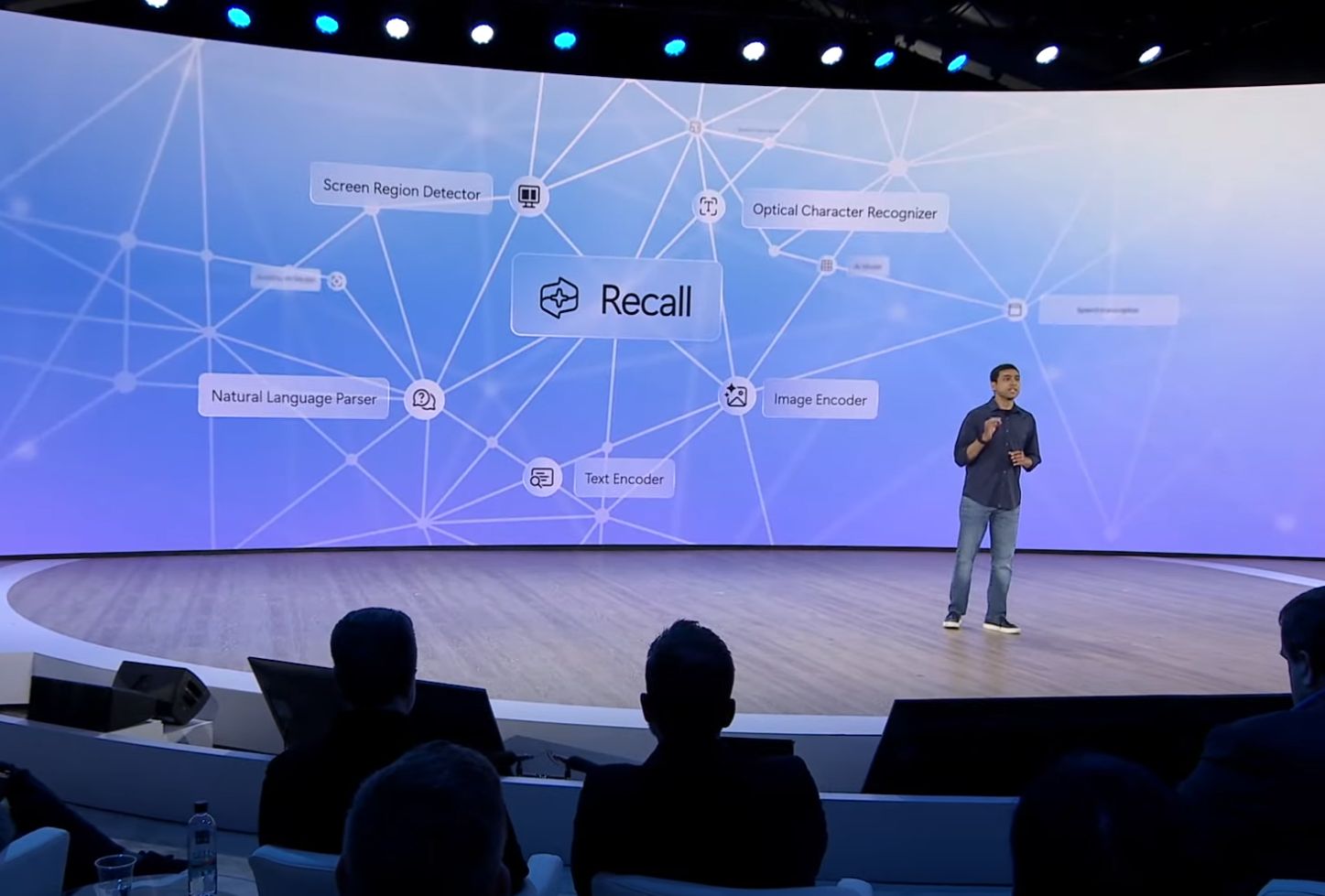
Things like Windows Recall are super impressive and barely dent battery life.
AI PC reality check
However, the reality is that most people haven’t fully experienced that potential yet. Those who have tried Copilot often find it’s more of a convenient time-saver than a game-changing innovation. While features like summarizing and searching are useful, they don’t really justify the cost of a new computer. Plus, many of the AI capabilities are limited to Microsoft products, which raises concerns about whether it will work well with other systems.
As an analyst, I’ve been tracking the promised hybrid AI features, and so far, they haven’t really come to fruition. Copilot, as it stands, operates entirely in the cloud – it doesn’t utilize the Neural Processing Unit (NPU) on your device at all. While features like Recall and video blurring do effectively leverage the NPU, we haven’t seen any recent announcements about new capabilities that take advantage of this hardware. It feels like a missed opportunity right now.
It’s easy to see how current challenges resemble past failures. Think of Windows RT and Surface RT – both were innovative ideas that didn’t quite work out and were eventually discontinued. Windows Phone also showed promise at times, but ultimately suffered from problems with how it was implemented.
The AI PC risks joining that lineage if Microsoft can’t prove its value beyond marketing slides.
The skeptic’s view
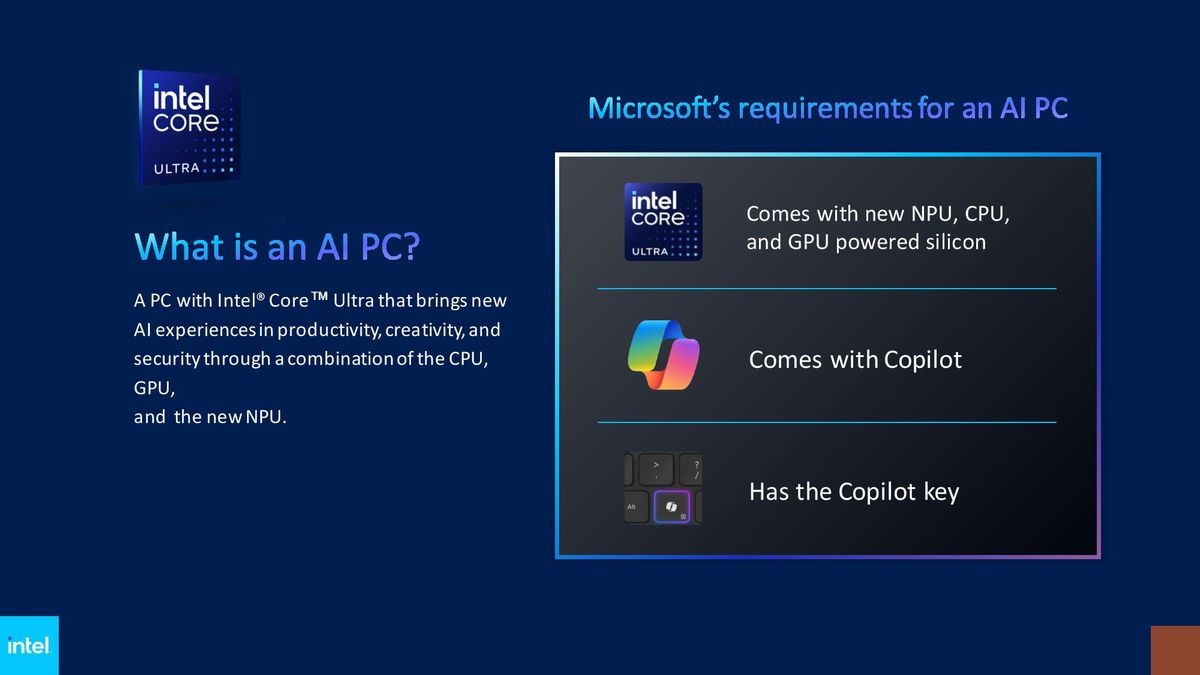
It’s important to admit that, right now, the term “AI PC” – and especially “Copilot+ PC” – is mostly a marketing tactic. Similar to labels like “Ultrabook” or “netbook” in the past, it’s a way to boost hardware sales when the market feels slow. Laptops have become fairly standard, and adding “AI” is an attempt to make them seem new and exciting. However, creating excitement without real improvements can be risky.
Our readers are savvy and can tell when something is just hype. They care about real results: will this product make their apps run faster, improve their work, and ultimately be worth the money? They want to know if it actually delivers.
Right now, the answers are murky
To be honest, it often feels like companies are overly reliant on cloud computing simply because it’s a profitable business model. They can charge us for using it and then use those funds to build massive data centers – sometimes with public money, and often at the expense of local communities.
This is a real problem. Many users have complained online that Copilot can be slow because of delays caused by it running in the cloud, and because it feels more like a website than a fully installed application.
The optimist’s case?
Looking ahead, local AI has the potential to be as important as the graphics card was in the past. Just as GPUs powered advancements in gaming, design, and science, NPUs could enable entirely new types of software we haven’t even conceived of yet. Microsoft’s current efforts might not pay off for several years, but they could lay the groundwork for significant future innovation.
If this is the case, the focus on AI-powered PCs isn’t a failure, but rather the groundwork for future innovation. However, most people don’t notice or care about this underlying technology. Laptop buyers are concerned with current performance, not potential features years down the line.
What really gets to me is this: Qualcomm seems to be leading the way with AI-focused computer hardware, and they’re about to release their new Snapdragon X2 platform – including the X2 Plus. It’s a significant upgrade, doubling the processing power of their AI chips. What’s cool is they’re including these powerful chips in everything from their more affordable options all the way up to their top-of-the-line processors.
But here’s the frustrating part: Microsoft hasn’t actually shown us *what* this extra power will *do*. It feels like we’re waiting for Windows 11 and app developers to figure out how to take advantage of it, hoping something cool will eventually appear.
Cool, I guess?
Fortunately, Qualcomm’s dedicated AI processor adds value without increasing the cost – Snapdragon-powered laptops are frequently more affordable than those with Intel or AMD chips. Plus, you still enjoy the significant advantages of Qualcomm’s design, including long battery life, cooler operation, and plenty of processing power.
The big question for 2026
What does Microsoft’s push for new technology really mean? Are they creating a fundamentally new way of computing, or simply trying to boost hardware sales by offering something different? The outcome likely hinges on two things: how quickly software developers start using these new processors, and how well Microsoft incorporates its Copilot AI assistant into daily tasks, leveraging the power of those processors.
It’s like running a video game that can’t see your GPU.
Right now, the idea of an AI-powered PC feels like a really significant gamble. It could be incredibly successful, completely changing things – or it could end up as just another example of a technology that didn’t quite work out. I’m watching it closely, as are many others, to see which way it goes.
Closing thoughts

For AI-powered PCs to truly take off, Microsoft needs to demonstrate real-world benefits beyond just advertising. They need to showcase how these PCs improve everyday tasks and deliver noticeably better performance. If they don’t, 2026 could end up being remembered as the year AI PCs failed to live up to the hype, much like Windows RT did.
The AI PC needs a reason to exist, and running on features a year old is not the way to sell it.
FAQ
What is an AI PC?
A laptop with a dedicated neural processing unit (NPU) designed to run AI tasks locally.
Why does Microsoft care?
It’s a way to differentiate hardware in a stagnant market and push Copilot deeper into Windows.
Should I buy one now?
If you don’t require advanced AI features, the improvements from a new Neural Processing Unit (NPU) will be minor, and most people won’t notice a huge difference right now.
However, many new laptops already include an NPU as standard, so it doesn’t add to the cost. You might actually find you benefit more from the longer battery life, faster performance, and overall better hardware. Laptop technology is already excellent, so buying a laptop with an NPU isn’t a bad thing – it’s just that the technology isn’t fully utilized yet and feels a bit early.
Read More
- 10 Greatest Manga Endings of All Time
- Review: Final Fantasy Tactics: The Ivalice Chronicles (PS5) – Still the Benchmark for Turn-Based Tactics
- Mark Zuckerberg & Wife Priscilla Chan Make Surprise Debut at Met Gala
- GBP CNY PREDICTION
- Elon Musk’s Mom Maye Musk Shares Her Parenting Philosophy
- Forza Horizon 6 Car List So Far: Confirmed Highlights, Cover Cars, DLC, and Rewards
- Miranda Kerr Shares “Quick” Procedure She Got Before Met Gala 2026
- The WONDERfools ending explained: What happened to the Child of Eternity?
- Ranking the 5 Best Spring 2026 Anime So Far (Mid-Season Update)
- Hollow Knight: Silksong Guide – All 30 Lost Flea Locations
2026-01-19 01:11